
There’s no single cheapest ticket type — it depends on your route, destination, and how flexible your plans are. The right move is to compare a roundtrip against two one-way tickets, then check multi-city fares if you’re flying home from a different city than where you landed.
For domestic trips, one-way fares often match or beat roundtrip prices. For international travel, a roundtrip can actually cost less than a single one-way ticket. Multi-city bookings are worth checking if returning to your departure city means an extra flight you don’t need.
Before booking: compare the same dates, cabin, and number of travelers on Google Flights, then confirm the total on the airline’s website before paying. Factor in bags, seat fees, ground transportation, and any risks that come with booking separate tickets. Use fare alerts to track price drops, but remember the lowest airfare isn’t always the lowest total trip cost.

Roundtrip vs. 2 One-Ways: When Each Costs Less
| Route conditions | Which format tends to cost less? |
|---|---|
| Most U.S. domestic routes | Often close; compare the roundtrip with the cheapest one-way in each direction |
| International long-haul on fixed dates | Often roundtrip |
| One-way sale on just one leg | Two one-ways may win |
The price gap is usually largest on long-haul international trips and smallest on domestic routes.
When International Roundtrip Fares Cost Less
Many international carriers charge less for a long-haul roundtrip than for two separate one-ways. If your dates are fixed, check the roundtrip first, especially when flying with the same airline or its partners. Keeping both flights on one reservation also makes delays and cancellations easier to handle.
When Separate One-Ways Cost Less
Two one-ways can cost less when different airlines have the lowest fare in each direction or when only one leg is on sale. For award travel, separate one-ways let you mix airlines and match available seats. Compare the total points and fees before booking.
Compare Total Costs and Separate-Ticket Risks
If the base fares are close, compare the full trip cost. Use the same dates, cabin, traveler count, and flight options. Then add baggage, seat selection, payment fees, and any extra ground transportation needed when using different airports. Check the fare rules, too: basic economy isn’t the same as a more flexible main cabin ticket.
Separate tickets are independent contracts. If one flight is delayed or canceled, the other airline has no obligation to rebook you. Leave plenty of time for self-connections, and weigh any savings against the cost of a possible replacement flight.

When Multi-City Flights Save Money
If your trip starts and ends in different cities, a multi-city booking may cost less than a roundtrip. Skipping the return to your arrival city can save money, but extra flight legs and fare rules can wipe out those savings.
Use Open-Jaw Flights to Avoid Backtracking
An open-jaw itinerary includes a gap between flights that you cover by train, car, or bus.
For example, you could travel from London to Paris by train between flights.
Flying into one city and home from another? Compare the multi-city fare with a roundtrip to the first city, including the cost of getting back there and any extra hotel night before departure. Avoiding that backtracking can save both money and time.
Compare Multi-City and Separate Tickets
Compare the options below to weigh price against flexibility and connection protection.
| Factor | Multi-city on one ticket | Roundtrip to the first city + separate positioning flight | Separate one-ways |
|---|---|---|---|
| Itinerary control | Low; missing one leg may void the rest | Medium; return is protected, positioning is not | High; each ticket is independent |
| Connection protection | High; airline rebooks if delayed | Low; the positioning leg is unprotected | None; each leg is a separate contract |
| Pricing potential | Best for same-alliance international travel | Good for reaching cheaper hubs | May be cheaper for domestic or regional trips |
| Baggage complexity | Usually consistent rules | Must re-check bags | Must re-check and pay fees per airline |
| Change management | One fee for the whole itinerary | Multiple fees; more complex to sync | Must change each ticket individually |
Flying through airline hubs or staying within the same alliance can help lower costs. But compare the price of the entire itinerary to see whether either approach saves money.
Price Every Leg Before Booking
Before booking, compare the multi-city fare with the total cost of separate legs. Add any train, bus, taxi, or extra hotel costs between cities. For an open-jaw trip, factor in the travel time between cities, too. Once you’ve priced the itinerary, use a booking tool that can handle all three formats correctly.

Which Search Tools Fit Your Trip?
Once you’ve priced the full itinerary, compare the same trip in each search format. Google Flights is the fastest way to check roundtrip, one-way, and multi-city options.
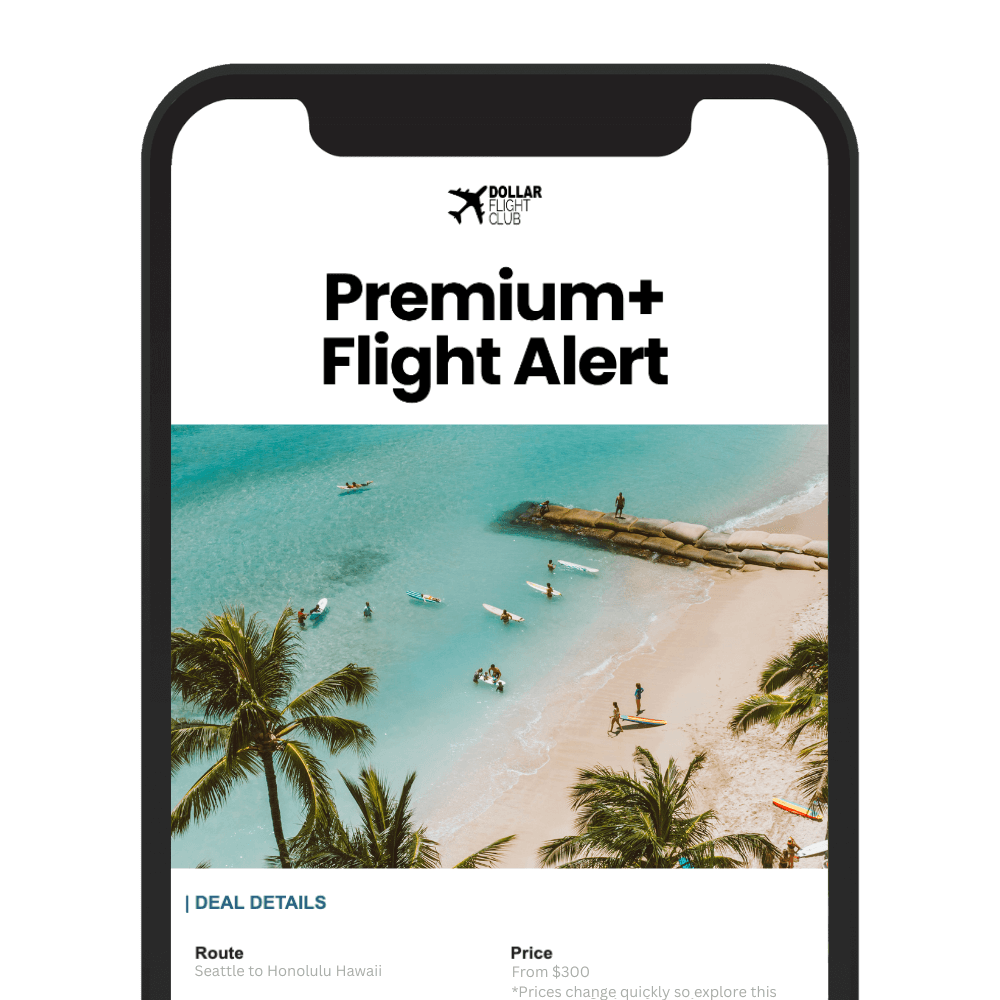
Dollar Flight Club alerts can flag discounted fares so you don’t have to price every leg yourself.
Compare All 3 Formats on Google Flights
Keep the passengers, cabin, dates, and bag needs the same as you switch between roundtrip, one-way, and multi-city searches. For multi-city trips, enter each route and date, then choose flights for each leg. You’ll usually book through the airline or seller.
Match the search format to your trip, not the other way around.
| Your trip | Search format | Suitable tool | Final verification |
|---|---|---|---|
| Fixed vacation dates | Roundtrip | Google Flights | Confirm bag and seat-selection fees |
| Flexible returns | One-way | Google Flights | Check change and cancellation rules |
| Open-jaw travel | Multi-city | Google Flights | Verify operating airlines |
| Several planned stops | Multi-city | Google Flights | Check whether connections share one ticket |
Use the calendar and date grid to compare departure and return combinations before choosing dates. Nearby-airport searches give you more options, but you’ll need to add transportation and parking costs yourself. Those expenses aren’t included in the displayed airfare.
Check Final Prices and Rules With the Airline
Before paying, check the final price in USD, the operating airline, and the seller’s terms. A cheap search result only helps if the final fare and rules match what you saw. Confirm the exact fare, bag fees, and change rules on the airline’s site.
Booking through a third party? Check who sells and services the ticket, plus any booking fees. The federal 24-hour rule applies only to qualifying direct airline bookings made at least seven days before departure. Airlines must offer either a 24-hour hold without payment or penalty-free cancellation within 24 hours – not necessarily both.
Deal alerts can flag discounted fares across all three formats, helping you find the cheapest option faster.

Conclusion: Choose the Lowest Total Cost
Compare total trip costs, not just ticket prices. Use the same dates, airports, cabins, and traveler counts to compare roundtrip, two one-way tickets, and multi-city fares. Include bags, seats, ground transportation, and extra hotel nights. With separate-ticket connections, weigh any savings against the cost of a replacement flight if a delay makes you miss your next departure. Once you find the cheapest format, use fare alerts to track the best date and route.
Find Deals With Dollar Flight Club
Dollar Flight Club sends domestic and international flight deals by email and SMS, with savings up to 90%, plus member-only travel perks and discounts. Use membership alerts to find cheaper dates, airports, or airlines for one-way, roundtrip, or multi-city bookings.
FAQs
Why can a one-way flight cost more than a roundtrip?
Airlines adjust fares based on demand, competition, and available seats. They may charge more for one-way flights to encourage roundtrip bookings. On international long-haul routes, full-service carriers often charge less for a roundtrip than for two separate one-way tickets.
For domestic U.S. flights, the totals are often similar. Compare the roundtrip fare with the combined cost of two one-way tickets to see which costs less.
Can I change just one leg of a multi-city ticket?
Changing one leg of a multi-city ticket can get tricky. These tickets often have stricter change rules and higher fees than standard round-trip tickets.
Because all segments share one reservation, changing one leg can affect the rest of your itinerary. Missing a segment can sometimes void the rest of your ticket, too.
Before making any changes, call the airline to check how they would affect your booking.
How much time should I allow between separate-ticket flights?
With separate tickets, you’re responsible for making your connection. Leave extra time for delays:
- Domestic, same terminal: at least 45 minutes.
- Domestic, changing terminals: 60–90 minutes.
- International, with immigration and customs: at least 2 hours.
If you’re checking bags, allow more time. You’ll likely need to collect them and check them in again between bookings.