
Finding cheap flights to Europe from the US is entirely doable, but only if you’re looking at the right numbers. The lowest fare isn’t always the best deal once you factor in baggage fees, connection risks, and getting to and from the airport. Start by comparing total round-trip cost across a few date windows and nearby airports, and give yourself a 2–8 month booking window to track prices before committing.
A few things worth checking before you book:
- Compare dates and airports: Factor in driving, parking, and onward travel costs. A cheaper fare from a farther airport can cost more overall.
- Add the extras: Checked bags run $40–$80 each way on most budget transatlantic carriers.
- Check connection risks: Separate tickets can save money, but weigh that against the cost of delays or a replacement ticket if something goes wrong.
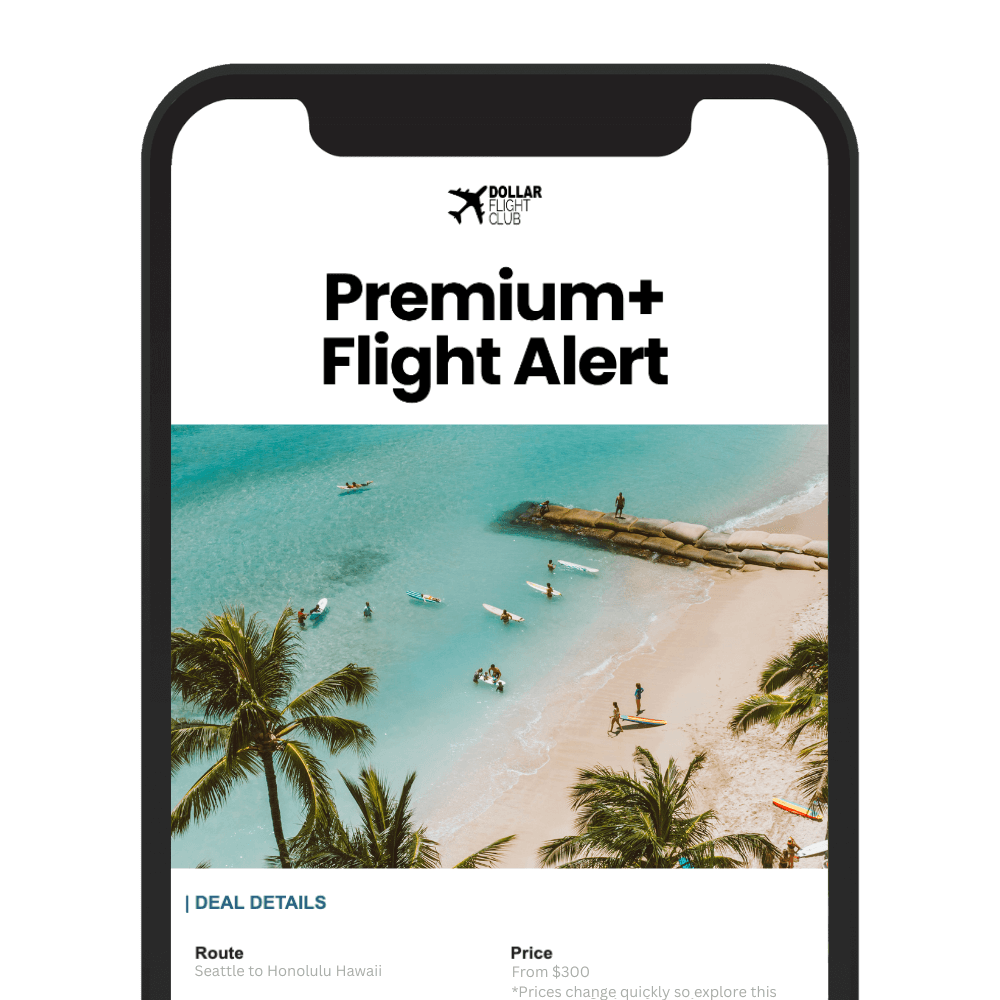
- Set up fare alerts: Use fare alerts and Dollar Flight Club to track prices passively, then check the full price and rules before booking.
The goal is the lowest total cost with connection risks you can actually afford to absorb.

Choose When to Fly and When to Book
Compare Travel Seasons
When you fly and when you book are separate decisions. Spring and fall can offer lower costs and comfortable sightseeing weather. Summer and holidays usually bring higher demand, with summer fares typically 60% to 100% higher than January or February fares on the same route.
| Travel period | Typical fare pressure | Booking response |
|---|---|---|
| Winter and late fall | Often lower | Track flexible dates |
| Spring and fall | Moderate | Target shoulder-season dates |
| Summer and holiday travel | Usually high | Start tracking earlier |
School holidays and major events can push fares up even in cheaper months. Check your destination’s calendar before settling on dates, then start watching the booking window.
When to Start Watching Fares and Buy
Your travel season helps determine how far ahead to book. Treat these windows as guides, not rules: for off-season transatlantic trips, the ideal booking window is usually 2 to 8 months before departure. For peak summer or holiday travel, it stretches to 3.5 to 9 months. Set price alerts as early as 10 months ahead for peak trips.
Recent data found that Europe fares were lowest 48 or more days before departure. That’s a useful benchmark – not a promise that waiting until day 48 will get you the cheapest ticket.
Fares change in real time. Comparing nearby departure and return dates matters more than trying to time a Tuesday purchase. Book when the price works for your budget and dates.
With timing settled, airports and routing are the next places to look for savings.

Compare Departure and Arrival Airports
Once you’ve narrowed your travel dates, compare airports to find a lower fare.
US Departure Airports to Check
Look at airports within a reasonable drive, starting with major East Coast hubs like JFK, Newark, Boston, and Miami. Competition on transatlantic routes is often strongest at these airports. Prices can also vary sharply within the same region, so check nearby pairs like BWI vs. IAD or EWR vs. PHL.
For example, a flight from Philadelphia to Paris was $946, while the same trip from Newark was $506, a savings of $440.
Use the same dates and baggage rules for each comparison. Then add gas, tolls, parking, and any positioning flight – the flight you take to reach your departure airport. A lower fare from an airport several hours away may leave you with little savings after those costs.
European Arrival Airports and Onward Travel Costs
If your itinerary allows it, compare flights into London, Dublin, Milan, or Barcelona. A cheaper flight could mean a longer, more expensive trip to your final destination.
In London, Gatwick or Stansted may be cheaper than Heathrow, but add the cost of getting into the city.
Check the exact arrival airport, not just the city. Price rail tickets or airport transfers before booking, and make sure the onward train or bus runs when you arrive. Your total should include airfare, ground transportation, baggage, and any overnight stay.
Use those airport costs when comparing nonstop flights, connections, and separate tickets.

Weigh Savings Against Connection Risks
Compare Nonstops, Through-Tickets, and Separate Tickets
Compare the full trip cost, not just the airfare. Nonstops cost more on average, but they remove connection risk. A cheaper itinerary makes sense only if the savings cover the extra time and fees.
Use this breakdown to compare price, protection, and convenience.
| Route | Key tradeoff |
|---|---|
| Nonstop from nearest airport | Higher fare, shortest journey |
| Drive to larger gateway | Lower airfare must offset driving and parking costs |
| Connection on one ticket | Longer journey with missed-connection protection |
| Separate domestic positioning flight | Potentially lower fare, but another booking and more missed-connection risk |
| Separate European budget flight | Low fares may come with extra check-in steps and airport transfers |
One ticket usually gives you more protection than two separate bookings. If a covered delay makes you miss a through-ticket connection, the airline generally rebooks you. With separate tickets, the onward airline generally has no obligation to replace the flight you missed.
Price both legs before committing. Then book the transatlantic fare first and arrange positioning flights around it.
Check Budget Airline Fees and Connection Times
Budget transatlantic carriers such as Norse, French Bee, and LEVEL handle the ocean crossing. But adding a separate US positioning flight or European hop means another departure – and another chance for delays to disrupt your trip.
Add bag and seat fees to the budget transatlantic base fare before comparing prices. For European add-ons, check the actual arrival airport and transfer costs, too.
Allow at least four hours between flights on separate tickets. You’ll need time for immigration, baggage pickup, recheck, security, and any airport transfers. Flying the positioning leg the day before and staying at an airport hotel lowers missed-connection risk, but adds hotel costs.
Traveling light cuts out baggage steps. It doesn’t remove delay risk. Skip separate-ticket connections if buying a backup ticket would wipe out the savings.

Create a Booking Routine and Get Deal Alerts
Set a Budget and Check Before Booking
Set your trip budget before you search. Note your flexible dates, departure airports, maximum stops, and longest acceptable layover. Compare nonstop and one-stop flights to find the best fit for your route and total budget.
Set fare alerts as soon as you know your dates, especially for peak-season travel. Track the date, fare, and ticket type so you can tell when a price actually drops. Before paying, check the final checkout price, change restrictions, and connection times.
After booking, save your confirmation and read schedule-change emails promptly. Keep tracking the fare: eligible tickets may let you rebook for a credit if the price drops. Basic economy is often excluded, and your ticket’s rules determine your options.
With your budget and dates in place, let alerts handle the daily fare checks.
Get Europe Flight Alerts from Dollar Flight Club
Automated alerts can help you find Europe deals without constant manual searches. Dollar Flight Club emails discounted domestic and international fares, including flights to Europe. Eligible plans also include SMS alerts.
Set your departure airports and dream destinations to get relevant deals. Discounts can reach up to 90% off, but that’s a best-case figure – not a guarantee.
Alerts bring Europe deals to your inbox or phone and cut down on manual searching. Treat each one as a lead: check the dates, total price, and connections before booking.
FAQs
Why do Europe flight prices change so much?
Airlines use dynamic pricing to adjust fares automatically in real time based on demand, available seats, and competitors’ prices. Fares often climb during peak summer travel or holidays and drop during off-peak periods to help fill empty seats. Fuel costs and competition on each route also affect ticket prices, so fares change frequently as bookings come in and market conditions shift.
Can flying into one European city and out of another save money?
Yes. Flying into one European city and out of another – called an open-jaw itinerary – can save money. Book it as a multi-city trip instead of a round trip to skip the time and cost of returning to your arrival airport. It also lets you visit multiple regions without backtracking.
Compare the total trip cost, including ground transportation or regional flights. Those extra expenses could cancel out your savings on the transatlantic fare.
Will travel insurance cover a missed separate-ticket connection?
Travel insurance may not cover a missed connection on separate tickets. It depends on your policy’s wording and whether the missed connection counts as a covered incident. If a delay makes you miss your second flight, the second airline typically has no obligation to help.
To reduce the risk, leave extra time between flights or take your positioning flight the day before.