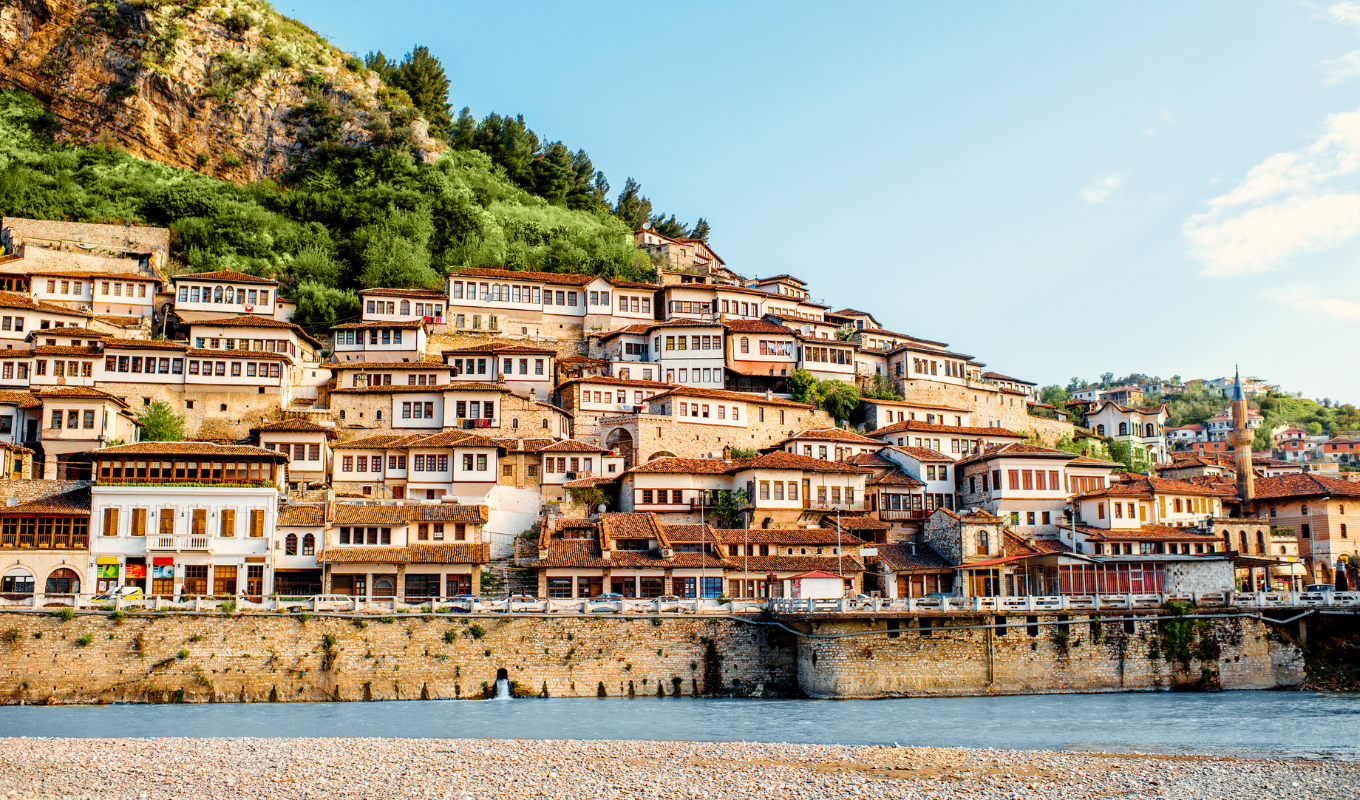
August is expensive, but you can still cut costs if you pick the right place and travel late in the month. From this list, I’d focus on Mexico City, Vietnam, Romania, Bulgaria’s Black Sea Coast, Colombia, Albania’s Riviera, and Lisbon because they balance lower day-to-day costs, decent flight options, and weather that still works in August.
Here’s the short version:
- Best low daily costs: Vietnam, Mexico City, Romania
- Best beach value: Bulgaria and Albania
- Best city trips: Mexico City, Medellín, Lisbon
- Best time to fly: August 17–31
- Best departure days: Tuesday or Wednesday
- Big flight rule: Late-August fares can drop 20%–40% versus early August
If I were picking based on pure value, I’d group them like this:
| Destination | Best For | Daily Budget | August Snapshot |
|---|---|---|---|
| Vietnam | Lowest overall spend | $30–$50 | Hanoi is wet; Da Nang is drier |
| Mexico City | Low-cost city break | $30–$65 | Mild days, short afternoon rain |
| Romania | Cheap Europe trip | $40–$55 | Warm, dry, easy for trains |
| Bulgaria | Budget beach trip | $36–$60 | Hot beach weather, lower coast prices |
| Colombia | Low-cost Latin America mix | $35–$55+ | Medellín is milder; Cartagena is hotter |
| Albania | Ionian beach trip | $108–$183 mid-range | Sunny, busy, beach-focused |
| Lisbon | Western Europe on a lower spend | $55–$100 | Hot and dry, better late August |
The main takeaway is simple: if you want the best August deal, don’t just chase the cheapest flight. Look for places where hotels, meals, and local transit stay low after you land. That’s where the savings add up.
Below, I’d keep the focus on total trip cost, weather tradeoffs, and late-August timing, since that’s what makes these seven places worth a look.

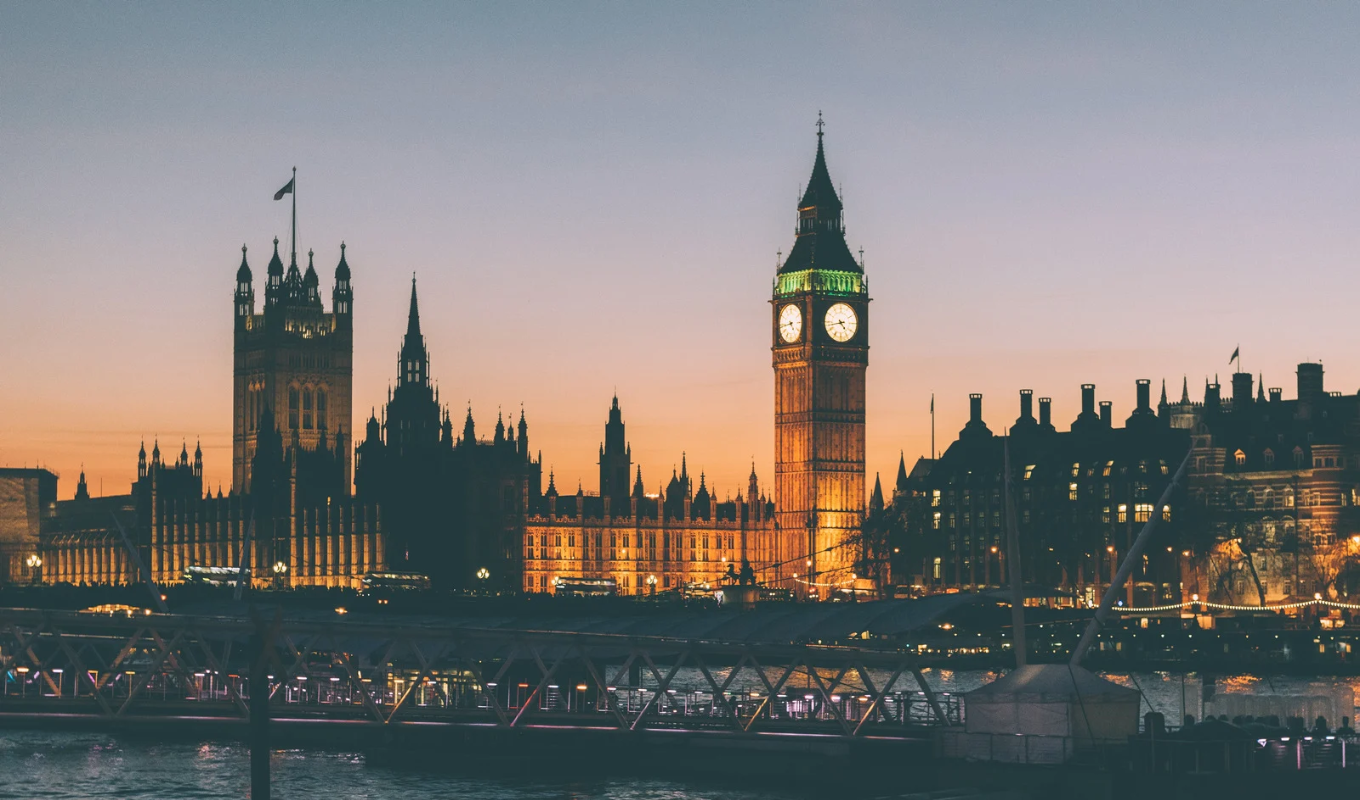
1. Lisbon, Portugal
Lisbon is still one of Western Europe’s best-value capitals. Round-trip flights to Portugal can still start at about $539.
August is hot and dry. Daytime temperatures often reach 90°F–97°F. That kind of weather works well for outdoor dining, beach day trips, and long walks through Alfama. If you plan to sightsee, go early in the morning or later in the evening when the heat backs off a bit.
Once you’re there, a mid-range daily budget usually lands between $55 and $100. That covers lodging, meals, and local transit. In neighborhood tascas, you can still find a prato do dia for about €7–€10. A 24-hour unlimited transit pass costs around €6.60–€6.80.
Late August is the sweet spot. Crowds start to thin out, and fares can fall 20%–40% compared with early August. That makes Lisbon a smart first stop before heading on to even cheaper city breaks elsewhere on the list.
2. Mexico City, Mexico
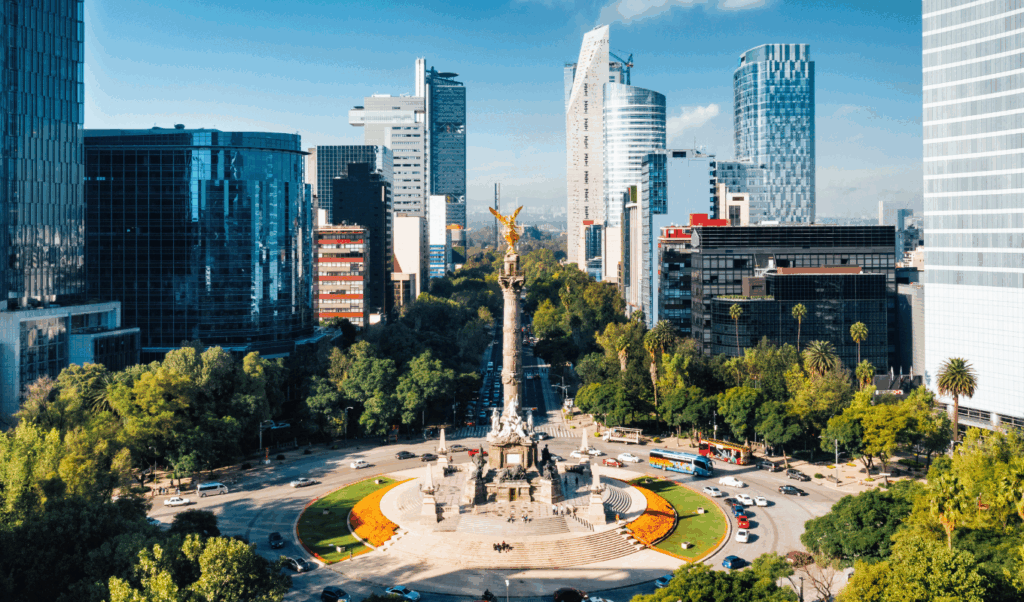
Mexico City is one of the best August bargains for U.S. travelers. Round-trip flights from major U.S. hubs usually land in the $240–$420 range, and August tends to bring lower hotel prices plus thinner crowds at top sights. Put simply, it’s one of the best-value big-city trips in the hemisphere.
The weather helps too. August is warm, but not harsh in the way summer can be elsewhere. Thanks to the city’s high elevation, daytime highs usually sit around 75°F–77°F. Yes, it’s rainy season. But showers often show up as short afternoon bursts, which means mornings are often clear and easy for sightseeing.
Daily costs stay low. You can get by on about $30–$65 on a tight budget, while mid-range travel usually runs $70–$165. Getting around is cheap too: the Metro costs just $0.25–$0.30 per ride and connects many of the city’s main neighborhoods. Food is another big plus. A comida corrida usually costs $2.50–$3.90, and three tacos with a drink can come to about $5.
August also comes with a nice seasonal perk: it marks the start of chiles en nogada season, a dish made with poblano peppers, meat, and walnut cream sauce. If Casa Azul is on your list, plan ahead. The Frida Kahlo Museum (Casa Azul) can sell out even during low season, so it’s smart to book tickets in advance.

3. Vietnam (Hanoi and Da Nang)
Vietnam is a smart August pick if you want to keep costs down. It’s low season, and hotel prices often fall by 30%–40% compared with peak months. Round-trip flights from the U.S. usually land around $850–$1,100 in August, which is about 29% lower than December fares.
The weather is a different story depending on where you go. In Hanoi, August is the wettest month. Humidity often hits 85%–90%, and temperatures usually sit between 79°F and 91°F. Rain tends to roll in during the afternoon, so it makes sense to do places like the Old Quarter and the Temple of Literature in the morning.
Da Nang is the better bet if you want more sun. The Annamite Mountains help block the southwest monsoon, which leaves Central Vietnam much drier at this time of year. Expect sunny weather and temperatures from 77°F to 93°F. My Khe Beach is also a good spot for swimming.
Daily spending is one of Vietnam’s biggest draws. Budget travelers can get by on $30–$50 per day, while mid-range trips usually cost $80–$150. Street food is cheap in the best way:
- Many dishes cost about $0.80–$2
- A bowl of cao lau is usually under $2
- Motorbike rentals run about $4–$8 per day
If you’re trying to spend less on flights, start with Hanoi and then connect to Da Nang. Flying into Hanoi (HAN) is often cheaper from North America because it’s a major international gateway. Da Nang usually needs a domestic connection instead. Budget airlines like VietJet and Bamboo Airways often have fares to Da Nang in the $23–$52 range if you book early.
Da Nang can also cost less than Hoi An. You can often find modern beachfront hotels at lower rates, and Hoi An is only about a 30-minute drive away.
4. Bulgaria’s Black Sea Coast (Varna and Burgas)
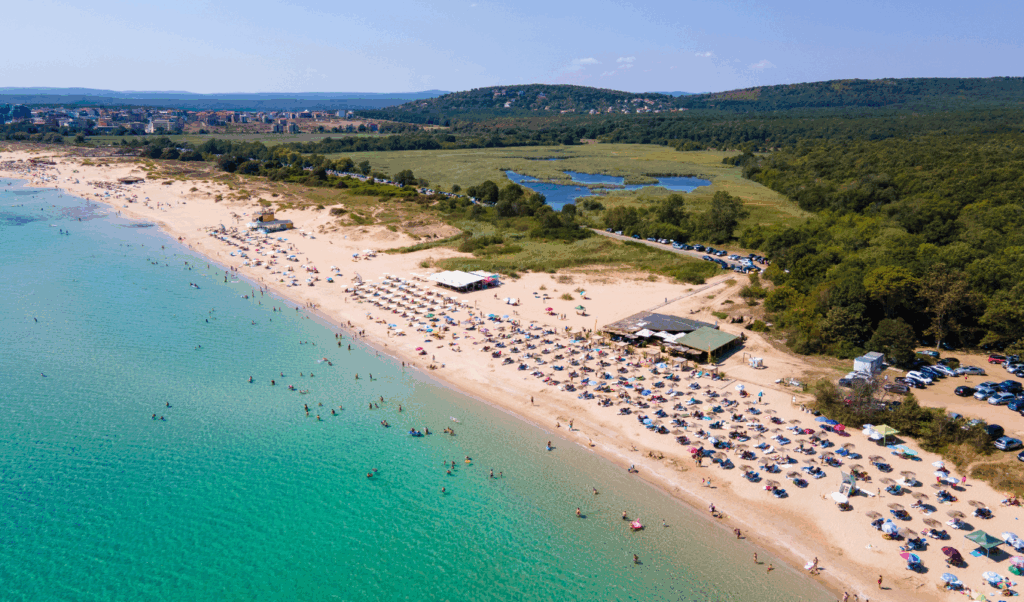
If you want warm beach weather in August without Greece- or Croatia-level prices, Bulgaria’s Black Sea Coast is a smart pick. It ranks among Europe’s best August beach bargains, with 40% to 60% lower costs than those two countries while offering similar beach weather.
August is hot and dry here. In Burgas, average highs hit about 82.8°F, and Varna comes in at 81.6°F. Black Sea water temperatures sit near 78°F, so swimming feels especially good. The midday sun can be strong, though. Places like Nessebar and Sozopol are better in the morning or later in the evening, when walking around feels a lot more pleasant.
Getting there from the U.S. is still pretty doable on a budget. Round-trip flights to Varna or Burgas usually cost $600 to $900 with one connection. In many cases, flying into Sofia first and then heading to the coast is the cheapest route.
Once you’re there, daily costs are low. Most travelers spend about $36 to $60 per day on the ground. To put that in perspective:
- A full restaurant meal usually costs around $6 to $10
- A pint of beer is roughly $2
As for where to stay, Varna is the better fit if you want a more lively beachfront scene. Burgas makes more sense if you’re after nature-reserve day trips and easy access to Sunny Beach, the well-known resort with nearly eight kilometers of golden sand. From here, inland Romania is another low-cost August stop.
5. Romania (Bucharest and Transylvania)
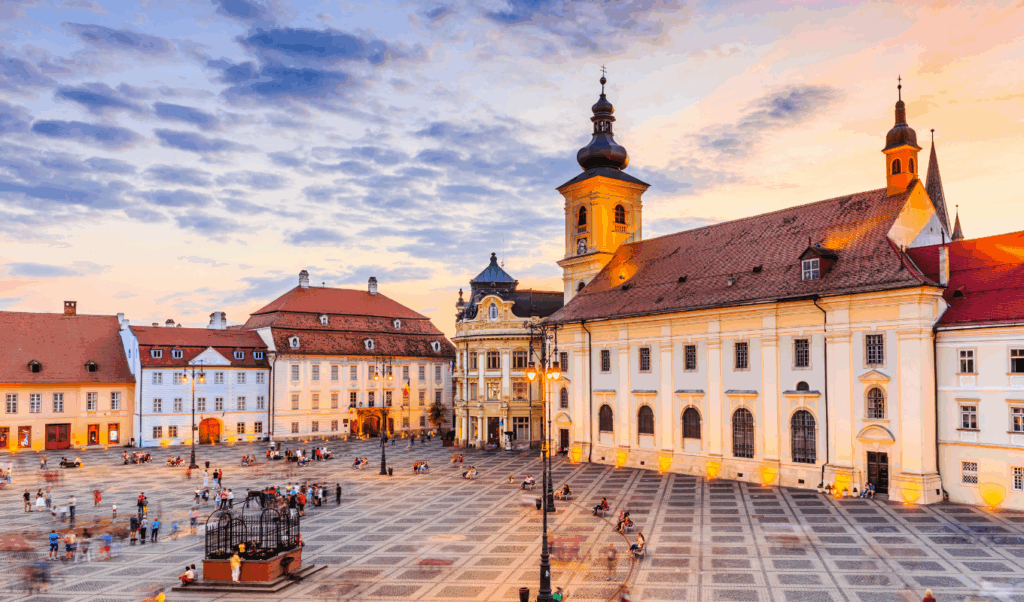
Romania keeps the low-cost Eastern Europe theme going. It’s one of Europe’s best August picks if you’re trying to stretch your budget, thanks to low hotel prices, cheap transit, and deep history. Compared with Western Europe, it stays much cheaper while still giving you warm summer weather and city streets packed with history.
August is Romania’s driest month. Expect highs of 82°F to 86°F, lows of 57°F to 61°F, and long daylight hours that make sightseeing and day trips easy to fit in.
Mid-range travelers usually spend around $40 to $55 per day. Prices on the ground stay friendly:
- A three-course meal in Cluj-Napoca costs about $8 to $12
- Train fare from Bucharest to Brașov runs about $11 to $22
- Entry to Bran Castle or Peleș Castle is about $13
Round-trip flights from the U.S. usually cost $700 to $950, though deals from New York/Newark can start near $614. A smart move is to fly into Bucharest (OTP) and then continue to Transylvania by train to keep costs down.
Bucharest works well as a low-cost base for trips into Transylvania. The city has wide boulevards, the Palace of the Parliament, and a lively food scene. Then Transylvania adds even more for the money, with Sibiu, Sighișoara, castles, and low-cost outdoor activities.
August also brings Artmania in Sibiu and Summer Well near Bucharest, which gives the month a little extra pull. Between the low fares, cheap rail travel, and strong summer weather, Romania stands out as one of the best-value stops on this list.
6. Colombia (Medellín and Cartagena)
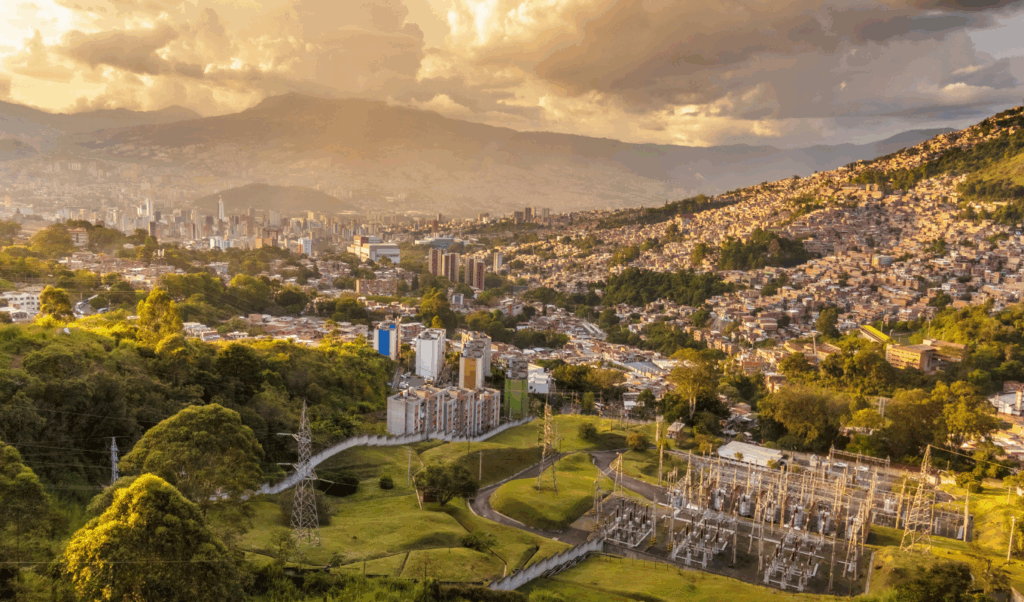
Round-trip flights from the U.S. often land in the $250 to $400 range in August. One simple way to cut costs: fly into Bogotá first, then connect to Medellín or Cartagena. Domestic flights on budget airlines like Wingo and JetSMART can fall to just $24 to $42 one-way.
Medellín is usually the cheaper pick, and August lines up with the city’s second dry season. Daytime temperatures tend to stay around 79°F to 82°F, with lows near 63°F. Early August also brings the Feria de las Flores, which gives the city an extra buzz.
Cartagena is pricier than Medellín, but August rain helps bring hotel and restaurant rates down by 15% to 25% compared with the December–January peak. It’s also much hotter and stickier. Expect tropical temperatures around 88°F and humidity between 80% and 85%, which means morning outings or plans after 4:00 PM are usually the smart move.
The menú del día is one of the easiest ways to keep lunch cheap in both cities. In Medellín, staying in Laureles or Envigado instead of El Poblado can lower lodging costs by 25% to 40%. In Cartagena, Getsemaní often gives travelers better value than the Walled City.
U.S. citizens can stay for up to 90 days without a visa, but the free Check-Mig form is still required before arrival.
For another August bargain, the itinerary shifts next to Europe’s Adriatic coast.
7. Albania’s Riviera (Sarandë and Ksamil)
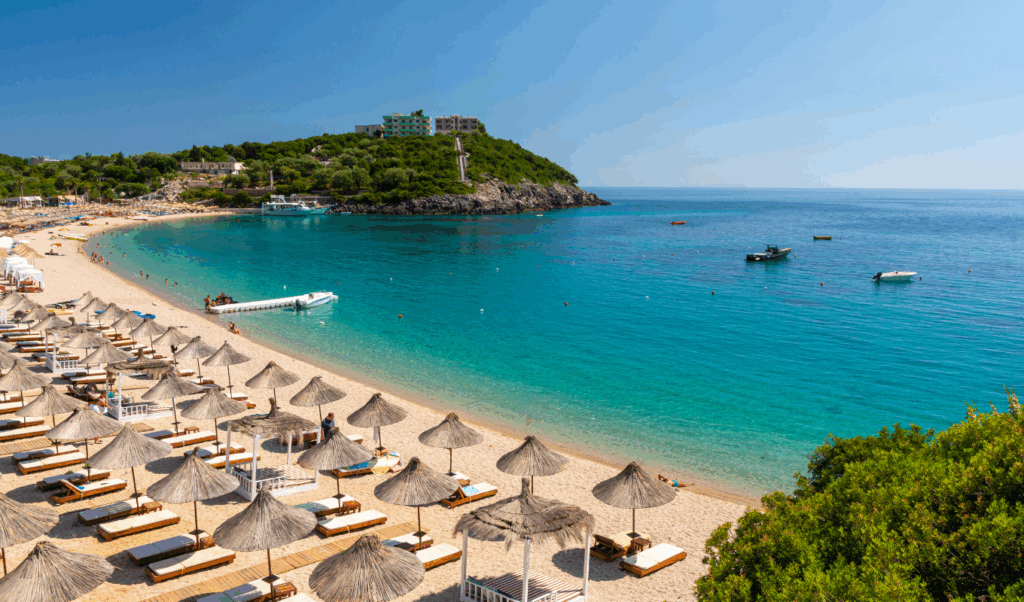
Albania’s Riviera is one of Europe’s best-value beach spots in August, even with peak-season crowds. Round-trip flights from the U.S. to Tirana (TIA) usually cost $600 to $850 in August.
A cheaper move is to fly into Corfu, Greece, and then take the ferry to Sarandë. That route also helps you skip the five- to six-hour bus ride from Tirana.
August is hot, sunny, and built for beach days. Daytime highs sit around 86°F, and the sea stays near 75°F. If you’re after postcard-style water, Ksamil is the big draw. It’s just south of Sarandë and gets the heaviest crowds thanks to its turquoise water and little offshore islets.
Sarandë tends to work better if you want more than just beach time. It’s a better pick for nightlife, getting around, and lower hotel rates.
Even in August, Albania is still much cheaper than many top Mediterranean beach destinations.
Book accommodations 3 to 4 months ahead. Ksamil and Sarandë fill up fast in August.
Next, the article compares all seven destinations side by side.

How to Find Cheap Flights in August
Once you’ve picked one of the destinations above, timing your fare search becomes the biggest factor in what you’ll pay. August is still an expensive month to fly, but the timing can make a big difference. Domestic roundtrip fares are averaging $510 in summer 2026, up about 18% year over year, while international roundtrips are averaging around $1,299.
The best stretch to watch is the last two weeks of August, especially August 17–31. That’s when fares often fall 20% to 40% as schools reopen and demand starts to cool off. For international trips, it helps to track prices 4 to 10 months ahead. For domestic trips, the sweet spot is usually 3 to 5 months out.
The day you leave matters too. It’s not just about where you go. Tuesdays and Wednesdays are often 15% to 25% cheaper than weekend departures, while Sundays tend to cost the most, at about 16% more than midweek flights. If you combine a late-August trip with a midweek departure, you can often lower the price without changing your destination.
A few airport swaps can help as well:
- Flying into secondary airports like Fort Lauderdale, Baltimore, or Midway can trim fares by $100 to $150.
- For Europe, routing through Milan instead of Rome or Brussels instead of Amsterdam can cut the fare by a few hundred dollars.
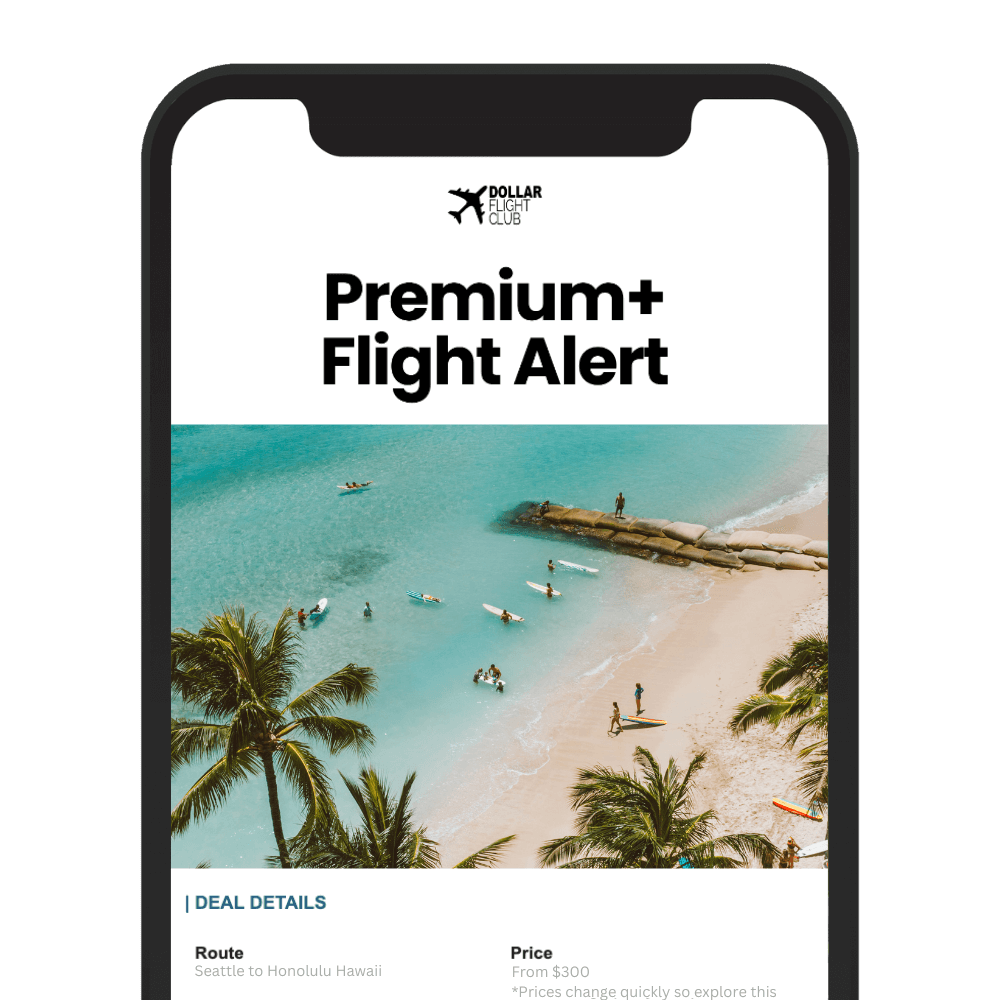
Flight prices can shift several times in a single day, so cheap fares don’t stick around for long. Dollar Flight Club sends email and SMS alerts for discounted domestic and international fares, including deals up to 90% off. Set alerts early so you have a shot at booking the drop before the best fares are gone.

Conclusion
These seven destinations point to one simple idea: August savings come from pairing the right place with the right timing.
Late-August departures often bring the best deals, since airfare and hotel prices tend to soften around that time.
Weather plays a part too. Dry-season and shoulder-season spots can make August trips easier to enjoy without adding extra expense.
If you’re tracking prices, fare alerts can be the difference between a solid deal and one that slips away. Set alerts through Dollar Flight Club early so it’s easier to catch the lowest August fares before prices climb again.
FAQs
Which destination is cheapest in August?
For travelers focused only on cost, Bolivia is the cheapest destination overall in August, with an estimated daily budget of $25 to $40.
Is late August better than early August?
Yes. Late August is usually a better pick for budget-minded travelers than early August. Once families start heading home for the school year, crowds ease up, and flight and hotel prices often come down.
In many cases, airfare during the final two weeks can be 20%–40% cheaper than in the first half of the month, and the weather is still good for summer travel.
Which places offer the best beach value?
Mexico and Puerto Rico offer the best beach value in August, thanks to lower costs and easy flight access. Cancún stands out as a budget-friendly pick, while San Juan adds extra convenience for U.S. travelers.
Outside North America, Albania and Portugal deliver strong beach value in Europe. In the U.S., Fort Lauderdale remains a solid lower-cost choice. In the Caribbean, Aruba and Curaçao are safer bets in August because they face less storm risk.