
Most people overpay because they book the first fare they see. I’d sum up the fix like this: track prices early, book in the right window, compare more than one source, check nearby dates and airports, and look at total cost – not just the base fare.
Here’s the short version:
- I can save $100 to $300+ per ticket by not booking on the first search
- Comparing at least two sources can cut cost by 12% to 22%
- A one-day date shift can change price by 20% to 40%
- Nearby airports can save about $75 to $150
- Budget tickets can end up costing more after bag and seat fees
A few fast takeaways:
- Too early is not always cheaper
- Tuesday is not a magic booking day
- Price alerts help me catch short fare drops
- Total trip cost matters more than the first number on the screen
| What to check | What I look for |
|---|---|
| Booking timing | Best booking window by trip type |
| Search scope | Nearby airports and flexible dates |
| Price comparison | Airline site vs. OTA |
| Total cost | Bags, seats, and other fees |
| Deal tracking | Fare alerts for short-lived drops |
If I follow those five checks each time I book, I give myself a much better shot at paying less.

Mistake #1: Booking at the wrong time
Timing has a huge effect on airfare. And one of the most common slip-ups is booking too early.
Booking too early instead of in the right window
A lot of travelers assume earlier always means cheaper. It doesn’t. If you book too far ahead, airlines may not have released their lower-priced seats yet. So the fare you see six or more months before departure can be the higher published price.
That gap can be big. A domestic flight booked 6 months early at $480 can drop to $230 around 2 months before the trip.
Use these booking windows as a starting point:
| Destination | Best Booking Window |
|---|---|
| U.S. domestic | 1–2 months out (avg. cheapest: 43 days) |
| Europe | 2–3 months out |
| Mexico and the Caribbean | 3–5 months out |
| Asia and Oceania | 5–7 months out |
| Holiday travel | Book by Oct. 31 |
The myth that Tuesday is always the cheapest day to book
You’ve probably heard this one before: book on Tuesday and save money. Nice idea, but it doesn’t hold up. Airfares shift all the time, and no single weekday keeps coming out on top.
A better move? Pick a target price and book when the fare hits it.
Skipping price tracking
If you’re not using fare alerts to track prices, you’re flying blind. You don’t know whether the current fare is high, low, or just average.
Start tracking:
- Domestic routes 3 to 4 months out
- International routes 6 to 8 months out
Then book when the price reaches your target.
Timing is only part of finding cheap flights; the next mistake happens when people search too narrowly.

Mistake #2: Searching too narrowly
Searching just one airport or one date can hide cheaper flights. That’s how people miss lower fares from nearby airports or better prices a day or two earlier.
Searching only one airport for departure and arrival
If you can drive to more than one airport, check all of them before you book. It sounds like extra work, but it can save money.
At the same time, don’t look at airfare in isolation. A lower ticket price can end up costing more once you factor in parking, gas, tolls, or a rideshare to the airport.
Booking the first price without checking nearby dates and total fees
A one-day change can shift the price by 20% to 40%. On a $400 roundtrip ticket, that’s $80 to $160 saved.
And base fare doesn’t tell the whole story. A ticket that starts at $150 can end up costing more than a $220 fare after bag fees and seat selection are added.
| Fee Type | Budget Airline Cost | Full-Service Airline Cost |
|---|---|---|
| Base Fare | $150 | $220 |
| Carry-on Bag | $60 | Included |
| Seat Selection | $20 | Included |
| Total Cost | $230 | $220 |
That’s why it helps to compare the total trip cost, not just the number you first see on the screen.
Use the best flight search engines with a flexible-date view to scan a full week of fares, then book the option with the lowest total cost.
Once you widen your search, the next step is spotting short-lived fare drops before they vanish. Learning how to use Google Flights is the most effective way to monitor these price changes in real time.

Mistake #3: Missing short-lived fare drops
You can get the timing right and still pay too much.
Here’s why: if you only search when you’re ready to book, you can miss short fare drops that come and go fast. And those short windows matter. A missed flash sale can cost hundreds more on the same route.
Not using fare alerts and flash sale monitoring
Manual searches often miss brief price drops. That’s the problem.
Instead of checking fares over and over, set fare alerts so the deal comes to you. It’s a simple shift, but it saves time and helps you act when prices dip.
How Dollar Flight Club helps travelers catch discounted fares
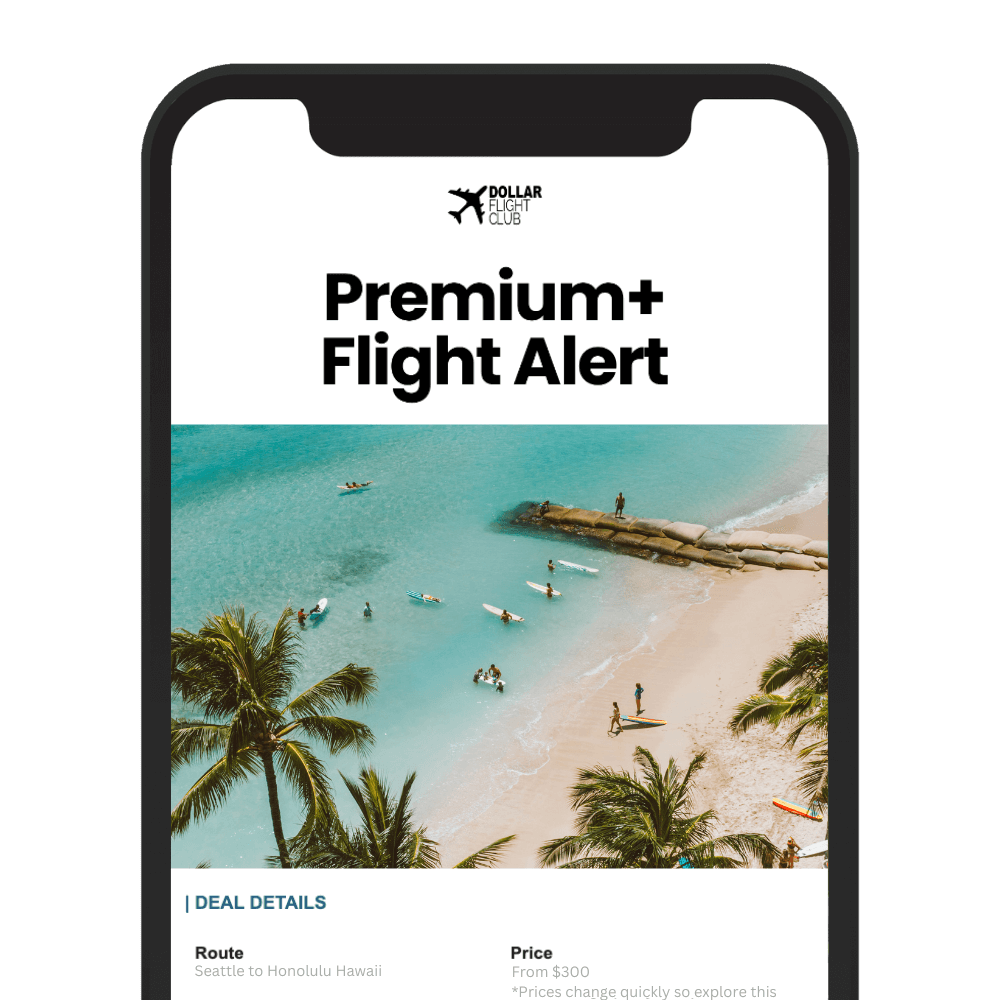
Dollar Flight Club sends email and SMS alerts for discounted domestic and international flights, including deals up to 90% off.
That means you don’t have to sit there refreshing search results and hoping to get lucky. The system watches for deals for you, which turns price tracking from a chore into something you can just set and let run in the background.

Conclusion: How to consistently book lower fares
The biggest mistake is simple: treating the first fare you see as the final price. Flight prices move all the time, so that first result is often not the lowest one.
The good news is that avoiding overpaying doesn’t take hours. It takes a small routine you can use every time you search. These five checks help cut out the most common ways people spend more than they need to.
A five-step booking routine to avoid overpaying
- Start tracking early. Watch fares 3–4 months out for domestic trips and 6–8 months out for international travel. Starting early gives you a better shot at spotting the low point before prices climb again.
- Book in the right window, not just as early as possible. The old Tuesday booking myth isn’t the thing to focus on. Watch the fare itself, not the day on the calendar.
- Check nearby airports. Flying out of or into a secondary airport can cut your fare by $75–$150.
- Check the full trip cost before you buy. Bags and seat selection can change the total fast, so look at the all-in price before you hit purchase.
- Use fare alerts. Some price drops don’t last long. Alerts help those deals reach you before they’re gone. Dollar Flight Club sends email and SMS alerts for discounted domestic and international flights, including deals up to 90% off, so you don’t miss a fare drop.
Track, compare, time, and alert. Put these five steps together, and paying too much for flights gets a lot easier to avoid.
FAQs
How do I know when a fare is low enough to book?
Use price tracking tools instead of guessing. Set fare alerts for your route with services like Dollar Flight Club so you can spot price drops and see whether a ticket is low, typical, or high.
A simple rule of thumb: book 1–3 months before a domestic flight and 2–8 months before an international flight. If the fare falls in that window and is marked low, book it.
Are nearby airports still worth it after extra travel costs?
Often, yes. Secondary airports can cut hundreds of dollars off your airfare. But the ticket price is only part of the story. You need to compare the total trip cost, including ground transportation, parking, and gas.
A simple rule of thumb: look at a nearby airport if you still save $50–$75 per person after those extra costs. It also helps to factor in the extra travel time. That said, smaller airports can make up for some of that hassle with shorter security lines and fewer delays.
What fees should I check before booking a budget fare?
Check the total trip cost, not just the base fare. A low fare can look great at first, then get a lot less fun once the add-ons show up.
Pay close attention to fees for:
- carry-on and checked bags
- seat selection
- airport check-in or boarding pass printing
It also helps to review the change and cancellation rules. Basic economy fares often come with strict, expensive limits, and those rules can catch people off guard.
If you know you’ll need extras, adding them during booking may cost less than paying airport rates.