
Planning group flights can be tricky, but with the right strategies, it gets much easier. Here’s a quick summary of the key steps to save money and reduce stress:
- Know the Rules: Most airlines require at least 10 passengers for group discounts, which can include reduced fares or free tickets.
- Book Early: Aim for 3–6 months in advance to lock in lower prices and better seat options.
- Contact Airlines Directly: Skip online booking tools and negotiate with airline group departments for exclusive deals.
- Stay Flexible: Adjusting travel dates or flying mid-week can reduce costs by up to 20%.
- Consider Nearby Airports: Smaller airports can save 10–30% on fares.
- Compare Rates: Sometimes individual refundable tickets are cheaper than group rates.
- Charter Flights: For groups over 70, renting a plane might save money and simplify planning.
- Negotiate Name Changes: Ensure flexibility for last-minute roster adjustments.
- Use Travel Agents: Professionals can handle logistics and secure better deals.
- Plan Smart: Use tools like Google Flights to monitor prices and compare options.
Group bookings often include perks like free tickets, priority boarding, and flexible payment plans. By booking early, staying flexible, and comparing all options, you can save money and make the process smoother.

1. Know the Minimum Size Requirements for Group Bookings
Before diving into booking flights or comparing prices, it’s key to understand what airlines consider a “group.” For most carriers, a group typically means at least 10 passengers traveling together. Meeting this threshold often unlocks group rates and discounts. While 10 is a common benchmark, some airlines may set different requirements or offer unique perks based on your group size.
Hitting the minimum number of passengers comes with several perks that aren’t available for individual bookings. These can include access to dedicated airline representatives, the ability to reserve seats with a deposit while finalizing passenger names closer to the departure date, and more flexible policies for name changes. Some airlines even sweeten the deal with reduced fees or free tickets – such as offering one complimentary ticket for every 15 or 30 purchased. The option to hold seats with a deposit can make coordinating travel plans much easier.
Each airline has its own rules for group bookings. Beyond the group size, these rules might include different deadlines for booking, payment schedules, cancellation terms, and discount structures. Larger groups, such as those with 50 passengers or more, often have better leverage to negotiate lower fares, flexible terms, or added perks. These conditions set the groundwork for the benefits that group bookings provide.
To get started, confirm the specific requirements for group bookings with each airline you’re considering. Reach out directly to their group booking departments, as these rates are rarely available through standard online booking platforms. When contacting airlines, be prepared with key details like the number of travelers, departure and arrival cities, preferred travel dates, and class of service. At this stage, most airlines won’t require passenger names to provide a quote.
While group bookings can offer great advantages, they may also come with some limitations – such as non-refundable deposits, minimum stay requirements, or strict deadlines for booking. It’s always a good idea to compare the total cost of group rates against individual ticket prices to ensure you’re getting true savings. Even if your group is smaller than 10, reaching out directly to airlines or working with specialized travel agents can sometimes yield favorable terms.
Understanding these group booking basics helps set the stage for smoother travel planning.

2. Book 3 to 6 Months in Advance
Planning ahead – specifically 3 to 6 months before your trip – can help you snag lower fares, secure better seat options, and make coordinating for groups much smoother.
Here’s why: Airlines release tickets in stages, and the first batch usually comes with the lowest prices. For instance, initial tickets might start at $100, but as seats sell out, prices can jump to $120, then $140, and so on. Booking early ensures you lock in these lower rates before prices climb closer to the departure date. This applies regardless of whether you’re traveling during peak seasons or quieter times.
If you’re organizing for a group, early booking is even more critical. It gives you time to confirm who’s attending, gather everyone’s details, and handle special requests like meal preferences or mobility assistance. Starting early – ideally in that 3-to-6-month window – helps you finalize plans without the stress of last-minute scrambling.
For larger groups (10 or more people), early booking is practically a necessity. Airlines have limited inventory for group reservations, and if you don’t meet the minimum passenger requirement by their deadline, your reservation could be canceled, and you might lose your deposit.
Another advantage of early planning? You can set up price alerts on platforms like Google Flights, Skyscanner, and Kayak. These tools track fare changes, so you can jump on deals as they appear.
Teaming up with airline group specialists or travel agents can also make a big difference. These pros often have the connections and know-how to negotiate competitive rates and tailor itineraries before peak travel periods limit your options.
Finally, early booking gives you time to explore alternatives. Compare prices across airlines, check nearby airports for better deals, or even consider mixing carriers for different legs of your trip. Don’t forget to crunch the numbers on individual tickets versus group rates – sometimes the “discount” comes as waived fees or complimentary tickets rather than a lower cost per person.
Up next, we’ll dive into how reaching out to airlines directly can help you save even more on your group booking.

3. Contact Airlines Directly for Group Rates
Skip the usual online booking systems and get in touch with the airline’s group booking department for exclusive deals, added perks, and more flexible options.
Airlines often require a minimum number of passengers to qualify for group benefits. Hitting this number can unlock advantages like complimentary tickets or waived fees, in addition to discounted fares.
To prepare, use tools like Google Flights to check baseline ticket prices. This gives you a solid starting point for negotiating when you speak with the airline’s group booking specialists.
Many airlines offer dedicated group booking lines with extended service hours. The representatives on these lines can guide you through the process and explain group-specific perks. For example, some airlines might grant one free ticket for every 15 to 30 tickets purchased, along with reduced fees.
By speaking directly with the airline, you might also gain access to benefits like installment payment plans, priority seating, flexible name changes (sometimes one free change per ticket), and higher baggage allowances.
Always ask for a formal quote and compare it to individual ticket prices. Group rates don’t always guarantee cheaper base fares, but the real value often lies in the added perks and reduced fees.
Don’t hesitate to negotiate for extras, like organizer benefits or more flexible payment terms. While this approach takes a bit more effort than booking online, the additional perks and flexibility can make it well worth your time.
Next, learn how adjusting your travel dates can help your group save even more.

4. Stay Flexible with Travel Dates
Being flexible with your travel dates can make a big difference when it comes to cutting group flight costs. Airlines adjust ticket prices based on demand, so even shifting your trip by a few days can lead to lower prices and more seating options. This strategy not only saves money but also increases your chances of snagging seats in the lower-priced fare categories.
Research suggests the best time to book group flights is between 115 and 21 days before departure. This window strikes a balance between pricing and availability, giving you access to cheaper fare buckets before they sell out. Airlines organize economy seats into “buckets”, which are small groups of seats sold at a specific price. Flexibility allows you to target these lower-cost buckets before they’re gone.
If possible, aim for midweek travel. Tuesdays are often the cheapest days to fly, while Sundays tend to be the most expensive. Choosing a Tuesday departure can help you stretch your budget further. Timing also matters when planning trips during busy seasons. For example, summer travel is best booked about 99 days in advance, with late August or early September offering lower demand and better deals. For fall trips, booking around 69 days ahead works well, but try to avoid dates close to Thanksgiving.
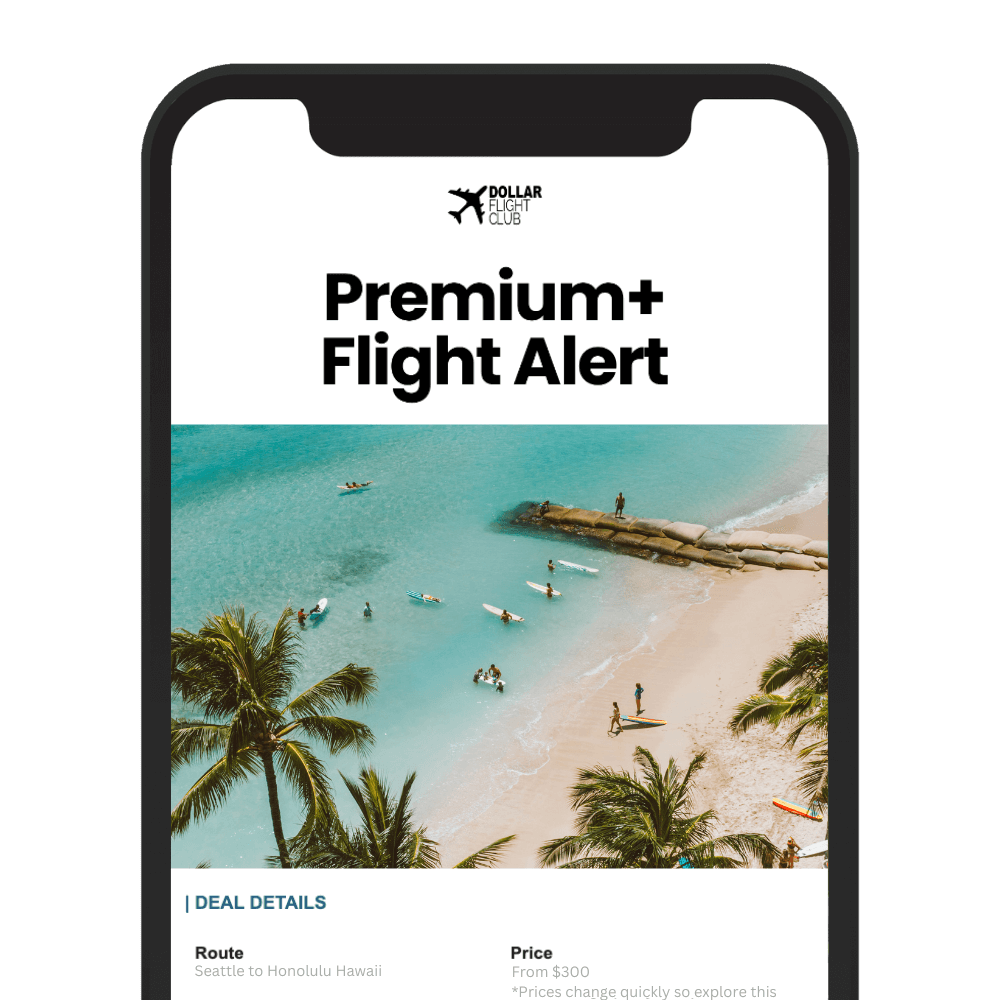
When requesting group quotes from airlines, ask for pricing across multiple date options. Group booking representatives can often guide you toward the lowest-priced travel dates for your route. If your group has some flexibility, consider using flight deal alert services. For instance, Dollar Flight Club sends email and SMS alerts for discounted flights, with deals as high as 90% off. Recent examples include 73% off flights from San Francisco to Hawaii and 64% off from Boston to Amsterdam.
Keeping an open date range when negotiating with airlines can help you land the best discounts. For example, swapping a Sunday departure for a Tuesday or shifting a trip from early to late August could result in significant savings.
Up next, explore how selecting midweek departures and off-peak travel times can further trim your group’s travel expenses.

5. Choose Mid-Week Departures and Off-Peak Travel Times
The timing of your group’s flight can make a big difference in both cost and convenience. Flying mid-week – especially on Tuesdays, Wednesdays, or Thursdays – often means cheaper fares. In fact, weekend flights, particularly on Sundays, can cost 20–30% more because of high demand from both leisure and business travelers. Mondays and Fridays also tend to be pricey due to corporate travel. By shifting your departure from a Friday to a Tuesday or a Sunday to a Wednesday, you can save a significant amount without drastically altering your plans.
Traveling during off-peak periods is another way to cut costs. With flexible dates, group bookings can save anywhere from 10–20% or more depending on the destination and group size. Seasonal trends are key here: late August and September often offer better deals, as most Americans travel during the peak summer months of June through early August. Fall is another great time for discounts, though it’s best to avoid the Thanksgiving rush when prices skyrocket. Winter, outside of major holidays, is also a good time to find lower fares, especially for trips to warmer destinations.
Another advantage of mid-week and off-peak travel is improved seat availability. With less demand, airlines are more likely to have lower-priced seats open, giving your group better options and helping you lock in savings before prices climb.
Traveling during these quieter times also makes the entire experience smoother. Airports tend to be less crowded mid-week, which means shorter lines at check-in and security, faster boarding, and fewer delays. Airlines may also be more accommodating, offering better seat arrangements and flexibility for group bookings, making it easier to keep everyone together.
When negotiating group rates with airlines, highlight your flexibility with travel dates. This could help you secure not only lower fares but also added perks like reduced change fees or complimentary seat assignments.
To stay ahead, use price tracking tools and set up alerts to monitor fares throughout the week. These tools can notify you when mid-week prices drop, so you can book at just the right time. For even more value, consider traveling during shoulder seasons – the times just before or after peak travel periods. These seasons often offer pleasant weather, fewer crowds, and lower prices, making them an ideal choice for group travel.
Up next: Learn how choosing alternative airports can help you save even more on your group trip.

6. Look at Alternative Airports
If you’re already booking early and keeping your travel dates flexible, here’s another tip to stretch your budget: check out alternative airports. For group flights, secondary or regional airports can often save you anywhere from 10% to 30% on fares. Why? These smaller airports usually have lower operational costs and landing fees, and airlines often pass those savings directly to passengers.
For example, choosing an airport 30–50 miles from your destination could save $150 per person. Multiply that by a group of 10 travelers, and you’re looking at $1,500 in savings – or $3,000 for a group of 20.
Major cities like New York, Los Angeles, Chicago, and Washington D.C. offer multiple airport options worth exploring. In New York, you have JFK, LaGuardia, and Newark. Los Angeles offers LAX, Long Beach, and Ontario. Chicago has O’Hare and Midway, while Washington D.C. is served by Reagan National, Dulles, and BWI. Prices can vary significantly between these airports for the same travel dates, so it’s worth comparing.
Use tools like Google Flights to explore prices across nearby airports. Don’t forget to factor in ground transportation costs when calculating your total travel expenses. For instance, an extra $15–$25 per person for shuttles, rental cars, or public transit could cancel out your airfare savings, especially for larger groups. A simple spreadsheet comparing airfare and transportation costs for each airport can help you make the best decision.
Beyond the cost savings, flying through alternative airports often comes with other perks. Smaller airports tend to be less crowded, which means shorter lines at check-in and security, fewer delays, and better on-time performance. For group travel, this can simplify coordination and make the trip less stressful. Plus, secondary airports often have better seat availability, making it easier for your group to sit together.
Timing is everything. Start researching alternative airports 115–202 days before your trip. This gives you plenty of time to contact airlines for group rates and monitor price changes. Booking early not only helps you snag the best fares but also positions you to negotiate effectively.
Once you’ve decided on an alternative airport, organize group transportation, like a charter bus or van, about 2–3 weeks before departure. Share the pickup and drop-off details with everyone in your group to keep things running smoothly.
To stay on top of deals from multiple airports, consider using Dollar Flight Club alerts. This tool can help you spot opportunities you might otherwise overlook and makes comparing prices from different departure points a breeze.
When weighing your options, think about the group’s priorities. Business travelers might prefer the convenience of a major hub, while student or leisure groups may be more willing to trade a bit of extra travel time for lower costs. Present your group with a breakdown of costs and travel times for each option so everyone can make an informed choice.
Alternative airports can be especially useful during peak travel seasons like summer vacations, holidays, or other high-demand times. With lower base fares and better availability, secondary airports can be a smart way to save money and reduce stress during busy travel periods.
Next, we’ll dive into why comparing group rates with individual refundable fares might give you more flexibility – and better pricing – than you’d expect.

7. Compare Group Rates with Individual Refundable Fares
Many people organizing group trips assume that group rates are always the cheapest option, but that’s not necessarily the case. In some situations, booking individual refundable tickets can be more cost-effective and offer greater flexibility.
Here’s why: when booking as a group, airlines often bump some passengers into higher fare classes if there aren’t enough low-cost seats available for everyone. This can lead to a higher per-person cost compared to snagging individual tickets during a promotion or during off-peak travel times. While group rates may include perks, such as waived baggage fees, these benefits might not apply to everyone in the group if availability is limited.
To compare effectively, start by finding the baseline price for a single ticket. Tools like Google Flights can help you check prices for your travel dates. Then, request a formal quote from the airline’s group department. This quote will give you the per-person cost and outline any included benefits. Multiply the baseline fare by your group size, add any extra fees, and compare that total to the group rate.
Individual refundable fares come with a range of perks, including the ability to change names, travel dates, and seat selections. They may also allow frequent flyer upgrades. On the other hand, group bookings typically involve block seating with limited customization, and airlines may adjust pre-arranged seating without notice. If someone in your group needs to cancel, individual refundable fares often allow full refunds (depending on the fare type). In contrast, group bookings may involve hefty cancellation penalties or even loss of deposits.
Timing plays a key role in finding the best deal. The sweet spot for booking individual fares is usually between 115 and 21 days before your trip. For summer travel, aim for around 99 days in advance; for fall trips, 69 days is often ideal. Group bookings, however, can be made much earlier – up to 240 days before departure. While locking in group rates early can shield you from potential price hikes, individual refundable fares booked within the optimal window might still save you more.
| Booking Method | Cost Predictability | Flexibility | Best For |
|---|---|---|---|
| Group Rates | Negotiated in advance | Limited by group agreement | Large groups with fixed plans |
| Individual Refundable Fares | Varies by timing | High; changes and cancellations easy | Flexible travelers or uncertain schedules |
Individual refundable fares are particularly useful for smaller groups (fewer than 10 passengers, as this may disqualify you from group rates). They’re also great during promotional periods, when specific seat assignments are needed, or if your group is flexible with travel dates and can book within the optimal window.
For some groups, a hybrid approach might strike the right balance. Members with flexible schedules can book individual refundable fares to take advantage of lower prices, while others secure a group rate. This requires careful planning to ensure everyone arrives and departs together but can help optimize overall costs.
If the process feels overwhelming, consider working with a travel agent. Agents have direct access to group rates and can negotiate with airlines on your behalf. They can also gather multiple quotes and compare these against individual fares. Just remember to account for any fees the agent may charge when calculating your total costs.
The key takeaway? Don’t assume group rates are automatically cheaper. Crunch the numbers, weigh your options, and choose the booking method that best fits your budget and travel needs.
Next, consider charter flights for very large groups.

8. Consider Charter Flights for Large Groups
If you’re managing travel for a group of over 70 people, charter flights might be the perfect solution. Renting an entire plane simplifies scheduling, ensures everyone departs and arrives together, and eliminates the hassle of splitting your group across multiple flights.
For groups this large, chartering can also make financial sense. Instead of dealing with individual seat assignments, you’re paying for the whole aircraft. As your group size increases, the cost per person often becomes competitive with commercial fares, especially during peak travel seasons. For groups of 100 or more, the savings and convenience can be even more pronounced.
Charter flights also offer flexibility that commercial airlines simply can’t match. You can choose departure times that suit your itinerary – whether that means leaving early in the morning, avoiding overnight layovers, or coordinating ground transportation more effectively. This tailored approach makes it easier to manage the logistics of large-scale travel.
Timing is an important consideration. While commercial group bookings are typically best arranged 3–6 months ahead, charter flights usually need a bit more lead time – 4–6 months is ideal. This extra time allows operators to secure the right aircraft, organize crew schedules, and arrange ground services. Once booked, charter flights also tend to offer more flexibility for adjusting departure times compared to commercial options.
| Factor | Commercial Group Booking | Charter Flight |
|---|---|---|
| Ideal Group Size | 10–70 passengers | 70+ passengers |
| Booking Window | 3–6 months in advance | 4–6 months in advance |
| Schedule Control | Fixed airline schedules | Customizable departure times |
| Coordination | May require multiple flights | Everyone travels together |
| Cost Structure | Per-person with group discount | Flat rate for the entire aircraft |
To decide if chartering is worth it, get quotes from multiple operators and compare them to commercial group fares. Keep an eye on what’s included – charter quotes often cover ground handling, catering, and fuel surcharges, while commercial bookings might add these costs separately. If the per-person cost for a charter flight is within 10–15% of commercial group rates, the convenience and streamlined logistics can make it a smart choice.
For groups of 70–100 passengers, narrow-body jets like the Boeing 737 or Airbus A320 are commonly used. Larger groups may require bigger aircraft, such as widebody planes, which can help lower the per-seat cost further.
When finalizing a charter contract, make sure to review cancellation policies and confirm all details in writing. Many operators allow for a small variance in passenger numbers (typically 5–10%) without penalties, but it’s essential to clarify these terms upfront.
For smaller groups – those under 70 passengers – commercial group bookings tend to be more cost-effective. But once you hit that 70+ threshold, the benefits of chartering – custom schedules, simplified logistics, and a more personalized travel experience – can make it a highly attractive option for large group travel.

9. Negotiate Flexible Name Change Policies
Group travel plans are rarely set in stone. Unexpected situations – like illness, emergencies, or work conflicts – can force changes to your roster. That’s why negotiating flexible name change policies upfront is so important. Without them, you risk losing hundreds or even thousands of dollars on unused tickets.
Fortunately, group bookings often come with more leeway compared to individual tickets. For instance, many airlines let you reserve seats with just a deposit and require passenger names 30–45 days before departure. This buffer gives you time to finalize your group lineup. But here’s the catch: you need to hammer out the details of these policies before you commit to the booking.
Ask the Right Questions
When working with an airline’s group booking department, make sure to dig into the specifics of their name change policies. Here are some key questions to ask:
- Are name changes free, or is there a fee? Some airlines charge $25–$100 per change, while others allow unlimited free substitutions before the final name submission deadline.
- How many name changes are allowed per booking?
- What’s the cutoff date for making changes? Can you swap passengers up until departure, or is there a hard deadline?
- If someone cancels entirely, can you replace them with another traveler without extra costs?
It’s also essential to understand how the airline handles minor corrections (like fixing a spelling error) versus substitutions (replacing one traveler with another). Minor corrections are often free, but substitutions might come with fees after the final passenger list is submitted.
Get Everything in Writing
Once you’ve negotiated favorable terms, ask for written confirmation. Your group booking contract should clearly outline:
- The number of free name changes allowed
- The deadline for submitting final passenger names
- What happens if changes are needed after the deadline
- How to request changes – whether by email, phone, or an online portal
Having these details in writing protects you from misunderstandings or disputes later on.
Compare Policies Across Airlines
Not all airlines are equally accommodating. When comparing group rates, don’t just focus on ticket prices – dig into their name change policies, too. For example, an airline with slightly higher fares but free name changes up until departure might save you more money in the long run than a cheaper option with strict rules and hefty fees.
Some airlines may also sweeten the deal with perks like priority seating or reduced fees. These extras can add value, especially if your group needs flexibility[5].
Plan for the Unexpected
Even with the best policies in place, last-minute changes can happen. To prepare, consider these steps:
- Collect deposits early to secure commitments and offset potential dropouts.
- Keep a waitlist of alternate travelers who can step in if needed.
- Set a clear group cancellation policy, so everyone understands what happens to their deposit if they back out.
For international trips, some airlines require passenger names 60 days in advance due to customs and immigration rules. To avoid scrambling, set your own internal deadline 10–14 days before the airline’s cutoff. This gives you extra time to handle missing documents or make any necessary corrections.

10. Work with a Travel Agent or Group Booking Specialist
If managing group travel feels overwhelming, teaming up with a travel agent or group booking specialist can take a lot off your plate. These experts handle the nitty-gritty details – schedules, rates, and passenger logistics – so you don’t have to. They’re also pros at negotiating deals and fixing issues when things go sideways.
Why Choose a Travel Agent for Group Bookings?
Travel agents have direct connections with airline group travel departments, which are designed specifically to handle large bookings. These departments aren’t accessible through regular online booking sites, but travel agents know exactly who to call to secure favorable rates.
On top of that, they can often negotiate added perks – like free seat upgrades or reduced baggage fees – that can make their service fee worthwhile. The trick is to calculate whether the agent’s fee, combined with the group rate they secure, is cheaper than booking flights individually.
What Do Travel Agents Actually Do?
Travel agents don’t just book flights; they do the legwork of comparing airlines, routes, and group discounts to find the best deals[5]. They’re also in tune with the best booking windows for different times of the year, so you’re not stuck paying peak-season prices.
Beyond booking, they handle all the admin work: collecting passenger details, managing preferences, making name changes, and ensuring everyone has the right documentation for travel. This is especially critical for international trips, where visa and customs regulations can get tricky.
When Things Go Wrong
The real value of a travel agent shines when flights are delayed, canceled, or missed. Instead of spending hours on hold with the airline or trying to decipher rebooking policies, your agent takes care of it all. They’ll handle rebooking and troubleshooting, ensuring your group’s trip stays on track with minimal stress.
How to Find the Right Travel Agent
If your organization already works with a travel agency or has an in-house planner, start there. Many universities and companies have existing partnerships that can save you time and effort. If not, look for agents experienced in group travel and familiar with airline partnerships.
Keep in mind that different types of group travel require different expertise. For example, a corporate retreat will have different needs than a family reunion. Make sure your agent understands your group’s specific requirements.
Travel Management Companies for Frequent Group Trips
For organizations that plan group travel regularly, a Travel Management Company (TMC) might be a better fit. TMCs don’t just book trips – they analyze travel patterns, negotiate rates for frequently visited destinations, and work with airlines and hotels to secure discounts tailored to your needs.
Planning Ahead
Get in touch with a travel agent as early as possible – group bookings can often be arranged up to 240 days in advance. Early planning gives agents the time they need to research options and negotiate deals.
Before meeting with your agent, gather key details like the number of travelers, departure and arrival cities, preferred dates, budget, and any flexibility in your plans. The more prepared you are, the faster and more effectively they can work. Make sure you have passenger names spelled correctly, know whether the group needs to travel together or can split across flights, and note any frequent flyer preferences.
Comparison Table
Airlines approach group bookings differently. Some focus on offering discounts, while others provide perks like free tickets or flexible terms that can help your group save money. Knowing these variations can help you choose the airline that aligns best with your group’s size, budget, and travel plans.
Here’s a breakdown of group booking policies among major U.S. airlines. (Details on minimum group size are covered in Section 1.) Instead of simply discounting each ticket, airlines may offer benefits like one complimentary ticket for every 15 or 30 purchased, reduced fees, or more adaptable booking options.
| Airline Feature | Typical Requirements | Common Benefits | Booking Flexibility |
|---|---|---|---|
| Minimum Group Size | 10+ passengers traveling together | Dedicated group booking support and locked-in pricing | Groups must travel on the same flight |
| Discount Structure | Varies by route, season, and group size | Around 10% off fares or one free ticket per 15–30 paid[2,9] | Negotiated with airline group specialists |
| Advance Booking Window | 3–6 months recommended | Best rates available when flights first go on sale | Reservations allowed up to 240 days ahead |
| Payment Terms | Deposit required upfront | Seats reserved with deposit; passenger names due 30–45 days before departure | Flexible payment plans often offered[5] |
| Name Change Policies | Varies by airline | Some allow changes up to 30–45 days before departure | Must be arranged during initial booking |
| Additional Perks | Depends on group size and route | Priority seating, relaxed baggage rules, reduced fees[5] | Complimentary seat reservations for groups |
This table gives you a snapshot of the key factors that can shape your group booking decisions.
Use this information as a foundation to compare your options. These details tie into earlier advice on timing, negotiation, and flexibility. Before finalizing any booking, weigh total costs against individual fares. For instance, a $300 individual ticket versus a $290 group rate only saves $10 per person, but free tickets for larger groups can lead to much greater savings.
Keep in mind that airlines often divide economy seats into pricing tiers, with 10–15 tickets in each tier. Early bookings lock in the lowest prices – $100 for the first group might jump to $120 for the next.
When evaluating airlines, pay close attention to flexibility. Look at cancellation policies, change fees, and deadlines for submitting passenger details. Some airlines have more lenient policies, which can be a lifesaver when coordinating large groups.
For the best results, reach out to airline group booking departments directly. Have your group size, travel dates, and route information ready to get accurate and personalized quotes.
Conclusion
Booking group flights doesn’t have to be complicated if you plan ahead and follow a few smart strategies. Reserving flights 3 to 6 months before your trip is a great way to lock in better prices and secure seats before the more affordable options sell out.
Flexibility is another key to saving money. Shifting your travel date from a Sunday to a Tuesday, exploring nearby airports, or even splitting your group into smaller bookings can help you save 10% to 20% or more. These small adjustments can go a long way in keeping costs down while ensuring a smooth travel experience.
Teaming up with an airline’s group booking department or a skilled travel agent can also simplify the process. These professionals are familiar with airline policies and often have connections that can lead to better deals, even when factoring in a service fee of around $50 per flight.
Group bookings often come with perks like priority boarding to keep everyone together, free checked baggage to reduce individual costs, flexible payment options, and even complimentary tickets – usually one free seat for every 15 to 30 purchased. These benefits make organizing group travel less stressful and more affordable.
Before committing to a group fare, it’s worth comparing the total cost with what you’d pay for individual refundable tickets. This extra step ensures you’re getting the best value for your money.
Ultimately, successful group flight booking isn’t just about saving on tickets – it’s about creating a hassle-free experience for everyone involved. With early planning, a bit of flexibility, and expert help, you can turn what might seem like a logistical challenge into an efficient and enjoyable process.
For future trips, consider signing up for Dollar Flight Club. You’ll get alerts on discounted flights – sometimes up to 90% off for both domestic and international travel.
FAQs
What are the benefits of contacting airlines directly for group flight bookings instead of using online tools?
Contacting airlines directly for group flight bookings comes with a range of perks that might not be accessible through online platforms. For starters, airlines often offer special group discounts or fares tailored specifically for larger parties. These deals can sometimes be more budget-friendly than what you’d find on booking websites.
Another big plus? You can negotiate terms like flexible payment plans, extended reservation holds, or even seating arrangements to keep your group together. Speaking directly with an airline representative also means you can tackle unique needs – whether that’s syncing schedules for everyone in your group or managing last-minute changes with less hassle. This hands-on approach ensures the booking process feels more seamless and aligned with your group’s needs.
How can flexibility with travel dates and using alternative airports help save money on group flights?
Being open to adjusting your travel dates can make a big difference when it comes to saving money. Airlines tend to lower prices for flights on less popular days, like midweek, or during off-peak times, such as early mornings. These small shifts in scheduling can lead to noticeable savings, especially for group bookings.
Another smart strategy is considering alternative airports. Flying from or into smaller, less crowded airports often comes with lower fees, which can translate to cheaper tickets. Exploring nearby airports for both departure and arrival can help uncover more budget-friendly options for your group.
When might it be better to book individual refundable tickets instead of group fares?
When your travel plans are up in the air or likely to change, booking individual refundable tickets can be a smart move. These tickets give you the freedom to adjust or cancel flights without losing your money – perfect if your group hasn’t nailed down specific dates or destinations yet.
For smaller groups or when everyone has different preferences – whether it’s the airline, flight schedule, or seating – individual tickets can also be a better fit. Unlike group rates, which may come with discounts but often have stricter rules, refundable tickets let you tailor the experience to suit everyone’s needs.