
Booking last-minute flights can save you money if you know where to look and how to adjust your plans. Here’s the key to finding affordable options:
- Flexibility is key: Traveling midweek (Tuesdays or Wednesdays) can save 15%-25%, while red-eye flights or shifting airports might cut costs by 20%-40%.
- Use the right tools: Platforms like Google Flights, Skyscanner, and Hopper help identify deals, predict price trends, and even lock fares.
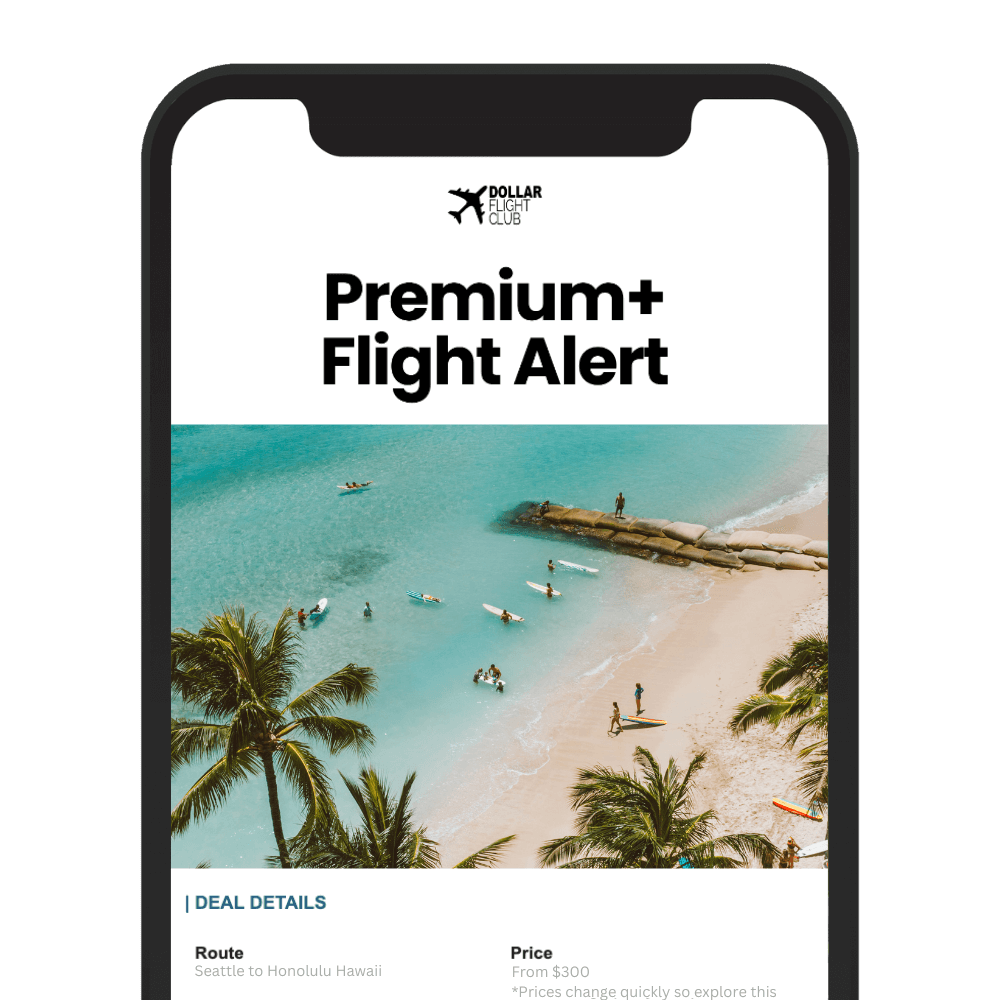
- Leverage alerts: Services like Dollar Flight Club notify you of price drops or mistake fares, which can offer discounts up to 90%.
- Consider budget airlines: Carriers like Spirit, Frontier, and Alaska Airlines often maintain steady or lower last-minute fares.
- Points and miles: Award seat prices may remain stable or even drop as departure approaches.
While last-minute deals aren’t guaranteed, using these strategies increases your chances of finding affordable flights. For domestic travel, booking 1-3 months in advance often provides the best value.

Tools and Apps for Last-Minute Flight Deals
When it comes to snagging last-minute flight deals, digital tools are your best ally. These platforms and apps simplify the process by using real-time data and advanced algorithms to uncover hidden bargains. Below are some of the top flight search engines to help you find those elusive, budget-friendly flights.
Flight Search Engines and Deal Aggregators
Google Flights is a standout option for its speed and precise comparisons. Its Explore Map feature and AI-powered Flight Deals use natural language prompts to suggest spontaneous travel ideas tailored to your preferences. Since 2026, the platform has also included Southwest Airlines in its search results, making it easier to compare budget-friendly options without hopping between multiple websites.
Skyscanner caters to travelers with flexible schedules. Its Everywhere tool identifies the cheapest destinations from your departure city, often including budget carriers like Spirit and Frontier that some other platforms overlook. The whole-month view feature is particularly useful for spotting price trends across different dates, helping you plan around the most affordable options.
Hotwire offers its Hot Rate opaque booking feature, which can deliver discounts ranging from 20% to 40% – though the exact flight details remain hidden until after booking. For more creative savings, KAYAK introduces Hacker Fares, which combine separate one-way tickets into a single, cheaper itinerary.
Flight Deal Alert Services
While search engines are great for active browsing, deal alert services bring the best offers straight to you. Dollar Flight Club excels in this area, sending email and SMS alerts whenever prices drop significantly. Members can enjoy both domestic and international deals, with discounts of up to 90% off standard fares. The service also tracks mistake fares – rare pricing errors posted by airlines that are often corrected within hours.
Pairing alert services with search engines like Google Flights or Skyscanner ensures you’re always ready to pounce on a deal.
Hopper adds another layer of strategy. The app analyzes extensive data to predict whether flight prices will rise or fall. Its Price Freeze feature allows you to lock in a fare for a small fee, and if the price increases, Hopper covers the difference.
To make the most of these tools, enable push notifications on your apps. This is especially crucial for mistake fares, as they’re typically corrected within hours. Instant alerts can mean the difference between scoring an incredible deal and missing out entirely.

Airlines and Routes with Last-Minute Discounts
Once you’ve used digital tools and followed expert tips for finding cheap flights, it’s time to focus on airlines known for offering reduced fares at the last minute.
Regional and Budget Airlines
Budget airlines often keep their last-minute fares relatively stable. This is because they primarily serve leisure travelers rather than business passengers who are willing to pay extra for flexibility. For example, in May 2026, Spirit Airlines had an average last-minute one-way ticket price of $151.53 – 3.1% cheaper than booking in advance. Similarly, Frontier Airlines averaged $160.89, reflecting a 3.6% discount.
Among regional carriers, Alaska Airlines stands out, offering last-minute fares that are, on average, 22.6% lower than advance bookings, with prices around $229.73 for one-way tickets. Southwest Airlines also offers savings, with fares 8.2% lower than their advance rates. However, not all budget airlines follow this trend. JetBlue, for instance, charges a 29.9% premium on last-minute bookings, with an average one-way fare of $310.15.
For international travel, airlines like Norse Atlantic UK, Icelandair, and Air Europa frequently offer competitive last-minute fares on long-haul routes. In South America, budget carriers such as Flybondi, JetSmart, Sky Airline, and GOL are known for maintaining affordable prices even just days before departure.
While domestic budget airlines tend to keep their last-minute fares steady, international routes can offer considerable savings during off-peak seasons, especially when traveling to the cheapest places to fly.
International Routes and Off-Peak Travel Times
The best last-minute deals on international flights are typically found during off-peak seasons, particularly in January and February, when fares drop by an average of 15%. According to KAYAK data, the ideal time to book last-minute international flights is usually 6 days before departure. During these periods, airlines often lower prices to fill empty seats on routes that are usually more expensive.
Certain “dead weeks” throughout the year also offer great opportunities for discounted fares. These include the first week of March, the last week of April, the final two weeks of August, and the period between Thanksgiving and Christmas, all of which see reduced demand and lower prices. Additionally, traveling on holidays like Christmas Day, Thanksgiving, or New Year’s Day can be significantly cheaper compared to the surrounding days. For short-haul routes with frequent flights, such as Las Vegas to Los Angeles, last-minute bookings can be 26.8% cheaper, with average fares around $142.01.

Same-Day and Standby Ticket Options
Last-minute travel can be pricey, but there are ways to snag more affordable fares. Knowing how standby policies work and when same-day changes might save you money can make a big difference.
How Standby Policies Work
Standby tickets let you wait for an open seat on a different flight. These days, many major airlines offer free same-day changes for main cabin tickets. However, if you’re flying on a basic economy ticket, these perks usually aren’t available. That’s why choosing a main cabin fare can often be the better deal.
For example, Alaska Airlines makes award space available within 48 hours on West Coast routes, which can make standby bookings easier if you’re using miles. Southwest Airlines, on the other hand, doesn’t charge change fees, and bookings made with points are refundable.
Same-Day Flight Changes
If you’re looking for last-minute seats, contacting the airline directly is a smart move, though be prepared to pay a fee of $25–$35 in some cases. Opaque booking services can also help you find discounts. Timing is key – red-eye flights leaving after 9 PM are often 20%–40% cheaper, so flexibility can save you money. Another tip? Consider booking two separate one-way tickets on different airlines, also known as hacker fares. This approach can often beat the price of a same-day round-trip ticket on a single carrier.

Using Flexibility to Find Cheaper Last-Minute Flights
When you’re booking close to your departure date, being flexible can save you a lot of money. This approach works well alongside digital tools discussed earlier. Airlines frequently adjust prices throughout the day based on demand, seat availability, and competitors’ pricing. Even small changes to your plans can lead to big savings.
Alternate Airports and Routes
Many major cities have multiple airports within a reasonable driving distance, and ticket prices between them can vary significantly. For example, last-minute flights to New York can differ by over $200 depending on whether you fly into JFK, Newark (EWR), or LaGuardia (LGA). The same holds true for cities like Chicago, where O’Hare and Midway offer different pricing, or Los Angeles, where LAX and Burbank provide alternative options.
Smaller, secondary airports often have better last-minute availability at lower prices. For instance, flying into Girona or Reus instead of Barcelona – or Nuremberg instead of Munich – can save you money while keeping you near your destination. Even if a ground transfer costs $75, it’s worth it if you save over $150 on your ticket.
Another tip is to book separate one-way tickets, even on different airlines or through different airports. This strategy can be 20%–40% cheaper than booking a last-minute round-trip ticket with one carrier. Also, when searching, try looking for just one seat at a time. Airlines often avoid showing lower fare classes when you select multiple seats for a group.
By combining these alternate airport and route strategies with flexible timing, you can maximize your savings on last-minute travel.
Off-Peak Days and Times
Flying on off-peak days can also make a big difference in ticket prices. Departing on a Tuesday or Wednesday can cost 15%–25% less than flying on the weekend. Similarly, return flights on Thursdays and Saturdays tend to be the cheapest options. For example, in October 2025, a traveler saved 43% on a last-minute New York-to-Denver flight by switching from a Friday departure priced at $547 to a Thursday red-eye for $312.
Red-eye flights – those leaving after 9 PM – often save you 20%–40% compared to daytime flights. Even small changes, like arriving late at night around 1:00 AM, can cut your fare by roughly $60.
Using a flexible date grid to compare prices across the week can reveal even more opportunities to save. Learning how to use Google Flights effectively makes this process much faster. When you combine flexible dates with alternate airport options, you could cut your last-minute travel costs by as much as 40%–60%.

Last-Minute Booking vs. Early Booking
When planning a trip, timing your ticket purchase can make a significant difference in cost. Knowing when to book early versus when to gamble on last-minute deals is key. Airlines rarely slash fares at the last minute. Instead, prices usually climb as departure dates approach. This strategy, known as dynamic pricing, targets business travelers who often book late and are less concerned about cost. Additionally, the cheapest fare classes tend to sell out early, leaving only higher-priced options for last-minute buyers.
Factors That Affect Last-Minute Prices
Airlines use yield management to adjust prices based on demand. When flights fill up quickly, prices rise; when demand is weak, fares rarely drop.
Ticket prices typically increase at specific intervals – 21, 14, and 7 days before departure. Routes frequented by business travelers, such as New York to Washington, D.C., or flights to remote destinations with limited availability, rarely see last-minute discounts. Demand for these routes remains steady, and capacity is often tight. On the other hand, leisure routes during slower travel periods – like early March or the weeks following Thanksgiving – might occasionally offer last-minute deals, especially if airlines need to boost demand.
For those planning ahead, booking domestic flights 34 to 86 days in advance typically saves around 25%, while international tickets purchased 18 to 29 days ahead save about 17% on average. The ideal time to book most domestic flights is around 44 days before departure.
These patterns show why early booking is often the smarter financial choice.
When Early Booking Saves More Money
If you’re traveling during peak times – holidays, summer vacations, or major events – early booking is almost always cheaper. For example, Thanksgiving flights should be locked in by August, while international summer trips require booking 4 to 10 months ahead. If your travel dates are fixed, it’s wise to book as soon as possible.
Here’s a quick breakdown of recommended booking windows to avoid last-minute price hikes:
| Trip Type | Recommended Booking Window | Why Waiting Is Risky |
|---|---|---|
| Domestic US (Standard) | 1–3 months out | Prices spike 3 weeks before departure |
| Domestic US (Peak/Holiday) | 3–5 months out | High demand drives prices up early |
| International (Standard) | 2–8 months out | Limited seats on long-haul routes |
| International (Peak/Holiday) | 4–10 months out | Massive demand concentrates into narrow windows |
If you notice fares rising or nonstop vs. connecting flights selling out, don’t hesitate – book immediately if the price aligns with your budget ceiling.

Conclusion
Scoring cheap last-minute flights takes a mix of strategy, flexibility, and knowing how to navigate dynamic pricing. By understanding how airlines adjust fares, you can avoid sudden price hikes and take advantage of rare opportunities when they pop up.
Flexibility is key. Shifting your travel dates by just a day or two, flying from alternative airports, or even traveling on the holiday itself can lead to savings of up to 40–60%. Traveling with others? Search for single seats instead of group bookings. You can also save by mixing and matching one-way tickets from different airlines or using secondary cities as your jumping-off point to pricier destinations.
Flight deal alert services are another powerful tool. These services monitor routes and notify you the moment prices drop, giving you real-time updates to help decide whether to book right away or hold off. And don’t forget about miles or points – they often retain their value even when cash fares spike.
That said, it’s important to set realistic expectations. Last-minute deals are the exception, not the rule. For domestic flights, the sweet spot for the best prices is usually around 44 days before departure. So, when booking close to your travel date, come prepared with flexible plans and backup options. If the timing is right – like off-peak travel or unsold inventory – you can still uncover genuine savings. Just don’t count on last-minute deals as your go-to strategy.
FAQs
When should I stop waiting and book?
When it comes to booking flights, timing is everything. The best approach? Book as soon as you find a fare that fits your budget and aligns with your travel plans.
For domestic flights, aim to secure your tickets 1-3 months in advance. For international trips, it’s wise to plan ahead and book 2-6 months before your departure date.
If you’re flexible with your travel dates or departure airports, you might have the luxury of waiting a bit longer. However, once you spot a good deal, don’t hesitate – ticket prices often increase as the departure date approaches.
How can I tell if a “deal” is actually cheaper?
To figure out if a deal is actually a bargain, compare the fare to the usual prices for that route and time of year. Tools that track prices can help you notice patterns and determine if the fare is below the average. Keep in mind, last-minute prices often shoot up, so if you see a price that’s much lower than normal, it could be a real steal. Services like Dollar Flight Club can send alerts to help you spot discounts worth considering.
What extra fees can make budget flights cost more?
Extra charges can quickly inflate the cost of budget flights. Fees for checked baggage, carry-on bags, seat selection, and in-flight services often sneak up on travelers, transforming what seemed like a low-cost ticket into a pricier journey.