
Here is my rule for cheaper flights: set an all-in budget, turn on fare alerts, and book when the price fits. Start watching domestic fares 1–3 months ahead and international fares 2–8 months ahead, with more time for holidays.
Airlines change prices based on demand, fare buckets, competition, and time before departure – not just empty seats. Here’s what you should focus on:
- Timing: No booking weekday guarantees the lowest fare.
- Options: compare dates, airports, round trips, separate one-ways, and connections.
- Total cost: count bags, seats, airport transportation, and ticket restrictions.
- Search habits: use incognito mode to check differences, not to expect a discount.
- Alerts: let price alerts flag deals rather than checking constantly.
Your goal is a fare that fits your trip – not guessing the exact moment prices hit bottom.

How Airlines Set Ticket Prices
Airline revenue systems forecast demand, booking pace, and competitor fares to maximize revenue – not just fill seats. When airlines expect more demand from late-booking travelers, they may hold back lower fare buckets. Knowing how these rules work can help you find cheap flights before they disappear.
Fare Buckets and Seat Availability
Fare buckets are pricing categories, not a count of empty seats. Economy fares come with different purchase deadlines, refund rules, and restrictions. A cheaper bucket can sell out or close while higher-priced fares remain available. Bucket letters also vary by airline, so check the fare rules rather than relying on the letter alone.
The price rules matter. So does when you book.
Travel Dates, Competition, and Demand
Advance-purchase requirements and fare deadlines can make cheaper fares disappear within 21, 14, or 7 days of departure. Airlines also factor in competing fares, holidays, and major events. These factors affect demand, but they don’t guarantee that prices will move in a predictable way.
Why the Price You See Changes
Fares can change between searches as seat inventory shifts, sales end, or competitors adjust their prices.
| Trigger | Effect | What to do |
|---|---|---|
| Bookings outpace forecasts | Cheaper inventory closes | Compare nearby dates |
| Advance-purchase deadline passes | A restricted fare becomes unavailable | Check deadlines before waiting |
| Competing fare drops | An airline may lower its price | Set fare alerts |
| Different ticket bundle | Baggage, refundability, or connection rules change the price | Compare equivalent tickets |
| Search and shopping signals | Some systems use these inputs to shape offers | Don’t assume repeated searches caused an increase |
These pricing inputs and ticket differences help explain why search results vary. The same rules can also lead to fare drops at specific points before departure.

When Flight Prices Drop
Slow sales and competitor price cuts can reopen lower fare buckets. But no specific weekday guarantees a discount. Midweek departures often cost less than weekend departures, while no single booking day reliably delivers the lowest fare.
When to Start Watching Fares
Start watching domestic fares 1–3 months before departure and international fares 2–8 months ahead. For holiday travel or routes with few flights, start earlier. Historical booking averages can help set expectations, but they can’t predict your exact lowest price. Compare a few options that work for your trip instead.
Watching prices helps most when you’ve already decided what you’re willing to pay.
When to Book or Wait
| Your situation | Action | Rule |
|---|---|---|
| Fixed dates, few alternatives, acceptable fare | Book | Don’t risk your trip for uncertain savings |
| Departure is approaching | Lean toward booking | Less time means fewer alternatives |
| Flexible dates, departure still months away | Monitor | Compare prices with the route’s normal fare range |
| Sudden increase, with time and alternatives available | Wait cautiously | Check again over 24–48 hours; the lower fare may not return |
A past low isn’t a booking deadline. You don’t need to predict the algorithm perfectly. Instead, weigh the possible savings against the risk of paying more.
Set Your Total Trip Budget
Set a booking ceiling for the all-in cost: base fare, taxes, required bags, seat fees, and airport transportation. Compare schedules and airline change rules, too. Basic economy can mean less flexibility, and a cheaper airport may cost more once you add ground transportation.
When a fare fits your budget and plans, you can book without chasing the absolute lowest price. If it’s still too expensive, compare other dates, airports, ticket types, and connections.

How to Search for Cheaper Flights
Use the best flight search engine to check the fare calendar and find the lowest current price for your route. Then set fare alerts so you don’t have to keep checking for price drops. As fares change, compare dates, airports, and ticket options to find a lower total cost.
Compare Dates and Nearby Airports
Try different travel dates in the calendar view, then check nearby airports. Compare airfare plus ground transportation, not just the ticket price.
| Choice | Potential savings | Trade-offs | Best suited to |
|---|---|---|---|
| Shift travel dates | Depends on demand for each departure | May require extra time off or lodging | Travelers with flexible schedules |
| Use a secondary airport | May offer a lower fare | Longer transfers; added fuel, tolls, or parking | Travelers with affordable airport access |
| Keep the major hub | Ground transportation may cost less | Airfare may be higher | Travelers who value transit access and nonstop options |
Compare Ticket Types and Connections
Compare a round trip with two separate one-way tickets, then check nonstop and connecting flights. Connecting flights cost 20% less on average than nonstop flights, but your route may not offer that discount. Check the total travel time and any airport changes before choosing.
| Option | Potential savings | Risks or costs | Suitable situations |
|---|---|---|---|
| Round trip | Can cost less than two one-ways | Fare rules may limit changes | Standard out-and-back trips |
| Separate one-ways | May offer better combinations | Different baggage charges and change rules | Flexible or multi-city trips |
| Connection on one ticket | May cost less than a nonstop | Longer journey and missed-connection risk | Trips with schedule flexibility |
| Separate tickets with a connection | May lower the combined fare | May lack missed-connection protection | Travelers able to absorb delays or replacement-ticket costs |
Use Incognito Mode to Check Price Differences
Use private browsing to check whether prices match across browser sessions – not as a shortcut to a discount. Compare the same itinerary and final price in both windows. Saved browser data may affect what you see, but clearing cookies does not reliably lower fares.
| Myth | Reality |
|---|---|
| Incognito mode always reveals hidden lower fares | Clearing cookies does not reliably produce a lower fare. |
| Repeated searches cause price increases | Fare availability can change while you search; a higher result alone does not prove tracking. |
| Midnight purchases trigger a price reset | There is no universal midnight price reset. |
When a fare hits your target, confirm the final price on the airline’s site before booking. If you’d rather skip repeated searches, flight deal alerts can flag price drops for you.

Conclusion: Let Flight Deal Alerts Do the Searching
Knowing how fares change takes some guesswork out of booking. Stay flexible with your dates when possible, check the full price, and book when a fare fits your budget. You don’t have to beat every algorithm-driven price change. Automated alerts can watch fares for you.
How Dollar Flight Club Finds Flight Deals
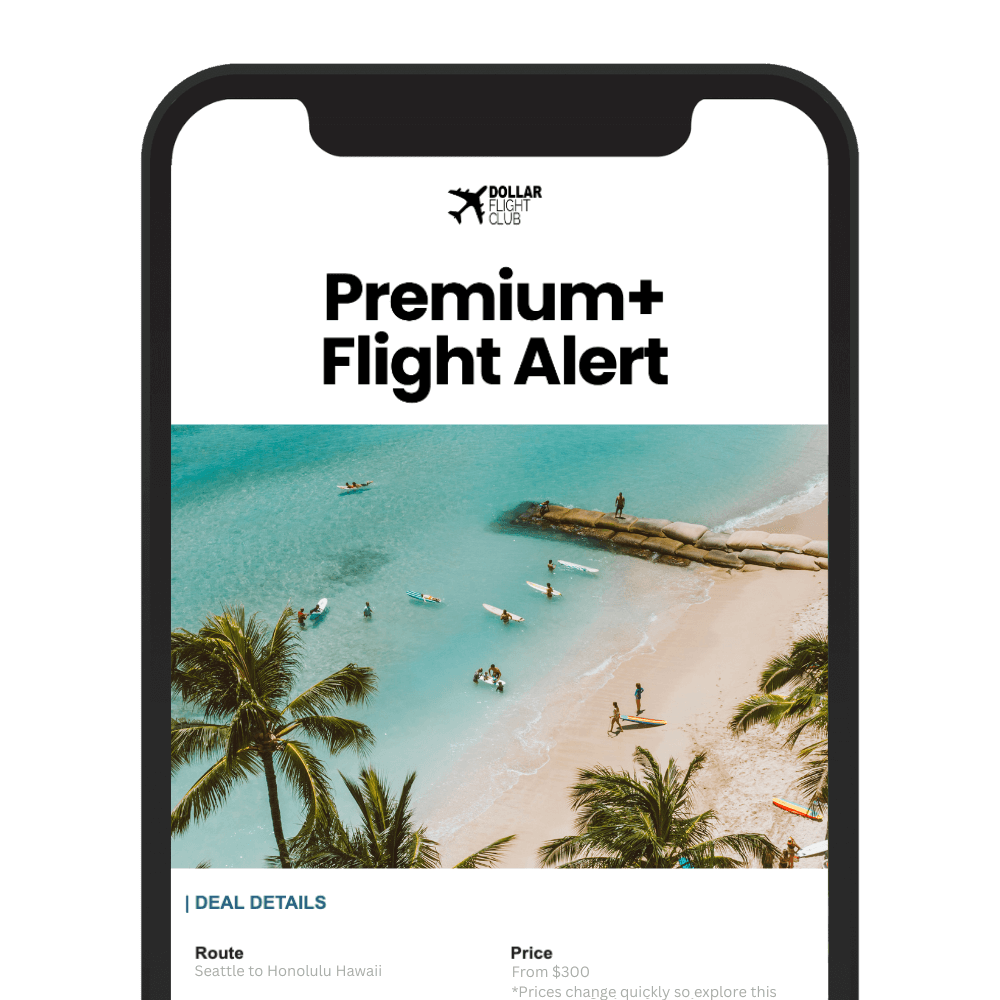
Dollar Flight Club sends email and SMS alerts for discounted domestic and international flights, with deals up to 90% off. Premium includes domestic and international alerts. Premium+ adds SMS notifications and premium and business-class offers. Members also get exclusive offers, travel perks, and discounts from top travel brands.
Before booking, compare the total cost, including baggage and seat fees. Check the fare rules for refunds and changes, too.
FAQs
Can I get money back if my fare drops?
Usually not. Most airline tickets are nonrefundable, and airlines rarely offer cash refunds if the fare drops after you book. Tracking prices can help you spot chances to rebook, but taking advantage of them isn’t always easy.
Your best protection is the U.S. 24-hour cancellation rule. For eligible bookings made at least seven days before departure directly with an airline, you can cancel within 24 hours for a full refund if the airline offers this option rather than a 24-hour fare hold. If you find a lower fare during that window, you can cancel and rebook. After that, your options are very limited.
Why does booking multiple passengers cost more per person?
Airlines sort seats into price tiers called fare buckets, with a limited number of tickets at each price. If the cheapest bucket doesn’t have enough seats for your group, the booking system may charge everyone the next higher fare.
Search for one passenger first to find the lowest available fare. Then compare it with the per-person price for your group.
How can I tell if a flight deal is worth booking?
Compare the full cost, not just the ticket price. Add baggage, seat selection, and any change or cancellation fees. Then compare that total with other airlines and nearby airports. Keep extra costs, such as parking, below 30% of your savings, and make sure basic economy’s limited flexibility fits your plans.
Before booking, check the website’s contact information, reviews, and payment methods. Avoid sites that pressure you to book or ask for wire transfers. If you’re unsure, book directly with the airline or a trusted provider.