Flight prices constantly fluctuate, but understanding seasonal trends, booking windows, and airline pricing cycles can help you secure the best deals. Here’s what you need to know:
- Peak seasons (summer, holidays): Prices are highest due to demand. Book 3–10 months in advance for savings.
- Shoulder seasons (spring, fall): Fares drop by 25–32% compared to peak times. Ideal for budget-friendly travel.
- Off-peak seasons (post-holidays, winter): Deep discounts of up to 30% are common.
- Reverse trends: Tropical destinations are pricier in winter, while European cities are costlier in summer.
- Booking windows: Domestic flights are cheapest 1–3 months before departure; international flights require 2–8 months of planning.
- Cheapest days to fly: Tuesdays, Wednesdays, and Saturdays. Avoid Fridays and Sundays.
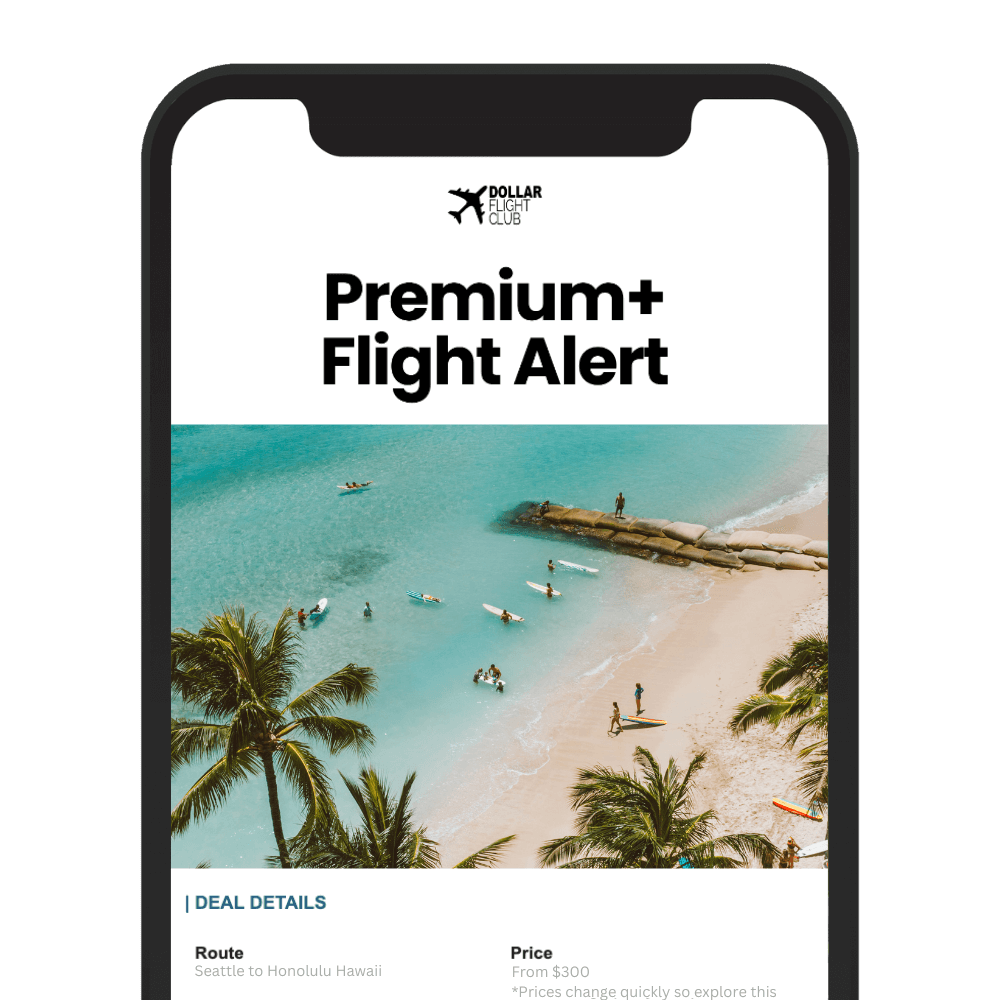
- Tools to track prices: Use Google Flights, Hopper, or Dollar Flight Club for alerts and historical pricing data.
- Fare drop signals: Empty seat maps, sudden price cuts across platforms, or seasonal transitions often indicate deals.

How Seasonal Demand Affects Flight Prices
Flight prices are anything but static – they fluctuate based on when and where people want to travel. Airlines adjust their fares to align with demand, and understanding these patterns can help you save money. Let’s dive into how seasonal demand impacts ticket costs.
Peak, Shoulder, and Off-Peak Travel Seasons
Travel seasons generally fall into three categories: peak, shoulder, and off-peak. Peak season, which includes summer (June through August) and the winter holiday period in December, sees the highest fares. Families take advantage of school breaks, and holiday travel drives up demand – and prices.
On the other hand, shoulder seasons in spring and fall offer a chance to save. During these times, you could see airfare discounts ranging from 25% to 32%. Off-peak months, like winter after the holidays, often bring even deeper savings, with prices dropping by as much as 30%. For example, spring shoulder season is ideal for European trips, while fall shoulder season offers great deals elsewhere when the weather is pleasant but the crowds haven’t arrived yet.
Reverse Seasonal Trends for Certain Destinations
Not all destinations follow the same seasonal patterns. Take tropical locations like Hawaii or the Caribbean – these spots experience peak demand in winter when travelers escape the cold. Meanwhile, European cities and ski resorts are pricier during summer and winter, their peak travel periods. But when these destinations hit their off-peak seasons, you’ll find lower prices and fewer crowds. Knowing these reverse trends can help you plan trips during more affordable times.
Events and Holidays: Temporary Price Spikes
Big events like conferences, sports games, and major celebrations can cause airfare to spike temporarily. Airlines often limit seat availability during these times, driving up prices. To avoid overpaying, aim to book tickets 3-6 months in advance for summer or winter travel, and 6-10 weeks ahead for events like spring break. If you’re strategic, you could save anywhere from 15% to 40% during peak periods by booking early or flying into secondary airports with less demand than major hubs.
These seasonal trends, along with event-driven price shifts, highlight the importance of timing and planning. By analyzing these patterns, you can zero in on the best times to book and travel.

Using Historical Data to Predict Price Drops
Historical booking trends reveal clear patterns that can help pinpoint the best time to snag lower fares. These insights are particularly useful when paired with seasonal travel trends.
Best Booking Windows by Trip Type
When it comes to saving on airfare, timing your purchase is far more important than the time of day you book. For domestic flights, the sweet spot is usually 1–3 months before departure, with the ideal range being 28–46 days prior. Waiting too long – especially within the final two weeks – can lead to paying 20–30% more.
For international travel, the lead time is longer, typically 2–8 months before your trip. However, this varies depending on your destination and the time of year. For instance, flights to Europe during the summer are cheapest when booked 4–10 months in advance. Similarly, trips to Asia for events like cherry blossom season or Lunar New Year require early planning. One example: flights from Los Angeles to Rome dropped to just $297–$401 roundtrip during holiday periods in late 2025 when booked within the optimal window.
| Destination | Standard Window | Peak Season Window |
|---|---|---|
| Europe | 2–8 months | 4–10 months (Summer/Christmas) |
| Asia | 2–8 months | 4–10 months (Cherry Blossom/Lunar New Year) |
| US Domestic | 1–3 months | 3–5 months (Holidays/Summer) |
| Oceania | 2–8 months | 4–10 months (Dec–Mar) |
In addition to booking at the right time, selecting the right travel days can also lead to substantial savings.
Cheaper Days to Fly and Travel
For lower fares, aim to fly on mid-week days like Tuesday, Wednesday, or Saturday. Avoid peak travel times such as Friday evenings or Sunday afternoons. Interestingly, when it comes to booking, Sunday has emerged as the most budget-friendly day, overturning the old belief that Tuesday was the ideal day to book.
Combining these strategies with smart tracking tools can make finding deals even easier.
Tools for Tracking Price Changes Over Time
Using top flight search engines like Google Flights provides valuable price insights, showing whether a fare is low, typical, or high for your chosen route. This data helps you decide whether to book immediately or hold out for a better deal. To simplify things further, fare-tracking tools like Dollar Flight Club can alert you to price drops – sometimes offering discounts of up to 90% – and handle the heavy lifting of monitoring thousands of routes for you.

Understanding Airline Pricing and Sale Cycles
Airlines don’t just pull ticket prices out of thin air. Their pricing strategies follow specific patterns shaped by inventory, competition, and broader market conditions. Knowing how these cycles work can give you an edge in finding cheap flights by predicting when fares might drop.
How Airlines Adjust Fares Over Time
Airline tickets are sold in pricing tiers, often referred to as booking classes. Once the cheapest seats in a tier sell out, the system bumps up to the next tier, typically raising fares by $20–$50 overnight. When you notice small, steady price hikes, it’s a sign that the lower-priced seats are gone, and prices may keep climbing. If fares rise consistently over a few days surrounding your desired travel dates, it’s likely due to increased demand – making it a good time to book before prices jump again. Modern airlines now rely on real-time algorithms that adjust fares based on search activity, making their pricing even more dynamic.
Why Prices Drop on Certain Routes or Flights
Sometimes, airlines lower fares significantly as the departure date gets closer. Why? Because an empty seat generates no revenue once the plane takes off. Offering a discount is better than leaving it unsold.
Competition also plays a big role. On routes served by multiple airlines, price wars can break out, leading to steep discounts. On the flip side, routes dominated by a single airline tend to have higher, more stable prices. For instance, when TAP Portugal offered a $347 fare from JFK to Barcelona in 2026, competitors quickly matched the price to maintain their market share. New routes often come with introductory discounts as well, as airlines look to fill seats and generate buzz. These competitive dynamics can create opportunities for savvy travelers.
How External Factors Influence Pricing
Outside events can cause airlines to adjust fares quickly. Rising fuel costs, which are their second-largest expense after labor, often lead to higher ticket prices. Economic slowdowns, on the other hand, may push airlines to lower fares to encourage bookings. Unpredictable events – like severe weather or geopolitical tensions – can also prompt sudden price changes. For example, if an airline reduces the number of flights or switches to smaller planes on a route, fares often spike due to limited availability. However, airlines may later reopen lower-priced seats to stimulate demand. Recognizing these external triggers can help you spot when prices might drop.
Signs That a Fare Drop Is Coming
Spotting a fare drop before it happens isn’t about luck – it’s about knowing where to look. Airlines often give away clues through their pricing trends, seat availability, and seasonal shifts. Understanding these patterns can help you time your booking perfectly.
Checking Seat Availability on Flights
When planes have too many empty seats close to departure, airlines often lower prices to fill them. Every unsold seat is a lost opportunity for revenue once the flight takes off, so airlines adjust fares to stimulate demand. This can lead to steep price cuts, especially if the plane is still far from full as the departure date nears.
To gauge availability, use seat maps. If you see lots of open seats but prices are still high, a price drop may be around the corner as the airline works to sell those seats. Be cautious of warnings like “Only 2 seats left!” – these are often marketing tactics. Search for multiple passengers on the same flight to see if the urgency is real or artificially created.
A true price drop usually isn’t an isolated event. Check if the same low fare appears across multiple platforms, dates, and nearby airports. If several airlines on the same route suddenly lower their prices, it’s likely a competitive move triggered by one carrier trying to offload excess inventory.
Seasonal trends also play a big role in fare changes.
Watching for Seasonal Transitions
Seasonal shifts often create opportunities for cheaper fares. For example, when peak travel seasons like summer or major holidays end, demand drops, and airlines adjust their pricing strategies. Look for fares that dip below their 30-day average or recent historical lows – this often signals a discounted deal.
Keep an eye on pricing patterns over a range of dates. If fares rise across a five-day stretch (two days before and after your preferred date), it suggests strong demand, and you should book quickly. On the flip side, if low fares start disappearing for prime departure times and only remain for inconvenient hours, the window for snagging a deal may be closing.
Setting Up Alerts for Your Routes
Automated alerts are one of the best tools for catching fare drops. Services like Dollar Flight Club monitor thousands of routes and notify you via email or SMS when prices take a nosedive – sometimes up to 90% off standard rates. Premium members can track multiple departure airports and prioritize up to 10 destinations, ensuring they’re always in the loop for deals on their favorite routes.
Once an alert comes through, confirm the deal by checking its stability. Compare prices across different devices, browsers, and incognito windows over a 12–48 hour period to rule out caching errors. Make sure the fare appears consistently on the airline’s website and major booking platforms; if it’s only visible on one site, it might be a temporary glitch rather than a genuine price drop.
| Signal | Real Price Drop | Misleading “Deal” |
|---|---|---|
| Price History | Below 30-day average and route floor | Low only compared to inflated prices |
| Consistency | Matches across airlines and major OTAs | Changes at checkout |
| Availability | Broad across dates and airports | Limited to one seat or fare bucket |
| Urgency | Minimal, fact-based inventory cues | Overhyped scarcity warnings |
| Duration | Remains stable during repeated checks | Disappears or resets after searches |

How to Predict and Book the Next Flight Sale
Booking a flight during a sale isn’t about luck – it’s about using the right tools, timing, and strategies. By combining historical data, real-time alerts, and seasonal trends, you can turn flight sale predictions into a reliable process.
Step 1: Research Routes and Monitor Prices
Start by identifying the routes you’re most interested in – whether domestic or international. Next, dive into 6–12 months of historical pricing data using tools like Google Flights or Hopper. This will help you set a baseline. For instance, a flight from NYC to LAX might average $250 during the winter off-season but jump to $400 in the busy summer months. Tools like Hopper can help you track these prices daily. When you notice fares dropping around 20% below your baseline, it’s time to book.
Once you’ve established your price thresholds, it’s time to automate the search process.
Step 2: Set Up Alerts for Deals
Use services like Dollar Flight Club to set up real-time alerts via email or SMS. These alerts are customizable – you can specify your departure airport, target destinations, flexible travel dates (±3 days), and your maximum budget. Since most flight sales only last 24–48 hours, having real-time notifications ensures you can act fast. Automated alerts are incredibly effective, capturing up to 70% more deals than manually monitoring over 1,000 airlines.
After setting up alerts, compare seasonal pricing trends to ensure you’re booking at the right time.
Step 3: Check Seasonal Price Trends
Leverage tools like CheapAir’s annual reports or Skyscanner’s price calendars to understand seasonal booking patterns. For domestic flights, the best deals typically appear 2–3 months before travel, especially during winter sales. For international trips, aim for 3–6 months in advance, particularly during shoulder seasons like September and October. If you spot a fare that’s less than 75% of the seasonal average, open an incognito browser to confirm it and book right away.

Conclusion
Understanding seasonal patterns, historical pricing trends, and airline sale cycles can help you snag great deals on flights. During shoulder and off-peak seasons, when travel demand dips, ticket prices often follow suit – giving you the chance to save big.
Pairing this knowledge with automated tools can make finding deals even easier. Services like Dollar Flight Club send alerts for time-sensitive discounts, so you don’t have to keep checking manually. When prices drop well below their usual range, it’s a clear sign to act fast and lock in your next trip at a fraction of the cost.
FAQs
How can I tell if a fare drop is real or just marketing?
To identify an actual fare drop, pay attention to patterns such as reduced demand during off-peak travel seasons or following flight cancellations. Authentic price decreases often align with historical trends and seasonal fluctuations in demand. Using tools like flight trackers or setting up price alerts can help confirm whether a lower fare fits these patterns. Be cautious of sudden, brief discounts that seem out of sync with trends – they might simply be marketing tactics or temporary promotions.
What price should I consider “good” for my route before I book?
When it comes to airfare, a “good” price often hinges on seasonal demand. As a rule of thumb, fares are considered attractive when they’re up to 30% lower than peak prices. For international flights, it’s smart to book 2 to 6 months in advance, while 1 to 3 months ahead is ideal for domestic travel. You’ll often find the best deals during off-peak periods, such as winter or the fall shoulder season.
How do holidays and big events change the best time to buy?
Holidays and major events often cause flight prices to spike because of higher demand. If you’re looking to save, consider booking well in advance for these busy periods or holding off until demand decreases after the event. For budget-friendly fares, target low-demand times like January and February or the shoulder seasons in spring and fall. Fall is especially great for deals, as prices tend to drop once the summer travel rush is over. Planning your booking around these trends can make a big difference in finding affordable flights.