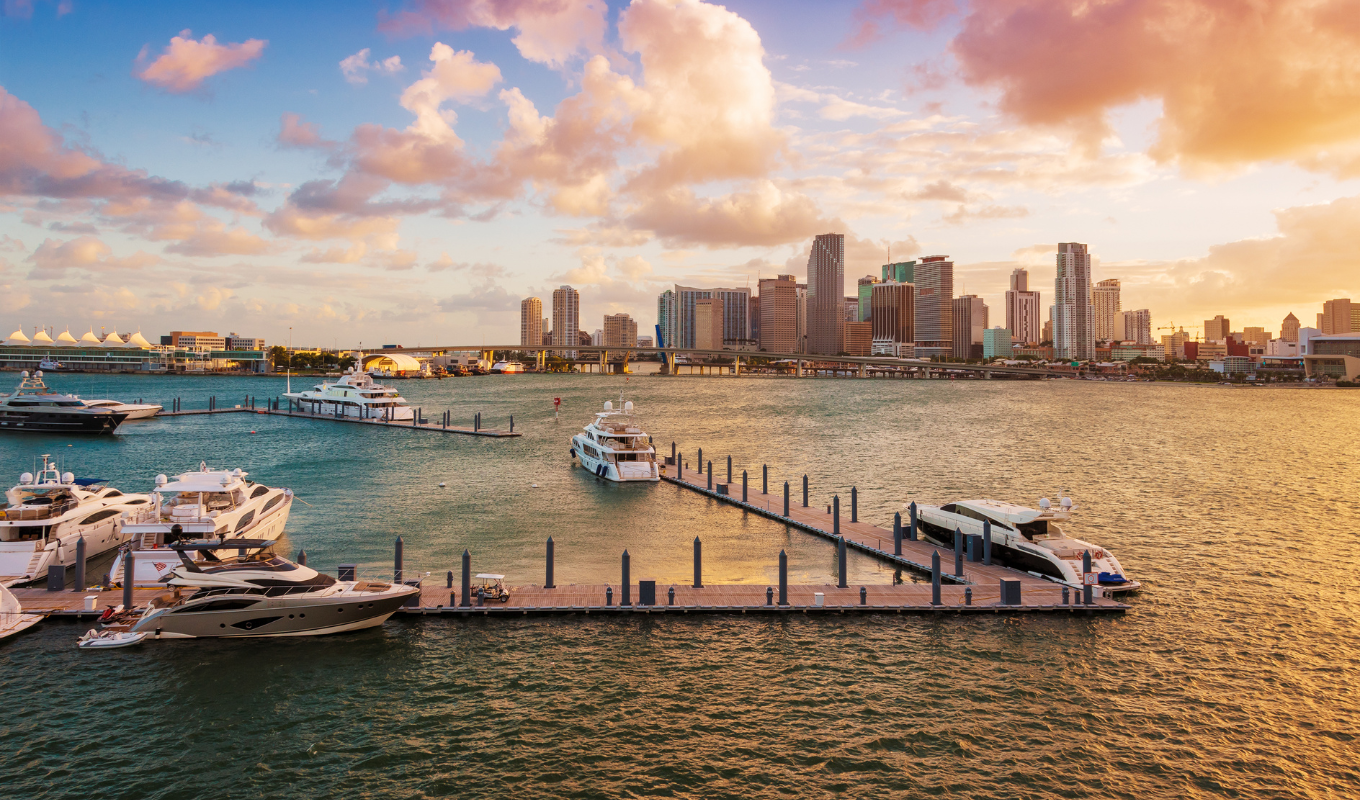
Miami is a vibrant mix of beaches, nightlife, and diverse neighborhoods. Here’s what you need to know to plan your trip:
- Best Beaches: South Beach for energy and Art Deco vibes, Crandon Park for families, and Virginia Key for peace.
- Nightlife: Dance salsa at Ball & Chain, explore Wynwood’s artsy bars, or enjoy Ocean Drive’s lively clubs.
- Food: Savor Cuban classics in Little Havana, trendy bites in Wynwood, or hidden gems across the city.
- Costs: Budget $80–$120/day for basics or $240–$360/day for mid-range. Flights can be as low as $81.
- Savings Tips: Use free transit like the Metromover, visit off-season (May or Sept–Oct), and find flight deals via services like Dollar Flight Club.
From street art at Wynwood Walls to the historic charm of Coconut Grove, Miami offers something for every traveler. Pack sunscreen, light clothes, and get ready to explore!
Best Beaches in Miami
South Beach
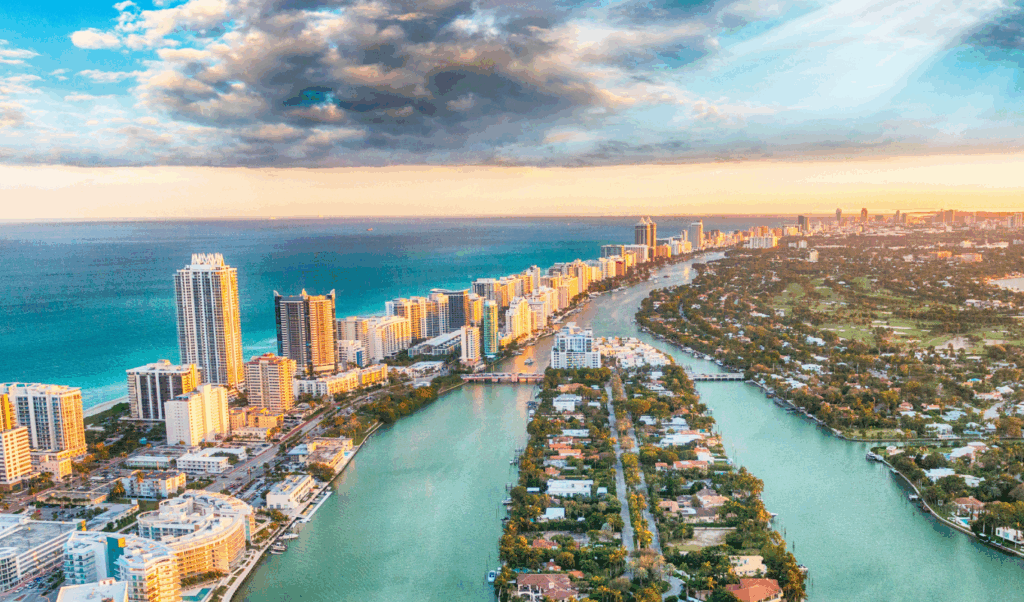
Stretching from 5th to 15th Street along Ocean Drive, Lummus Park is the heart of Miami’s most iconic beach. With its Art Deco skyline and colorful lifeguard stands, it’s a feast for the eyes, while the clear, calm waters make it perfect for swimming.
If you’re planning a weekend visit, aim to arrive early to snag a good spot. The Florida sun is no joke, so pack some high-SPF sunscreen. March is particularly popular, with temperatures hovering around 80–83°F and minimal rain, attracting both locals and Spring Break travelers.
Want to elevate your beach day? Book a cabana at one of the chic Mid-Beach clubs like Faena or Edition. Over at South Pointe Park, you’ll find sweeping views of Fisher Island and the Government Cut, where cruise ships glide by. This area also offers green spaces for families and a more laid-back vibe compared to the bustling main beach.
Quiet Beach Alternatives
If you’re after a more serene experience, you can still visit Miami on a budget by exploring plenty of quieter options. Mid-Beach, stretching from 24th to 60th Street, offers the same sparkling ocean but with fewer crowds, especially during weekdays. Bal Harbour Beach is another gem, known for its soft white sand and peaceful, upscale atmosphere.
Families will love Crandon Park on Key Biscayne, which features two miles of shallow, calm waters and rentals for kayaks and paddleboards. Matheson Hammock Beach is a great choice for little ones, thanks to its tide-fed lagoon that’s free of waves. For a secluded getaway, check out Virginia Key Beach Park. And if you’re up for a bit of history and nature, Bill Baggs Cape Florida State Park is a must-visit. Climb the 109 steps of its historic lighthouse for breathtaking views, then grab a bite at the casual Lighthouse Cafe.
Miami Nightlife Guide
Miami’s nightlife pulses with energy well into the early hours. This city thrives on a late-night schedule, with locals typically heading out after midnight and venues staying open until 4:00 AM or even 5:00 AM. Whether you’re into Latin beats, hip-hop, or electronic dance music, Miami offers something for everyone.
Each neighborhood has its own vibe, starting with the iconic South Beach scene.
Ocean Drive Bars and Clubs
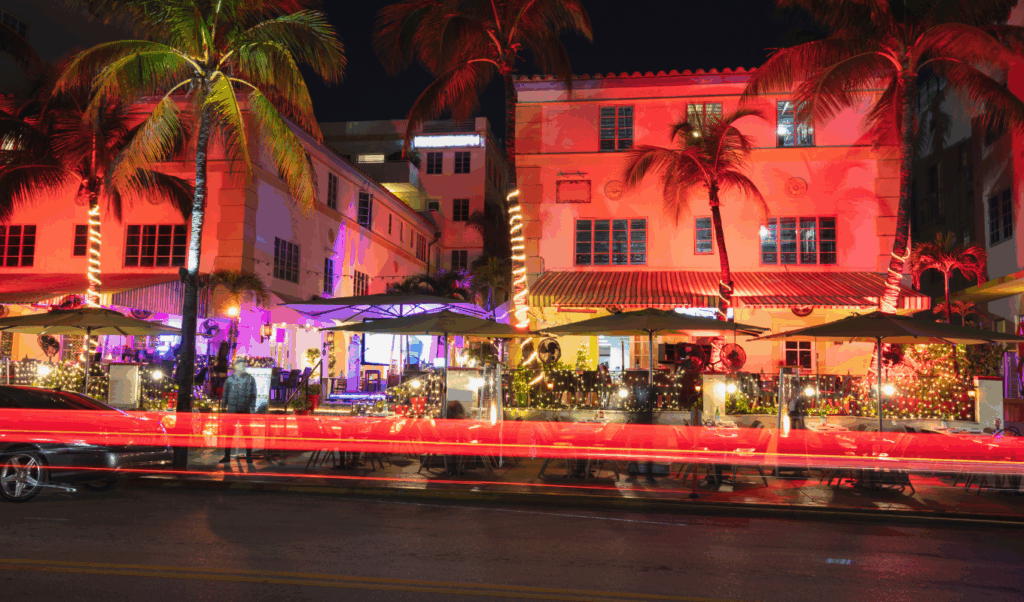
Ocean Drive is the epicenter of South Beach nightlife, blending classic Art Deco charm with neon lights and ocean views. A standout spot is Mango’s Tropical Cafe, famous for its live Latin music, salsa dancing, and vibrant performances. This stretch of nightlife is all about glitz and glamor, so dress to impress if you want to fit in with the stylish crowd. Entry fees typically range from $30 to $60 on weekends, and the party atmosphere often spills over onto the streets near Lummus Park and the Atlantic Ocean.
Wynwood After Dark
Wynwood offers a completely different experience, with its artsy, warehouse-party vibe. The area is known for its murals, open-air venues, and a laid-back yet lively atmosphere. Wood Tavern is a go-to spot with DJ sets and a reggae and hip-hop-filled back patio. Gramps, on the other hand, mixes things up with live music, comedy shows, and even drag brunches. For something more upscale, Racket features a rooftop and courtyard with resident DJs, while Brick brings a more casual vibe with picnic tables, hookah, and Latin-themed “perreos” on Thursdays. Entry fees generally range from $10 to $30, though prices can climb to $60 or more during big events like Miami Music Week. If you’re in town on the second Saturday of the month, don’t miss the Wynwood Art Walk, where galleries stay open late, and the streets turn into a lively celebration of art and music.
From reggae to salsa, Wynwood’s venues cater to a wide range of tastes, making it a hotspot for a dynamic night out.
Where to Dance Salsa in Miami
For a true salsa experience, head to Ball & Chain in Little Havana. This historic venue, dating back 90 years, offers free dance lessons and hosts “Salsero Sundays” from 8:00 PM to 1:00 AM. They also offer bottomless wine packages priced at $38 if pre-paid or $55 at the door. Over in South Beach, Salsa Mia has been a favorite since 2005, offering “Sip & Salsa” sessions perfect for beginners. For a Dominican twist, Club Tipico Dominicano in Allapattah is the place to go for merengue and bachata. Meanwhile, La Victoria in the Design District delivers an upscale outdoor nightclub vibe, complete with a strict dress code.
Peak salsa hours are between 10:00 PM and 2:00 AM, so arrive early to catch the best rhythms. Parking can be tricky in busy spots like South Beach and Wynwood, so using Uber or Lyft is a smart move to avoid the hassle.

Miami’s Art and Culture Scene
Miami is more than just beaches and nightlife – it’s a vibrant hub of artistic and cultural experiences. From sprawling street art to historic neighborhoods, the city offers a mix of creative energy and rich traditions that make it truly special.
Wynwood Walls
Wynwood Walls stands out as the largest outdoor street art museum in the world, showcasing over 50 murals by renowned artists like Shepard Fairey and Kenny Scharf. Tickets for the enclosed courtyard range from $12 to $20 for adults, while kids under 12 usually get in free. Beyond the main exhibit, the surrounding 50 blocks are a canvas for ever-changing street art.
For an extra dose of excitement, visit on the second Saturday of the month during the Art Walk. The event transforms the area with open galleries, live music, and food trucks. Wynwood also boasts craft breweries and the Museum of Graffiti, where admission is about $16. The neighborhood’s industrial edge offers a refreshing contrast to Miami’s glossy beach vibes.
Next on the cultural tour is Little Havana, a neighborhood that pulses with the spirit of Miami’s Cuban heritage.
Little Havana
Little Havana is the heart of Miami’s Cuban culture, shaped by exiles who arrived after the 1959 revolution. The vibrant Calle Ocho (8th Street) is the neighborhood’s epicenter, where you’ll see locals playing dominoes at Máximo Gómez Park or sipping cafecitos from walk-up windows called ventanitas. For just $1.50 to $2.50, you can grab a cafecito yourself and soak in the lively atmosphere.
Since 1971, Versailles Restaurant has been a cornerstone of Little Havana’s culinary scene, while nearby cigar shops keep the tradition of hand-rolled cigars alive. Plan your visit for the last Friday of the month to experience Viernes Culturales (Cultural Fridays), a street festival filled with music, dancing, and art vendors. Best of all, exploring the streets of Little Havana is free, making it a great option for budget-conscious travelers.
For a more tranquil escape, head to Coconut Grove.
Coconut Grove
Coconut Grove, Miami’s oldest continuously inhabited neighborhood, offers a peaceful retreat with its leafy streets and bohemian charm. A must-see here is the Vizcaya Museum & Gardens, a stunning 1916 villa inspired by Italian Renaissance architecture. Spanning 43 acres, the estate includes 10 acres of meticulously designed gardens filled with European antiques from the 16th to 19th centuries. Admission costs around $25, and the estate draws roughly 250,000 visitors each year.
The neighborhood exudes an “old Miami” vibe, far removed from the hustle of South Beach. On Saturdays, the Coconut Grove Farmers Market is the place to be, offering tropical produce and artisanal vegan treats. With its lush greenery and historic homes, Coconut Grove is an ideal spot for a laid-back afternoon away from the city’s busier areas.
Where to Eat in Miami
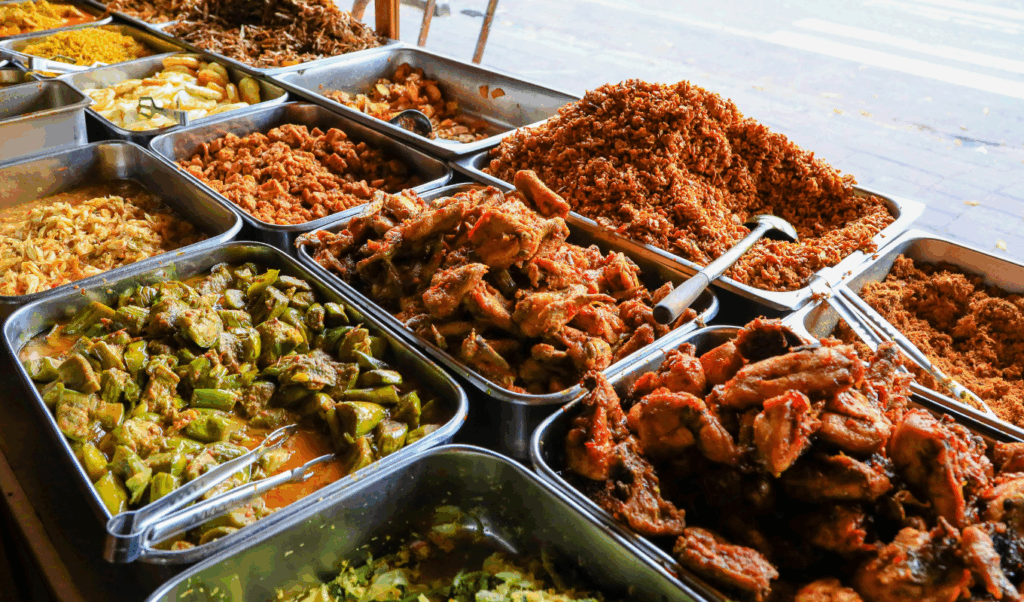
Miami’s food scene is a vibrant mix of flavors, reflecting the city’s rich diversity. From the Cuban classics of Little Havana to the trendy eateries in Wynwood, there’s something for every craving and budget.
Cuban Food in Little Havana
Little Havana is the heart of Miami’s Cuban cuisine. Versailles Restaurant, a cornerstone since 1971, is often called the “World’s Most Famous Cuban Restaurant”, offering a menu that feels like a passport to Havana itself.
For a standout Cuban sandwich, look no further than Sanguich Little Havana, where house-made pickles, mustard, and perfectly toasted bread elevate this iconic dish. Another must-try is the Cuban frita at El Rey De Las Fritas, a burger topped with crispy shoestring potatoes. Want to take it up a notch? Order it “a caballo” to add a fried egg.
If you’re in the mood for a lively atmosphere with live music, Cafe La Trova serves up dishes like ropa vieja (shredded flank steak in tomato sofrito) and arroz con pollo, alongside expertly crafted Cantinero-style cocktails.
Be sure to stop by the ventanitas, Little Havana’s famous walk-up windows, for a quick cafecito (Cuban espresso) or a crispy ham-filled croqueta. Locals swear by Luis Galindo Latin American, especially on Thursdays when they serve ajiaco a la criolla, a hearty Cuban soup.
Wynwood Food Scene
Wynwood brings a bold mix of global flavors to Miami, all within a trendy, artsy neighborhood. 1-800-Lucky, a sprawling 10,000-square-foot Asian food hall, is perfect for groups looking to sample everything from sushi to ramen while enjoying a hip-hop soundtrack.
For baked goods that hit the spot, check out Zak the Baker, a minimalist kosher bakery known for its incredible bread and pastries. If you’re craving Japanese cuisine, Uchi Miami offers a $25 lunch deal featuring its high-end menu, while Hiyakawa impresses with impeccable service and artfully plated dishes.
Other highlights include Doya, where Aegean meze plates are perfect for sharing, and R House, which pairs bold Latin American flavors with energetic drag performances during weekend brunch. For something casual, grab a crispy smashburger with bacon jam at Cowy Burger or a California-style burrito stuffed with fries at The Taco Stand.
Wynwood also has its share of long-standing gems. El Bajareque has been serving Puerto Rican classics like mofongo and alcapurrias for over four decades, while La Fama Cafeteria offers hearty Cuban dishes at wallet-friendly prices.
Other Miami Restaurants Worth Visiting
Beyond Little Havana and Wynwood, Miami’s neighborhoods are brimming with culinary treasures. Enriqueta’s Sandwich Shop is a go-to for Cuban sandwiches, while Coyo Taco delivers authentic Mexican tacos packed with flavor. For a one-of-a-kind dining experience, Hiden, a secret eight-seat omakase behind a taco stand, offers an exclusive menu for around $300 per person.
Seasonal specialties like Florida stone crab, available from October to May, are a local treat. Prices range from $45 to $85 per pound, making it a splurge-worthy indulgence at upscale restaurants.
Family-owned eateries in areas like Allapattah, Little Haiti, and North Miami also shine with recipes passed down through generations, offering authentic dishes that reflect Miami’s multicultural roots.
If you’re visiting during Miami’s busy winter season (December to April), plan ahead – reservations at popular spots should be made 2 to 4 weeks in advance. And don’t forget to carry cash, as some of the city’s historic cafeterias may not accept credit cards.
Off-the-Beaten-Path Miami
Overlooked Neighborhoods and Views
Miami has so much more to offer than its famous beaches and nightlife. Take Brickell, for instance. While it’s often seen as just a hub for finance, it’s also home to some surprising treasures. Simpson Park Hammock provides a peaceful urban escape with lush greenery, and the Miami Circle, a 2,000-year-old archaeological site, offers a glimpse into the city’s ancient history.
For a more relaxed vibe, head to North Beach, located between 63rd and 87th Streets. It’s a quieter alternative to the bustling South Beach scene. If you’re looking for breathtaking views without spending a dime, check out the outdoor terrace at the Pérez Art Museum Miami (PAMM), where you can soak in stunning vistas of Biscayne Bay. Another great spot for sunrise lovers is Alice C. Wainwright Park, tucked between Brickell and Coconut Grove.
In Coral Gables, the Venetian Pool is a must-see. This spring-fed swimming pool, carved from a coral-rock quarry in 1924, offers a refreshing dip for $16–$22, depending on the season. Not far away, Matheson Hammock Park features a man-made atoll pool and scenic mangrove trails, and its parking fees are cheaper than renting a chair on South Beach. For history buffs, Barnacle Historic State Park in Coconut Grove is a hidden gem. With just a $2 entry fee, you can explore Miami’s oldest house still on its original site, nestled within 28 acres of serene greenery.
These lesser-known spots prove that Miami’s charm extends far beyond its popular attractions.
How to Save Money in Miami
Exploring Miami doesn’t have to break the bank. Take advantage of free transit options like the Metromover and city trolleys, which make navigating areas like Downtown and Brickell both easy and cost-effective. The Miami Trolley app can help you plan your routes efficiently.
Skip the pricey cocktails on Ocean Drive. Instead, grab a cafecito and a pastelito from a ventanita for just $2–$5. If you’re planning a trip, consider visiting in the summer (June–September) when hotel rates are lower – though you’ll need to prepare for the humid weather. Flying into Fort Lauderdale-Hollywood International Airport (FLL) and using Tri-Rail to connect to Miami is another great way to save on travel expenses. If you’re a Dollar Flight Club member, you might even find flight deals up to 90% off, especially during off-peak seasons when accommodations are more affordable.
For quieter and photo-friendly experiences, visit Wynwood Walls or South Pointe on weekday mornings. Many museums also offer budget-friendly options. For example, PAMM grants free entry on the first Thursday of each month, and Frost Science reduces its admission from $30 to $12 after 4:00 PM on the first Friday.
With these tips, you can enjoy Miami’s hidden gems and vibrant culture without overspending.
Planning Your Miami Trip
What to Pack for Miami Weather
Miami’s warm climate makes it a year-round destination. In March, temperatures hover between 80–83°F, and even during the coolest months, they stay around 75–76°F. Summers bring high humidity levels of 80–90%, so pack light, breathable clothes. Essentials include high-SPF sunscreen, a hat, and sunglasses to protect yourself during sunny beach days.
Heading to Everglades National Park? Don’t forget bug spray to keep mosquitoes at bay. Comfortable walking shoes are a must for sprawling attractions like Zoo Miami, which covers over 340 acres. Also, pack a light jacket or sweater for chilly, air-conditioned indoor spaces.
Miami’s dress code changes depending on the venue. While casual attire works for most places, nightclubs like LIV and E11EVEN enforce stricter dress codes – men should wear collared shirts and closed-toe shoes, with cover charges ranging from $60 to $100. Fine dining spots often prefer smart casual outfits. If you’re visiting during hurricane season (June through November), a lightweight, waterproof rain jacket will come in handy for sudden afternoon showers.
Once your suitcase is packed, it’s time to figure out how you’ll get around the city.
Getting Around Miami
Unless you’re planning day trips outside the city, skip renting a car. Parking at hotels in popular areas can cost anywhere from $25 to $45 per night. Instead, take advantage of the Metromover, a free, elevated rail system connecting Downtown and Brickell neighborhoods. Miami’s trolley system also provides free routes through key areas.
For airport transfers, the Metrorail Orange Line is an affordable option at just $2.25 per ride from Miami International Airport (MIA) to downtown. Taxis charge a flat $22 from the airport, while rideshare options like Uber and Lyft start at around $10. If you’re sticking to public transit, a 1-day unlimited pass costs $5.65, and a 7-day pass is $29. For a scenic ride along Miami Beach, Citi Bike rentals are available for $6.95 per hour or $24 for a full day.
Now that local transit is sorted, let’s talk about finding affordable flights to get you there.
Finding Cheap Flights to Miami
When booking flights, consider both Miami International (MIA) and Fort Lauderdale-Hollywood International (FLL). FLL, located 20–45 minutes from downtown Miami, often offers more budget-friendly options through carriers like Southwest, Allegiant, JetBlue, and Spirit. From FLL, you can easily connect to Miami via Tri-Rail for under $4.
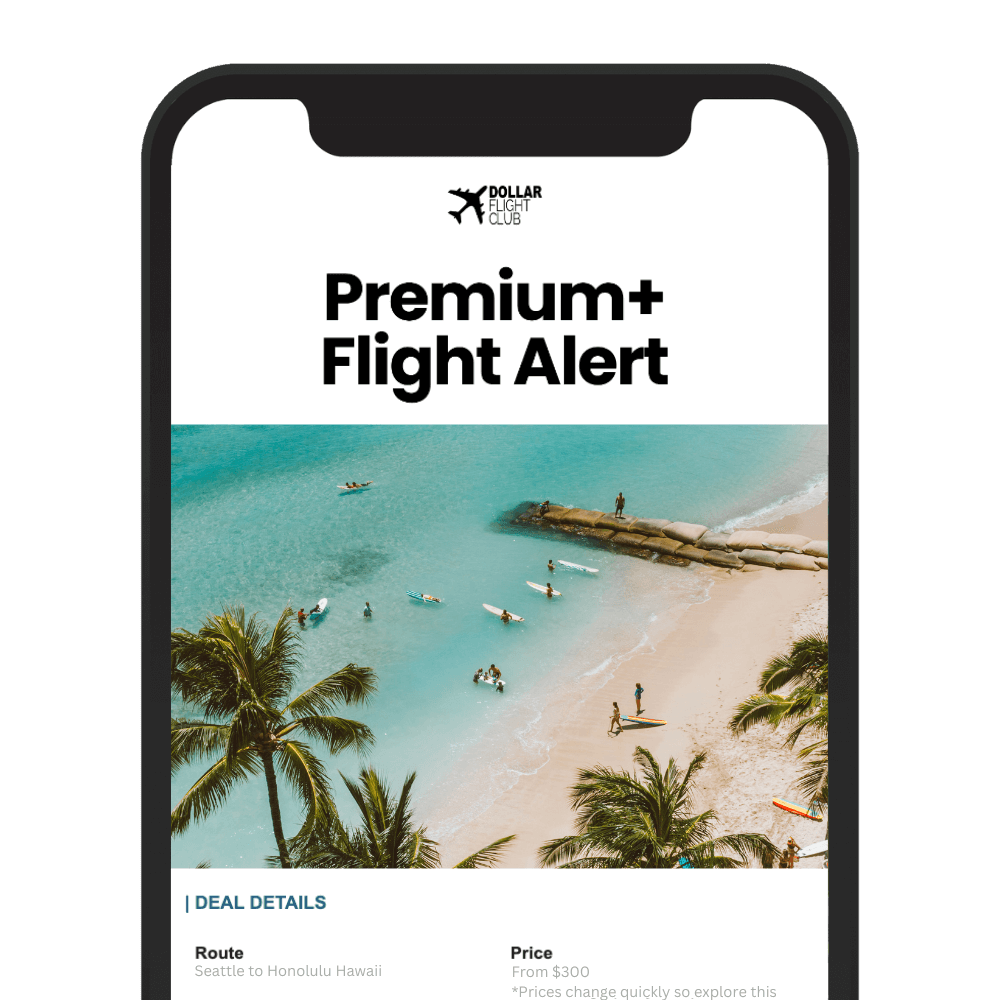
For the best flight deals, Dollar Flight Club’s Premium+ membership is worth exploring. It offers alerts for price drops – sometimes up to 90% off – for domestic and international flights. Members also get SMS notifications, access to premium cabin deals, and the ability to track up to 10 dream destinations from 4 departure airports. Flying midweek and avoiding peak times like Art Basel or Spring Break can also help lower costs.
If you’re looking to save even more, consider traveling during the summer (June–September), when heat and hurricane risks drive down hotel and flight prices. Late October and November strike a good balance between affordable rates and pleasant weather. Booking accommodations at least three months in advance is another smart way to secure better deals.
Conclusion
Miami offers an incredible mix of pristine beaches, lively nightlife, and a rich blend of cultural experiences, making it a destination with something for everyone. From the glamorous Art Deco vibes of South Beach to the tranquil shores of Bill Baggs Cape Florida State Park, the variety of beaches alone is enough to captivate any visitor. And when the sun sets, the city transforms with its energetic nightlife, featuring everything from ultraclubs to salsa-filled dance floors. On the food scene, you can enjoy a quick $1.50 cafecito from a local ventanita or indulge in upscale dining with entrees priced between $45 and $150+.
Beyond the beaches and nightlife, Miami’s charm lies in its unique attractions. Stroll through South Beach and admire over 800 preserved Art Deco buildings, dance to live music at Ball & Chain, or take in the vibrant street art at Wynwood Walls. Miami is a true crossroads of Latin American and Caribbean influences, blending cultural depth with international flair.
Traveling to Miami doesn’t have to break the bank. With Dollar Flight Club‘s Premium+ membership, you can score flight deals up to 90% off to Miami International (MIA) or Fort Lauderdale-Hollywood International (FLL). These savings can free up your budget for all the unforgettable experiences Miami has to offer.
And here’s the best part: some of Miami’s most memorable moments come at no cost. So, book your flight, grab your sunscreen, and get ready to soak in the magic of Miami.
FAQs
How many days do I need in Miami?
A trip of 3 to 5 days is perfect for soaking up Miami’s beaches, vibrant nightlife, famous spots, and incredible local food. Want more time? Extending your stay gives you the chance to discover lesser-known treasures and fully immerse yourself in the city’s one-of-a-kind vibe. Tailor your plans to match your interests and how fast – or slow – you like to explore.
Which neighborhood should I stay in for my vibe?
For the perfect neighborhood in Miami, it all comes down to the vibe you’re after. Love nightlife and Art Deco charm? South Beach is your go-to, with its buzzing energy and iconic style. Looking for something artsy and relaxed? Wynwood is packed with vibrant street art, cool galleries, and a creative atmosphere. If you’re after peace and a resort-like escape, Key Biscayne or Coconut Grove offer tropical serenity and stunning waterfront views. Each spot has its own personality – just find the one that matches yours!
What’s the best way to explore Miami without a car?
If you’re visiting Miami without a car, focus on areas that are easy to explore on foot. South Beach, Brickell, Wynwood, Little Havana, and Coconut Grove are perfect for strolling, with plenty of attractions, restaurants, and shops within close reach. For spots that are harder to navigate on foot, you can rely on rideshare services or hop on the city’s free trolleys.
Want to enjoy the outdoors? Renting a bike is a great way to check out Miami’s beaches and parks at your own pace. For longer trips, consider public transportation options like the Brightline train, which offers an affordable and convenient way to travel between Miami and other cities in Florida.