Finding affordable premium economy tickets is easier than you think if you use the right strategies. Premium economy offers perks like extra legroom, better meals, and priority boarding at a price far lower than business class – often between $800 and $1,300 for international routes. With sales, these fares can drop to $600, making the upgrade from economy a smart choice.
Here’s how you can save:
- Be flexible with travel dates and destinations: Midweek flights and off-peak seasons (like January or May) often have lower fares.
- Use flight alert tools: Services like Google Flights and Dollar Flight Club notify you of discounts or mistake fares.
- Check airline sales: Promotions, especially around Black Friday or Cyber Monday, can slash prices significantly.
- Leverage loyalty programs and credit card rewards: Use points or miles to reduce costs, or take advantage of perks like travel credits.
- Consider alternate airports and routes: Smaller airports or connecting flights can lead to substantial savings.
For example, SAS often runs sales where premium economy fares to Europe drop to $600–$800 roundtrip. By combining these tactics, you can enjoy premium comfort without overspending.
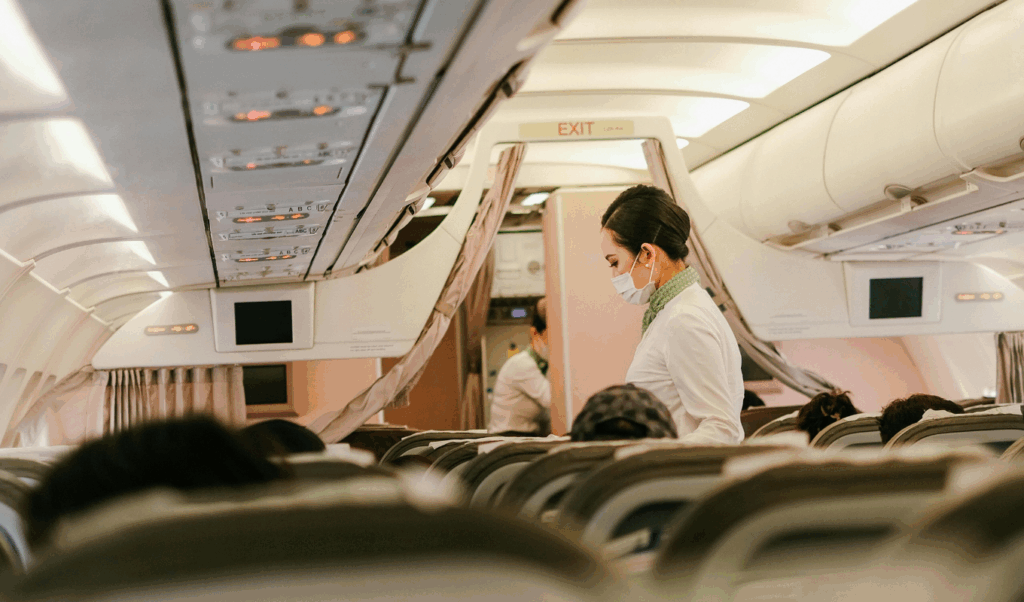
What Premium Economy Offers
Premium economy strikes a balance between comfort and cost, providing more perks than economy class without the hefty price tag of business class. Knowing what’s included helps explain why so many travelers are on the lookout for discounted premium economy tickets.
Premium Economy Features
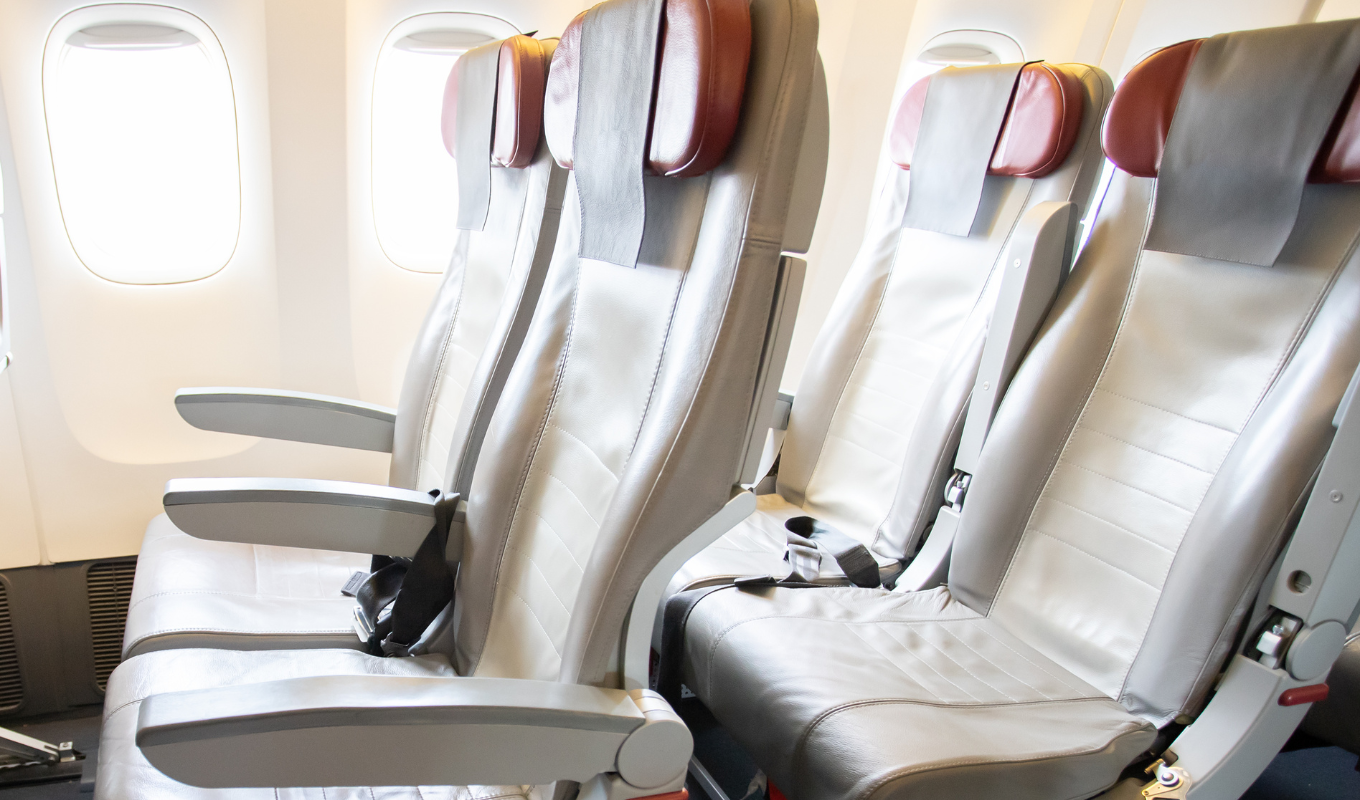
Premium economy comes with several upgrades that make a noticeable difference. You’ll enjoy extra legroom, wider seats with better recline, and priority boarding, letting you settle in without the usual boarding rush. Meals are a step up too, featuring premium ingredients, proper silverware, and often a more refined menu. Add to that extra baggage allowances (potentially saving you $100–$200 in fees) and amenity kits stocked with essentials like eye masks, earplugs, and skincare products – all for a price increase that’s relatively modest.
While premium economy seats don’t recline into flat beds, they’re far more comfortable than standard economy. Priority boarding ensures you’ll have time to stow your luggage and get settled, while mid-flight snacks and premium beverages keep you refreshed throughout the journey.
These features not only make your flight more enjoyable but also justify the higher cost compared to regular economy seats.
Why Premium Economy Is Worth the Cost
Premium economy offers excellent value: it typically costs 30% to 100% more than economy but remains far cheaper than business class. For example, business class fares from New York to Europe often exceed $3,000, while standard economy tickets range between $400 and $700. Premium economy, priced between $800 and $1,300, provides a significant comfort upgrade at a fraction of the cost of business class – especially for long-haul flights.
Airlines like Norse Atlantic use pricing strategies to make premium economy more accessible. Their fares are competitive, with an additional $150 charge for seat selection. By targeting off-peak flight times and offering optional add-ons, they keep the core premium economy benefits affordable.
The value of premium economy becomes even more apparent on overnight or long-haul flights. Extra legroom and better reclining seats can mean arriving at your destination refreshed instead of drained. For business travelers, this can enhance productivity, while vacationers benefit from starting their trip on a positive note.
When you consider the overall travel experience, the added perks – like upgraded meals, extra baggage allowances, and priority boarding – make the slightly higher price tag feel worthwhile compared to a fully loaded economy ticket.
| Class | Price Range | Key Benefits | Best For |
|---|---|---|---|
| Economy | $400–$700 | Basic seating and standard service | Budget-conscious, short trips |
| Premium Economy | $800–$1,300 | More space, better meals, priority boarding | Long-haul comfort seekers |
| Business Class | $3,000+ | Lie-flat seats, premium dining, lounge access | Travelers seeking higher luxury |
During promotional periods – such as SAS sales that typically occur every other month – premium economy fares can drop to $600–$800. At these prices, upgrading from standard economy becomes a no-brainer, offering a more comfortable and enjoyable experience without breaking the bank. Next, we’ll explore how to find these deals using smart booking strategies.

Stay Flexible with Travel Dates and Destinations
Being flexible with your travel plans can make a huge difference when hunting for affordable premium economy fares. Adjusting your travel dates by just a few days could save you anywhere from $100 to $200.
Travel During Off-Peak Times
Flying during off-peak periods is one of the easiest ways to find cheaper premium economy tickets. For example, flights that depart midweek – like on Tuesdays or Wednesdays – tend to have lower fares because there’s less demand.
If you’re open to traveling during the shoulder seasons, you’ll find even better deals. Months like January, May, and early September often bring discounted roundtrip premium economy tickets to Europe, sometimes as low as $600–$800. Compare that to the $1,200 or more you might pay during the busy summer or holiday seasons. Airlines frequently run sales during these quieter times, especially on transatlantic routes.
Another trick? Look for red-eye or early morning flights. These less popular departure times often come with reduced premium economy prices, giving you a chance to save even more.
To make finding these deals easier, tools like Google Flights and Hopper let you scan fare calendars and compare prices across different dates. These platforms can help you spot patterns and identify the best times to book.
If you’re willing to expand your search further, consider exploring alternative airports and routes.
Consider Alternate Airports and Routes
Flexibility doesn’t just apply to your travel dates – it can also mean being open to different departure points and flight paths.
Flying out of secondary airports can often lead to big savings. In many major cities, smaller or less-trafficked airports offer lower fares because they face less competition and demand. For example, choosing a secondary airport instead of a major hub could shave hundreds off your premium economy ticket.
Another option is to consider connecting flights instead of direct routes. While this might add some time to your journey, the cost savings can be well worth it, especially for long-haul international trips. For instance, cities like Dublin, Barcelona, or Amsterdam sometimes offer cheaper premium economy connections to the U.S. than direct flights from larger hubs. Even with an additional connection, you could come out ahead financially.
If you’re open to even more flexibility, split bookings can help you save. Services like Dollar Flight Club make this easier by monitoring deals across multiple nearby airports. You can set up alerts for several departure points, and they’ll notify you when premium economy discounts pop up. This approach widens your options and improves your chances of snagging a great deal.
Lastly, think about route flexibility. Sometimes taking a slightly longer or less direct route can uncover hidden discounts. Airlines often offer promotional pricing or discounted fares on certain connections, so being open to alternative cities or routings can pay off.
Of course, it’s important to weigh the savings against convenience. While alternate airports and routes can save you money, consider the added travel time, ground transportation costs, and potential risks with connections. If you’re booking multiple flight segments, it’s smart to keep everything on a single ticket. That way, the airline can assist with rebooking if delays or missed connections occur.

Use Flight Alert Services to Find Deals
Flight alert services take the hassle out of hunting for discounted premium economy tickets. Instead of constantly refreshing airline websites, these services monitor countless fares and notify you when prices drop or when rare mistake fares pop up.
How Flight Alerts Work
You start by setting your preferences – departure airports, destinations, premium economy cabin, and flexible travel dates. From there, the service continuously scans fares and sends you notifications when prices fall.
One particularly exciting perk? These services catch mistake fares, where premium economy tickets are priced as low as economy ones. But act fast – airlines usually fix these errors within hours.
They also keep an eye on limited-time promotions and flash sales. For example, airlines like SAS often run week-long sales with premium economy tickets to Europe dipping into the $600–$800 range. Without an alert service, you’d likely miss out on these savings.
To increase your chances of snagging a deal, consider adding multiple departure airports if you have several nearby. Setting flexible travel dates can also help match you with more available discounts.
Dollar Flight Club: A Game-Changer for U.S. Travelers
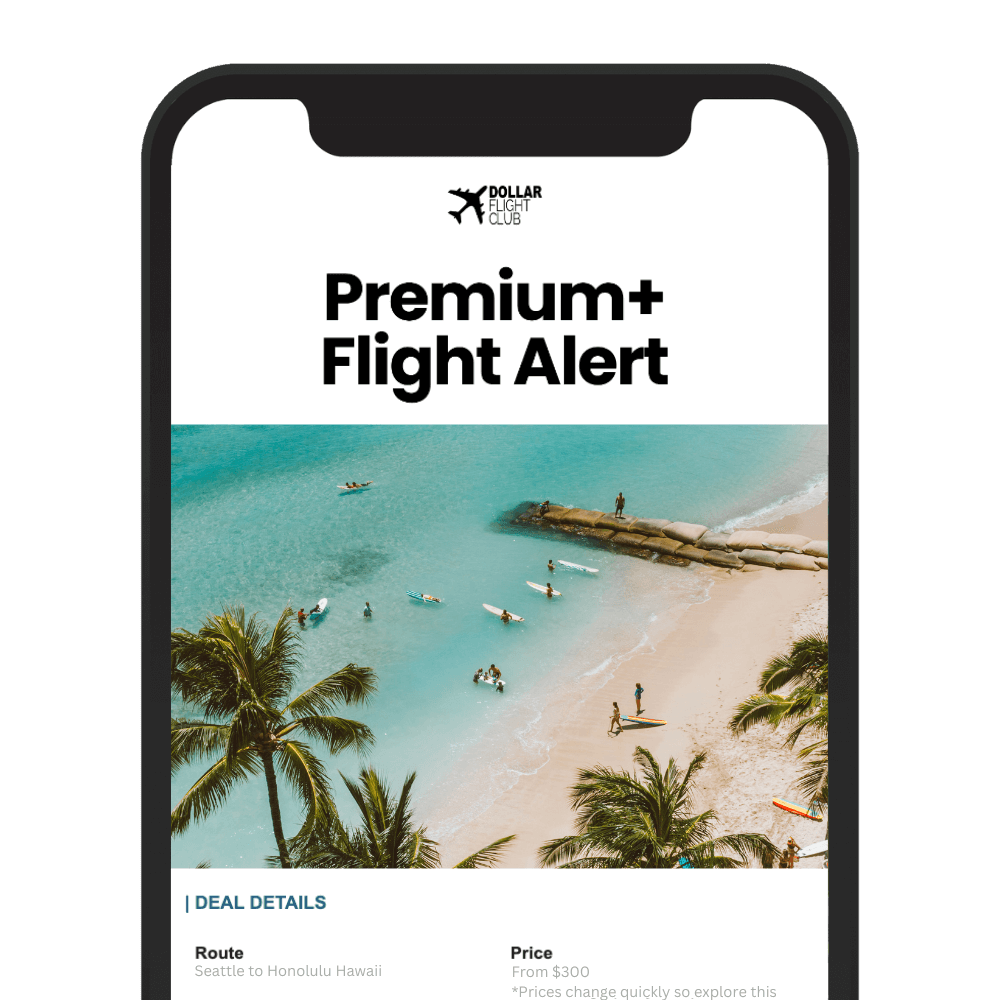
Dollar Flight Club stands out as a prime example of how flight alert services can help you score incredible premium economy deals. Their Premium+ plan, priced at $99 per year, sends SMS alerts for time-sensitive offers, ensuring you’re always in the loop.
What sets Dollar Flight Club apart is their focus on quality over quantity. Instead of bombarding you with minor price changes, their team zeroes in on deals that offer substantial savings – often $500 to $1,000 less than regular fares. Members frequently receive alerts for routes that make premium economy surprisingly affordable.
Beyond standard fare alerts, Dollar Flight Club offers exclusive deals and perks from top travel brands. This means you’re not just hearing about public sales – you’re getting access to hidden offers that aren’t widely advertised. The Premium+ plan also includes priority customer support and curated travel tips to enhance your premium economy experience.
Their mistake fare alerts are particularly noteworthy. When airlines accidentally list premium economy tickets at economy prices, Premium+ members get immediate SMS notifications, giving them a head start before the error is corrected.
You can customize alerts by tracking multiple destinations and departure points, making it easier to find deals that align with your travel goals. Plus, you can prioritize certain destinations, so your top picks get highlighted in your notifications.
With a proven track record of finding fares up to 90% off and a 4.5/5 Trustpilot rating from over 1,000 reviews, Dollar Flight Club’s Premium+ plan quickly pays for itself. Members often save hundreds of dollars on just one or two bookings, making it a must-have tool for anyone looking to fly premium economy without breaking the bank.

Use Airline Sales, Loyalty Programs, and Credit Card Rewards
Airlines frequently offer discounted premium economy tickets through promotions, loyalty programs, and credit card partnerships. When used wisely, these options can shave hundreds of dollars off your ticket price.
Track Airline Sales and Promotions
Big sales events are a great way to snag premium economy tickets at a fraction of the usual cost. Promotions around Black Friday, Cyber Monday, and other holidays often include limited-time discounts aimed at premium cabin travelers.
Take SAS as an example: they’ve been known to offer premium economy fares to Europe for as low as $600–$900 roundtrip during sales. Compare that to the usual price, which often exceeds $1,500, and you’re looking at potential savings of $500–$1,000 per ticket. Timing is everything with these deals.
To stay ahead, subscribe to airline newsletters and follow their social media accounts. Airlines often send exclusive deals to email subscribers before making them public. Tools like Google Flights can also help by alerting you to price drops on your preferred routes.
Beyond major sales, airlines run targeted promotions throughout the year to fill seats during slower travel periods. Pairing these discounts with loyalty programs and credit card rewards can stretch your travel budget even further.
Use Loyalty Programs and Points
Frequent flyer programs offer another way to lock in premium economy seats for less. By redeeming miles or points, you can score steep discounts – or even free tickets.
For example, Delta and United allow members to use miles for affordable upgrades from economy to premium economy. British Airways sweetens the deal with its Companion Voucher (available through their American Express partnership), letting two people travel for the Avios cost of one ticket on BA-operated flights.
If you focus your flying within a single airline alliance, you’ll rack up miles and reach elite status faster. This can unlock perks like complimentary upgrades and better availability for award seats. Just remember, award seats can be harder to find during peak travel times, so book early and be flexible with your dates.
When paired with flexible travel plans, loyalty programs can help you get the most value out of your premium economy experience.
Get the Most from Travel Credit Card Rewards
Travel credit cards can be a game-changer for lowering premium economy costs, thanks to sign-up bonuses, rewards, and travel perks. The trick is choosing a card that fits your travel habits and making the most of its benefits.
Some cards also offer bonus points for travel-related purchases, which means you’ll earn rewards faster when booking discounted premium economy tickets. Keep an eye out for special promotions tied to your credit card, as these often include statement credits or extra points for booking flights.
To maximize savings, combine strategies: book during an airline sale, use a travel credit card to earn points, and apply any available statement credits or travel perks. Don’t forget to compare cash prices versus points redemptions before finalizing your booking – this ensures you’re getting the best bang for your buck.

Compare Fare Options Before Booking
When planning your next trip, take the time to compare fare options before locking in your booking. Spotting a deal is just the beginning – dig deeper to ensure there aren’t hidden fees or restrictions that could inflate your total cost.
Specialized tools can help you break down fares and uncover any extra charges that might not be obvious at first glance.
Use Fare Comparison Tools
Platforms like Google Flights and Skyscanner are fantastic for comparing fares. They let you filter options by cabin class and look at what’s included in the ticket price. Pay close attention to additional costs for services like seat selection and baggage, as these can vary widely between airlines.
For example, while some airlines bundle perks like seat selection and priority boarding into their fares, others tack on extra fees – sometimes as high as $100 to $200. Take Norse Atlantic’s premium economy fares from JFK to Europe: these typically range between $800 and $1,300 for a roundtrip, but seat selection alone could add around $150 to your total cost.
Always review fare details carefully. Look for inclusions such as baggage allowances, meal service, and flexibility for changes or cancellations. A ticket that seems $200 cheaper upfront might actually cost more once you factor in these extras.
For U.S. travelers, additional fare comparison tools can help track premium economy deals and provide clear information about departures from major U.S. airports, ensuring you get the best value for your trip.
Monitor Fare Trends and Book at the Right Time
Set up price alerts on tools like Google Flights to track fare trends and identify the best time to book. These alerts notify you when prices drop for your chosen routes, giving you a chance to snag lower fares.
Timing is everything. For international premium economy flights, the sweet spot for booking is usually 2–8 months in advance. For domestic routes, aim for 1–3 months ahead to find the best deals. Airlines like SAS frequently run promotions where premium economy fares drop to $600–$800 roundtrip, compared to their usual $900–$1,400 range. These sales often last only a few days, so having alerts in place can help you save as much as $500–$1,000 per ticket.
Don’t overlook the option of booking two separate one-way tickets instead of a roundtrip. Depending on the route and available promotions, this strategy can sometimes result in a lower total cost.
Whenever possible, book directly through the airline. This not only simplifies the process of making changes but also ensures better customer service. Keep monitoring fares even after booking to refine your strategy for future trips and maximize savings.
Start Saving on Premium Economy Tickets
Scoring affordable premium economy tickets gets easier when you use the right strategies. Airlines price tickets based on factors like flexibility, timing, and exclusive offers, and you can take advantage of these to save big.
To maximize savings, try combining several approaches. Being flexible with your travel dates and considering alternate airports can make a huge difference – sometimes slashing $500 to $1,000 off the price of a transatlantic ticket. This flexibility consistently leads to cheaper premium economy fares.
Flight alert services are another great tool for snagging deals quickly. Premium economy discounts often have short windows, and error fares can disappear in hours. Services like Dollar Flight Club send email and SMS alerts for discounted flights, including premium economy offers with savings of up to 90%. These alerts give U.S. travelers a head start on deals that might otherwise slip by unnoticed.
Beyond alerts, make use of loyalty programs and travel credit card rewards to cut costs even further. Programs like British Airways’ companion voucher or Amex Membership Rewards can help you secure premium seats at reduced prices.
Here’s how you can start saving: sign up for Dollar Flight Club, track fares on Google Flights, and join airline loyalty programs. Don’t forget to review your travel credit card perks as well. With premium economy tickets ranging from $800 to $1,400 on budget carriers compared to $1,500 to $2,500+ on legacy airlines for similar routes, the potential savings are worth the effort.
Stay flexible, act fast, and you’ll be ready to grab the best deal when it appears.
FAQs
What’s the best way to find discounted premium economy tickets using flight alerts?
If you’re looking to score discounted premium economy tickets, flight alert services can make all the difference. Take Dollar Flight Club, for example. They send out email and SMS alerts for flights with steep discounts – sometimes up to 90% off – on both domestic and international routes.
Subscribing not only gives you access to these incredible deals but also unlocks travel perks and discounts from leading travel brands. It’s a smart way to elevate your travel experience without overspending.
How can I use credit card rewards to save money on premium economy tickets?
Using credit card rewards can be a great way to save on premium economy tickets. Start by using a travel rewards credit card to rack up points or miles on your everyday spending. Many of these cards allow you to redeem rewards directly for flights or transfer them to airline loyalty programs, which can unlock even better deals.
Some credit cards also come with added travel perks, like statement credits for airfare or discounts on premium cabin upgrades. Pairing these benefits with frequent flyer programs can stretch your savings even further while giving you a more comfortable and enjoyable travel experience.
Can flying from alternate airports or choosing connecting flights help save on premium economy tickets?
Flying out of alternate airports or choosing connecting flights can often lead to savings on premium economy tickets. Smaller, less crowded airports sometimes offer lower fares compared to major hubs, so it’s worth checking prices from nearby locations. Similarly, flights with layovers are usually cheaper than nonstop options, as direct routes often come with higher price tags.
Being flexible with your departure and arrival points, along with considering connecting flights, can greatly boost your chances of snagging discounted premium economy fares.