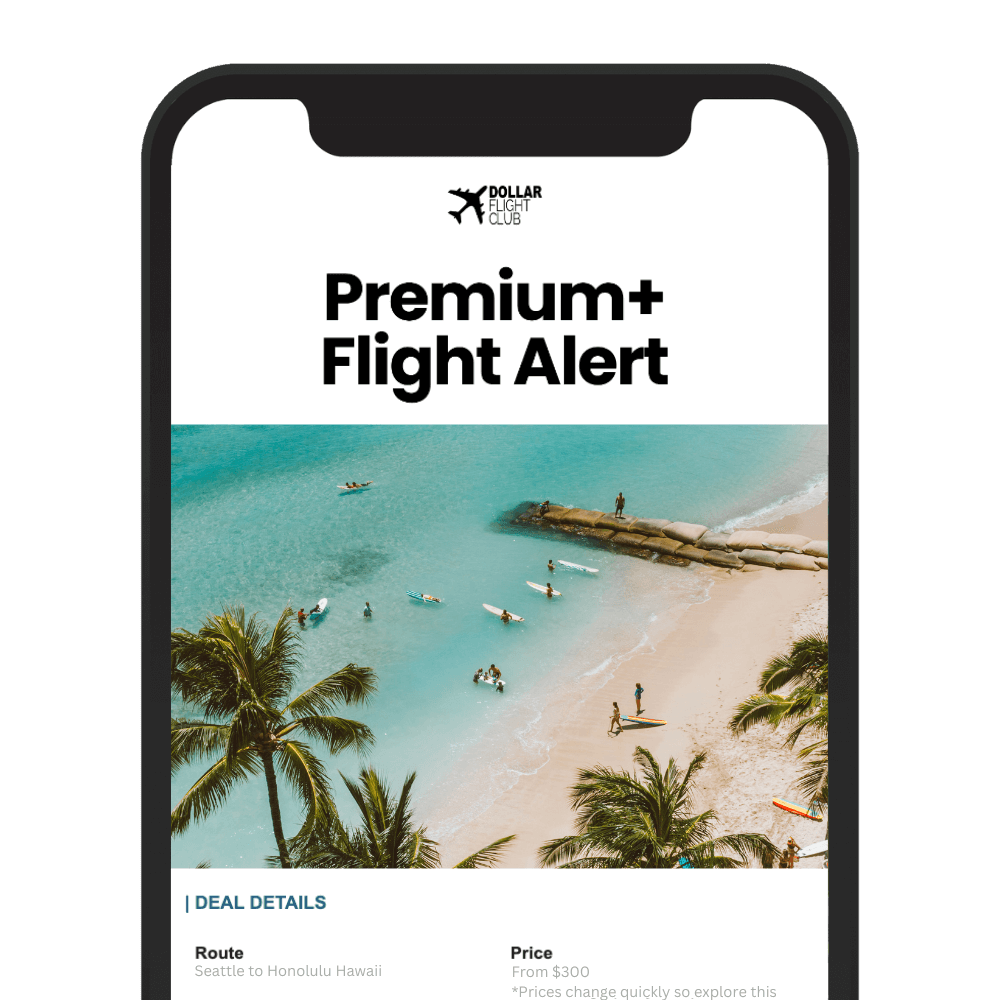

Want cheaper flights for fall travel? Timing is everything. Here’s what you need to know:
- Domestic Flights: Book 21–60 days before departure for the best prices. For busy weekends like Columbus Day, aim for the earlier end of this range.
- International Flights: Plan ahead – book 2–8 months in advance. For popular routes like Europe, 4–6 months is ideal.
- Cheapest Weeks to Fly: Early to mid-September and early October offer the lowest fares before prices rise in November.
- Best Days to Fly: Monday to Wednesday flights are up to 13% cheaper than weekends. Avoid Sundays, the most expensive day.
- Fall Discounts: Domestic fares drop 21% on average compared to summer, while international routes see savings up to 33% (or more on specific routes).
To save even more, use fare alerts, consider nearby airports, and stay flexible with your travel dates. Fall shoulder season (Labor Day to early November) is your window for big savings.

How Fall Flight Prices Work
What Is Shoulder Season?
Shoulder season is the sweet spot between peak travel times and off-peak periods. For fall, it kicks in right after the summer vacation frenzy wraps up and stretches until the holiday travel rush begins. With schools back in session and work routines back on track, travel demand takes a dip. Airlines respond by slashing fares to fill seats left over from summer, giving savvy travelers a chance to snag some serious savings. Knowing how far in advance to book flights and understanding these seasonal patterns helps explain why fall airfare often feels like such a bargain.
Fall Pricing Patterns
Once summer wraps up, airfare prices take a noticeable dive. For domestic flights, September and October fares average about $211 – that’s a drop of around 29% to 30% compared to the summer highs. International flights follow a similar trend, with routes to Europe averaging $738 in the fall, down from over $1,000 during summer. That’s a savings of nearly $330 per ticket.
To put it into perspective, here are some standout examples of fall savings:
| Route | Peak Summer Fare | Fall Fare | Drop |
|---|---|---|---|
| New York to Paris | $1,184 | $684 | 41% |
| Madrid, Spain | $1,098 | $565 | 49% |
| Barcelona, Spain | $1,112 | $591 | 47% |
| Bologna, Italy | $1,263 | $658 | 48% |
The best deals typically pop up in early September and October. But as November nears and holiday travel demand heats up, prices start climbing again. Adding to this, the rise of remote work has encouraged more people to plan fall getaways, with fall bookings surging by as much as 30% compared to past years. This makes it even more important to book during the prime window to lock in those lower fares. The timing is everything when it comes to maximizing these seasonal deals.

How Far in Advance to Book Fall Flights
Getting the timing right for booking flights can make all the difference. Book too early, and you might end up spending more than you need to. Wait too long, and the best deals on airfare – or even seats – could vanish. The sweet spot for booking depends on whether you’re flying within the U.S. or heading abroad. Let’s break it down.
Domestic Flights: Best Booking Window
If you’re planning domestic travel this fall, aim to book your tickets 21 to 60 days before your trip. This timeframe typically offers the best prices before demand starts driving fares up. For popular travel weekends like Columbus Day or Halloween, it’s smart to book earlier in this range to secure the best rates.
International Flights: Plan Further Ahead
For international trips, you’ll need to plan further out – anywhere from 2 to 8 months before departure. If you’re flying on long-haul or in-demand routes, such as those to European hotspots, aim for 4 to 6 months ahead. For example, Italy and Portugal have seen capacity increases of 55% and 45%, respectively, making early booking especially important. If you’re traveling to see peak fall foliage, book between September 17 and October 10 to avoid price surges as seats fill up.

Cheapest Weeks and Days to Fly in Fall
When it comes to fall travel, timing is everything. The week you choose and the specific day you fly can make a big difference in airfare costs.
Best Weeks to Fly in Fall
If you’re looking to save, early to mid-September and early October are your best bets. Domestic round-trip airfare in September has been about 8% lower than the previous year, while October fares have dropped around 7% year-over-year. For example, a flight priced at $320 in September could jump to $400 or more by December.
International travelers can also snag deals during this time. Flights to France have seen prices drop nearly 20% during the fall shoulder season, and fares to the U.K. are down about 18% compared to last year. Besides the savings, September and October bring cooler weather and fewer crowds, making them ideal months to travel.
Once you’ve nailed down the best weeks, knowing which days to fly can help you stretch your travel budget even further.
Cheapest Days of the Week to Fly
For the best prices, aim to fly between Monday and Wednesday. Airfares on these days are roughly 13% cheaper than weekend flights. If you can, schedule your departure for Tuesday or Wednesday and plan your return for Saturday or the following Tuesday. This strategy could save you 15%–25% compared to flying over the weekend.
Sundays, on the other hand, are the priciest day to fly, as many travelers head home before the workweek starts. Interestingly, flying domestically on a Friday can also be a smart choice, with potential savings of up to 12.6% compared to Sunday departures.

Common Booking Mistakes That Cost You More
Booking mistakes can quietly drain your wallet if you’re not paying attention. Steering clear of these common pitfalls, especially during fall travel, can help you stick to the best booking windows and save big.
Booking Too Early or Too Late
Timing is everything when it comes to airfare. Book too early, and you could end up paying up to 36% more than if you waited for the ideal window. On the other hand, waiting until the last minute can lead to steep fare hikes, especially as demand surges for popular fall weekends and Thanksgiving travel. For domestic flights, sticking to the recommended booking window can save you around 25% compared to outside-the-window purchases. If you’re planning an international trip, aim to book 2–6 months in advance for the best deals.
Ignoring Flexible Dates and Nearby Airports
Tweaking your travel plans can make a big difference in your budget. Adjusting your travel dates or choosing a nearby airport often results in significant savings. For example, moving a transatlantic flight from Friday to Wednesday could save you anywhere from $80 to $200 on the same itinerary. Similarly, flying into an alternative airport, like Oakland (OAK) instead of San Francisco (SFO), can help cut costs considerably. These small shifts add up, especially during the fall when shoulder season pricing already favors flexible travelers.
Skipping Fare Alerts to Track Prices
Fall airfare tends to fluctuate as demand rises for foliage trips and early holiday getaways. Fare alert tools, such as those offered by Dollar Flight Club, track price drops on your preferred routes, potentially saving you up to 90% on both domestic and international flights. These tools allow you to set alerts for specific departure airports and destinations, so you’re ready to jump on deals as soon as they appear. While there’s a free plan available, the Premium+ tier at $99 per year offers extras like SMS alerts, business class deals, and exclusive member fares.
To truly maximize your savings, compare all your options – nonstop versus one-stop flights, alternative airports, and flexible dates. By keeping your options open and using these strategies, you can consistently lock in the best fares for your fall travel plans.

Key Takeaways for Booking Fall Flights
Traveling in the fall can mean snagging some great deals, thanks to reduced demand during this season. For instance, domestic round-trip airfare in September 2024 was about 8% lower compared to 2023. International flights also see significant price drops, ranging from 15% to as much as 60% after the summer rush ends.
Timing is everything when it comes to booking. For domestic flights, aim to book 21 to 60 days in advance. For international trips, plan ahead by 2–6 months. Waiting too long – especially within 14 days of your departure – will almost always result in higher costs.
Here’s an example of the savings you can expect: A round-trip flight from Los Angeles to London in September could cost around $415, compared to $540 in June. Similarly, a flight from New York to Honolulu drops from $700 in July to just $420 in September – a 40% price cut. These examples show how timing can make a big difference.
Flexibility is another key to saving. Adjusting your travel dates by a day or two, exploring flights from nearby airports, or using the best flight search engines and fare-tracking tools like Dollar Flight Club can help you catch price drops and maximize your savings on already discounted fall fares.
FAQs
Do fall flight prices drop again after I book?
Flight prices are known to fluctuate often, influenced by demand and availability. While fall is typically a good time for cheaper fares due to its status as a shoulder season, prices can still shift after you’ve booked. To stay ahead and potentially save more, tools like Dollar Flight Club can be a game-changer. These services track your chosen routes and notify you of major price drops, helping you snag a better deal without constantly checking yourself.
How do I know if a “cheap” fall fare is actually a good deal?
Finding a true fall flight deal takes a bit of strategy. Start by using tools like Google Flights, which can compare current prices with historical averages for your route. If the fare is noticeably lower than the seasonal norm, you’ve likely found a solid bargain.
Keep in mind that airlines rely on dynamic pricing, meaning fares can change frequently. To stay ahead, set up fare alerts with services like Dollar Flight Club to get notified when prices drop. On the flip side, if you notice prices climbing, it’s a sign that the cheaper fare tiers have already sold out. Timing is everything!
What if I have to travel on a weekend in the fall?
If you’re planning to fly over the weekend, Saturday is your best bet. It’s usually less crowded and cheaper than Sunday or Friday. While Tuesday and Wednesday are still the most budget-friendly days to travel, flying on a Saturday can save you about 17% compared to Sunday. On the other hand, avoid booking flights on Sunday or Monday. These days tend to have higher fares, as they’re popular with business travelers and people returning from weekend trips.