Istanbul is a city like no other – it straddles Europe and Asia, offering a mix of ancient landmarks, lively markets, and delicious food. Here’s what you need to know to plan your trip:
- Best Times to Visit: Spring (April–May) and fall (September–October) for mild temperatures and fewer crowds.
- Top Attractions: Hagia Sophia, Blue Mosque, Topkapi Palace, Grand Bazaar, and a Bosphorus cruise.
- Must-Try Foods: Simit, kebabs, baklava, and Turkish tea.
- Getting Around: Use the IstanbulKart for public transport, including trams, ferries, and buses.
- Daily Costs: Budget travelers can spend $40–$85/day, while mid-range expenses are $90–$150.
From iconic sites like Hagia Sophia to bustling bazaars and mouthwatering street food, Istanbul offers an unforgettable mix of history and modern life. Whether you’re exploring Sultanahmet, strolling through Kadıköy, or cruising the Bosphorus, this guide has everything you need to make the most of your visit.
Top Attractions in Istanbul
Istanbul’s rich history and architectural splendor are concentrated in Sultanahmet, a neighborhood you can explore in just a day. From Byzantine wonders to bustling bazaars, each landmark tells a unique story. Conveniently, most of these iconic sites are accessible via the T1 tram line.
Hagia Sophia
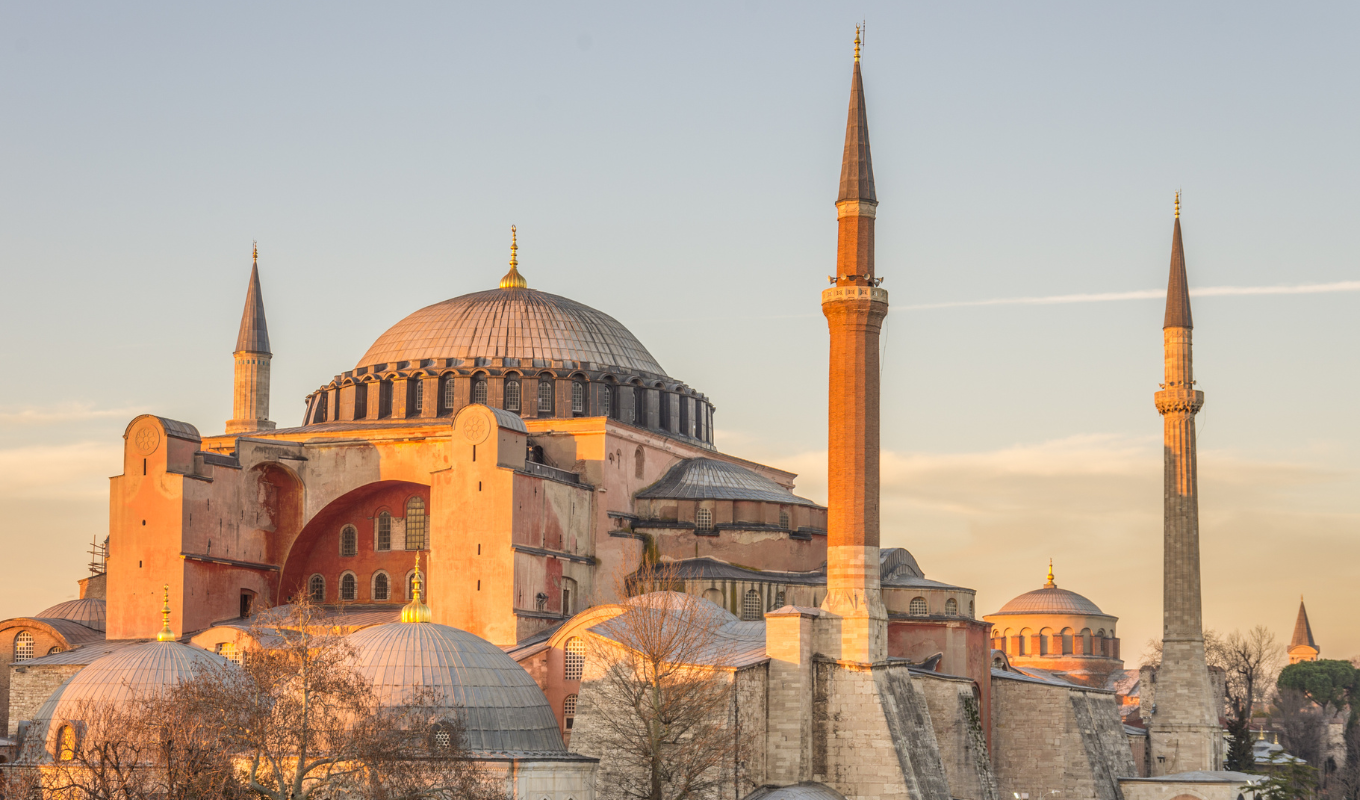
This 1,500-year-old masterpiece has seen it all: it began as the world’s largest cathedral, became a mosque, transitioned into a museum, and returned to mosque status in 2020. Its massive dome, soaring 182 feet (55.6 meters), is a testament to Byzantine engineering brilliance. Emperor Justinian I himself declared it a crowning achievement upon its completion.
As of January 2024, non-Muslim visitors can only access the upper gallery, where they can admire intricate Byzantine mosaics and detailed craftsmanship. The ground floor is reserved exclusively for prayer. Tickets cost around 1,200 TL (~$25), with skip-the-line options priced between $30 and $60. Modest attire is required – shoulders and knees must be covered, and women should use a provided scarf to cover their hair. To avoid crowds, aim to visit by 8:00 AM and steer clear of the five daily prayer times, especially the extended Friday midday prayer session.
Just a short stroll away lies another architectural gem: the Blue Mosque.
Blue Mosque
Directly across from Hagia Sophia, the Sultan Ahmed Mosque, or Blue Mosque, dazzles with its interior lined with over 20,000 blue İznik tiles. Its six minarets and harmonious design epitomize Ottoman elegance. Entry is free, though donations are welcome. Visitors should dress modestly, respect prayer times, and remove their shoes before entering this active place of worship. For a quieter experience, visit early in the morning or later in the afternoon.
Topkapi Palace
Once the administrative hub of the Ottoman Empire for nearly 400 years, Topkapi Palace is a sprawling complex that offers a window into imperial life. Among its highlights are the Imperial Treasury, home to the dazzling 86-carat Spoonmaker’s Diamond, and the Harem section, which housed over 300 concubines at its peak.
The Harem requires a separate ticket and is often considered the most striking part of the palace. While there are no official skip-the-line tickets for individual visitors, guided tours – priced between $80 and $150 – are a popular way to bypass long queues, which can exceed 60 minutes. These tours typically include Harem access and provide historical insights that enhance the experience.
| Feature | Standard Entry | Guided Tour |
|---|---|---|
| Queue Time | Up to 60 minutes | Minimal |
| Harem Access | Separate ticket needed | Usually included |
| Experience | Self-guided or audio tour | Expert-led narratives |
| Price | ~$30–$45 | $80–$150 |
After immersing yourself in Ottoman splendor, head to the bazaars to experience Istanbul’s vibrant shopping scene.
Grand Bazaar and Spice Bazaar
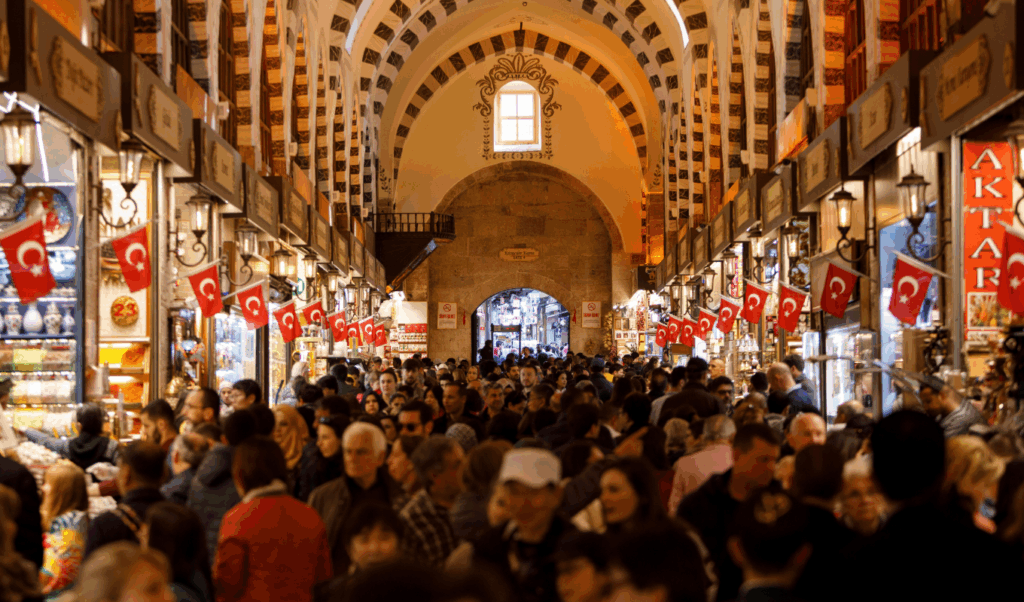
The Grand Bazaar, established in 1461, is a maze of 61 streets filled with over 4,000 shops. It’s a treasure trove for items like hand-painted İznik ceramics, colorful glass lanterns, Turkish rugs, and hammam towels. Meanwhile, the smaller Spice Bazaar in Eminönü is a paradise for food lovers, offering sumac, pul biber (red pepper flakes), saffron, Turkish delight, and herbal teas.
Both bazaars open around 8:30 AM and close at 7:00 PM, Monday through Saturday (closed on Sundays). Arriving early lets you enjoy the lively atmosphere before the crowds flood in. Bargaining is part of the fun – start by offering 40–50% of the asking price and aim to settle at 50–70% of the initial quote. If negotiations stall, walking away politely often leads to a better deal. For small purchases like spices or sweets (typically $2–$5), carry Turkish lira, though credit cards are widely accepted for larger items.
Bosphorus Cruise
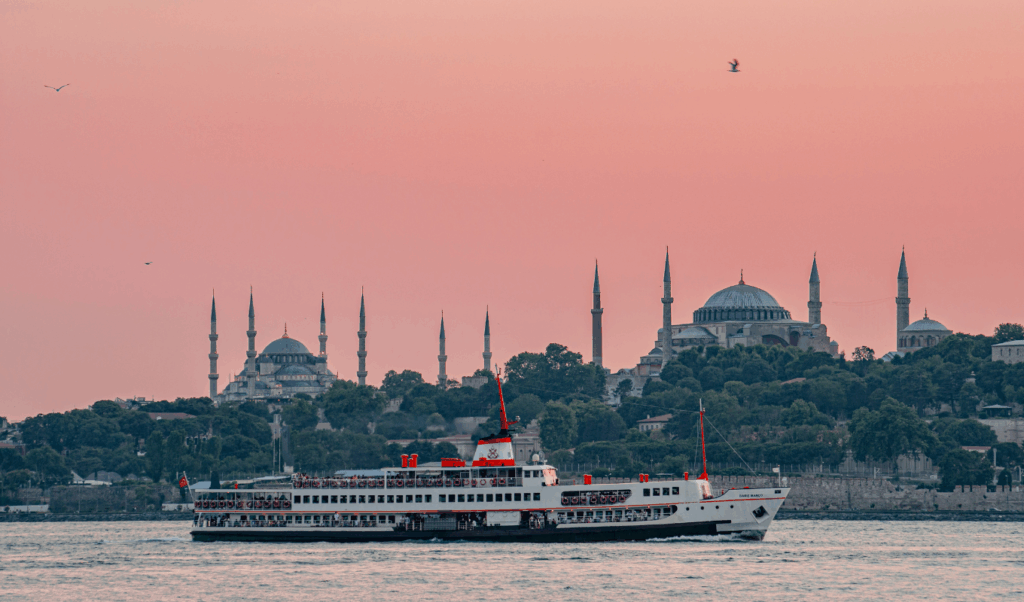
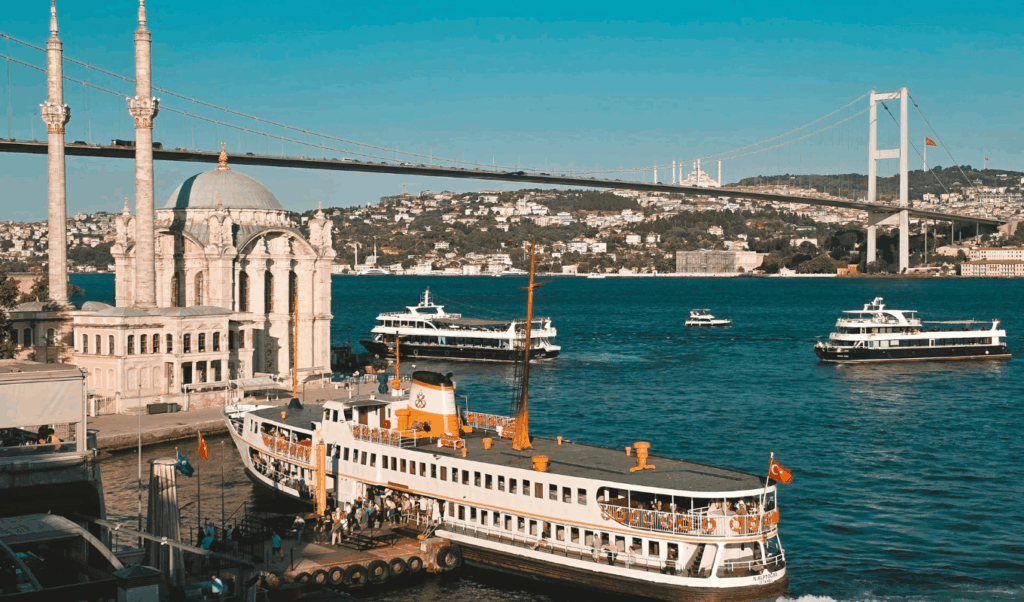
A cruise along the Bosphorus Strait offers a stunning perspective of Istanbul’s unique position between Europe and Asia. Public ferries to the Asian side are an affordable option, costing around 400–800 TL (~$8–$17). Sunset cruises, which highlight landmarks like Dolmabahçe Palace and Rumeli Fortress, are a favorite for their cooler temperatures and breathtaking photo opportunities. Using an IstanbulKart makes accessing public ferries simple and convenient.
Whether you opt for a budget ferry or a sunset cruise, the view from the water is unmatched, offering a glimpse into why this strait has been a vital trade route for centuries.
Best Neighborhoods to Visit
Istanbul’s neighborhoods are a fascinating mix of history and modern energy, each offering something distinct. From ancient landmarks to buzzing streets, these areas provide a glimpse into the city’s rich character.
Sultanahmet
Sultanahmet is home to some of Istanbul’s most famous landmarks, but it also hides some lesser-known treasures. Take the Basilica Cistern, for example – a stunning 6th-century underground reservoir supported by 336 marble columns, including two mysterious Medusa heads positioned at odd angles. Entry during the day costs about 1,500 TL (around $31), while evening visits after 7:30 PM can go up to 2,500 TL (roughly $52). Once capable of holding 80,000 cubic meters of water and surviving 22 earthquakes, this cistern is a testament to Istanbul’s incredible history.
For a quieter shopping experience, check out the Arasta Bazaar, tucked behind the Blue Mosque. This smaller market specializes in traditional textiles and ceramics, offering a more relaxed alternative to the Grand Bazaar. Nearby, the Istanbul Archaeology Museums house over a million artifacts spanning multiple civilizations, while the Museum of Turkish and Islamic Arts, located in the Ibrahim Pasha Palace, boasts incredible collections of carpets and manuscripts. If you’re planning to visit multiple sites, the Museum Pass Istanbul is a great option to save time and skip lines.
Beyoğlu and Galata
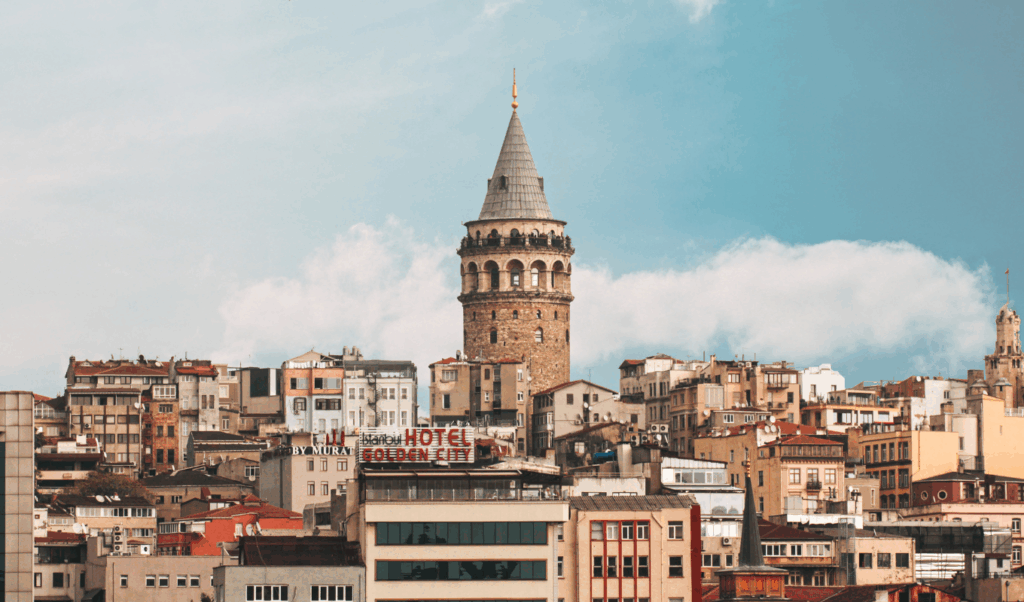
Beyoğlu is where modern Istanbul thrives, bursting with creativity and culture. The Galata Tower, a 14th-century Genoese structure, offers breathtaking 360° views of the city for approximately 1,060 TL (about $22). It’s best to visit early to avoid the crowds and fully enjoy this iconic landmark. Around the tower, Galata’s winding medieval streets are filled with antique shops, coffee roasters, and bakeries serving treats like the ever-popular San Sebastian cheesecake.
İstiklal Avenue, a pedestrian street stretching 1.4 kilometers from Galata to Taksim Square, is lined with neoclassical and Art Nouveau buildings. A charming red tram runs along the avenue, but don’t miss exploring the side streets. Places like Çukurcuma are known for antique treasures, while Serdar-ı Ekrem is a hotspot for vintage fashion. Cultural stops include the Pera Museum, featuring Orientalist art and ceramics, and the Museum of Innocence, inspired by Orhan Pamuk’s novel, which offers a unique glimpse into Istanbul’s social history.
For something spiritual, the Galata Mevlevi House Museum hosts Whirling Dervish ceremonies every Wednesday. These Sufi rituals are a mesmerizing experience, but keep in mind that photography is usually not allowed, and respectful silence is expected during the performance.
Kadıköy (Asian Side)
Kadıköy, located on the Asian side of Istanbul, offers a more laid-back and authentic vibe. Known for its youthful energy and bohemian spirit, this neighborhood attracts students, artists, and locals seeking a break from the bustling European side. It’s also budget-friendly, with lower prices for food, shopping, and accommodation.
Getting to Kadıköy is easy – public ferries from Eminönü provide a scenic 20-minute ride across the Bosphorus, offering stunning views along the way. Once you arrive, you’ll find vibrant produce markets, vintage shops, and street food stalls that reflect the rhythm of daily life in Istanbul. Kadıköy perfectly blends the city’s historic charm with a lively, modern twist, making it a must-visit for anyone wanting to experience Istanbul like a local.
What to Eat in Istanbul
Istanbul is a city where food is an art form, with many restaurants focusing on specific cuisines. Whether you’re visiting a kebapçı for expertly grilled meats, a balikçı for fresh seafood, or a meyhane for a spread of meze paired with raki, every meal feels like a masterclass in flavor. From street vendors to upscale dining spots, the city’s culinary scene offers something unforgettable at every turn. Here’s a closer look at some of the must-try eats in Istanbul.
Street Food
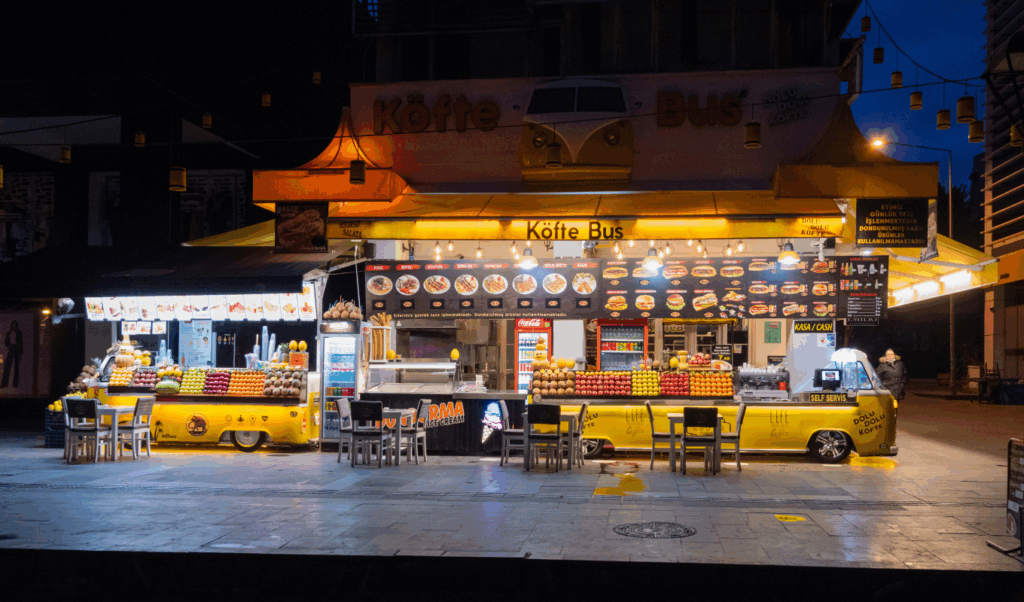
Istanbul’s street food scene thrives in bustling areas like Eminönü, Karaköy, Kadıköy, and Beşiktaş, particularly near ferry docks and tram stops. One of the most iconic snacks is simit – a sesame-covered bread ring that’s a staple of daily life. Priced at just 20–25 TL (around $0.50), simit is everywhere, with places like Galata Simitçisi selling thousands daily to hungry locals and tourists alike.
Down by the water in Eminönü, you can grab a balık ekmek (grilled fish sandwich) fresh from the boats along the Golden Horn for about 260–300 TL ($6–$7). Feeling adventurous? Try midye dolma (stuffed mussels) for 20–30 TL each or the late-night favorite kokoreç (grilled lamb intestines).
In Taksim Square, you’ll find the famous islak hamburger (wet burger) at Kızılkayalar büfe. This garlicky, tomato-soaked burger costs about 80 TL ($1.80) and is a must-try. Over in Ortaköy, kumpir (loaded baked potatoes) is a crowd-pleaser, stuffed with toppings like cheese, corn, pickles, and olives, with prices ranging from 350 to 600 TL ($8–$14). Most street food vendors only accept cash, so keep small bills handy.
Main Dishes
For meat lovers, a kebapçı is the place to go. Classics like İskender kebab – thinly sliced meat over bread with tomato sauce and butter – and the spicy Adana kebab are always a hit. If you’re looking for something unique, try cağ kebabı, a regional specialty where lamb is grilled on a horizontal spit. At Çiya Kebap, chef Musa Dağdeviren serves over two dozen meat dishes, including the intriguing lahm-i kiraz (meatballs with cherries and onions).
Meyhanes, or taverns, are the heart of Istanbul’s meze culture. Here, you’ll find small plates like lakerda (salted bonito), tarama (fish roe dip), and zeytinyağli (vegetables in olive oil). Eggplant alone can appear in up to 15 different forms, showcasing the creativity behind these dishes. For seafood, head to a balikçı for specialties like grilled bluefish, hamsi (anchovies), and sea bass.
If you’d prefer home-style cooking, visit an esnaf lokantası (tradesmen’s cafeteria). Favorites include hünkar beğendi (veal over eggplant puree) and karnıyarık (stuffed eggplant). Pandeli Lokantası, a historic spot in the Spice Market, has served these dishes to icons like Audrey Hepburn. For dough-based delights, try lahmacun (thin flatbread with minced meat), pide (boat-shaped flatbread), or manti (tiny dumplings with yogurt). At Turk Fatih Tutak, a two-Michelin-starred restaurant, manti is elevated with aged Turkish Wagyu and beef garum.
Turkish Desserts
Desserts in Istanbul are an experience in themselves. Baklava, with its 40 layers of phyllo dough, pistachios or hazelnuts, and syrup, is a labor of love. At Karaköy Güllüoğlu, baklava masters spend years perfecting their craft, with each batch taking hours to prepare. For something warm and indulgent, try künefe – a dessert of shredded phyllo, melty cheese, and syrup. As photographer Kien puts it, “one bite fills your mouth with a crunchy exterior and a gooey, cheesy center.”
Dondurma (Turkish ice cream) is another must-try, known for its stretchy texture and resistance to melting. Made with goat milk, it’s best enjoyed at spots like Mado or Damla Dondurma Boza. If you’re in the mood for milk-based puddings, tavukgöğsü (made with shredded chicken breast) and kazandibi (with a caramelized crust) are widely available at specialty shops.
For seasonal treats, ayva tatlısı (baked quince with clotted cream) is a winter favorite, while irmik helvası (semolina halva) offers a nutty, warm flavor, often paired with ice cream for a contrast in textures. And of course, don’t leave without sampling Turkish delight (lokum) from HazerBaba in the Spice Market. These fragrant jelly candies come in flavors like pomegranate, pistachio, and chocolate, making them a perfect souvenir – or snack for the road.
Things to Do in Istanbul
Once you’ve explored Istanbul’s iconic sights and indulged in its rich flavors, dive deeper into the city’s vibrant traditions. From spiritual ceremonies to ancient bathing rituals and the lively art of bargaining, these activities offer a window into Istanbul’s soul.
Attend a Whirling Dervish Ceremony
The Whirling Dervish ceremony, or Sema, is an 800-year-old Sufi tradition of the Mevlevi Order. Recognized by UNESCO as part of the “Heritage of Humanity” in 2005, this mesmerizing ritual involves dervishes spinning gracefully in white robes and tall hats (sikke), symbolizing the journey of the soul. The dervishes’ movements are deeply symbolic: their right hand reaches upward to receive blessings, while their left hand points downward to share those blessings with the world.
There are several venues in Istanbul where you can witness this spiritual practice:
- Hodjapasha Dance Theater: Located in a beautifully restored 15th-century building, this venue hosts daily performances at 7:00 PM starting in March. Tickets range from $34 to $56.
- Silivrikapı Mevlana Cultural Center: For a more community-oriented experience, this center holds ceremonies on Thursdays at 8:30 PM and Saturdays at 7:00 PM, with tickets priced around $39 per adult.
- Galata Mevlevi Museum: This intimate lodge (tekke), accommodating only 150 guests, offers ceremonies on Sundays at 5:00 PM for approximately 150 TL.
Tickets often sell out quickly, so booking in advance is a must. Arrive at least 30 minutes early to settle in without disturbing the serene atmosphere. Modest attire is required – cover your shoulders and knees – and remember the etiquette: no applause, no flash photography, and absolute silence. As Istanbul Tourist Information explains, “The Sema is a form of prayer and meditation. The best way to show your appreciation is to remain silent and still throughout the performance.”
Visit a Turkish Hamam
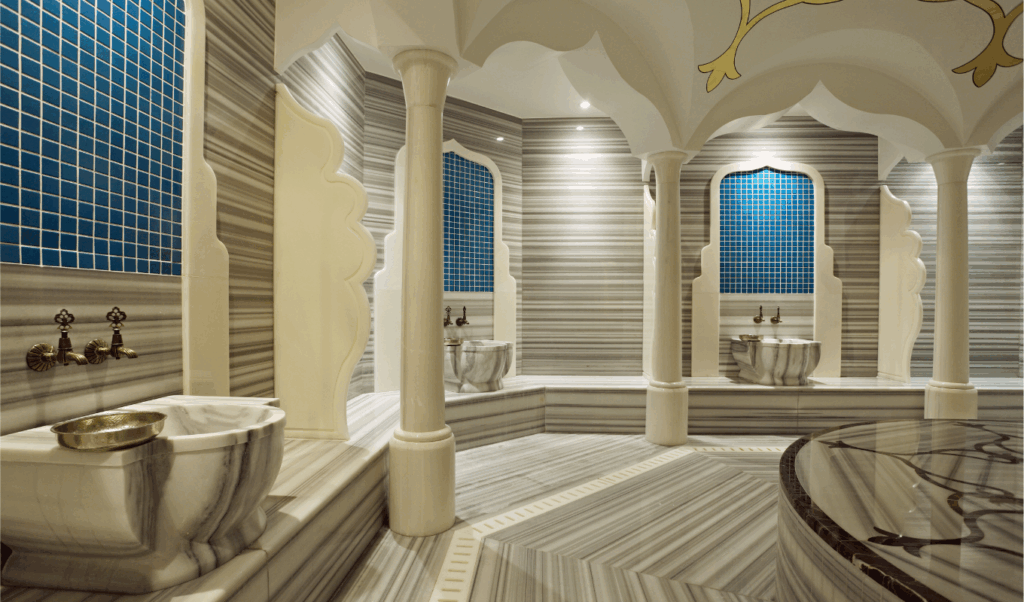
A visit to a Turkish hamam is more than just a bath – it’s a centuries-old cleansing ritual involving heat, steam, a thorough scrub (kese), and a foam massage. It’s the perfect way to unwind after a long day of exploring.
For a historical experience, head to Aga Hamami, one of Istanbul’s oldest baths, dating back to 1454. With a 4.5/5 rating from over 313 reviews, it offers both a glimpse into history and a rejuvenating experience. If you’re looking for something cozier, Çukurcuma Hamamı 1831 is a boutique option often praised by couples, boasting a flawless 5.0/5 rating. Alternatively, check out Zeyrek Çinili Hammam, a 16th-century treasure that reopened in September 2023 after a 13-year restoration. It now includes a museum showcasing fascinating archaeological finds uncovered during the renovation.
Prices vary widely, from around $30 for budget-friendly options to $123–$145 for high-end boutique experiences. Tipping your attendant is customary – plan for 10–15% of the service cost. For those seeking privacy, some hamams offer secluded rooms for a more personal experience.
Once you’ve enjoyed this time-honored ritual, you’re ready to plunge into Istanbul’s lively markets.
Shopping and Bargaining
No trip to Istanbul is complete without experiencing its bustling bazaars. The Grand Bazaar, one of the largest covered markets in the world, spans 66 streets and boasts more than 4,000 shops. If the Grand Bazaar feels overwhelming, try the quieter Arasta Bazaar, tucked behind the Blue Mosque, or the Spice Market, where the air is rich with the aroma of exotic spices.
Bargaining is an essential skill here. Compare prices across several shops before making a purchase, and don’t hesitate to walk away – vendors often call you back with a better deal. Keep an eye out for authentic treasures like İznik ceramics, hand-woven carpets, traditional peshtemals (Turkish towels), and oud oil perfumes. Since most vendors prefer cash, carry Turkish Lira in small denominations to make transactions smoother.
Istanbul’s markets are more than just places to shop – they’re a living testament to the city’s blend of history, culture, and daily life.
Travel Tips for Istanbul
After soaking in Istanbul’s vibrant neighborhoods and iconic landmarks, a few practical tips can help make your trip smoother and your wallet happier.
Getting Around
The Istanbulkart is your go-to for public transportation. Since cash isn’t accepted on buses, trams, or the metro, this reloadable card is a must. It costs between 130–165 TL ($4–$5) upfront, and each ride will set you back 27–40 TL ($0.80–$1.20). The best part? One card can be shared among up to five people – just tap and pass it along. Perfect for families or groups traveling together.
For hitting Istanbul’s key attractions, the T1 tram line is incredibly convenient. It links Sultanahmet (home to the Blue Mosque, Hagia Sophia, and the Grand Bazaar) to Karaköy and Kabataş. Need to cross from Europe to Asia? Hop on a ferry (vapur) for a scenic and budget-friendly ride.
The Marmaray undersea rail link also connects the two continents quickly, but remember to tap out at a refund machine to reclaim any unused fare.
Taxis are best avoided during rush hours (7:00–10:00 AM and 5:00–8:00 PM) when Istanbul’s traffic becomes legendary in its gridlock. If you must take one, stick to apps like BiTaksi or Uber to avoid overcharging. That said, most major tourist spots – about 90% – are easily accessible via tram or metro. Whenever possible, rely on rail and ferry options for a hassle-free experience.
Budget and Costs
Daily costs in Istanbul depend on your travel style. Budget travelers can get by on $40–$85 per day, while mid-range expenses run $90–$150. For those seeking luxury, expect to spend $250 or more. Entry fees for major attractions range from $13 to $75, while street food is a steal at $0.50–$5. Sit-down meals typically cost $20–$35, and the Blue Mosque and Süleymaniye Mosque are free to enter.
Keep small denominations of cash handy, as many street vendors, smaller shops, and Istanbulkart top-up machines don’t accept cards. Tipping is customary – leave 5–10% at casual eateries, while upscale restaurants may include a 10–15% service charge in your bill.
Etiquette and Dress Codes
When visiting mosques, adhere to the dress codes: cover shoulders and knees, and women should cover their hair (loaner coverings are usually available). Always remove your shoes before entering prayer areas.
Mosques close to tourists five times daily for prayer, each closure lasting about 30–45 minutes. Avoid visiting on Fridays between 12:00 PM and 2:30 PM, as the main weekly prayer keeps most sites closed for over two hours. To plan your visits, check local prayer times using a reliable app.
If someone offers you tea (çay), graciously accept – it’s a warm gesture in Turkish culture, and refusing may come across as impolite. Lastly, in older establishments, dispose of toilet paper in the bin rather than flushing, as some plumbing systems can be delicate.
Sample Itineraries
With your travel tips sorted, it’s time to plan your adventure. These sample itineraries are designed to help you make the most of Istanbul’s incredible mix of history, culture, and modern energy. Whether you have just a day or a longer stay, there’s plenty to explore.
1-Day Itinerary
If you’re short on time, focus on Sultanahmet, Istanbul’s historic core where iconic landmarks are just steps apart. Start early – arrive at Hagia Sophia by 8:30 AM to beat the crowds. Then, head to the Blue Mosque, a stunning masterpiece featuring over 20,000 handmade İznik tiles. Afterward, visit the Basilica Cistern, known for its atmospheric marble columns. For lunch, indulge in Turkish favorites like menemen paired with local cheeses.
In the afternoon, dive into history with a tour of Topkapi Palace, including the Harem section (tickets range from 1,500 to 2,750 TL, or about $45–$82). Wrap up your day at the bustling Grand Bazaar, and as the sun sets, choose between a Bosphorus cruise or visiting Galata Tower for panoramic views. Booking tickets online can save you from waiting in lines that can stretch up to 90 minutes during peak times.
3-Day Itinerary
With three days, you can explore Istanbul at a more relaxed pace while diving deeper into its rich culture.
- Day 1: Follow the 1-day itinerary – Hagia Sophia, Blue Mosque, Basilica Cistern, and Topkapi Palace are must-sees.
- Day 2: Immerse yourself in Istanbul’s vibrant markets. Begin at the Grand Bazaar and Spice Bazaar, then hop on a public ferry (about 35 TL or $1) to Kadıköy on the Asian side. Kadıköy offers a more local vibe with bustling food markets and authentic eateries.
- Day 3: Experience modern Istanbul. Visit Dolmabahçe Palace, admire the views from Galata Tower (tickets are around €30 or $33), and stroll along İstiklal Street toward Taksim Square. For a relaxing end to your day, unwind with a traditional Turkish hamam or attend a Whirling Dervish ceremony. The T1 tram and an Istanbulkart make navigating the city a breeze.
5-Day Itinerary
A five-day trip opens the door to a deeper exploration of Istanbul’s history and contemporary charm.
- Days 1–2: Spend your first two days in Sultanahmet, covering Hagia Sophia, the Blue Mosque, Basilica Cistern, Topkapi Palace, and both the Grand and Spice Bazaars.
- Day 3: Shift gears to Beyoğlu. Cross the Galata Bridge to explore the lively Galata Tower area, trendy cafés in Karaköy, and the bustling İstiklal Avenue.
- Day 4: Head to the Asian side. Take a ferry to Kadıköy, wander through its fish markets, stroll along the Moda Promenade, and visit Üsküdar for sunset views of the Maiden’s Tower. Don’t miss the chance to sample regional dishes at Çiya Sofrası.
- Day 5: Cap off your trip with a mix of luxury and relaxation. Visit Dolmabahçe Palace, enjoy a Bosphorus cruise, and choose between a Turkish hamam or experiencing a mesmerizing Whirling Dervish performance. Start your days early (around 9:00 AM) to avoid crowds and align with prayer schedules.
| Day | Focus Area | Key Attractions |
|---|---|---|
| 1 | Sultanahmet | Hagia Sophia, Blue Mosque, Basilica Cistern, Hippodrome |
| 2 | Ottoman History | Topkapi Palace, Grand Bazaar, Spice Bazaar, Süleymaniye Mosque |
| 3 | Modern Europe | Galata Tower, İstiklal Street, Taksim Square, Karaköy |
| 4 | Asian Side | Kadıköy Market, Moda Promenade, Üsküdar, Food Tour |
| 5 | Bosphorus/Culture | Dolmabahçe Palace, Bosphorus Cruise, Whirling Dervishes, Hamam |
If you plan to visit several high-fee attractions, consider the 5-day Museum Pass Istanbul for around $53. It’s a budget-friendly way to access places like Topkapi Palace and the Archaeological Museums. Alternatively, paying for individual sites gives you more flexibility to indulge in Istanbul’s fantastic street food. Treat yourself to simit, balık ekmek (fish sandwiches) near the Galata Bridge, or midye dolma (stuffed mussels). No matter how long your visit, these itineraries promise an unforgettable Istanbul experience.

Conclusion
Istanbul delivers a travel experience like no other. It seamlessly combines ancient wonders like the Hagia Sophia and the Blue Mosque with the bustling energy of the Grand Bazaar. Indulge in the city’s mouthwatering street food and take part in traditions such as Whirling Dervish ceremonies or relaxing in a Turkish hamam. These timeless highlights create an adventure that’s both enriching and unforgettable.
What makes Istanbul truly special is its position as a bridge between Europe and Asia. You can literally have breakfast on one continent and lunch on another. Whether you’re cruising along the Bosphorus, haggling at the Spice Bazaar, or marveling at the grandeur of Dolmabahçe Palace, every corner of this city offers something new to uncover.
To make your journey more affordable, consider Dollar Flight Club. Their email and SMS alerts help you find discounted flights to Istanbul and other destinations, with savings of up to 90%. Members also enjoy exclusive perks, travel discounts, and deals from leading brands – so you can spend less on flights and more on creating unforgettable memories.
Start planning your Istanbul adventure today. From imperial palaces to fragrant spice markets and the renowned warmth of Turkish hospitality, this city is ready to leave a lasting impression.
FAQs
How many days do I need in Istanbul?
Plan to allocate 3 to 7 days for your visit to Istanbul. If it’s your first time, a 3-day itinerary is enough to cover the city’s main attractions and get a feel for its vibrant neighborhoods. However, staying for 4 to 7 days gives you the chance to slow down, enjoy a more leisurely pace, and even include day trips or explore less-visited parts of the city.
Is the Museum Pass Istanbul worth it?
Yes, the Museum Pass Istanbul is a smart choice if you’re planning to visit multiple museums and archaeological sites over five days. It offers hassle-free entry and can save you money on admission fees. This pass is perfect for travelers eager to dive into Istanbul’s rich history and iconic landmarks without breaking the bank.
Where should I stay for a first trip to Istanbul?
For first-time visitors, Sultanahmet is a great choice. This historic district puts you within walking distance of iconic landmarks like Hagia Sophia, the Blue Mosque, and Topkapi Palace.
If you’re looking for a more energetic atmosphere, Beyoğlu might be a better fit. It’s packed with nightlife, cozy cafes, and trendy shops. Hotels in both areas usually cost between $50 and $150 per night, and both locations are conveniently linked by public transportation.