
Flying from smaller airports can save you money and reduce travel stress. Alternative airports, often located within 30–100 miles of major hubs, offer lower fares, shorter security lines, and a calmer travel experience. For example, Orlando Sanford International Airport offers average round-trip fares of $116.79 compared to $269.61 at Orlando International – a 50% difference. However, these savings come with trade-offs like fewer flights and limited amenities.
Key Takeaways:
- Cheaper Flights: Smaller airports often host budget airlines like Avelo, Allegiant, and Frontier, offering fares up to 50% lower than major hubs.
- Quicker Processes: Shorter lines and compact terminals make for faster check-ins and less stressful travel.
- Hidden Costs: Consider added travel time, parking fees, and ground transportation costs when evaluating savings.
- Unique Routes: Alternative airports may provide nonstop or better-timed flights not available at larger hubs.
To maximize savings, compare total travel costs (including baggage fees and transportation) and use tools like Google Flights or fare alert services to monitor deals. Smaller airports may not suit every trip, but for cost-conscious travelers, they’re worth considering.

How Alternative Airports Save You Money
Lower Airfare Costs at Secondary Airports
One of the main reasons travelers turn to alternative airports is the potential for cheaper tickets. Smaller airports often have lower landing fees, facility charges, and per-passenger taxes compared to major hubs. Airlines operating at these airports can pass those savings on to customers in the form of lower base fares. Additionally, secondary airports frequently offer discounted fees to attract new routes, enabling airlines to price tickets more competitively – especially during the first 6–12 months of service as they build demand.
In some areas, ticket savings can exceed 50%. For instance, Burbank (BUR) consistently offers lower fares than Los Angeles International (LAX) on many West Coast routes. Similarly, Oakland (OAK) often beats San Francisco International (SFO) by $50–$100 or more, reflecting the difference in operating costs. Smaller regional airports also boast some of the cheapest average fares in the U.S. Consider these examples:
- Branson, Missouri: $90.76
- Mobile, Alabama: $98.75
- Columbus, Ohio: $124.36
- Provo, Utah: $126.15
- Phoenix, Arizona: $132.37
These figures are significantly lower than the national average of $365–$384, making them attractive options for budget-conscious travelers.
However, savings can vary by region, so it’s worth exploring when and where secondary airports deliver the best value.
When Nearby Airports Offer Better Deals
Secondary airports often attract budget airlines, which can further reduce costs. Carriers like Avelo, Allegiant, Frontier, and Spirit tend to operate out of these smaller facilities, offering fares that are frequently lower than those at larger hubs. Additionally, when airlines introduce new routes at secondary airports, they often promote them with limited-time introductory fares – discounts that can last anywhere from a few weeks to a year.
If you live in a metro area with multiple airports, the options expand even further. For example:
- Los Angeles: Compare LAX with Burbank (BUR), Long Beach (LGB), and Ontario (ONT).
- San Francisco Bay Area: Weigh SFO against Oakland (OAK) and San Jose (SJC).
- New York City: Look at JFK, LaGuardia (LGA), Newark (EWR), and regional airports like Islip (ISP) and Newburgh (SWF).
Sometimes, the alternative airport isn’t just cheaper – it’s also closer to your destination. For example, Chicago Midway might be more convenient than O’Hare for travelers heading to the south side, while Burbank can save 30–60 minutes of driving compared to LAX for those visiting Pasadena or the San Fernando Valley.
Using tools like Google Flights or Skyscanner’s “nearby airports” feature can help uncover these hidden savings.
Comparing Total Costs
While a cheaper ticket might grab your attention, it’s important to consider the full cost of your trip. Start by factoring in obvious expenses like airfare, baggage fees, and seat selection charges. Budget airlines often separate these costs, so a $60 ticket savings could be offset by $35 for a checked bag and $15 for a seat assignment each way.
Next, think about ground transportation. If the alternative airport is 40 miles farther from home, you might spend more on rideshare, parking, or gas. For example, a $40 Uber difference each way adds $80 to your trip. On the flip side, parking at smaller airports might cost $8–$12 per day, compared to $20–$30 at larger hubs, which could save you money.
Don’t forget to account for your time. If the alternative airport adds an extra hour of travel each way, that time could offset ticket savings. Assigning an hourly rate – say, $20–$40 per hour – can help quantify the impact. For a family or group, multiply the time cost by the number of travelers to see how it adds up.
Here’s an example comparison:
| Cost Item | Major Hub (LAX) | Alternative (Burbank) |
|---|---|---|
| Round-trip airfare | $320 | $260 |
| Checked bag (1, round-trip) | $0 (included) | $70 |
| Airport parking (7 days) | $210 | $84 |
| Rideshare/drive time | 30 min each way | 20 min each way |
| Time value (2 hrs saved @ $30/hr) | – | –$60 (savings) |
| Total | $530 | $354 |
In this scenario, even with baggage fees, Burbank offers a $176 savings thanks to cheaper parking and time efficiency.
However, a $60 cheaper ticket at a distant airport might not be worth it if you spend an additional $40 on rideshares and lose time in transit. If long security lines or limited flight schedules require an extra hotel night, the major hub could end up being the smarter choice.
To make the best decision, create a simple spreadsheet listing airfare, baggage fees, parking, rideshare costs, and estimated travel time for each airport. Assign a dollar value to your time and calculate the total cost for each option.
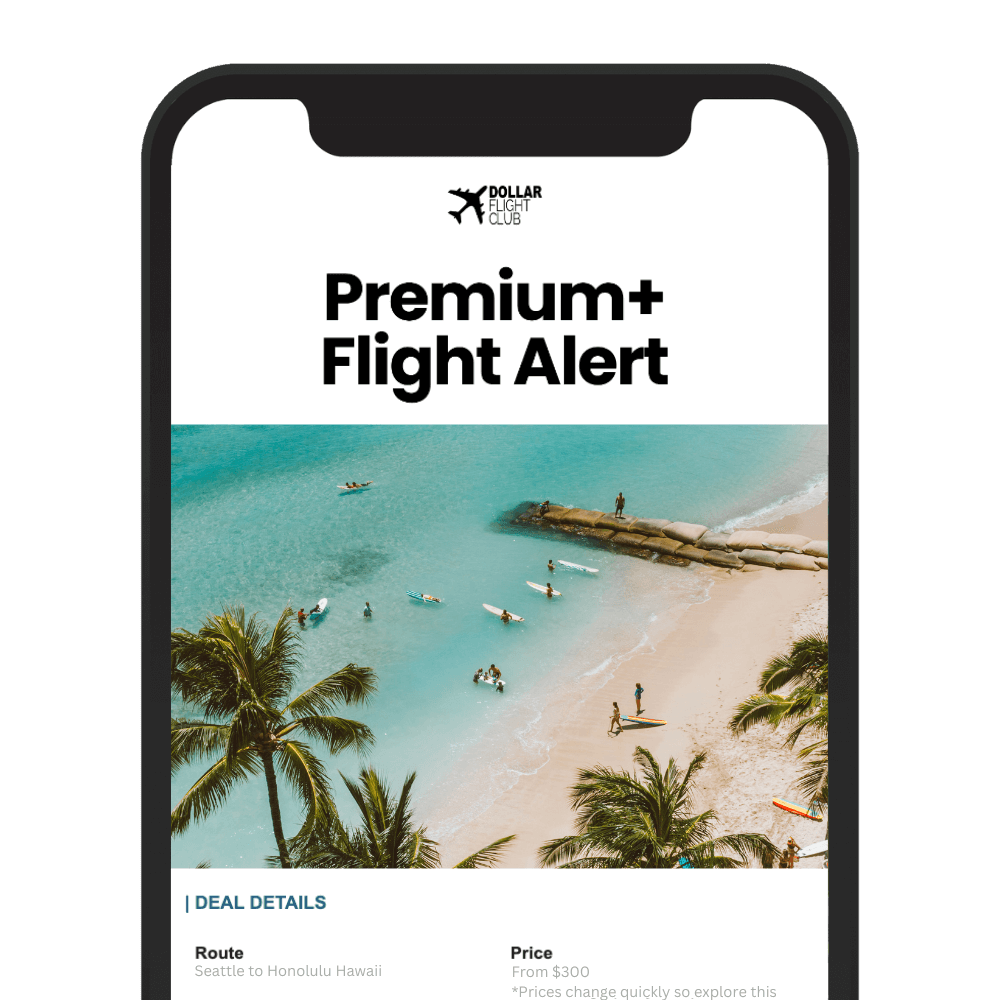
For a proactive approach, set up fare alerts to track prices across multiple airports over time. Services like Dollar Flight Club can help you stay informed about deals from alternative airports.

How Alternative Airports Reduce Travel Stress
Choosing an alternative airport can turn a hectic travel day into a much calmer experience. Smaller airports typically mean shorter lines, less walking, and a more relaxed atmosphere – making them a great option for families, tight schedules, or anyone looking to sidestep the chaos of major hubs.
Faster Travel Through Smaller Airports
One of the biggest perks of smaller airports is how quickly you can get through them. At major hubs, TSA security lines can feel endless, but at alternative airports, the process tends to move much faster. Check-in counters are less crowded, baggage claim is quicker, and navigating the terminal is far easier.
Instead of sprawling complexes with multiple concourses, alternative airports often have one or two compact terminals. This means you’re less likely to need a shuttle or train to get to your gate. Plus, you can typically arrive 60–90 minutes before a domestic flight – a far cry from the 2+ hours often recommended at larger airports.
Parking is another win. Many smaller airports offer parking just steps from the terminal, often at lower rates. Curbside pickup and drop-off areas are also far less congested, allowing rideshare drivers to come and go without the hassle of circling endlessly.
All these time-saving benefits can make a huge difference, not just at the airport but throughout your entire travel day.
Better Day-of-Travel Experience
The appeal of alternative airports goes beyond saving time – they also make the whole travel day less stressful. Located in suburban areas with lighter traffic, these airports often have simpler highway access. This means you’re less likely to encounter frustrating bottlenecks or unpredictable delays during your drive.
Once inside, the calmer setting can be a game-changer. Fewer announcements and shorter lines create a quieter, more relaxed environment, which is especially helpful for families or travelers with mobility or sensory challenges. For parents, it means fewer distractions and overstimulation, making it easier to manage kids in the terminal.
For those with mobility challenges or sensory sensitivities, smaller airports offer added convenience. Shorter walking distances reduce physical strain, and assistance services are often quicker to respond. While these airports meet all ADA requirements – offering elevators, accessible restrooms, and curbside support – their smaller scale makes navigating them much easier.
Business travelers or anyone on a tight schedule can also benefit. The ability to arrive closer to departure, breeze through security, and quickly reach your gate can free up time for meetings or other productive tasks before your flight.
That said, there are times when a major hub might be the better choice.
When a Major Hub May Be the Better Choice
In certain situations, larger airports can actually offer a less stressful experience. If you need frequent flight options, major hubs are the way to go. They provide more daily departures, giving you flexibility if your plans change or delays occur.
Major hubs also tend to handle weather disruptions more effectively. With more planes, crews, and partner airlines on-site, they can often rebook passengers on the same day. By contrast, smaller airports with limited service might leave you waiting longer for an alternative flight.
For long layovers, major hubs shine with their amenities. From lounges and diverse dining options to kids’ play areas, nursing rooms, spas, and business centers, these extras can make waiting far more comfortable. Smaller airports, while efficient, typically offer only basic facilities.
If you’re connecting to another destination, a major hub might reduce the number of ground transfers needed, even if it’s busier overall. To decide between the two, consider your door-to-door travel time. Factor in everything – from the drive to the airport and parking to security and walking to your gate. Even if a smaller airport saves time inside the terminal, a longer drive could cancel out the advantage.
For time-sensitive trips, like weddings, cruises, or important meetings, it’s smart to check flight schedules and backup options. A smaller airport with only one or two daily departures might not offer enough flexibility if plans change, making a major hub the safer bet in those cases.

How Alternative Airports Provide Better Flight Options
Exploring alternative airports can uncover routes and schedules that primary hubs might not offer. These airports often provide more nonstop options and flexible departure times, going beyond just cost and convenience benefits.
Hidden Routes and Nonstop Options
Sticking to a single airport limits your choices. Smaller airports often host airlines and routes that aren’t available at major hubs. This can mean finding convenient nonstop flights that save valuable travel time.
For instance, a secondary airport might feature a low-cost carrier offering a direct route to your destination, while the major hub primarily connects through layovers. Additionally, alternative airports may offer better departure times, such as early mornings or late evenings, aligning better with your schedule.
To take advantage of these options, check for nearby airports within a 50–100 mile radius of both your departure and arrival points. Use tools like the “nearby airports” feature in flight search engines or manually include additional airport codes in your search. Map-based tools like Google Flights’ “Explore” can also help you spot nearby airports with nonstop flights and competitive prices.
Multi-Airport Metro Areas to Explore
In many metro areas, multiple airports serve distinct roles, offering a variety of schedules and airline options. Checking all the airports in these regions can open up more choices.
Take the Washington, D.C. area as an example. Dulles (IAD) handles most long-haul and international flights, Reagan National (DCA) caters to short domestic and business routes, and Baltimore/Washington (BWI) serves as a hub for low-cost carriers like Southwest. If you’re looking for budget-friendly domestic flights, BWI might offer nonstop routes that DCA or IAD do not.
Similarly, Los Angeles has several options. While LAX dominates international travel, smaller airports like Long Beach (LGB), Burbank (BUR), and Ontario (ONT) provide alternative domestic routes. These airports are often less crowded and may offer cheaper fares.
Other metro areas with multiple airports include:
- New York City: JFK, LaGuardia (LGA), and Newark (EWR), with Philadelphia (PHL) as a farther alternative.
- San Francisco Bay Area: SFO, Oakland (OAK), and San Jose (SJC).
- Chicago: O’Hare (ORD) and Midway (MDW).
- South Florida: Miami (MIA), Fort Lauderdale (FLL), and West Palm Beach (PBI).
The savings can be substantial. For example, in Orlando, the average round-trip fare at Orlando International (MCO) is about $269.61, while nearby Sanford International (SFB), served by budget carriers like Avelo, averages $116.79 – a difference of over 50%. These fare disparities often come with different route options, making it worth exploring all nearby airports.
Using Nearby Cities as Gateways
Another smart travel strategy involves flying into a less expensive “gateway” airport in a nearby city and completing the journey by car, bus, train, or a short domestic flight. This approach can save hundreds of dollars while also revealing alternative routes.
This works best when competitive fares at a major hub contrast sharply with expensive direct flights to your destination. For example, flying into Fort Lauderdale (FLL) instead of Miami (MIA) and taking a short train ride or renting a car can be a cost-effective option. The savings on airfare often outweigh the added ground transportation costs.
Internationally, travelers heading to Central Europe might fly into cities like Amsterdam or Madrid on a low-fare deal and then continue by train or a regional budget airline to their final destination. This method can save significantly compared to booking a direct flight to a smaller city.
Domestically, the same strategy applies. If flights to a smaller city are pricey, consider flying into the nearest major hub and finishing the trip via a short drive or train ride. This can reveal cheaper fares and more flight options, especially for group travel where ground transportation costs can be shared.
To make this work, compare the total trip cost – not just the airfare. Include expenses like rental cars, gas, tolls, train or bus fares, overnight stays if necessary, and any baggage fees. Also, weigh the extra travel time and potential inconvenience, especially if traveling with kids or mobility concerns.
For many, saving $100–$300 per person makes this strategy worthwhile, particularly for longer trips or family vacations. Services like Dollar Flight Club can simplify this process by monitoring deals from multiple departure airports. You can set alerts for nearby airports, including gateway cities within driving distance, and receive notifications for discounts – sometimes up to 90% off. These alerts can help you discover unexpected routes and hidden deals, broadening your travel options while keeping costs low.

Step-By-Step: How to Find and Use Alternative Airports
Finding and using alternative airports can save you money and even improve your travel experience. By following a few simple steps, you can identify nearby options, compare fares, and decide if the savings are worth any extra effort.
Finding Alternative Airports
Start by mapping out airports within 150–200 miles of both your departure and destination points. This typically translates to a 1–3 hour drive. Use tools like Google Maps or Apple Maps to locate all commercial airports near your city. Not all of them will offer passenger flights, so double-check by visiting each airport’s website or plugging its code into a flight search engine. Repeat this process for your destination.
Keep in mind that some regional airports ramp up their services during peak travel seasons or holidays. For instance, an airport that seems quiet in January might have expanded routes and better deals in July when vacation demand surges.
Once you’ve compiled a list of potential airports, you’re ready to dive into fare comparisons.
Searching for Fares Across Multiple Airports
Leverage flight search platforms like Google Flights, Skyscanner, or Kayak to compare ticket prices across your chosen airports. Most of these tools allow you to search for “nearby airports” or manually input multiple airport codes. For example, typing “NYC” includes JFK, LGA, and EWR automatically.
Take advantage of flexible date search features to view fares over an entire month. This gives you a clear picture of pricing trends, either through a calendar of daily rates or a price graph spanning weeks. Look for consistent patterns – if one airport routinely shows lower fares, it’s likely a strong alternative.
Certain tools also offer map views or “explore” modes, which display prices from your home area to multiple destinations. This is particularly helpful if you’re flexible on where to go and just want the cheapest option.
Focus on clusters of low fares rather than one-off deals. Secondary airports often shine during off-peak travel periods or when competing with nearby hubs. Once you’ve gathered fare data, it’s time to evaluate the full costs and logistics.
Evaluating Costs and Logistics
The cheapest airfare isn’t always the most affordable option when you factor in other expenses. Here’s how to calculate the true cost of your trip:
- Driving Costs: Estimate the round-trip distance to each airport and calculate fuel costs based on current gas prices.
- Parking Fees: Large airports often charge $15–$30 per day for parking, while smaller airports may only cost $5–$10 per day. For a week-long trip, this difference can save you $70–$140.
- Public Transit: If public transportation connects your alternative airport to the city, it could eliminate parking costs entirely. Major hubs often have train or bus services, but check if smaller airports offer similar options.
Flight schedules and connection times also matter. For instance, a nonstop flight from an alternative airport might save you hours compared to a connecting flight from your primary airport. On the flip side, limited flight options at smaller airports can pose a risk if your flight gets canceled.
Think about the time trade-off, too. Is saving $150 worth an extra 90-minute drive? For families or groups, the multiplied savings often make it worthwhile. But if you’re traveling solo or on a tight schedule, the convenience of a closer airport might outweigh the cost savings.
Lastly, consider the comfort and reliability of the alternative airport. Smaller airports are often less crowded and easier to navigate but may lack amenities or backup flights in case of delays.
Using Fare Alerts for Alternative Airports
Fare alerts can help you snag deals without constantly monitoring prices. Services like Dollar Flight Club allow you to select multiple home airports during signup. By including all airports within a reasonable driving distance, you’ll receive notifications when discounted flights pop up – sometimes with savings of up to 90%.
These alerts cover both domestic and international routes, in economy and business class. Dollar Flight Club even works directly with airlines to secure member-only deals that aren’t always available to the public. When a great deal appears from an alternative airport, you can quickly assess whether it’s worth the extra effort.
Members also enjoy perks like discounts on parking, rental cars, and accommodations, which can further reduce your overall trip costs.
The beauty of fare alerts is their convenience. They bring the deals to you, which is especially helpful if your travel dates or destinations are flexible. This approach not only uncovers hidden savings but also simplifies your planning process.
To make this strategy work long-term, keep a saved list of alternative airports in your region. Each time you travel, note which airports offered smooth experiences and which ones were more stressful or costly. Over time, you’ll refine your go-to list and make smarter choices for future trips.

Safety, Reliability, and Practical Considerations
Opting for an alternative airport can lead to noticeable savings, but it’s crucial to understand how these airports operate compared to major hubs. Smaller airports often have different procedures, and being aware of these nuances can help you avoid surprises on the day of travel. Knowing these details is just as important as comparing fares and travel times.
Airline Reliability and Flight Schedules
Flight reliability and schedules can vary significantly depending on the airport and airline. Reviewing historical on-time performance and cancellation rates, such as those published by the DOT or flight-tracking services, can provide valuable insights into potential delays or disruptions.
Flight frequency is another key factor. Smaller airports may have only a handful of daily departures, often limited to one or two carriers. This limited schedule means a canceled flight could cause major disruptions, especially if you’re on a tight timeline.
For time-sensitive trips – like catching a cruise, attending an important event, or connecting to an international flight – building in extra buffer time is a smart move. Arriving a day early can offer peace of mind, particularly if the alternative airport lacks a strong airline presence or frequent flights. Additionally, avoid scheduling tight self-connections when booking separate tickets. Allow at least 4–6 hours between flights to account for delays, as separate bookings typically don’t include protections for missed connections.
Baggage Policies and Additional Fees
While ticket prices at alternative airports may seem lower, baggage fees and other extra charges can add up quickly, especially with budget airlines. Many of these carriers charge separately for items like carry-on bags, checked luggage, and seat selection.
For example, a small personal item may be included for free, but a standard carry-on bag could cost $35–$60 each way. Checked bags might range from $30 to $80 per bag. If you’re traveling with family or multiple pieces of luggage, these fees can significantly increase your overall cost. In some cases, legacy carriers at larger airports may offer slightly higher fares that include perks like a carry-on bag, a checked bag, and complimentary seat selection, making them a better deal in the long run.
Also, watch for additional charges like fees for selecting seats in advance or priority boarding. Understanding the full cost of your trip before booking ensures that any savings on the ticket price aren’t wiped out by unexpected expenses.
Accessibility and Amenities at Smaller Airports
Smaller airports often operate with fewer services and amenities than their larger counterparts, so it’s essential to plan ahead. Check practical details like ground transportation options and terminal hours before finalizing your booking.
Some smaller airports may only open 90–120 minutes before the first flight and close shortly after the last one. If you’re traveling during off-peak hours, confirm that rideshare or taxi services will be available when you need them.
For travelers with mobility needs, it’s worth verifying that the airport has necessary features like ramps, elevators, and reliable assistance. A quick look at the airport’s website or a phone call can help ensure that all your requirements are met.

Conclusion
Choosing an alternative airport can be a smart way to save money. Many smaller or less-trafficked airports offer significantly lower fares – sometimes slashing costs by more than 50% compared to major hubs.
But the advantages don’t stop at cheaper tickets. Smaller airports often mean shorter lines, quicker security checks, and faster parking and baggage claim. This streamlined experience can be a game-changer for families, older travelers, or anyone juggling a tight schedule. Plus, less time navigating the airport means more time for what really matters – your trip.
Another perk? Expanded flight options. By considering nearby airports, you might find nonstop routes, better departure times, or even hidden connections that don’t show up when you limit your search to a single airport. For example, in metro areas like New York City (with JFK, LGA, EWR, and nearby Islip or Trenton) or Washington, D.C. (DCA, IAD, BWI), comparing all options can uncover schedules and deals that align perfectly with your plans.
Of course, it’s essential to weigh all factors, like extra driving time, transportation costs, or potential baggage fees. Still, in many cases, the savings on airfare and the smoother airport experience more than make up for these added considerations.
The takeaway? Exploring alternative airports can cut costs and improve your travel experience. Check fares from all airports within 50–100 miles of your location. Tools like Dollar Flight Club make this easier by allowing you to select multiple home airports and sending alerts when deals pop up – even from smaller or lesser-known airports. With notifications for both your dream destinations and surprise discounts, you’ll uncover savings without the hassle of manually searching.
FAQs
What should I keep in mind when choosing an alternative airport to save money?
Flying out of a different airport can be a smart way to cut costs, but there are a few important things to weigh before making the switch. Start by calculating the total cost. This means factoring in not just the airfare but also parking fees and transportation to and from the airport. Sometimes, those extra expenses can eat away at your savings.
Next, think about how convenient the alternative airport is. Smaller airports often mean shorter security lines and quicker check-ins, which can make your trip less stressful. On the flip side, they might have fewer amenities or more limited flight options, so it’s worth considering what matters most to you.
Lastly, take a close look at flight schedules. These airports sometimes offer flights at off-peak times, which could be a win if your travel plans are flexible. By keeping these points in mind, you might not only save money but also enjoy a more streamlined travel experience.
How do I compare the total travel costs of using a major airport versus an alternative one?
When comparing total travel costs, it’s important to think beyond just the price of airfare. Ground transportation expenses – like parking fees, ride-sharing services, or public transit – can add up quickly. Also, keep an eye on airport-specific fees, such as baggage charges or service fees, which often differ from one airport to another.
By factoring in these extra costs, you’ll have a better understanding of the full price of your trip and can determine if using a different airport might save you money in the long run.
Are there tools to help me find cheaper flights from alternative airports?
Yes, there are services out there specifically designed to help you snag discounted flights, even from alternative airports. These tools can notify you about huge savings – sometimes as much as 90% off – on domestic and international flights. They simplify the process of comparing options and uncovering deals you might not spot on your own.