Picking the right seat can transform your flight experience. The “best” seat depends on your needs – whether you’re looking for comfort, convenience, or affordability. Here’s a quick guide to help you choose:
- Budget travelers: Opt for free seats in the back to save money, but beware of noise and less convenience.
- Extra legroom seekers: Choose exit rows or bulkhead seats, but note potential trade-offs like limited recline or higher costs.
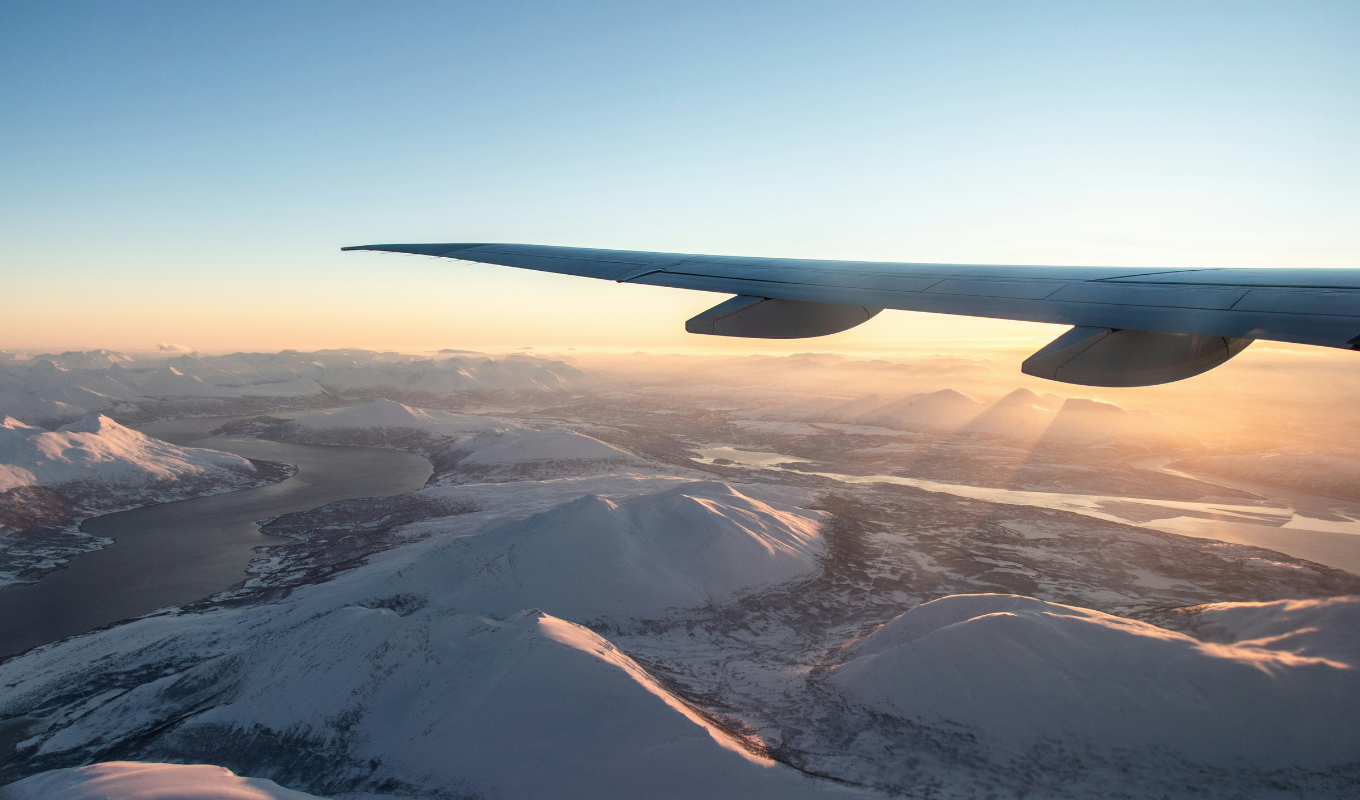
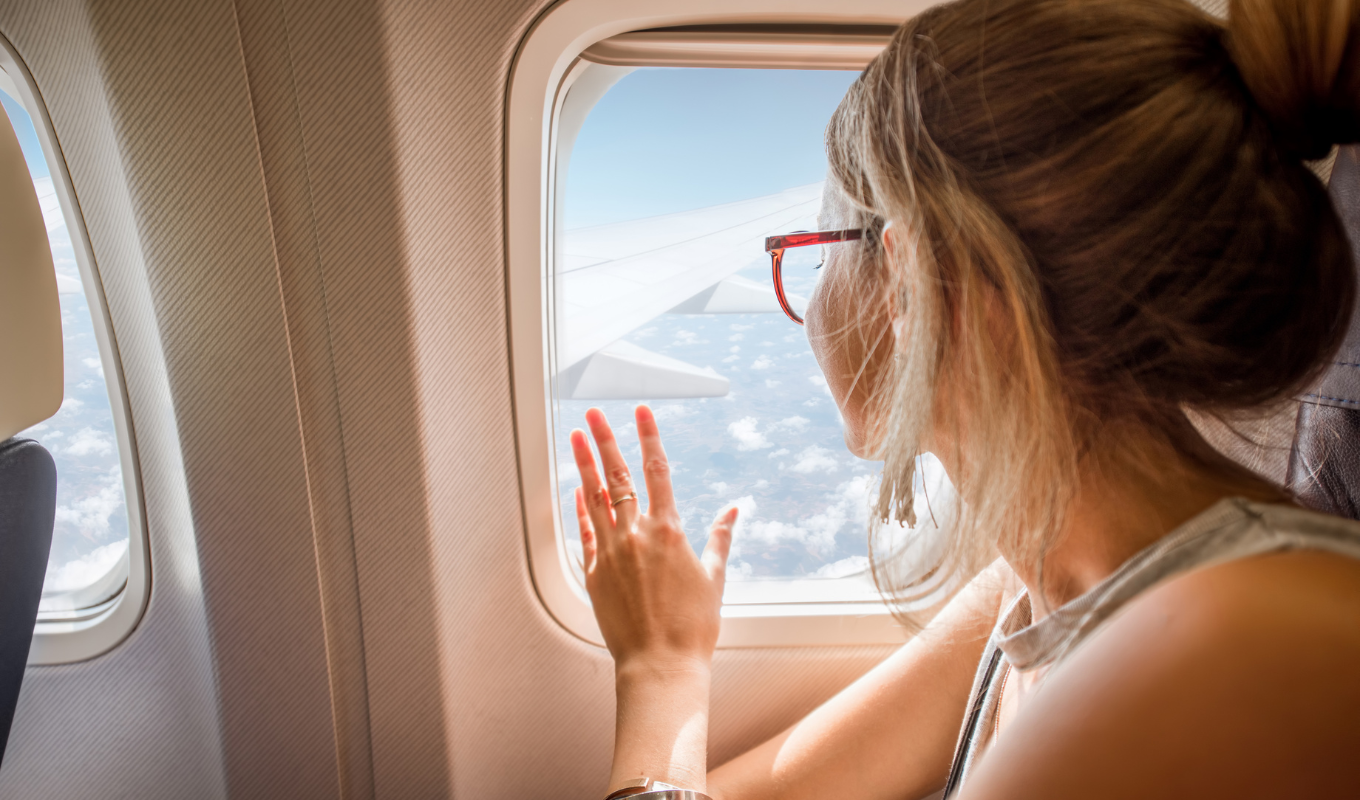
- Sleepers: Window seats over the wings provide stability and a spot to lean on.
- Tall passengers: Exit rows and premium economy seats offer more space but may come with fees.
- Tight connections: Sit near the front for faster deplaning.
- Nervous flyers: Seats over the wings or in the front offer smoother rides.
- Families: Bulkhead rows for infants or seats near lavatories for toddlers.
Plan ahead using tools like ExpertFlyer to secure the best spot. Paying a small fee for seat selection can often save you from discomfort or inconvenience. If you’re on a budget, booking discounted flights through services like Dollar Flight Club can free up funds for better seating options.
1. Best Seats for Budget Travelers
Cost-effectiveness
If you’re trying to save money, basic economy fares are your best bet – but there’s a catch. These fares typically assign seats automatically, which often means ending up in a middle seat. Regular economy fares give you the option to choose your seat during booking, but airlines usually charge extra for seats labeled as “preferred”, “plus”, or “extra comfort”. Premium seats, like those in exit rows or near the front of the cabin, can cost anywhere from $25 to $100. To keep costs down, opt for free seats toward the back of the plane. Interestingly, middle seats – despite being the least favored – can sometimes work well for solo travelers. Beyond the price, where you sit can also make a big difference in your overall comfort.
Comfort and space
For budget-conscious travelers who still value a bit of comfort, seats in the rear of the plane can be a smart pick. While these seats are noisier – engine thrust makes the back about 1–2 decibels louder than the front – they may increase your odds of scoring an empty seat next to you. Couples can also make the most of their seating by booking a window and an aisle seat in a three-seat row. If the middle seat isn’t taken, you get extra space; if it is, the middle passenger might even be open to switching.
Accessibility and convenience
Accessibility is another factor that can influence your choice. Aisle seats located about 4–5 rows from the back are a good option for easier access to the lavatories while avoiding the worst of the galley noise. These seats also let you stretch your legs into the aisle, though you might have to deal with the occasional bump from a drink cart or a passing passenger. On the other hand, window seats offer a place to lean your head, which can come in handy when the seat recline is limited.
2. Best Seats for Extra Legroom
Comfort and Space
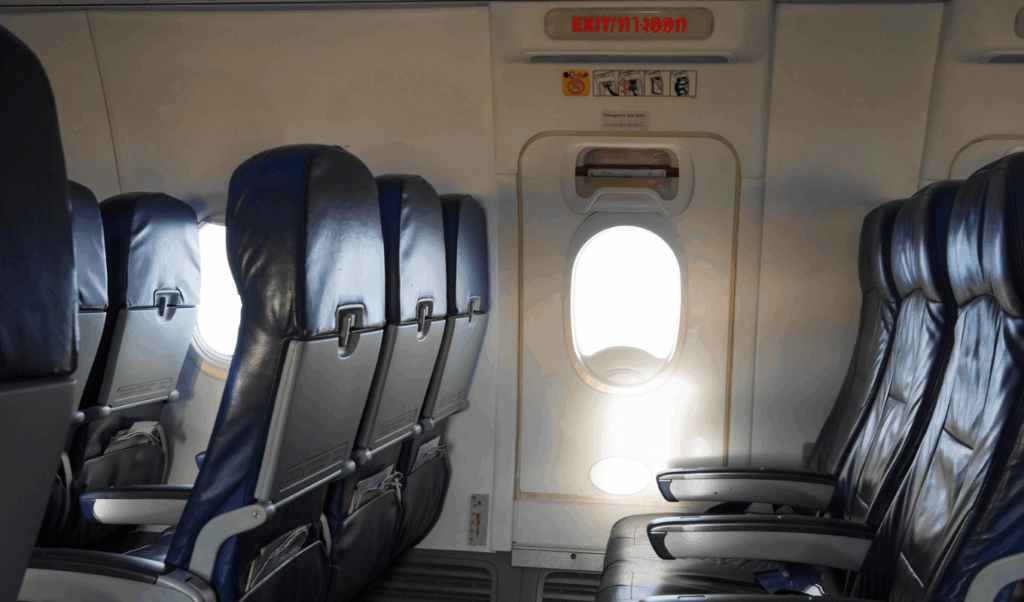
When it comes to stretching out during a flight, exit row seats are a popular choice. They provide extra legroom but come with a few caveats. You’re required to assist in an emergency, and some of these seats don’t recline to keep evacuation paths clear. On wide-body planes, window exit rows might have less legroom due to the bulky door compartments.
Bulkhead seats, located right behind cabin dividers, are another option for more knee room. They prevent anyone from reclining into your space, but there’s a trade-off: you lose under-seat storage during takeoff and landing. Plus, these seats can be noisier or brighter if they’re near galleys or lavatories. For those willing to pay a bit more, airlines like Delta (Comfort+), United (Economy Plus), and JetBlue (“Even More Space”) offer seats with about a 38-inch pitch – much better than the standard 31 inches in regular economy. These choices affect both comfort and cost, which we’ll dive into next.
Cost-Effectiveness
Extra legroom often comes with an added price tag, ranging from $25 to $100, depending on the airline and route. JetBlue’s “Even More Space”, for instance, might set you back as little as $10. If you’re a frequent flyer, programs like Delta SkyMiles Medallion or United MileagePlus might give you complimentary access to these seats. Want to save some money? Check in exactly 24 hours before your flight – unsold extra-legroom seats sometimes become available if the plane isn’t full.
Accessibility and Convenience
To secure extra legroom, early booking is crucial since bulkhead and exit row seats are among the first to go. Tools like ExpertFlyer can help you identify the best seats with detailed maps. Just avoid basic economy fares – they typically don’t allow you to choose your seat, making it harder to snag those coveted spots.
3. Best Seats for Sleeping on Long Flights
Picking the right seat can make all the difference when it comes to catching some rest during a long flight. Your choice can directly impact how comfortable and refreshed you feel upon arrival.
Comfort and Space
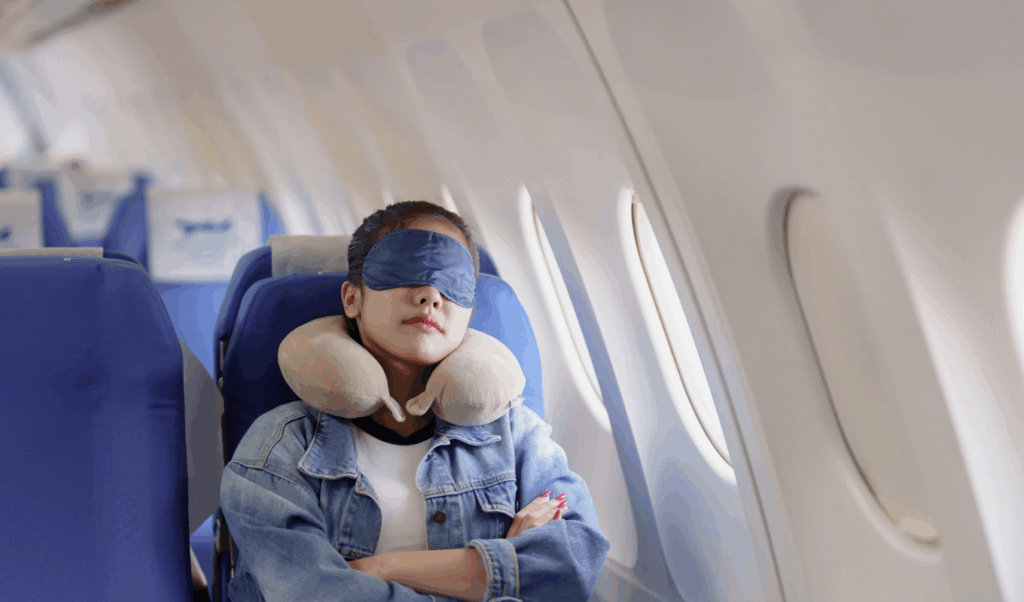
Window seats are a top pick for many sleepers. They provide a solid wall to lean against and keep you free from interruptions by seatmates. For the smoothest ride, aim for seats over the wings.
A Virgin Atlantic flight attendant echoes this, noting that these seats experience less movement and vibration due to their proximity to the plane’s center of gravity. This means fewer interruptions from turbulence, which is a big win for light sleepers.
On the other hand, avoid seats in the last row. These often don’t recline and are located near noisy galleys and restrooms. For quieter surroundings, follow the “five-row rule” – choose seats about five rows away from the front or back of the cabin. If you’re flying on a wide-body aircraft like the Airbus A330, look for rows with just two seats on the sides. Fewer neighbors mean more personal space and a better chance to relax.
Accessibility and Convenience
To secure the best sleep-friendly seat, planning ahead is key. Tools like ExpertFlyer can help you review seat maps before booking. These resources highlight seats that don’t recline, are near restrooms, or have other potential drawbacks. If you missed out during booking, check in 24 hours before departure, as premium seats may become available closer to flight time.
Flying as a couple? Try booking the window and aisle seats in a three-seat row. Middle seats tend to be the last to fill, so you might end up with extra space between you. Also, consider upgrading to regular economy instead of basic economy to ensure you can choose a seat that suits your sleeping needs.
4. Best Seats for Tall Passengers
Tall travelers often face unique challenges when flying, making seat selection a crucial part of ensuring a comfortable journey.
Comfort and Space
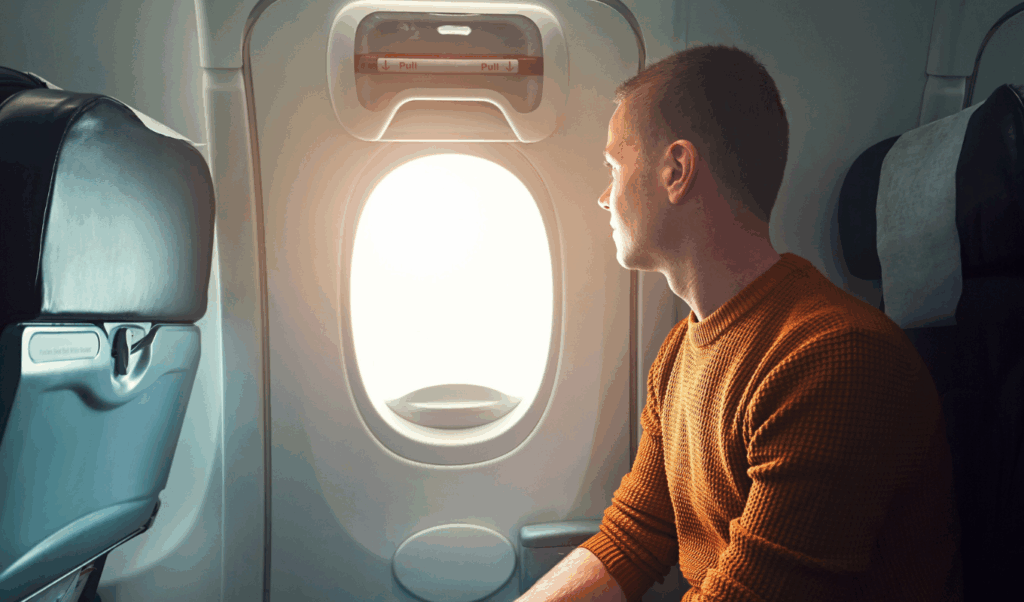
Extra legroom is a must for tall passengers. Exit row seats are a top choice since they provide ample space to stretch your legs forward under the seat in front. Bulkhead seats, while offering more knee room, can sometimes be restrictive.
Aisle seats can also be a good option, as they allow you to stretch your legs periodically. For those willing to pay a little extra, airlines like JetBlue offer “Even More Space” seats with up to 41 inches of pitch. Delta Comfort+ and United Economy Plus also provide additional legroom for an added fee.
Accessibility and Convenience
If you’re tall, booking early is key because seats with extra legroom, like exit row and bulkhead seats, tend to sell out quickly. Tools like ExpertFlyer can help you identify the best seat options on specific aircraft. Avoid basic economy fares, as they often restrict seat selection, potentially leaving you stuck in a cramped middle seat.
Another tip: check in exactly 24 hours before your flight. Airlines sometimes release unsold premium seats during this window, giving you a chance to upgrade without additional cost. If you’re flying Southwest, where seating is open, arriving early can help you snag an exit row seat. These strategies can make a big difference in securing the space you need.
Cost-Effectiveness
Extra legroom seats, like exit row and bulkhead options, can range from $35 to over $200 on long-haul flights, depending on the route. For domestic flights, upgrades are generally more affordable, often costing between $10 and $35. Frequent flyers with elite status may even have these fees waived.
Keep in mind that exit row seats come with specific requirements – you must be able-bodied and willing to assist in emergencies. Additionally, these seats (and bulkhead seats) often have fixed armrests due to built-in tray tables, which can slightly reduce seat width. Some exit row seats may also lack recline functionality to avoid blocking emergency exits, so it’s worth confirming these details before booking.
5. Best Seats for Fast Exits and Tight Connections
When you’re racing against the clock to catch a connecting flight, where you sit on the plane can make all the difference.
Accessibility and Convenience
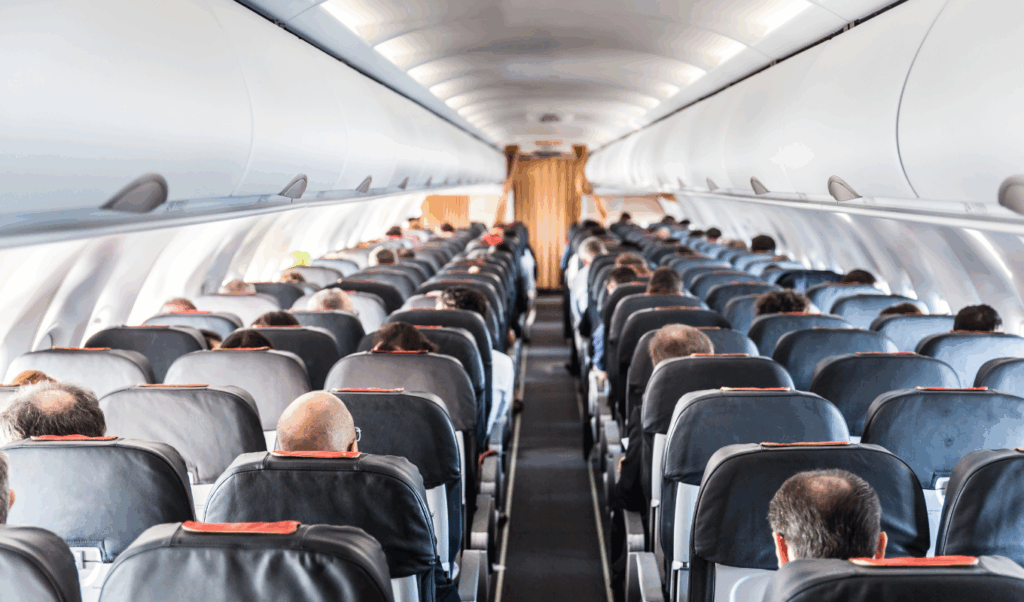
If you’re facing a tight connection, sitting near the front of the cabin is your best option. Passengers in these seats are usually the first to deplane, saving you precious minutes. Aisle seats are another smart choice. They allow you to stand up, grab your carry-on, and head into the aisle as soon as the seatbelt sign is off. For an even faster exit, consider booking two aisle seats across from each other if you’re traveling with a companion – this way, both of you have quick access to the aisle.
Cost-Effectiveness
Seats near the front often come with an extra fee, typically ranging from $25 to $100. Domestic flights tend to be on the lower end of this range, while international routes can be pricier. If you’re flying on a basic economy ticket, you might not get to choose your seat, which could leave you stuck in the back – a tough spot for making a quick exit. However, checking in 24 hours before your flight might give you access to unsold premium seats at no extra cost.
Comfort and Space
Seats at the front of the plane aren’t just about speed – they’re also quieter and experience less turbulence compared to those in the rear. While aisle seats are great for mobility, they do come with some trade-offs, like occasional bumps from service carts or activity from the crew. Still, the convenience they offer often outweighs these minor inconveniences, especially when you’re in a rush.
6. Best Seats for Nervous Flyers
Finding the right seat can make a world of difference for those uneasy about flying. Studies suggest that fear of flying affects between 10% and 40% of people in industrialized nations.
Comfort and Space
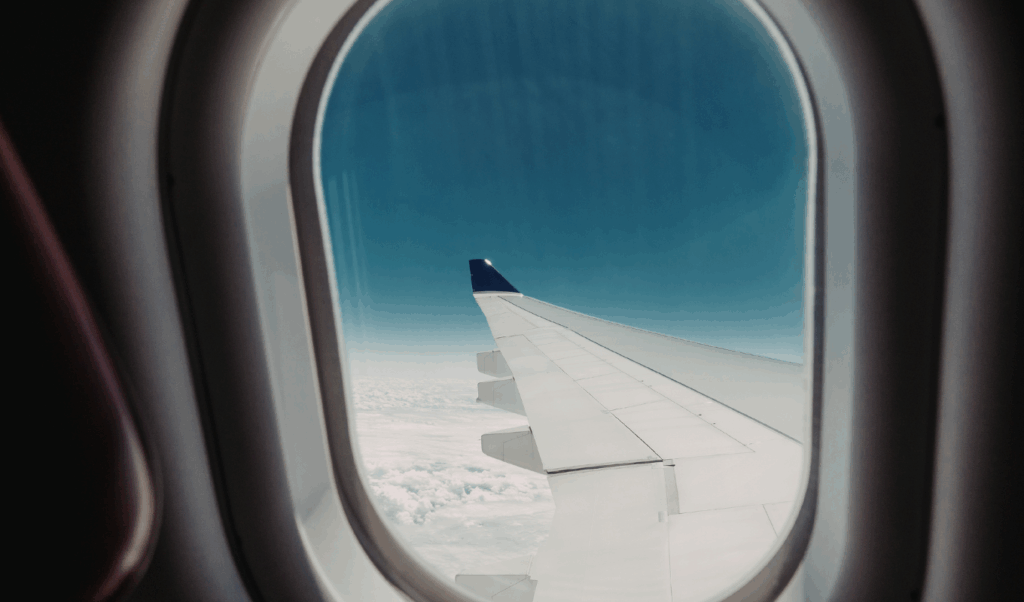
If you’re looking for the smoothest ride, aim for a seat over the wings. This part of the plane is more stable and less affected by turbulence.
Window seats can also help by offering a fixed view of the horizon, which may ease motion sickness and anxiety. On the other hand, aisle seats provide quick access to flight attendants, which some nervous travelers might find comforting.
Budget Considerations
Choosing a seat that balances comfort and cost can also be important. Seats located at the front or over the wings often come with an additional fee, typically ranging from $25 to $100, depending on the route. However, this small investment can be worthwhile for a calmer flying experience.
Tailored Suggestions for Nervous Flyers
There are a few extra strategies to make your flight more manageable. Let the flight crew know you’re a nervous flyer – they’re trained to provide reassurance and support. If turbulence is a major concern, avoid seats in the rear of the plane, as this area tends to feel the most movement. Instead, opt for a seat in the front or middle of the cabin, where the ride is generally steadier. Booking early can also help secure the most suitable seats for a more relaxed journey.
7. Best Seats for Families with Children
Traveling with kids means choosing seats that make the journey as smooth as possible while keeping everyone comfortable.
Comfort and Space
Families traveling with infants often find bulkhead rows to be a lifesaver. These seats provide extra legroom and can accommodate bassinets on longer flights.
For toddlers who are potty training, seats near the rear cabin can be ideal. They’re close to the lavatories, making bathroom trips quicker, and the engine noise in this area might help mask crying. However, keep in mind that this part of the plane can experience more turbulence and noise from the galley.
Accessibility and Convenience
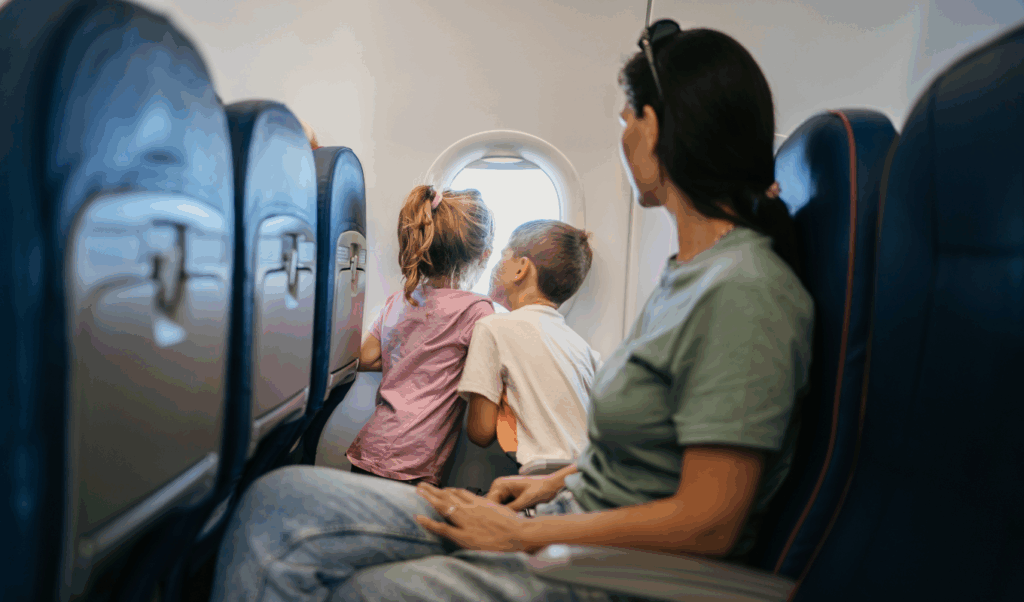
Window seats are great for nursing parents and are also the best choice when using an airline-approved car seat. They keep the aisle clear and provide a bit of privacy. On the other hand, aisle seats are perfect for families with active kids who may need frequent restroom trips or easy access to overhead storage.
Cost-Effectiveness
To ensure your family sits together, steer clear of basic economy fares, which often don’t allow seat selection. Many airlines let families traveling with an infant choose seats for free right after booking. If not, preferred seating like bulkhead rows can cost between $25 and $100 per seat.
Another trick? Book the window and aisle seats in a three-seat row. Solo travelers typically avoid the middle seat, so you might end up with extra space at no extra charge. And if someone does book the middle seat, they’re often willing to swap so your family can sit together.
These tips can help make flying with kids a little easier, while keeping comfort, convenience, and cost in mind.
Pros and Cons of Each Seat Type
After diving into the details of various seat options, here’s a quick guide to help you weigh the pros and cons of each. Every seat type has its own perks and drawbacks, so choosing the right one depends on your priorities.
Window seats are perfect for travelers who enjoy leaning against the wall to rest or taking in scenic views. The downside? You’ll need to climb over seatmates to access the aisle, which can be inconvenient during long flights.
Aisle seats are great for easy access to restrooms and stretching your legs. However, they come with the drawback of frequent disturbances from passing carts or fellow passengers.
Middle seats are often the least popular choice since they lack both a view and easy aisle access. That said, they can be useful for groups – couples often book the window and aisle seats, leaving the middle seat empty unless the flight is fully booked.
Bulkhead seats offer extra legroom and prevent someone from reclining into your space. On the flip side, they lack under-seat storage and are often located near galleys or lavatories, which can be noisy.
Exit row seats are a favorite for economy passengers seeking extra legroom, with a pitch of 34 to 40 inches compared to the standard 31 inches. However, these seats often don’t recline, and their proximity to the exit door can make the area feel colder.
Front cabin seats are quieter and allow for faster deplaning, making them a smart choice for travelers with tight connections. The trade-off? They usually come with a higher price tag or are reserved for frequent flyers.
Rear cabin seats are noisier, with engine sounds being 1 to 2 decibels louder, and they tend to experience more turbulence. On the plus side, because airlines typically fill planes from front to back, you might have a better chance of finding an empty middle seat.
The table below provides a clear summary of the key benefits, drawbacks, and potential extra costs for each seat type.
| Seat Type | Main Advantage | Main Disadvantage | Typical Extra Cost |
|---|---|---|---|
| Window | Wall support for sleep; scenic views | Restricted aisle access | $0–$50 |
| Aisle | Easy access; extra legroom | Disturbances from carts/seatmates | $0–$50 |
| Middle | Keeps groups together | No view; limited access | No extra charge |
| Bulkhead | Extra legroom; no reclining intrusion | No under-seat storage; near noise sources | $25–$120 |
| Exit Row | Maximum legroom (34–40 in pitch) | Limited recline; safety responsibilities | $25–$200 |
| Front Cabin | Quick deplaning; quieter seating | Premium pricing | $50–$150 |
| Rear Cabin | Chance of an empty middle seat | Noisier; last for meal service | No extra charge |
Conclusion
Choose your seat based on what matters most to you while traveling. If you’re trying to save money, avoid basic economy fares and consider seats toward the back of the plane – these areas often have empty middle seats, offering a bit more space. For taller passengers, exit rows are a great pick since they provide extra legroom, while aisle seats let you stretch out a bit more during the flight. If sleep is your priority, opt for a window seat away from the last row, as these seats typically recline and are further from noisy areas like galleys. Nervous about turbulence? Seats over the wings are your best bet.
For families, bulkhead rows are ideal since they can accommodate bassinets and offer extra space for traveling with infants. And if you’re worried about making a tight connection, seats near the front of the cabin allow for faster deplaning.
To snag the best seats, use tools like ExpertFlyer and make sure to check in 24 hours before your flight. By understanding your needs and planning accordingly, you’ll not only boost your comfort but also save money – especially when booking discounted flights with Dollar Flight Club.
Dollar Flight Club helps you save big by sending alerts for flight deals with discounts of up to 90% on both domestic and international routes. When you’re saving on your ticket, you can put that extra cash toward seat upgrades or premium options like extra legroom. Premium members even get access to mistake fares and can set up alerts for up to 10 dream destinations, ensuring you never miss out on the deals that matter most.
FAQs
Which seats should I avoid on most planes?
Avoid choosing seats close to the lavatories or galleys. These spots tend to be noisier due to increased foot traffic and can sometimes carry unpleasant odors. Additionally, they often come with more disturbances throughout the flight, which can make your journey less comfortable.
When is the best time to pay for a better seat?
The ideal time to upgrade to a better seat is right after booking your ticket. Acting early gives you the best chance to snag your preferred seat before the most desirable options are gone.
How can I tell if an exit-row seat will recline?
When booking an exit-row seat, it’s important to check if it reclines. Recline options can vary depending on the airline and specific aircraft. Some exit-row seats don’t recline due to safety regulations. To avoid surprises, review the airline’s seat map and policies during the booking process. If you’re unsure, reach out to the airline directly for clarification. This way, you can ensure your seat choice aligns with your comfort preferences.