If you’re wondering why flight prices are climbing, here’s the bottom line: the U.S.-Iran war that began on February 28, 2026, has disrupted global air travel. Fuel costs have surged by nearly 60%, airspace closures in the Middle East are forcing longer routes, and airlines are cutting flight schedules. All of this means fewer flights, higher costs, and pricier tickets for travelers.
Key Takeaways:
- Fuel Costs: Jet fuel prices jumped from $2.50 to $3.99 per gallon, with crude oil peaking at $112 per barrel.
- Airspace Restrictions: Closed airspace over key Middle Eastern regions is causing longer, fuel-intensive detours.
- Fewer Flights: Airlines are canceling thousands of flights, reducing capacity and driving up demand for available seats.
- Higher Prices: Spring airfares are up 10%-15%, and summer 2026 tickets are tracking 18% higher than last year.
What You Can Do:
- Book Early: Lock in lower fares by purchasing tickets 1-3 months ahead for domestic and 2-8 months for international flights.
- Be Flexible: Travel during off-peak seasons or mid-week for better prices.
- Use Tools: Leverage price trackers like Google Flights or services like Dollar Flight Club for alerts on fare drops.
- Redeem Miles: Use frequent flyer points to offset rising ticket costs.
Rising prices may be unavoidable, but planning ahead and using strategies for finding cheap flights can help you save.
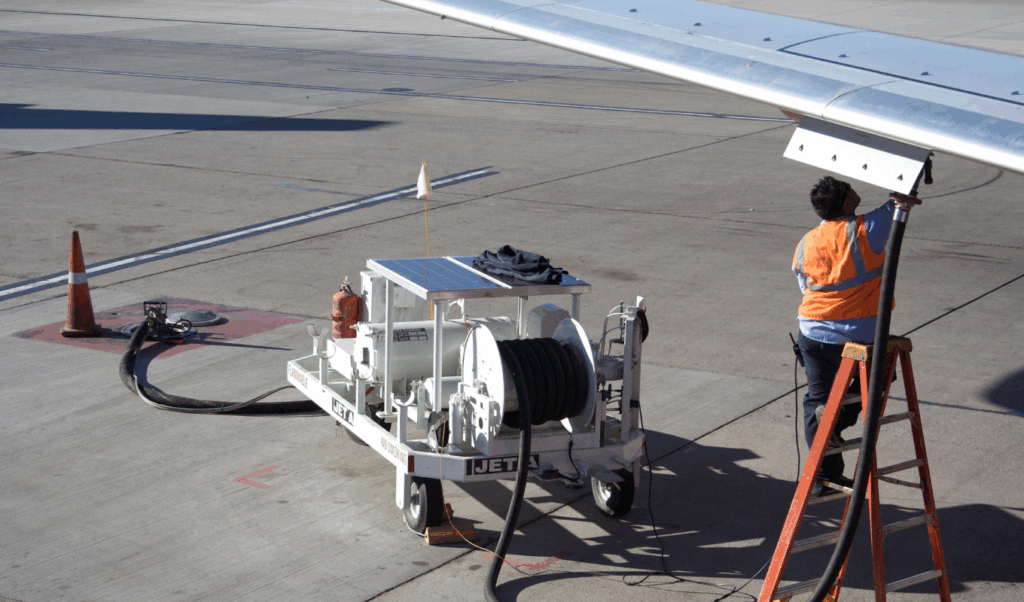
Higher Fuel Costs and Airline Surcharges
The conflict has significantly driven up airline operating costs. When crude oil prices surged to $119 per barrel at the onset of the conflict, jet fuel prices followed suit. Jet fuel typically experiences sharper price increases than crude oil due to the added expenses of processing and transportation, which have been exacerbated by the ongoing situation.
How Oil Prices Affect Jet Fuel Costs
The impact is clear. Before the conflict, refueling a Boeing 737-800 cost around $17,000. By March 5, 2026, that figure had climbed to over $27,000, marking a staggering $10,000 increase for a single flight. Since fuel is the second-largest expense for airlines after labor – making up 20% to 30% of total operating costs – this spike is a serious financial strain. The disruption of oil supply, particularly with the Strait of Hormuz blocked, has created a ripple effect across the globe.
This inelastic demand means airlines must absorb these costs, often passing them on to their customers.
Fuel Surcharges Increase Ticket Prices
To offset these rising expenses, airlines are increasing ticket prices through fuel surcharges. For example, Cathay Pacific doubled its surcharges starting March 18, 2026, with tickets purchased in Canada seeing an increase from 101 CAD to 202 CAD. Similarly, Air India added surcharges of up to $200 on long-haul flights to destinations in Europe, North America, and Australia. Meanwhile, Air France-KLM raised long-haul roundtrip economy fares by approximately 50 euros ($57).
Unlike international carriers that list these fees separately, most U.S. airlines incorporate fuel costs directly into their base ticket prices. This approach leads to higher fares overall, without a clearly labeled “surcharge” line. Analysts estimate that fuel-related expenses now account for 5% to 10% of total airfare. The one bit of good news? These surcharges only apply to new bookings, so tickets purchased before the increases remain unaffected.
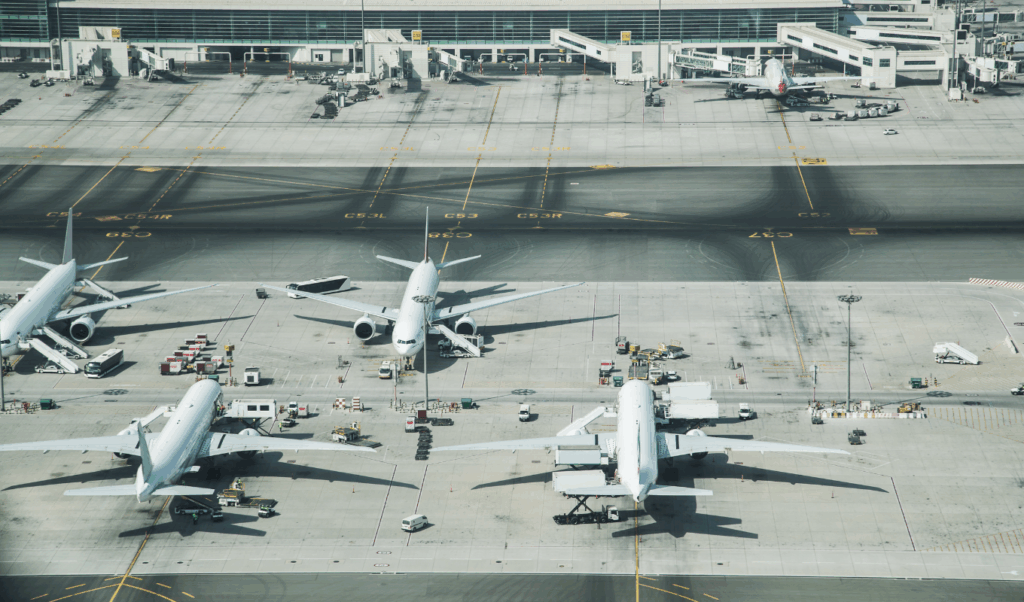
Airspace Disruptions and Longer Flight Routes
Surcharges aren’t the only factor driving up airline costs – airspace restrictions are forcing carriers to take longer, more expensive detours. The ongoing conflict has created what experts describe as a “hole in the sky” over one of the busiest aviation hubs in the world, significantly complicating flight routes and adding hours to journeys.
Closed Airspace in Conflict Zones
Since early 2026, airspace over Iran, Iraq, the UAE, Qatar, Bahrain, and nearby Gulf states has been either closed or heavily restricted due to military strikes. This region has long been a critical “high-capacity bridge” for flights connecting Europe and Asia. With this bridge effectively shut down, airlines are left to navigate through narrow, overcrowded corridors to the north or south of the conflict zone.
The consequences have been staggering. By mid-March 2026, only one-third of weekly flights between Frankfurt Airport and the Middle East were still running. Major hubs such as Dubai International and Abu Dhabi’s Zayed International have suffered direct strikes, leading to widespread cancellations and grounded flights. As of March 3, 2026, over 27,000 commercial flights were canceled globally, with more than 50% of the 51,600 flights scheduled to or from the Middle East since February 28 being scrapped altogether.
These airspace restrictions are not just logistical headaches – they’re driving up costs and complicating airline operations.
Longer Routes Mean Higher Costs
Rerouted flights are significantly more expensive. A Tokyo-to-London flight, for example, could see an additional 2.4 hours of travel time and burn an extra 5,600 gallons of fuel – roughly a 20% increase in fuel consumption. For some routes, the detours are so extensive that planes may need unscheduled fuel stops, which adds to landing fees, refueling costs, and delays.
These rising costs are hitting airlines hard. Cathay Pacific CEO Ronald Lam stated in March 2026 that the airline’s fuel expenses had doubled in just two months. In response, the carrier suspended all flights to Dubai and Riyadh through March 31 and introduced doubled fuel surcharges across all routes starting March 18. Similarly, Air New Zealand canceled around 1,100 flights through early May, impacting over 44,000 passengers, and raised long-haul ticket prices by NZ$90.
The ripple effects are felt worldwide. Planes stuck in conflict-affected regions like Dubai can’t fulfill their next scheduled flights elsewhere, causing cancellations far beyond the Middle East. On top of that, airlines are dealing with rising war risk insurance premiums, another cost that inevitably gets passed on to passengers.

Fewer Flights and Reduced Capacity
A mix of closed airspace, skyrocketing fuel costs, and military strikes has forced airlines to slash their schedules. This has created fewer travel options and pushed ticket prices higher. As direct routes become more expensive, airlines are also scaling back their overall operations.
Airlines Cut Flight Schedules
Major hubs like Dubai International and Abu Dhabi’s Zayed International Airport have been directly hit by strikes, grounding fleets and forcing Gulf carriers to halt operations.
As a result, many airlines have suspended routes they consider either unsafe or unprofitable. For example, the Lufthansa Group – which includes Austrian, Swiss, and Brussels Airlines – halted all flights to Tehran through April 30, 2026, and to Dubai through March 28, 2026. Similarly, British Airways canceled services to Abu Dhabi, Bahrain, Doha, Dubai, and Tel Aviv through the end of March due to ongoing military operations. Even budget carriers like Wizz Air have scaled back, suspending flights from European cities to destinations like Dubai, Abu Dhabi, Amman, and Jeddah until September 2026. This pattern reflects a larger reassessment of Middle East operations by airlines worldwide.
The ripple effects aren’t limited to the region. Air New Zealand, for example, canceled around 1,100 flights through early May 2026, impacting over 44,000 passengers. At Frankfurt Airport, a major European hub, only one-third of weekly flights to the Middle East are still operating. This has left approximately 86,000 passengers stranded due to cancellations in just the first two weeks of the conflict.
With fewer flights available, the remaining seats – especially during peak travel times – are being sold at premium prices.
Higher Prices During Peak Travel Seasons
The reduced number of flights has led airlines to scrap promotional fares, leaving travelers with only higher-priced options, even when using the best flight search engines. This comes just as the busy spring and summer 2026 travel seasons approach, making it even harder for passengers to find affordable tickets.
Airlines are already adjusting summer 2026 ticket prices earlier than usual to reflect reduced capacity. With demand staying strong, delaying your booking could mean paying a lot more – or finding no seats left at all. To navigate these rising costs, travelers should follow a guide to finding cheap flights to secure the best possible rates.

How to Save Money on Flights in 2026
Even with rising ticket prices, savvy travelers can still cut costs by leveraging smart strategies and reliable tools to stay ahead of fare increases.
Book Early and Use Dollar Flight Club Alerts
With fuel prices driving ticket costs higher, booking early is one of the best ways to lock in lower fares. Forget about last-minute deals – aim to book 1 to 3 months ahead for domestic flights and 2 to 8 months ahead for international trips. This period, often referred to as the “Goldilocks Window”, offers statistically lower prices before they spike around 21 days before departure.
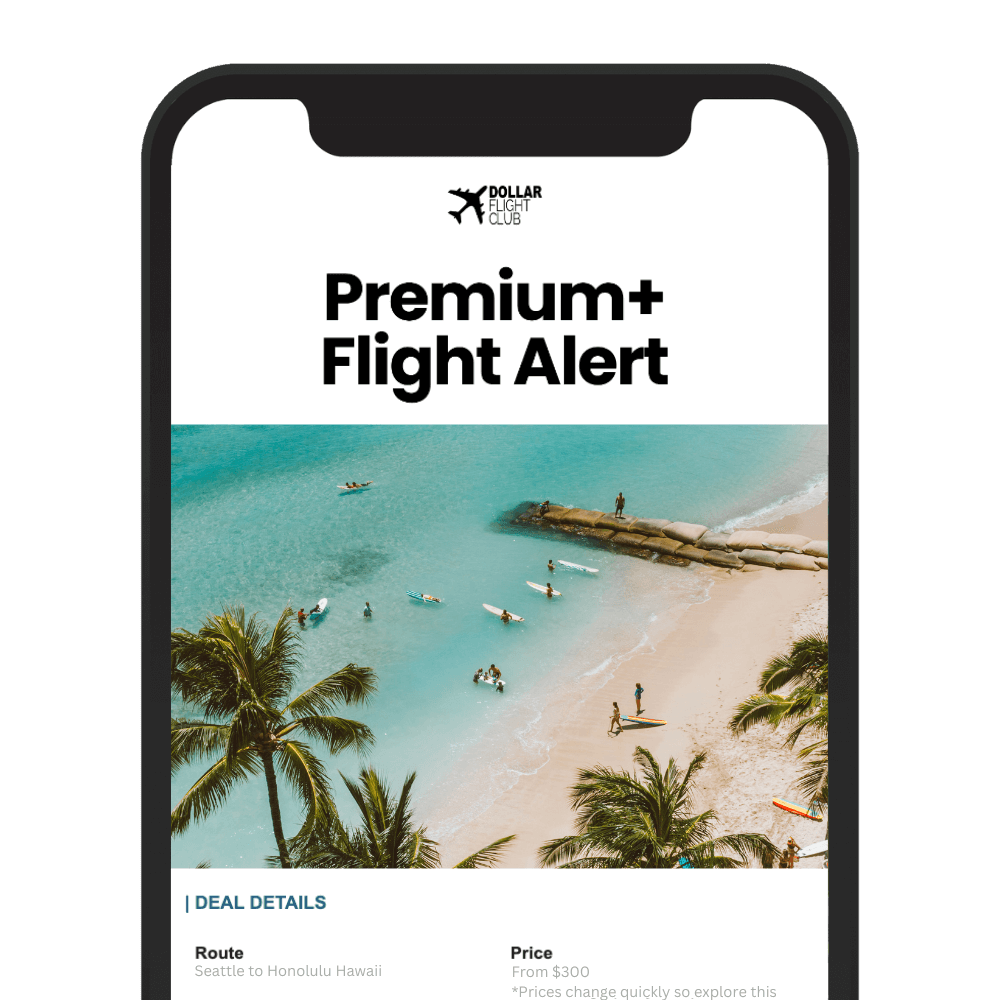
Services like Dollar Flight Club Premium+ ($99/year) can make early booking even easier. It monitors thousands of routes 24/7 and sends SMS alerts when fares drop, including rare mistake fares that can save you a bundle. Booking flexible tickets is also a smart move – if prices drop after you’ve booked, you can rebook and receive a travel credit. Beyond booking early, adjusting when and where you travel can also help you save.
Travel Off-Peak and Stay Flexible
Summer months like June and July are seeing the sharpest fare increases – up 18% compared to 2025. To avoid these inflated prices, consider traveling in August or during the shoulder season. Airlines are also cutting back on mid-week and red-eye flights to manage fuel expenses, but these options still tend to offer better deals. Flying on Tuesdays, Wednesdays, or late at night can often help you find cheaper tickets.
Don’t forget to check nearby or secondary airports, as they may have lower fees or less demand, offering additional savings. Pairing this flexibility with rewards programs and price-tracking tools can stretch your travel budget even further.
Use Points, Miles, and Price Tracking Tools
With cash fares climbing and airlines introducing new fuel surcharges – like Air India’s added $50 fee or Cathay Pacific’s 34% surcharge increase – frequent flyer miles and credit card points are more valuable than ever.
Price tracking tools like Google Flights can also help you stay on top of fare changes. Airlines use dynamic pricing algorithms that shift constantly based on demand and fuel costs. By setting up alerts, you’ll be notified when prices temporarily drop, giving you the chance to snag lower fares. Combine these tools with early booking and flexible travel plans to counter rising ticket prices in 2026.
Conclusion
Since the conflict began on February 28, 2026, the aviation industry has faced a perfect storm of challenges: soaring jet fuel prices, disrupted airspace leading to widespread flight cancellations, and reduced flight capacity. These factors have driven ticket prices up by about 18% compared to last summer, with airlines like Cathay Pacific doubling their fuel surcharges in March. With limited seating and high travel demand, fares are expected to stay elevated – roughly 5% to 10% higher – through 2027.
Even with these rising costs, savvy travelers can take steps to ease the financial burden. Booking early remains one of the most effective strategies. For domestic trips, aim to secure tickets 1 to 3 months in advance, while international travelers should plan 2 to 8 months ahead. Flexibility with travel dates can also help you snag better deals. Tools like Dollar Flight Club Premium+ ($99/year) are particularly helpful, as they monitor thousands of routes and send SMS alerts when prices drop, giving you an edge in finding bargains.
For international routes, where surcharges can exceed $50, tapping into frequent flyer miles and credit card points can make a big difference. Pair these rewards with price tracking tools and flexible booking options that allow rebooking if fares decrease, and you’ll have a better chance of keeping your travel costs in check throughout 2026.
FAQs
Will airfare drop if the war ends soon?
If the conflict with Iran ends soon, airfare prices are likely to drop. Right now, high ticket costs are mainly due to increased fuel prices and disruptions in airspace routes. Once the situation stabilizes, these factors should ease. That said, airlines may take a while to reflect these changes in their pricing.
Which routes are most likely to get rerouted or canceled?
The Strait of Hormuz and surrounding Middle Eastern airspace have become high-risk zones for flights, with the ongoing conflict in Iran leading to significant disruptions. Airlines are adjusting flight paths or suspending specific routes due to concerns over airspace security and interruptions in oil supplies. If you’re traveling, it’s important to stay updated with your airline for potential changes to your itinerary.
Should I buy travel insurance for Middle East connections?
Yes, buying travel insurance is a smart move for trips involving Middle East connections. With the ongoing Iran conflict causing more flight disruptions and higher travel costs, insurance can help safeguard against cancellations and unexpected financial losses. It offers a layer of security and reassurance in today’s unpredictable travel landscape.