
Traveling internationally on a budget is possible with smart planning. Here’s how you can save at every step of your journey:
- Flights: Use tools like Google Flights and Dollar Flight Club to track prices and grab deals. Be flexible with dates and airports for lower fares. Budget airlines like Norse Atlantic and French Bee offer cheap international flights – just watch for extra fees.
- Destinations: Choose affordable regions like Southeast Asia, Eastern Europe, or Central America. Timing matters – travel during shoulder seasons or off-peak months for better rates.
- Accommodations: Stay in hostels, guesthouses, or co-living spaces. Look for discounts, negotiate for longer stays, or try house-sitting and work exchanges for free lodging.
- Food & Transport: Eat at local markets, cook when possible, and use public transit or overnight transport to cut costs.
- Money Management: Track expenses, avoid hidden fees, and minimize currency exchange charges by using local ATMs and paying in local currency.
With these strategies, you can explore the world without overspending.

How to Find Cheap International Flights
Airfare can often eat up a big chunk of your travel budget, but with a few smart moves, you can cut costs significantly. It all comes down to knowing where to look, when to book, and staying flexible.
Track Flight Prices and Sales
Airfare prices change constantly, so tracking them is key to snagging a great deal. Tools like Google Flights allow you to monitor specific routes by using the “Track Prices” feature. It even includes a price history graph, so you can see if the current fare is low, average, or high.
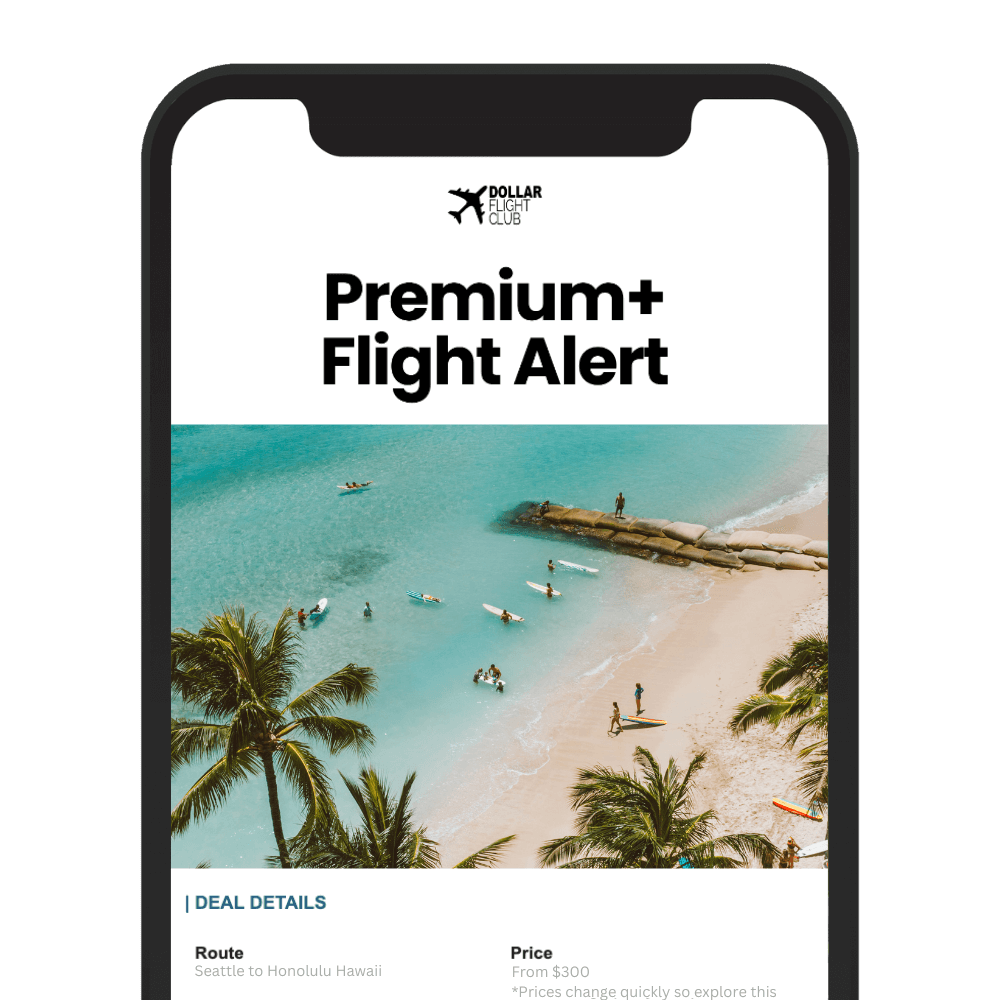
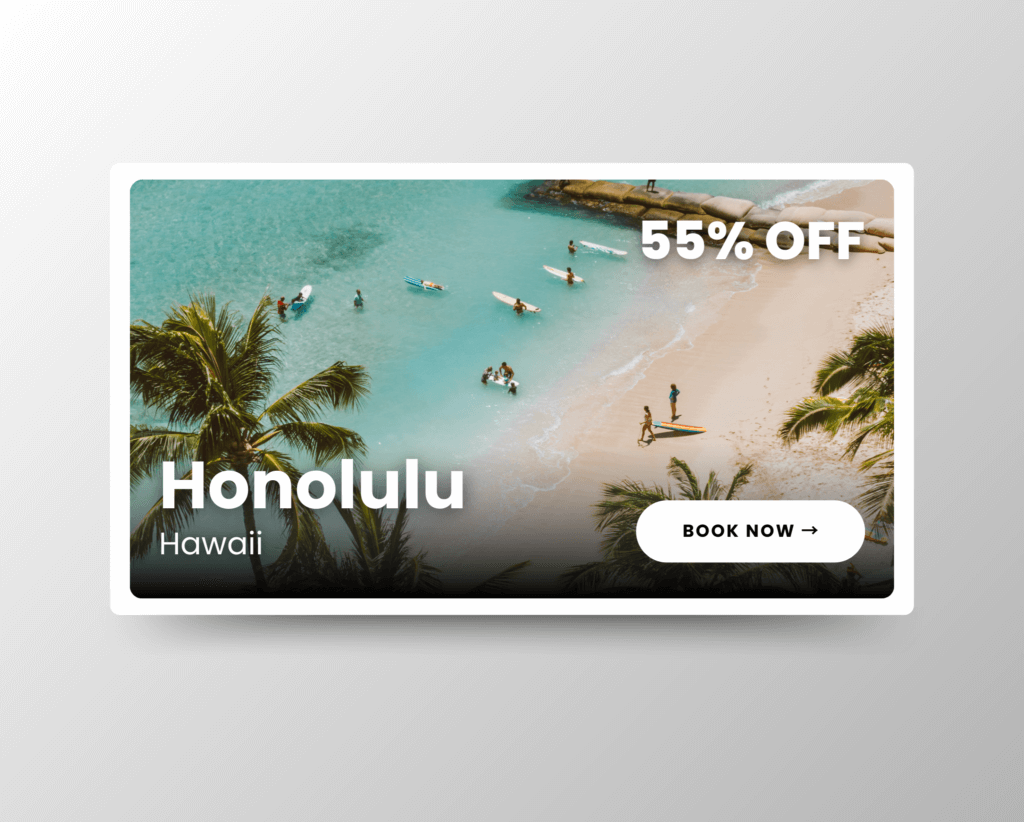
For even better deals, platforms like Dollar Flight Club send email and SMS alerts for flash sales and mistake fares. These discounts can slash prices by up to 90%, with round-trip fares dropping below $300. Their premium plans, starting at $69 per year, let you monitor multiple departure airports and up to 10 destinations at once.
Other tools like Skyscanner and Hopper also help you keep tabs on fares. The trick is to set up alerts on several platforms and act fast when a deal pops up. Once you spot a great price, flexibility with your travel dates and airports can help you save even more.
Stay Flexible with Dates and Airports
Flexibility is your best friend when it comes to finding cheap flights. For instance, flying midweek – on a Tuesday or Wednesday – can save you a lot compared to weekend travel. A flight from New York to London might cost $750 on a peak day but drop to $450 midweek.
Traveling during shoulder seasons – spring and fall – can also lead to lower fares. Tools like Google Flights’ date grid let you shift your trip by a day or two to uncover cheaper options, sometimes cutting costs by 30–50%.
Consider flying out of alternative airports as well. For example, departing from Oakland instead of San Francisco or Fort Lauderdale instead of Miami can save you 20–40% due to lower fees and increased competition. When searching, use city codes like “NYC” for all New York airports instead of a specific airport code to compare fares across the region.
Use Budget Airlines (and Know the Trade-Offs)
Budget carriers like Norse Atlantic, French Bee, and ZIPAIR offer international flights at much lower base fares – often 40–60% less than traditional airlines. For example, Norse Atlantic might offer a one-way flight from New York to London for just $150, compared to $600 on a major airline. Similarly, French Bee has round-trip flights from the U.S. to Paris for under $300, and ZIPAIR connects the U.S. to Japan for $400–$600.
However, budget airlines come with trade-offs. Add-ons like checked bags ($50–$100 each way), seat selection ($20–$50), and meals can quickly add up. To keep costs low, stick to a carry-on (usually limited to 10 kg/22 lbs) and skip extras. Even with the additional fees, budget airlines often remain cheaper than legacy carriers.

Pick Affordable Destinations
Choosing the right destination can make all the difference when it comes to sticking to a budget. Some regions around the world offer incredible experiences at prices that are far more affordable than in Western countries. The key is to focus on places where your money stretches further.
Best Budget-Friendly Regions
Southeast Asia is a traveler’s dream for affordable adventures. Take Vang Vieng, Laos, for example – you can comfortably spend just $15–$25 per day. Guesthouses start at $7, meals can cost as little as $1.50, and a refreshing Beerlao is just $1. In Hanoi, Vietnam, expect daily expenses of $20–$35, with street food priced between $1 and $3 and guesthouse stays ranging from $10 to $20. Plus, the currency exchange works in your favor: $1 equals about 24,000 Vietnamese Dong or 35 Thai Baht.
Eastern Europe and the Balkans offer a mix of charm and affordability. In Brasov, Romania, you’ll spend $30–$50 per day, with hostels costing $14, street pretzels for $1.30, and bus rides as low as $0.44. Over in Sarajevo, Bosnia, private rooms average $31, and you can enjoy traditional burek pastries for just $3. Even popular destinations like Budapest, Hungary, remain budget-friendly, with daily costs of $45–$70. Dorm beds are as low as $8, beers cost $1.60, and entry to a thermal bath is just $8.
Central and South America are great options for those looking to stay closer to home and save on airfare. In Bacalar, Mexico, you can get by on $30–$50 per day, with dorm beds at $10 and street tacos for $0.50–$1. Other affordable destinations include Guatemala, Nicaragua, and Colombia, where daily expenses are low, and flights from the U.S. are often $200–$400 – much less than the $800+ you’d typically spend flying to Southeast Asia.
Beyond picking budget-friendly destinations, timing your trip right can further slash costs.
Travel During the Right Season
The timing of your trip can have a big impact on your budget. Traveling during shoulder seasons – March through May and September through November – can save you a lot. These periods offer lower prices, smaller crowds, and pleasant weather. Hostel rates, for example, often drop by 15% to 30% during these months.
For even deeper savings, consider traveling in January and February, which are often the cheapest months for flights, accommodations, and activities. In Southeast Asia, the dry season from November to February offers great weather and low costs, though places like Vietnam and Laos remain affordable year-round. In Europe, March is a prime time for savings, with hotel prices significantly lower than in the summer. For Mexico and the Caribbean, aim for early March before spring break crowds arrive, or the quieter April–May period.
Another tip? Fly on holidays like December 24, December 25, or January 1 for quieter airports and cheaper fares. And if you can, book midweek flights – Tuesdays and Wednesdays almost always beat weekend prices.

Find Cheap Accommodations
Lodging can easily eat up 30–40% of your travel budget. Thankfully, there are plenty of alternatives to expensive hotels that offer both comfort and a taste of local life.
Types of Budget Accommodations
Hostels are the go-to choice for affordable stays. In places like Southeast Asia, dorm beds can start as low as $8 per night. Many hostels now come with perks like in-room lockers, privacy curtains, and even private rooms with ensuite bathrooms – perfect if you want a mix of budget-friendly comfort and personal space.
Guesthouses and pensions are another great option. These typically offer private rooms (often with bathrooms) and sometimes include home-cooked breakfasts. Plus, the hosts often provide excellent local tips, making your stay both cozy and informative.
Co-living spaces are designed with digital nomads in mind. Brands like Selina and Outsite offer packages ranging from $400 to $600 per month. These usually include high-speed internet, coworking areas, shared kitchens, and even community events – ideal for combining work and travel.
How to Book Accommodations for Less
Finding a good deal on lodging requires a bit of strategy. Start by comparing prices on popular booking platforms, but don’t stop there. Reach out to smaller, independent hotels directly – they might offer lower rates or extra perks like free breakfast since they save on commission fees.
Location matters, too. Staying in residential neighborhoods 15–25 minutes from the tourist center can slash costs. Use the map tools on booking sites to find well-reviewed spots just outside the pricey downtown areas. Plus, these neighborhoods often have better access to authentic local food.
If you’re planning a longer stay, try negotiating for discounts. Ask about “weekly rates” or other extended-stay deals, which can save you 20–40%. Many booking platforms also have loyalty programs like Booking.com’s Genius or Expedia’s One Key, offering savings of 10–30% for members.
Free and Low-Cost Lodging Options
For those looking to save even more, house-sitting is a fantastic option. Platforms like TrustedHousesitters have seen a 150% increase in listings since the pandemic. In exchange for tasks like pet care or property maintenance, you can stay for free – saving $100–$200 per night. Budget travel blogger Emma Chen, for instance, managed to explore Europe on less than $500 over three months by combining house-sitting with work exchanges. Her stays included a château in France, a seaside villa in Portugal, and a mountain lodge in Switzerland.
Work exchanges are another way to cut costs. Websites like Workaway, WWOOF, and HelpX connect travelers with opportunities to trade a few hours of daily work (like helping at a farm or hostel) for free room and board. It’s an excellent way to experience local culture without spending a dime.
Lastly, consider sleeper transport like overnight trains or buses. These options, typically costing $40–$60, can double as both transportation and accommodation, effectively bringing your lodging cost down to $15–$35 when factoring in travel savings.

Save Money on Food and Transportation
Once you’ve tackled the big-ticket items like flights and accommodations, the next step is to keep daily expenses – like food and transportation – under control. These smaller costs can quietly add up, but a few smart strategies can help you stretch your budget without compromising your travel experience.
Eat Cheaply While Traveling
Make lunch your main meal. In places like Europe and Latin America, fixed-price lunch specials can be 30–50% cheaper than dinner options. For example, in Hanoi, Vietnam, you can start your day with a bowl of pho for about $2, grab a bánh mì for $3, and enjoy dinner at a street stall for just $4.
Seek out street food and local markets. These are unbeatable for authentic flavors at wallet-friendly prices. Markets are great for fresh fruit, snacks, and even full meals – imagine a picnic in Paris for just $8. For restaurants, wander a few blocks away from tourist hotspots to find places where locals eat. Not only will you save money, but the quality is often better too, free from the inflated “tourist tax”.
Cook when you can. If your lodging offers a kitchen, preparing one meal a day can save you $10–$20. Supermarkets are your best friend for staples, and many even have hot food counters – rotisserie chicken is a great, budget-friendly option. Bakeries are also excellent for hearty and affordable meals. Don’t forget to carry a refillable water bottle, and if you’re in wine regions like France or Italy, opt for house wine by the carafe for a budget-friendly treat.
Get Around for Less
Skip taxis – use public transit. Buses, subways, and trams are 70–90% cheaper than taxis. For instance, an airport bus or train might cost $5–$12 compared to $40–$80 for a taxi. Multi-day transit passes or contactless cards can save you even more. Apps like Citymapper or Google Maps are great tools for planning affordable routes.
Consider overnight transport. Overnight trains or buses can double as both transportation and accommodation, saving you money on lodging. For intercity travel, budget bus services like FlixBus – covering over 400,000 routes in 40+ countries – are often 70% cheaper than trains. And for exploring cities, walking or using bike-share programs are not only economical but also a great way to soak in the sights.
Manage Your Money While Traveling
Keeping your finances in check while traveling is just as important as scoring deals on flights and accommodations. Smart spending habits can stretch your budget, letting you enjoy your trip without constantly worrying about running out of funds. From daily expense tracking to avoiding hidden fees, managing your money well ensures you can focus on what matters most during your journey.
Set and Track Your Budget
Do your homework. Before you even pack your bags, spend some time researching everyday expenses for your destination. Websites like Numbeo and budgetyourtrip.com can give you a ballpark idea of costs for basics like food, public transit, and entertainment. Use this info to create a realistic daily budget, dividing your spending into categories like lodging, meals, and activities.
Keep tabs on every expense. Logging your spending is key to staying within your budget. Use a notes app or specialized tools like Spentrip or Receiptix to track expenses in both local and U.S. dollars. These apps can even handle currency conversion and receipt scanning. Regularly reviewing your spending helps you make adjustments before small overages snowball into big problems.
Stay put to save. Reducing frequent transit between destinations can save you a surprising amount of money. Longer stays often unlock lodging discounts of 15–40% and cut down on transportation costs. Plus, staying in one place for a while allows you to dive deeper into the local culture.
Minimize Currency Exchange Fees
Be aware of hidden charges. Currency conversion fees can eat up 3–6% of your travel budget. Banks and payment networks typically add a 1.5–4% margin, and foreign transaction fees can tack on another 1–3%. Airport exchange booths are even worse, with markups as high as 15% compared to mid-market rates.
Pay in local currency. When a merchant asks if you’d like to pay in U.S. dollars or the local currency, always choose the local option. Dynamic currency conversion often comes with hefty markups that can easily be avoided.
Use ATMs strategically. While international ATMs usually charge flat fees ($3–7 per withdrawal), you can minimize these costs by withdrawing larger amounts less frequently. For example, taking out $300 twice is often cheaper than making several smaller withdrawals. If you need cash right after landing, airport ATMs generally offer better rates than exchange counters. It’s also wise to carry cards from different networks, like Visa and Mastercard, so you always have a backup option.
Find Free and Cheap Activities
Get outdoors and explore. Whether it’s hiking, visiting public beaches, or wandering through national parks, there are plenty of low-cost ways to enjoy your surroundings. For U.S. travelers, the “America the Beautiful” annual pass costs $80 and grants access to all National Parks. In urban areas, consider free walking tours, street art hunts, or browsing local markets. Even something as simple as spending time at a public library can be an enriching experience.
Take advantage of museum deals. Many museums offer free-entry days or discounted evening hours. While some attractions charge admission, you can often admire landmarks, cathedrals, and monuments from the outside for free. For a unique perspective, hop on a local ferry or bus to see the city through the eyes of its residents – all for the price of a transit ticket.
Avoid Common Travel Expenses
Pack smart to avoid baggage fees. Overpacking can lead to hefty extra baggage charges, especially with budget airlines. Review the airline’s baggage policies before booking to avoid surprises.
Steer clear of tourist traps. Restaurants and shops near major landmarks often inflate their prices. A short walk away from these hotspots can lead you to hidden gems where locals eat and shop, often at much lower prices.
Be wary of hidden costs. Some hotels sneak in extra charges like resort fees or cleaning costs, and car rental companies may push unnecessary insurance. Always read the fine print and ask upfront about the total cost to avoid surprises at checkout.

Conclusion
Traveling internationally on a budget comes down to making thoughtful decisions at every stage. From keeping an eye on fluctuating flight prices to being flexible with travel dates and airports, these strategies can significantly cut your costs. Opting for budget-friendly options like hostels, street food, and public transportation can also help you stretch your travel funds further.
Careful planning is key to keeping expenses in check. Set up fare alerts to snag deals before they vanish, book lodging early to secure discounts, and research the cost of daily necessities before you arrive. Once you’re at your destination, look for free or low-cost activities like scenic hiking trails or museums with discounted entry days.
FAQs
When should I book an international flight for the lowest price?
For international flights, the sweet spot for snagging the best prices is 3 to 6 months ahead of your trip, especially if you’re planning to travel during busy seasons. Booking early often means locking in cheaper fares before they climb. Here’s another tip: book on Sundays – this simple strategy can save you up to 17%. Staying flexible with your travel dates and even considering alternative departure airports can also help you cut costs.
How do I avoid surprise fees on budget international airlines?
When planning a trip, it’s crucial to stay ahead of potential extra costs. Start by reviewing the airline’s baggage policy – many charge for additional bags, and those fees can add up quickly. If you’re traveling internationally, watch out for currency exchange fees. Opt for ATMs or credit cards that don’t tack on extra charges to your transactions.
Additionally, check the airline’s rules for seat selection, meals, and other add-ons. Some carriers charge extra for these, and knowing this upfront can save you from surprises. By planning carefully and budgeting for these potential expenses, you can keep your travel costs under control.
What’s the cheapest way to get cash abroad without extra fees?
The most cost-effective way to access cash while traveling abroad is by using a travel-friendly card. These cards typically offer competitive exchange rates and waive foreign transaction fees, saving you money on every withdrawal or purchase. Additionally, some services let you exchange currencies at the mid-market rate, often with little to no hidden fees. This can help you dodge the hefty markups that traditional currency exchanges often charge.