
Airlines use pricing algorithms to maximize profits, but you can outsmart them. Here’s how:
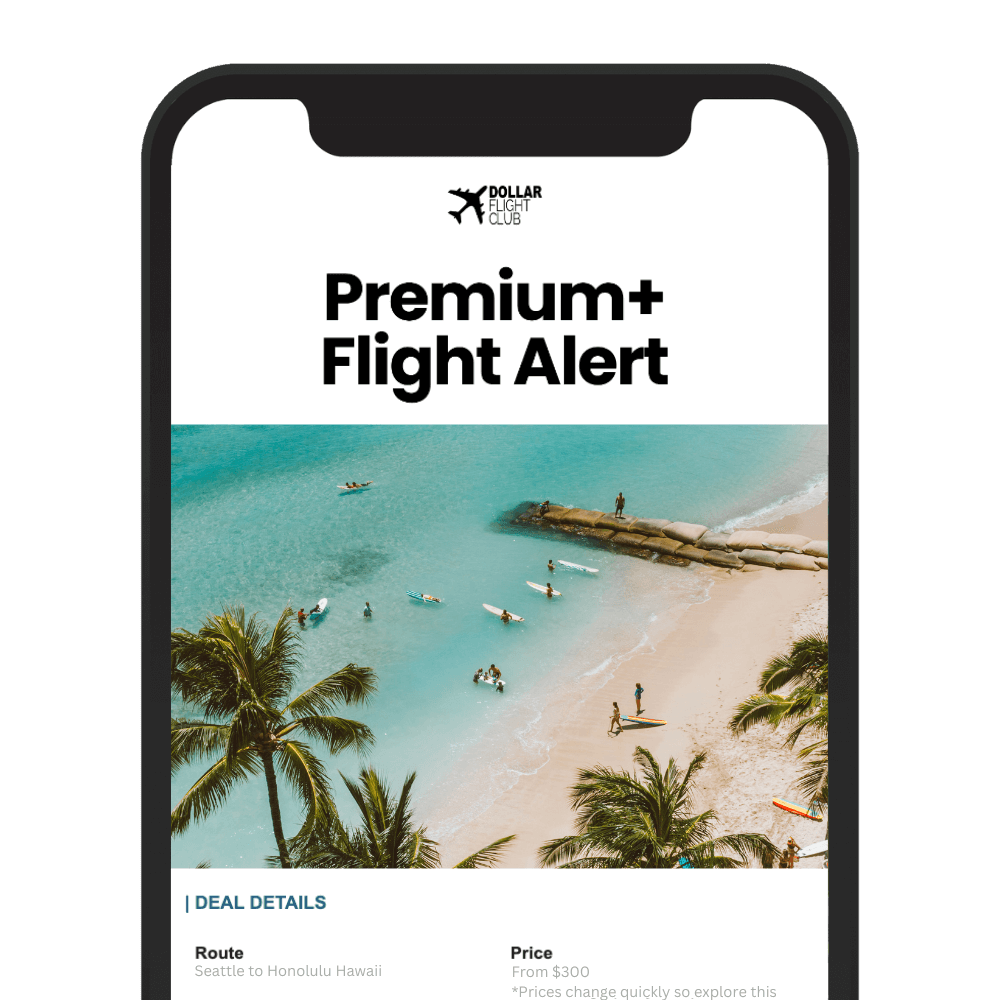
- Sign Up for Price Alerts: Services like Dollar Flight Club notify you of fare drops and mistake fares, saving you hundreds.
- Book Midweek: Ticket prices often drop on Tuesdays and Wednesdays due to lower demand.
- Use Incognito Mode: Prevent cookies from inflating prices based on your search history.
- Be Flexible with Dates: Adjust travel dates around holidays to find cheaper options.
- Check Nearby Airports: Compare flights from smaller or alternate airports for better deals.
These simple strategies can help you avoid overpaying for flights. Let’s dive into the details.

1. Subscribe to Dollar Flight Club for Instant Price Drop Notifications
Dollar Flight Club takes the hassle out of tracking airfare deals. It scans over 1,000,000 flights daily across 300+ airlines and sends you instant alerts when prices drop. The service pinpoints those moments when airlines lower fares – whether due to low demand or pricing mistakes – and notifies members through email and SMS.
One of the biggest draws? Mistake fares. These happen when airlines accidentally list ultra-low prices. In 2024, members scored unbelievable deals like a Delta roundtrip to Europe for just $113.50 or a Houston-to-Melbourne flight for $184. The best part? Airlines honor about 90% of these fares, making them a game-changer for budget travelers.
Timing is everything with these deals. In January 2025, John Ramirez snagged a Tokyo roundtrip for $312 – an incredible 93% off the usual $4,500 price – by acting fast. Similarly, Lisa Torres booked a London roundtrip for $199 (down from $2,100) within just 45 minutes of receiving an alert.
Getting started is straightforward. Head to Dollar Flight Club, pick a plan (Premium starts at $69/year), and enable SMS notifications for the fastest updates. Customize alerts based on your preferred airports and routes, so you only get deals that match your travel plans.
When an alert hits your inbox, book immediately. Thanks to U.S. law, you have a free 24-hour cancellation window, giving you time to lock in the deal before prices rebound. This quick-response system ensures you can grab incredible fares before they’re gone.

2. Book Flights on Tuesdays and Wednesdays to Avoid High Prices
Airlines use a tiered pricing strategy, often referred to as fare bucket logic, to adjust ticket prices based on demand. Seats that remain unsold are moved into lower price categories as demand drops. Since fewer people typically book flights midweek, airlines often reduce fares to encourage bookings.
Most airlines roll out new fares late Monday night. If these discounted seats don’t sell within 24 hours, prices often drop further by Tuesday or Wednesday. This midweek trend can lead to savings of up to 50% compared to weekend fares. Even though weekend flights might have less demand, their higher overall value keeps prices elevated.
To take advantage of this pricing pattern, aim to book flights on Tuesday mornings when fresh discounts are most visible. For even better deals, check between 8:00 PM and 11:00 PM local time, as evening adjustments often trigger additional price reductions. Using the best flight search engines like Google Flights and Skyscanner with calendar views can help you quickly identify the cheapest midweek dates.
For maximum savings, pair this strategy with traveling during shoulder seasons like late August or October. Additionally, consider flying on the actual holiday itself – such as Christmas Day or Thanksgiving Day – when fares are often lower than the days immediately before or after, which are typically busier travel periods.

3. Browse in Incognito Mode to Stop Price Tracking
Airlines and booking sites often use cookies – tiny digital trackers stored in your browser – to keep tabs on your activity. These cookies log details like the routes you search, your preferred travel dates, and even how long you spend looking at specific options. When you return to the site, this data can trigger higher prices, creating a sense of urgency to book quickly. Essentially, the system uses your browsing history to nudge you into paying more.
A November 2024 study analyzing 2,000 flight searches found that fares were lower in nearly 59% of cases when using a browser with no prior search history. This highlights how starting your search without leaving a digital trail can help you avoid inflated prices. It’s a simple yet effective way to level the playing field.
To steer clear of these price manipulations, open an incognito or private browsing window before you start searching. This prevents cookies from being stored and influencing the prices you see. If you’ve already searched in a regular browser session, clear your cookies to wipe any saved data. Another tip: log out of your airline loyalty accounts when comparing fares to ensure you’re seeing unbiased rates.
For an extra layer of protection, consider using a VPN to change your IP address or switch devices if prices suddenly spike. These small adjustments, combined with other strategies, can make a big difference when hunting for the best flight deals.

4. Compare Prices Across Airlines and Adjust Dates Around Holidays
Once you’ve skipped the temptation to track prices obsessively, the next move is to compare fares across airlines and tweak your travel dates. Airlines often use 24 to 77 different pricing tiers for each flight, which can lead to huge differences in ticket prices depending on the carrier and timing. Checking multiple airlines helps you spot these algorithm-driven price shifts and figure out what’s a fair deal versus what’s inflated due to demand.
Traveling on the holiday itself can save you a lot since most people prefer to arrive earlier. For example, flights on Thanksgiving Day in 2025 averaged $470, but by Sunday after Thanksgiving, prices jumped to $802. Similarly, flying on Christmas Eve averaged $530, while tickets for Saturday, December 20, soared to $851. Even small adjustments to your travel dates during the Christmas season can save you around $125 per ticket. These patterns highlight how flexible planning can lead to significant savings.
To secure better rates, aim to finalize Thanksgiving travel by late October and Christmas flights by mid-November. Booking domestic flights at least 28 days in advance can save you up to 24%, with Saturday departures often being the cheapest and Sundays the priciest. Early planning is especially crucial during peak holiday periods, as demand typically pushes prices higher – 2025 holiday airfare rose between 1% and 4% compared to 2024.

5. Check Multiple Nearby Airports for Better Rates
When it comes to saving on airfare, looking beyond just dates and airlines can make a big difference. Using practical travel tips like this often-overlooked strategy is comparing flights from multiple airports near your departure and destination cities. Airlines price tickets differently depending on the airport, even within the same region. Major hubs often cater to business travelers with higher-priced fare tiers, while smaller, regional airports may offer more budget-friendly options to attract leisure travelers. For example, airlines like American Airlines, Southwest, and Delta use complex pricing systems with dozens of fare tiers – 24, 28, and up to 77, respectively – which can lead to significant price variations.
To maximize your chances of finding a deal, search for flights from all airports within a reasonable driving distance. Airline pricing is highly dynamic, adjusting to local demand and competition. This means a flight from a large hub could be significantly more expensive than one from a smaller airport nearby, especially if a low-cost carrier operates in that market.
However, before jumping on a cheaper fare from an alternate airport, factor in all additional costs – gas, parking, and the extra travel time involved. Sometimes, the savings on the ticket might not outweigh these added expenses, so it’s essential to weigh the total cost of your trip.
This approach, often referred to as “airport arbitrage”, works because airlines base their pricing strategies on route profitability and market forecasts. Even airports located just 30 or 40 miles apart can have drastically different pricing structures. By exploring all nearby airport options and accounting for associated costs, you can take advantage of regional price differences and outsmart the algorithms designed to upsell you. This is just one of many ways to find cheap flights by understanding how the industry operates.

Conclusion
Airline pricing algorithms are built to squeeze the most revenue by analyzing how travelers search and adjusting fares on the fly. But knowing how these systems operate can help you land cheaper flights. Tactics like setting up price alerts, booking midweek, browsing in incognito mode, tweaking your travel dates, and checking alternate airports are simple yet effective ways to beat the system.
The trick is to stay unpredictable and plan ahead. Airlines rely on patterns in customer behavior, so mixing up your search habits can give you the upper hand. For example, if you’re booking a domestic flight, aim for 1–3 months in advance, while international trips are best locked in 4–10 months prior. Timing is everything, especially during peak travel seasons like summer or the holidays when prices can jump 25–50%. On the flip side, traveling during the off-season can save you as much as 40–50%.
The best part? These strategies don’t require fancy tools or extra costs – just a bit of flexibility and planning. Start by signing up for flight alerts through services like Dollar Flight Club to stay on top of deals. From there, small tweaks like choosing a different airport or shifting your travel dates by a day or two can lead to big savings.
The airlines have their algorithms, but now you’ve got your own playbook. Use these tips to outsmart the system and save on your next trip.
FAQs
Do airlines really raise prices after repeated searches?
Yes, airlines adjust ticket prices using dynamic pricing, which means the cost of a ticket can go up after multiple searches. They monitor your browsing activity and search habits to tweak prices and boost profits. To sidestep this, try clearing your browser cookies or searching in incognito mode to prevent tracking.
What’s the best time to book after a price alert?
When a fare alert signals a major price drop, it’s the perfect moment to book. Airline prices can shift rapidly, so quick action is crucial. For domestic flights, try to book 1–3 months in advance, while 3–6 months ahead is best for international travel. Staying within these time frames after spotting an alert increases your chances of locking in the best price.
When do nearby airports stop being worth the savings?
When you factor in extra expenses like transportation, parking, and the value of your time, flying out of a nearby airport might not actually save you money. This is especially true if those additional costs eat up more than 30% of your fare savings or if the longer distance and hassle make the trip more trouble than it’s worth.