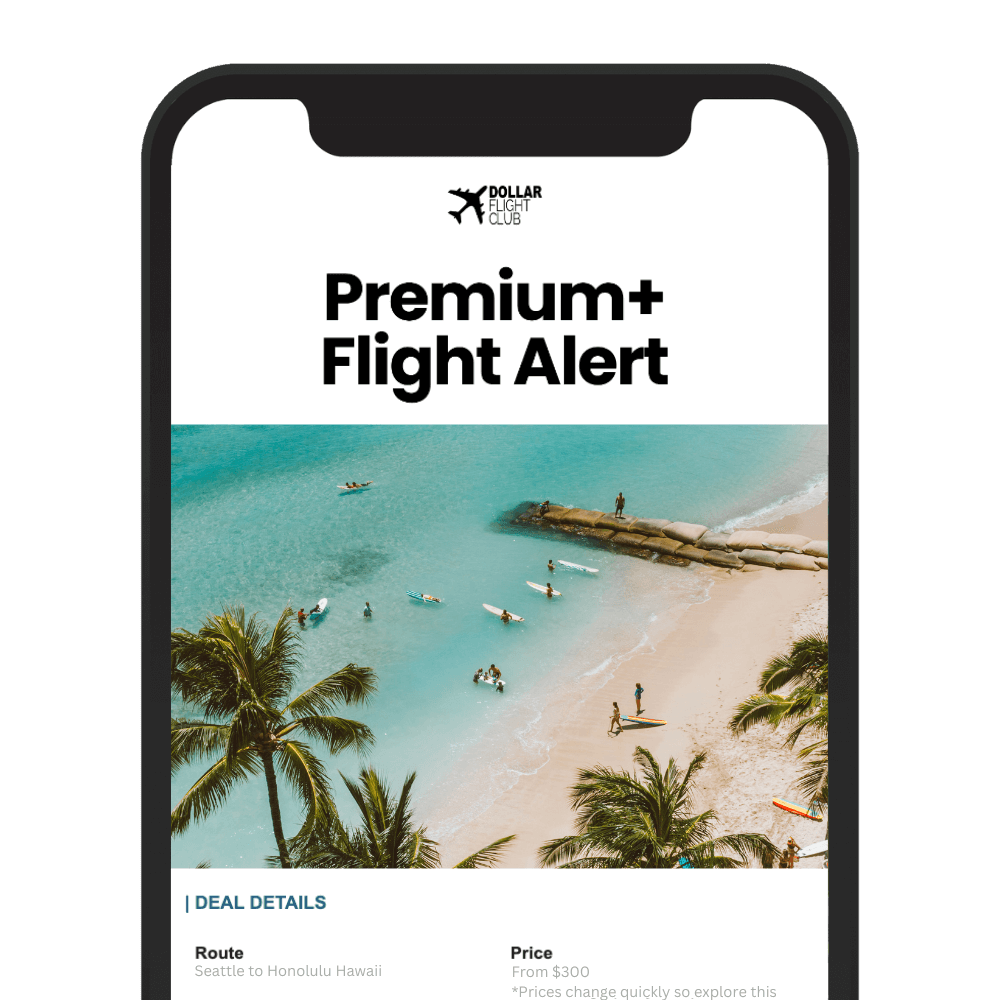

Finding cheap flights in 2026 is all about timing, flexibility, and using the right tools. Airlines now use AI to adjust prices constantly, and with fewer “off-peak” discounts, saving money on flights requires smarter strategies. Here’s a quick summary of the best ways to save:
- Use Deal Alerts: Services like Dollar Flight Club send you real-time price drops.
- Be Flexible with Dates: Shifting travel by a day or two can cut costs.
- Search Alternative Airports: Smaller airports or nearby hubs often offer lower fares.
- Opt for Layovers: Non-direct flights can significantly reduce ticket prices.
- Use Flight Search Engines: Tools like Google Flights and Hopper help track and compare prices.
- Book at the Right Time: Domestic flights are cheapest 1–3 months out, while international flights are best booked 2–8 months in advance.
- Redeem Miles and Points: Travel rewards programs and credit card points can cover flights and fees.
These strategies work best when combined. For example, set up price alerts, compare nearby airports, and book during optimal windows to maximize savings.

1. Sign Up for Dollar Flight Club Alerts
Why spend hours scouring the web for cheap flight deals when you can have them delivered straight to you? Dollar Flight Club tracks thousands of flight routes every day and sends you instant alerts when prices drop. All you need to do is choose your home airports and dream destinations, and they’ll handle the rest. This service not only saves you time but also helps you lock in some serious savings.
How Much Can You Save?
The savings are impressive. Members have snagged deals like Denver to New York for just $59 (normally $350) or San Francisco to Hawaii for $181 (normally $675). On a single trip, you could save as much as $2,000. Plus, members enjoy over $1,000 worth of perks and discounts from top travel brands. With a community of more than 3 million members, it’s clear these benefits are making a big difference.
Simple to Get Started
Getting started is easy. Pick your departure airports and dream destinations, and you’ll start receiving alerts via email or SMS. Dollar Flight Club offers different membership tiers to fit your needs:
- Free Plan: Domestic deals from one airport.
- Premium Plan ($69/year): Includes international flights and mistake fares from up to four airports.
- Premium+ Plan ($99/year): Adds business and first-class alerts along with SMS notifications.
Perks Beyond Cheap Flights
Beyond cheap fares, members get access to exclusive deals negotiated directly with airlines, travel perks, and partner discounts. Considering U.S. airlines raked in over $7 billion in baggage fees in 2025, these extra perks can help offset some of those rising travel costs.

2. Be Flexible with Travel Dates
Airlines constantly tweak their fares using advanced, real-time algorithms based on demand. Shifting your travel plans by just a day or two can sometimes slash ticket prices in half. Airfares are unpredictable and rarely stay the same for long.
Cost Savings Potential
For domestic flights, the best prices are usually found 30 to 39 days before departure. For international travel, booking 49 days or more in advance often leads to the lowest fares. Flying midweek – especially on Tuesday, Wednesday, or Saturday – can also help you score cheaper tickets since fewer people choose to travel on those days. Traveling during less busy periods can make a noticeable difference in airfare costs.
Ease of Implementation
Many flight search engines offer an “Explore” feature that allows you to view ticket prices across an entire month. This makes it easier to pinpoint the cheapest days to fly. If your schedule is flexible, use these tools to adjust your travel dates or even discover the most affordable destinations within your time frame. To stay ahead of price changes, set up fare alerts at least 10 months before peak travel seasons. This will help you track fare trends and grab a deal when prices drop. These strategies can make a big difference, especially in today’s fast-changing airfare market.
Flexibility Required
With remote work blurring the lines between traditional travel seasons, the gap between summer and fall airfare prices has started to shrink. However, midweek flights and red-eye departures remain excellent options for saving money. When you spot a great deal, act fast – prices can rise or sell out within hours.

3. Search Nearby or Alternative Airports
Big hubs like LAX, JFK, or ORD are known for competitive fares thanks to intense airline competition. But don’t stop there – broadening your search to include smaller or nearby airports could unlock some hidden deals. Pairing this approach with flexible travel dates can open up even more opportunities to save.
Cost Savings Potential
Flying through alternative airports can shave off hundreds of dollars per ticket. Take this example: a flight from New York to Budapest for $249, combined with a $43 connecting flight to Amman, Jordan, ended up saving $100 compared to a direct ticket priced at $603. Being open to different gateways is one of the best ways to find cheap flights for U.S. travelers.
How to Make It Work
Using multiple airport options – often called “gateway hopping” – can help you snag lower fares, especially for international travel. Tools like Google Flights make this easy with their multi-select feature, allowing you to compare prices across several departure or arrival airports. Their “Explore” map is another handy tool, showing the cheapest destinations from your selected airport or nearby hubs. Many travelers also book a cheap domestic “positioning” flight to a major international gateway to access better deals.
What to Keep in Mind
If you’re booking separate tickets for these positioning flights, plan for extra time between connections. Remember, airlines aren’t responsible for missed connections on separate bookings. Also, consider the cost and time involved in ground transportation between airports. A popular trick, often called the “Greek Islands Trick”, involves booking the cheapest long-haul flight to a major hub like Athens and then using budget carriers or local transport to reach your final destination – say, Santorini. This approach can save you hundreds of dollars.

4. Choose Flights with Layovers or Multi-City Routes
If you’re already open to adjusting your travel dates or exploring alternate airports, why not take it a step further? Opting for flights with layovers or multi-city routes can help you save a lot, even if it means a bit of extra travel time. While direct flights are undoubtedly convenient, they often come with a hefty price tag. Adding a stop or two along the way can significantly cut costs – and might even add a little adventure to your trip.
How Much Can You Save?
The savings can be impressive. For instance, flying from Chicago to Siem Reap with a stop in Bangkok could save you $780 compared to a direct flight. Another example: a route from Melbourne to Istanbul with a layover in Athens could save $320. Even booking split tickets – where you compare one-way, multi-city, and roundtrip flights to find the best deal – can save you money. A New York to Bangkok trip, for example, could cost $250 less than the usual $1,200 roundtrip when booked this way. These savings might even cover the cost of meals or a hotel stay during your layover.
What’s the Catch?
This approach does require some flexibility. If you’re booking separate tickets (often called “hacker fares”), plan for at least 3–4 hours between international connections. Why? Because airlines won’t be responsible if you miss a connection when your flights are booked separately. You’ll need extra time for potential delays, re-checking luggage, and navigating airports.
But it’s not all about the downsides. Layovers can sometimes come with perks, like free city tours or discounted hotel stays at airports such as Singapore Changi and Seoul Incheon. Multi-city routes can also let you explore multiple destinations without backtracking. Open-jaw flights – where you fly into one city and out of another – are another great option, saving you from the hassle and expense of returning to your original arrival point.
Adding layovers or multi-city routes to your flight search gives you yet another way to uncover great deals while adding a touch of exploration to your journey.

5. Use Flight Search Engines and Price Alerts
Flight search engines have become incredibly sophisticated, and knowing which ones to use – and how to use them – can make a big difference in airfare costs. Each platform has its own strengths, so mixing and matching often works best.
Google Flights is a favorite for its clean layout and powerful price tracking. The “Explore” map feature highlights the cheapest destinations from your home airport, which is ideal if you’re open to different travel spots. Plus, the Price Guarantee program refunds the difference if fares drop after booking (up to $500 annually).
Kayak stands out for its advanced filters and “Hacker Fares”, which combine one-way tickets from different airlines to save money. Momondo dives deep into smaller online travel agencies that bigger platforms might overlook, making it a go-to for international travel. Hopper uses historical pricing trends to advise whether to book now or wait, and its “Price Freeze” feature lets you lock in a fare while you decide.
Ease of Implementation
Setting up price alerts is quick and easy, yet it can lead to substantial savings. For most trips, start monitoring fares about three months in advance. Even after booking, continue tracking prices – many U.S. airlines allow rebooking at a lower rate, offering flight credits for the difference.
Additional Benefits
Flight search tools are evolving to offer even more value. For example, the Points Path browser extension displays award pricing (miles) alongside cash fares in Google Flights, helping you decide whether to pay in cash or points. Google also introduced “Flight Deals”, an AI-powered chatbot that tailors travel suggestions based on your preferences. Deal alert services are another game-changer, with members saving an average of $550 per ticket. These features make price alerts and search engines some of the easiest ways to save on flights without compromising convenience.

6. Book During the Best Time Windows
Timing your flight booking just right can make a big difference in how much you pay. Airlines constantly adjust their fares throughout the day using advanced algorithms, making airfare prices unpredictable. To save money, knowing when to book is just as important as choosing flexible dates or alternative airports.
Cost Savings Potential
Finding the right booking window can help you snag great deals. For domestic flights, booking 1–3 months ahead could save you up to 25%. For international trips, aim for 2–8 months in advance, as prices often dip after the 49-day mark before departure. On average, domestic fares booked 30 days out cost about $225, and roundtrip tickets to Europe or Asia can sometimes go for $500 or less.
Ease of Implementation
Start tracking prices early – set up alerts months in advance, especially for peak holiday travel. Consider traveling during “shoulder seasons”, like early June, late August, or mid-October, when prices are lower, and crowds are thinner. Another smart strategy is booking tickets for peak travel seasons during the off-season. For instance, plan your summer trip to Europe in January or February to lock in better rates.

7. Redeem Points, Miles, and Travel Perks
Redeeming travel rewards is a smart way to cut down on travel expenses. Frequent flyer programs and travel credit cards can help you save on flights, upgrades, and even those pesky fees – like the $30–$60 charges for checked baggage each way.
Cost Savings Potential
Certain credit card reward programs, like American Express Membership Rewards, Chase Ultimate Rewards, and Citi ThankYou, let you transfer points to a variety of airline partners, giving you flexibility and value. What’s great is that award bookings often remain steady in value, even when last-minute cash fares climb. Some cards offer substantial welcome bonuses, like the Capital One Venture Rewards Credit Card, which in 2026 will include a $250 travel credit and 75,000 bonus miles for new cardholders.
Ease of Implementation
To maximize your savings, transfer credit card points to airline partners for better redemption rates. Tools like PointsYeah and Point.me (priced at about $99.99 annually) make it easier to search for award availability across different airlines in one go, saving you time and effort.
This advice is crucial – points lose value over time, so it’s best to use them sooner rather than later.
Additional Benefits
Premium credit cards often come with added perks like travel insurance for delays, cancellations, or interruptions. For example, one Chase card (with its $795 annual fee) can reimburse up to $500 per ticket if your delay exceeds 6 to 12 hours. Before purchasing separate travel insurance, check if your credit card already has you covered. You can also rack up miles outside of flights through shopping portals and dining rewards programs, making it easier to grow your balance between trips.

Conclusion
Snagging cheap flights in 2026 is all about combining smart strategies. The seven methods outlined here work best when used together rather than on their own. For instance, when Dollar Flight Club alerts you to a fare drop, you can maximize savings by checking flexible dates or nearby airports. Layering these tactics turns a good deal into an even better one.
Flying midweek alone can save you an average of $56 on domestic tickets, with holiday savings often exceeding $100. By blending these approaches, you create a system that keeps up with today’s fast-changing airfare trends.
The way flights are priced has evolved. AI-powered dynamic pricing can make deals disappear in just a few hours. That’s why being proactive is more important than ever. Set Google Flights price alerts early, stay open to different travel dates and airports, and consider mixing airlines for separate flight segments. And if you’re using tools like Momondo, take advantage of features like the “Fee Assistant” to account for baggage fees and ensure accurate comparisons.
Start using these strategies now to keep more money in your pocket every time you book.
FAQs
How do I know a flight price is truly a deal?
When hunting for a great flight deal, it’s smart to compare the fare against the average prices for the same route and time frame. For domestic flights, the sweet spot is typically booking 1–3 months in advance, while international trips are best secured 2–6 months ahead. Keep an eye out for fares that are well below average or even mistake fares – those rare pricing errors that can mean huge savings. Using tools like price alerts can make it easier to track pricing trends and jump on limited-time sales before they’re gone.
What’s the safest way to book separate tickets?
When booking separate tickets, the safest approach is to handle each reservation individually and allow ample time between flights. This helps account for possible delays or unexpected issues. Always use reliable platforms or book directly with airlines to avoid complications. To further reduce risks, consider leaving extra time for connections, purchasing travel insurance, or opting for tickets with flexible change policies. These steps can make your travel experience much smoother.
Should I pay with points or cash?
Deciding whether to use points or cash for a flight comes down to a few key factors: the value of your points, the ticket price, and your travel plans. Points are often the better choice if their value outweighs the ticket’s cash price, especially for premium cabins or international flights where the savings can be significant. On the other hand, paying cash might make more sense if fares are low or your points don’t stretch as far in value.
Also, keep flexibility and promotions in mind. Sometimes, mistake fares or special deals pop up, making cash payments a smarter option. Always weigh the specifics of your situation to get the most out of your travel budget.