
When it comes to saving on flights, timing, tools, and flexibility make all the difference. Airfare prices are unpredictable, but you can cut costs by up to 40–50% with smart strategies. Here’s how you can save big:
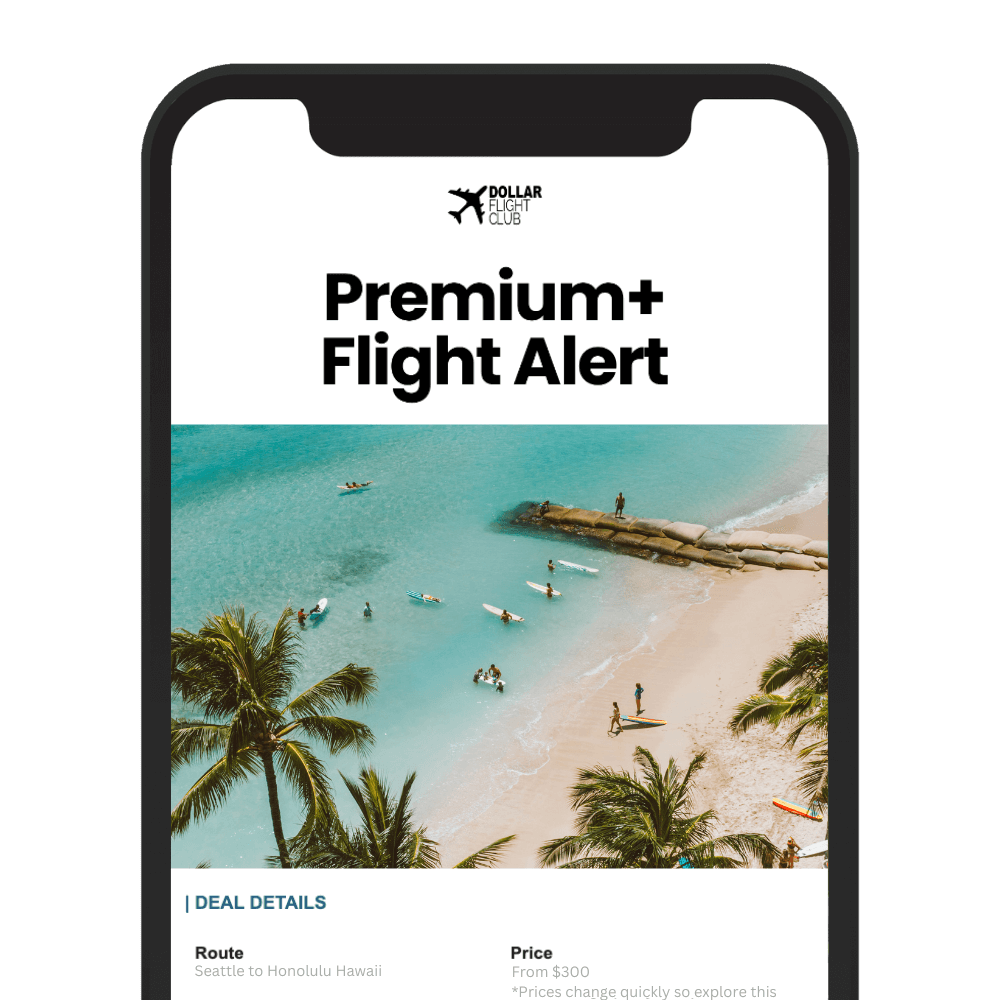
- Set flight deal alerts: Use tools like Google Flights, Kayak, or Dollar Flight Club to track price drops.
- Book at the right time: Domestic flights are cheapest 30 days out; international flights around 60 days before departure.
- Travel midweek: Flying on Tuesdays or Wednesdays can save you up to 13%.
- Stay flexible: Adjust your dates or consider nearby airports for better deals.
- Choose connecting flights: They’re often cheaper than direct routes.
- Use credit card points: Maximize rewards by transferring points to airline partners.
- Compare budget airlines: Watch for hidden fees to ensure the total cost is lower.
- Book flights before hotels: Lock in airfare first since prices fluctuate more.
These tips can help you save hundreds, leaving you more to spend on your trip. Combine them for the best results!

1. Sign Up for Flight Deal Alerts
Flight deal alerts take the hassle out of hunting for airfare bargains. These notifications – delivered through email, SMS, or app push alerts – let you know when ticket prices drop for specific routes. Instead of spending hours refreshing airline websites, these tools work behind the scenes, scanning multiple routes and notifying you when a great deal pops up. It’s like having a personal assistant for travel planning, saving you time and effort while helping you make smarter booking choices. If saving money on airfare is your goal, alerts are a powerful tool to help you book at just the right moment.
Free options like Google Flights or Kayak make it easy to get started. Simply toggle the “Track prices” feature after searching for a flight. For even broader options, services like Dollar Flight Club track deals from your home airport to destinations worldwide. You can set alerts for specific locations or choose a more flexible “everywhere” option to catch unexpected discounts.
Here’s a pro tip: use multiple tools together. Combine search engine alerts for specific routes with services that specialize in uncovering surprise deals. Also, don’t forget to set alerts for nearby airports – sometimes flying out of an alternative location can lead to major savings. This “set it and forget it” strategy ensures you won’t miss out on price drops, leaving you free to focus on the fun part: planning your trip!
2. Book During the Right Time Window
When it comes to booking flights, timing is everything. For domestic flights, the sweet spot is about 30 days before departure. At this point, tickets average around $225, offering a solid 24% savings compared to last-minute bookings. International flights, however, follow a slightly different schedule.
This is a shift from older advice that suggested booking six months in advance. Newer data pinpoints the ideal timeframe for international trips at roughly 60 days. Miss this window, and you could end up paying significantly more – international roundtrip fares booked just 7 days before departure averaged a steep $684.
For peak travel seasons, plan ahead: book domestic flights 3–5 months in advance and international flights 4–10 months ahead. During shoulder seasons, the timeline shortens to 1–2 months for domestic and 2–5 months for international tickets. Sticking to these booking windows can help you avoid inflated prices.

3. Fly on Tuesdays and Wednesdays
Timing is everything when it comes to saving on flights, and the day you choose to travel can make a big difference. Midweek flights – particularly on Tuesdays and Wednesdays – tend to be cheaper because of lower demand. Business travelers usually fly on Mondays or Fridays, while leisure travelers gravitate toward weekends, leaving midweek flights with fewer takers and, consequently, lower prices.
The savings are nothing to scoff at. Flights from Monday through Wednesday are, on average, 13% cheaper than weekend flights. For domestic round trips, Wednesday returns average just $193, compared to $296 for returns on Mondays or Tuesdays. Lindsay Schwimer, a Consumer Travel Expert at Hopper, highlights this advantage: “Flying midweek can save you nearly $100 off your ticket”. The savings are even more pronounced for international travel. For example, heading to Europe on a Tuesday or Wednesday can save you an average of $166 per ticket, while flights to Asia during these days average $126 in savings.
It’s not just about the day you fly – when you book matters too. Tuesday mornings are prime time for snagging deals. Airlines often release new fares and promotions late Monday night, so checking prices early on Tuesday gives you first dibs on fresh discounts.
If your travel plans allow for a bit of wiggle room, consider shifting your departure or return by a day or two. Even Saturdays, which fall between business and leisure travel peaks, can offer better deals than the typical weekend rush. Being open to midweek travel could lead to significant savings on your next trip.
4. Keep Your Travel Dates Flexible
Being flexible with your travel dates can make a huge difference when it comes to saving money on flights. If you’re locked into specific dates, you might miss out on cheaper fares that pop up just a day or two before or after your preferred schedule. Even a slight shift in your plans can translate into noticeable savings.
To make this easier, take advantage of tools designed for flexible searching. Google Flights, for instance, offers a calendar view that shows fares for an entire month, and you can use the “Track Prices” feature to get email alerts for price changes. Skyscanner has an “Everywhere” search option, which highlights the cheapest destinations from your home airport. Meanwhile, Hopper analyzes historical data to predict whether ticket prices will rise or drop, helping you decide if you should book now or hold off. Pairing these tools with smart booking strategies can stretch your travel budget further.
For the best deals, aim to book your flight at least 21 days before departure. Once you’re within that three-week window, the lowest fares tend to disappear. By keeping your dates flexible, you’ll have more opportunities to snag those budget-friendly flights.

5. Check Nearby Airports
Looking to save big on airfare? Consider flying out of nearby alternative airports rather than sticking to major hubs. Sometimes, a short drive to a regional airport can lead to substantial savings.
Tools like Google Flights, PanFlights, and Momondo make it easy to compare prices across multiple airports in your area. Travel expert Scott Keyes emphasizes that checking prices at alternative airports can often uncover surprising deals.
Here’s a real-life example: a traveler managed to save over $600 simply by flying out of a smaller airport instead of a major one. This tactic, often referred to as “positioning”, is especially useful for international trips. For instance, flying into a gateway city like Athens and then booking a budget airline to Santorini can be far cheaper than purchasing a direct ticket to the island.
Before locking in your flight, take a moment to research transportation options at these smaller airports. Factoring in the cost of getting to and from the airport ensures you’re making the most of this money-saving strategy.
6. Choose Connecting Flights Over Direct Routes
If you’re looking to save on airfare, consider opting for connecting flights instead of direct routes. Direct flights often come with a higher price tag because they’re in high demand – many travelers are willing to pay extra for the convenience. With airfare prices now about 25% higher than pre-pandemic levels, choosing a connecting flight can help you cut costs significantly.
To find these cheaper options, uncheck the “Direct Flights Only” filter when using platforms like Google Flights or Skyscanner. This will reveal more affordable routes. For long-haul trips, consider flying into major hubs like Singapore, Hong Kong, or London, and then use a budget airline for the final leg of your journey. Not only can this save money, but it may also come with unexpected perks during layovers.
Some airlines offer great layover benefits. For example, Icelandair lets you enjoy a free stopover in Reykjavík for up to seven days on flights to Europe. Similarly, Qatar Airways provides free visas and hotel stays for layovers longer than 12 hours. These offers allow you to explore an additional destination without adding to your travel costs.
When booking connecting flights, leave at least 3–4 hours between separate tickets to account for potential delays. Traveling with carry-on luggage only can make things easier by avoiding the hassle of re-checking bags or dealing with luggage delays. If you’re booking multiple flights on the same airline, ask them to link your confirmation numbers. This can simplify rebooking if there’s a delay.

7. Use Credit Card Points and Airline Miles
Credit card rewards can significantly cut your flight costs, sometimes by as much as 40%–90%. To get the most value, consider transferring your points to airline partners rather than booking directly through your credit card’s travel portal.
Transferable points programs – like Chase Ultimate Rewards, American Express Membership Rewards, Citi ThankYou, and Capital One Miles – let you move points to airline partners, often at a 1:1 ratio. For instance, a business class flight to Europe might only require 50,000 transferred points, while booking the same seat through your card’s portal could cost over 200,000 points.
Welcome bonuses are a quick way to rack up points. Many cards offer new users between 50,000 and 175,000+ points for meeting initial spending requirements. That’s equivalent to $500 to $2,000+ in travel value. Some cards let you earn 5 points per dollar on flights booked directly or through their travel portal. Others offer 2 miles per dollar on every purchase. Pairing these rewards with everyday spending can quickly build your points balance.
You can also double your rewards by earning both credit card points and airline miles on the same purchase. For example, booking through an airline’s shopping or dining rewards portal with a rewards card allows you to stack your earnings for maximum benefit. Additionally, airline alliances like Star Alliance, Oneworld, and SkyTeam let you use miles from one airline to book flights with partner carriers.
To find the best deals, try tools like the Points Path browser extension. It integrates with Google Flights to show you award pricing and helps you decide whether to redeem miles or pay cash based on current valuations. Domestic one-way flights, for example, can sometimes be redeemed for as little as 7,500 miles plus minimal fees – a fraction of the cash price.
8. Compare Budget Airlines and Calculate Total Fees
When looking at budget airlines, it’s essential to dig deeper than the advertised ticket price. While these airlines often promote incredibly low fares, the final cost can rise significantly once you factor in extra charges for things like baggage, seat selection, or even printing a boarding pass. For example, while domestic airfares in the U.S. have dropped by about 38% since 2000, airlines’ revenue from baggage and reservation change fees climbed from $6.3 billion to $7.1 billion between 2010 and 2016.
Always calculate the total cost before committing to a booking. Some fees can be steep – Ryanair, for instance, charges €55 per person if you forget to check in online, and Frontier may tack on up to $25 just to print your boarding pass at the airport. Checked baggage fees can also add up quickly, especially if you don’t prepay; airport fees can hit $75 each way. And if your bag is overweight, major carriers charge anywhere from $100 to $200 for exceeding weight limits of 50–70 pounds. Even Southwest Airlines, known for its free checked bags, will start charging for them on flights booked after May 27, 2025.
Don’t forget secondary costs. Budget airlines often operate out of smaller airports, like Phoenix-Mesa instead of Sky Harbor. While the ticket price may be cheaper, you could end up spending more on ground transportation to and from the airport. Tools like the KAYAK Fee Assistant can help you see how baggage and payment fees impact your total cost in real time.
Another way to save? Pack light. If you can manage with just a personal item that fits under the seat, you can avoid most baggage fees altogether. Alternatively, compare the total cost of the budget airline (including all extras) to a traditional carrier’s Main Economy fare. While the latter might seem pricier upfront, it often includes perks like a carry-on bag and seat selection for only a small additional cost. Taking the time to estimate fees accurately ensures you’re making a fair comparison between budget and traditional airlines.

9. Book Flights Before Hotels
Always book your flight before reserving a hotel. Why? Flights are usually the priciest and least flexible part of your travel budget, so it makes sense to secure them first and build the rest of your trip around those dates. As Katy Nastro from Going explains, “Airfare is volatile. It’s not ever a singular price”. Unlike hotels, which generally have more predictable pricing, flight costs can swing dramatically based on demand, competition, and seasonal trends.
To snag the best deals, book your flights early – domestic tickets 1–3 months in advance and international flights at least 49 days ahead. Once you’ve locked in your flight dates, you can focus on finding accommodations that fit your budget and itinerary. This approach also gives you more flexibility to explore affordable lodging options without the stress of mismatched dates or last-minute changes.
Booking hotels first can leave you vulnerable to non-refundable losses. If your flight changes or gets canceled, you could lose money on prepaid hotel reservations. Matt Wilson, Co-founder of Under30Experiences, highlights the importance of prioritizing airfare: “The more money we save on flights, the more money left to spend on incredible experiences”.
To avoid unnecessary expenses, use the USDOT’s 24-hour rule. This rule allows you to cancel or modify flights for free within 24 hours of booking (for flights to or from the U.S. booked at least seven days in advance). This window lets you lock in a flight price while checking hotel availability. After booking your flight, it’s worth rechecking fares to see if you can grab an even better deal.

Conclusion
Combining these strategies can help you score unbeatable airfare savings. The key lies in layering multiple approaches – subscribing to flight deal alerts, staying open to flexible travel dates, exploring nearby airports, and consistently monitoring prices. Together, these tactics can tilt the odds in your favor.
Flexibility is key. Traveling during shoulder seasons, like spring and fall, often cuts fares by 40% to 50% compared to peak times. On average, travelers save about $550 per ticket using these methods. That’s extra cash for better accommodations, unforgettable experiences, or even your next trip. Airfare pricing is one of the most dynamic aspects of the aviation industry, with rates fluctuating hundreds of times daily based on demand.
Stay proactive when tracking deals and always verify total costs. This includes factoring in baggage fees and ground transportation, especially when booking with budget airlines or through secondary airports. Start applying these strategies today and watch your travel costs shrink.
FAQs
What’s the best way to use flight deal alerts to save money?
Flight deal alerts can be a game-changer when it comes to cutting down your travel expenses. By subscribing to these alerts, you’ll be notified the moment ticket prices drop, giving you the chance to snag flights at their lowest possible rates. This could mean saving hundreds of dollars on both domestic and international travel.
To get the most out of these alerts, it’s important to act fast – those unbeatable deals often don’t last long. You might also want to set alerts for several destinations or keep your travel dates flexible. This way, you’ll have a better shot at landing an amazing bargain.
How can I use credit card points to save money on flights?
Using credit card points can be a great way to cut down on flight costs – if you plan wisely. The trick is to get the most out of your points by redeeming them for flights that offer the highest value per mile. For example, long-haul flights or premium cabin tickets tend to give you better bang for your buck. To figure out the value, divide the ticket price (in dollars) by the points needed. Ideally, you should aim for at least 1.5 cents per point or more.
Flexibility plays a big role here. Flying during off-peak times, midweek, or outside of busy travel seasons often leads to better deals when redeeming points. Also, it’s smart to save your points for pricier flights instead of using them on short or low-cost trips. With a little strategy, those credit card rewards can make a serious dent in your travel expenses.
How can I compare budget airlines to find the best deal, including fees?
When evaluating budget airlines, it’s important to look past the initial low fare and consider extra charges for things like baggage, seat selection, and onboard services. Those tempting low prices can quickly increase when these costs are added.
To find the best deal, focus on the total cost of your trip. Add up all potential fees and compare options using fare calendars or flight search tools. Also, take a moment to review the airline’s fee policies to avoid surprises later. Booking early and skipping unnecessary add-ons can help keep costs down. By doing this, you’ll have a clear picture of what you’re paying and can make a well-informed decision.