
When people hear Paris or Tokyo, they still think: “There goes my entire travel budget.” In reality, 2026 is shaping up to be a year where some of the big bucket-list destinations are finally pricing more like normal trips, at least on the flight side. At Dollar Flight Club, we’ve been looking at tens of thousands of data points across hundreds of routes: live prices, historical curves, and how often real deals are popping up. Between more competition, smarter sales, and airlines leaning harder on fees for profit, an interesting thing has happened: Some of the bougiest trips are quietly getting cheaper to fly.
KEY TAKEAWAYS
Classic “splurge” trips like Paris, London, Tokyo, Dubai, and Miami are seeing meaningfully lower deal prices in 2026.
Competition and added capacity on headline routes are pushing economy fares down, even as airlines make more on bags, seats, and cards.
For most travelers, the best move is simple: grab the cheap economy seat, travel off-peak, and use the savings to upgrade the hotel, food, and experiences.
Top 5 luxury destinations
Here are five luxury destinations where economy deals look better in 2026 than they did the last couple of years and how I’d actually book them.

1. Paris, France (CDG / ORY)
A couple of years ago, most people felt like they were winning if they got New York–Paris under $500 roundtrip. Now we’re regularly seeing mid-$300s to low-$400s on competitive dates from East Coast gateways, with sub-$500 pricing pretty common if you’re flexible on when you go.
What changed is simple: transatlantic competition. Low-cost and leisure-focused carriers are anchoring the floor, and legacy airlines are forced to play in that range with basic economy fares, especially in the off-season.
How I’d play it:
Treat anything in the $300s from New York/Boston as “book now, figure out the details after.” Aim for February, early March, or late October, don’t obsess over which airline it is, and use the savings on a small hotel you’re excited about.
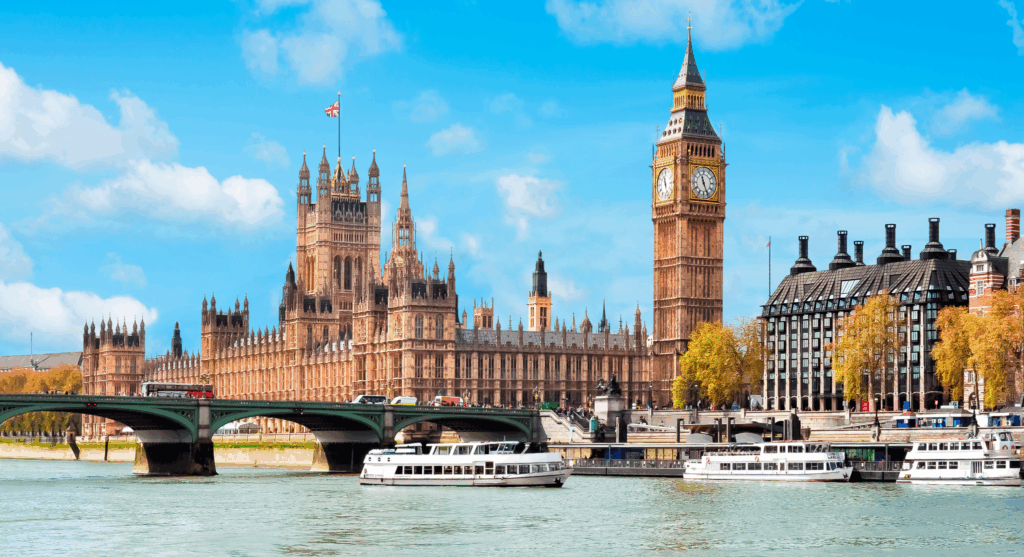
2. London, United Kingdom (LHR / LGW)
London used to feel like the most expensive place to visit in Europe. Now, from the East Coast, it’s also often priced in the high-$300s to $400s, with sub-$500 roundtrips showing up a lot from New York and Boston when you catch the right window.
The reason is that London is one of the most competitive international routes in the world. You’ve got U.S. legacies, U.K. carriers, JetBlue, and plenty of one-stop options all fighting over the same traveler. That keeps economy honest, even if premium cabins and fees are drifting up.
How I’d play it:
Look for anything under $500 from BOS/JFK/EWR, travel midweek, and don’t care too much if you land at Heathrow or Gatwick. I’d rather save a couple hundred dollars on the flight and put that into theatre tickets, nicer restaurants, or a hotel in a neighborhood I actually want to stay in.

3. Tokyo, Japan (HND / NRT)
Japan was very expensive right after reopening post-COVID, with $900+ economy tickets the norm for a while. That’s cooled off. Right now, West Coast–Tokyo deals in the low-$500s are showing up again from places like LAX, and even from other U.S. cities it’s much more realistic to find roundtrips in the $600s–$700s when you’re not locked into peak weeks.
Average prices to Asia are still higher than Europe, but they’ve clearly come down from the 2023 peaks as more capacity comes back and airlines fight harder over transpacific leisure travelers.
How I’d play it:
If I see LAX–Tokyo in the low-$500s or anything under $700 from my home airport, that’s a green light. I’d aim for January to early March outside cherry blossom peak, fly economy, then spend the “saved” money on the amazing food instead of overpaying for the seat.

4. Dubai, UAE (DXB)
Dubai seems and feels like an expensive place to visit, but flight pricing is more approachable than you might think. It’s not unusual now to see U.S.–Dubai economy deals starting in the high-$500s to low-$600s from major gateways when you’re willing to connect and shift dates a bit.
The Gulf region is ultra-competitive: multiple big-name carriers plus partner airlines via Europe and the Middle East are all trying to fill long-haul cabins. The easiest lever they have is economy sales outside of peak holiday periods.
How I’d play it:
From the East Coast, anything under about $600–$650 roundtrip to Dubai is worth a serious look. I’d target October–November or February–March, fly economy on whichever vetted airline is cheapest, and use the leftover budget to make the on-the-ground experience feel like the splurge with desert camps, rooftop bars, and nicer hotels.
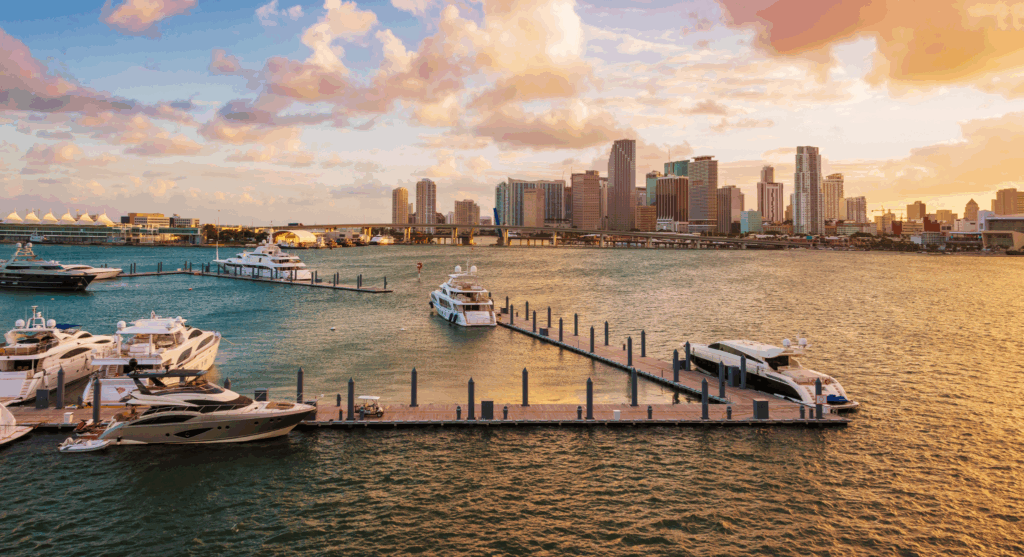
5. Miami, Florida (MIA)
Miami might be the easiest “luxury for less” move on the list because you get beach, nightlife, and big-city energy without leaving the country or dealing with long-haul jet lag. On the flight side, competition has pushed fares down into the double digits one-way from some hubs, and roundtrips under $150 are very doable outside true peak dates.
Domestic fares overall have been wobbling instead of spiking. When airlines add a lot of capacity and demand doesn’t fully match, places like Miami benefit with softer prices, especially in shoulder periods.
How I’d play it:
For Miami, midweek in January (after New Year’s) or fall outside major events is the move. If I can keep the flight under about $150 roundtrip, I’m happy.
Why These Luxury Trips Stay (Relatively) Affordable in 2026
None of this means flights are suddenly cheap across the board. Average airfare still moves up and down with fuel, demand, etc. But two forces are working in travelers’ favor on these routes:
- Competition and capacity on headline routes: Transatlantic and long-haul leisure routes to places like Paris, London, Tokyo, and Dubai have a lot of airlines in the game and more seats to fill. That forces sharper economy pricing and more promo periods, even when premium products get more expensive.
- Airlines making more money on everything except the base fare: As carriers lean into bags, seat selection, co-branded cards, and premium cabins for profit, keeping the base economy fare competitive becomes their way of winning your booking.
The strategy for 2026 is pretty simple: Let everybody else pay for the extras. You quietly grab the cheap economy seat, travel off-peak, and spend the difference on making the trip feel luxe once you land.