
Planning your first trip to Lisbon? Here’s what you need to know:
- Best time to visit: Late spring (April-May) or early fall (September-October) for mild weather and fewer crowds. Summer is hot and busy, while winter is cooler and budget-friendly.
- How long to stay: 3 days for main highlights, 4-5 days for a deeper experience, or a week for a relaxed trip with day trips.
- Where to stay: Choose between historic Alfama, lively Bairro Alto, elegant Chiado, or flat Baixa for convenience.
- Must-see spots: Jerónimos Monastery, Belém Tower, São Jorge Castle, Tram 28, and viewpoints like Miradouro da Senhora do Monte.
- Day trips: Sintra (fairytale palaces), Cascais (beaches), or Óbidos (medieval charm).
- Food to try: Pastel de nata (custard tart), bacalhau (salted cod), caldo verde (kale soup), and local wines.
Getting around is easy with public transport passes, affordable rideshares, and walkable neighborhoods. Lisbon is also budget-friendly with meals starting at $11, public transport day passes for $7.70, and free museum entries on Sundays.
Pack comfy shoes for the hilly streets, download Google Translate for Portuguese phrases, and enjoy Lisbon’s mix of history, food, and scenic views.
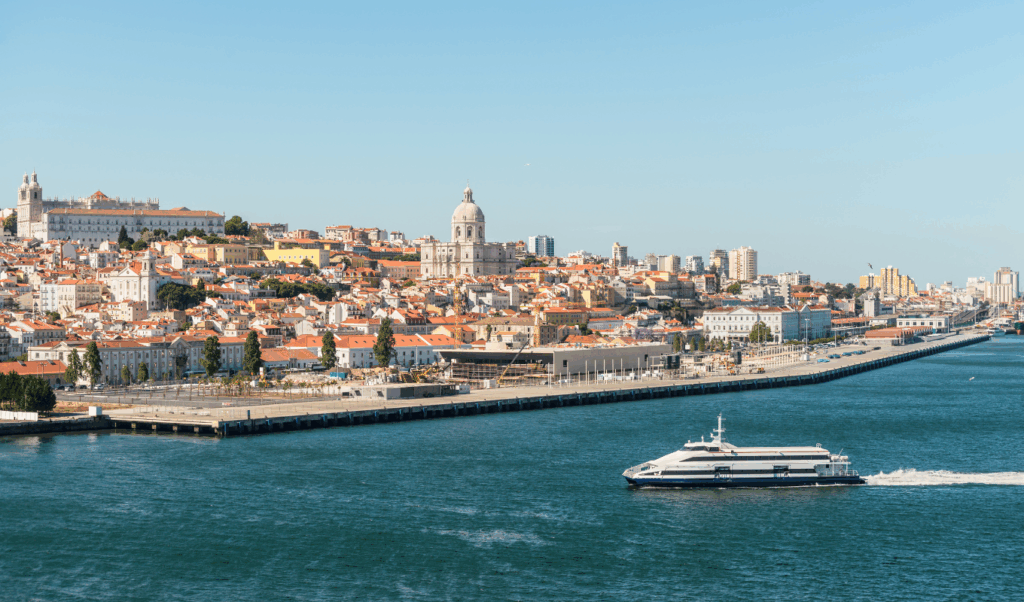
Planning Your Trip to Lisbon
When to Visit Lisbon
The ideal times to visit Lisbon are late spring (April to May) and early fall (September to October). These shoulder seasons offer mild temperatures, typically ranging from the high 60s to mid-70s°F, making it perfect for exploring the city. While Lisbon enjoys pleasant weather throughout the year, spring stands out as particularly enjoyable.
Summer (June to August) sees the city at its busiest, with larger crowds, higher hotel rates, and temperatures often climbing above 80°F. August, in particular, can be tricky – many locals head to the coast, and some traditional shops and restaurants may close for part of the month. Winter (November to March), on the other hand, is quieter and more budget-friendly. Expect cooler temperatures, dipping into the mid-40s°F at night, and occasional rain, especially in November, which is typically the wettest month. Daytime highs in winter generally stay in the mid-50s°F.
For spring and fall visits, pack layers, as daily temperatures can swing between 50°F and 75°F. Comfortable, slip-resistant walking shoes are a must – Lisbon’s steep streets and limestone cobblestones can be slippery, especially when it rains. Once you’ve chosen the best time to visit, the next step is deciding how long to stay.
How Long to Stay
For first-time visitors, three days is often enough to cover the essentials. This includes exploring iconic neighborhoods like Alfama, Baixa, and Belém, and even taking a day trip to Sintra. If you have four to five days, you can dive deeper into Lisbon’s cultural offerings, such as the National Tile Museum, or venture to nearby coastal towns like Cascais for a more leisurely pace. A week-long stay allows for a richer experience – giving you time to explore multiple neighborhoods, enjoy some beach time, and take several day trips without feeling rushed. Once you settle on the length of your trip, you can start planning your flights.
Flying to Lisbon
The easiest way to reach Lisbon is by flying into Lisbon Humberto Delgado Airport (LIS), the city’s main international airport. TAP Air Portugal, along with several U.S. airlines, offers direct flights from major cities. Flight prices fluctuate depending on the season, with summer typically being more expensive and winter often offering lower fares.
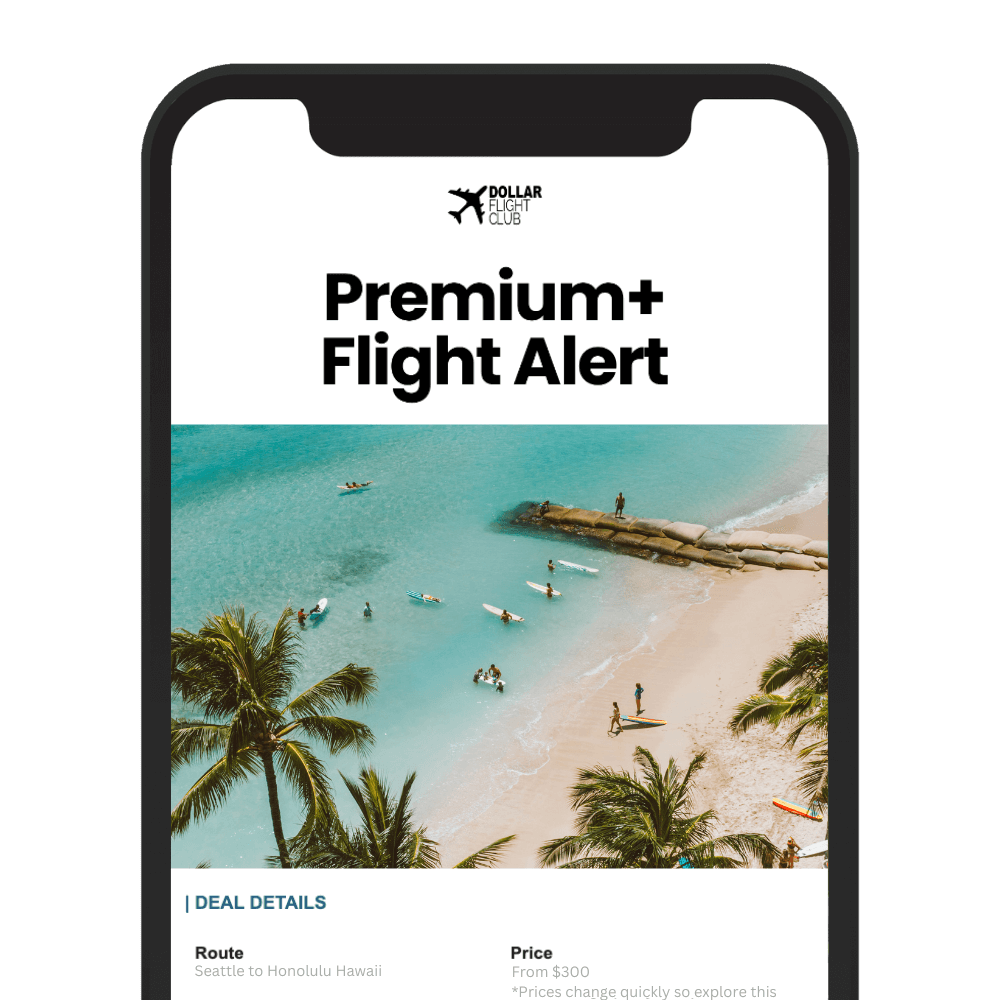
For budget-conscious travelers, services like Dollar Flight Club can be helpful. They send email and SMS alerts for discounted flights, with deals that can save you up to 90% off regular prices – ensuring you’re among the first to know when fares drop from your departure city.
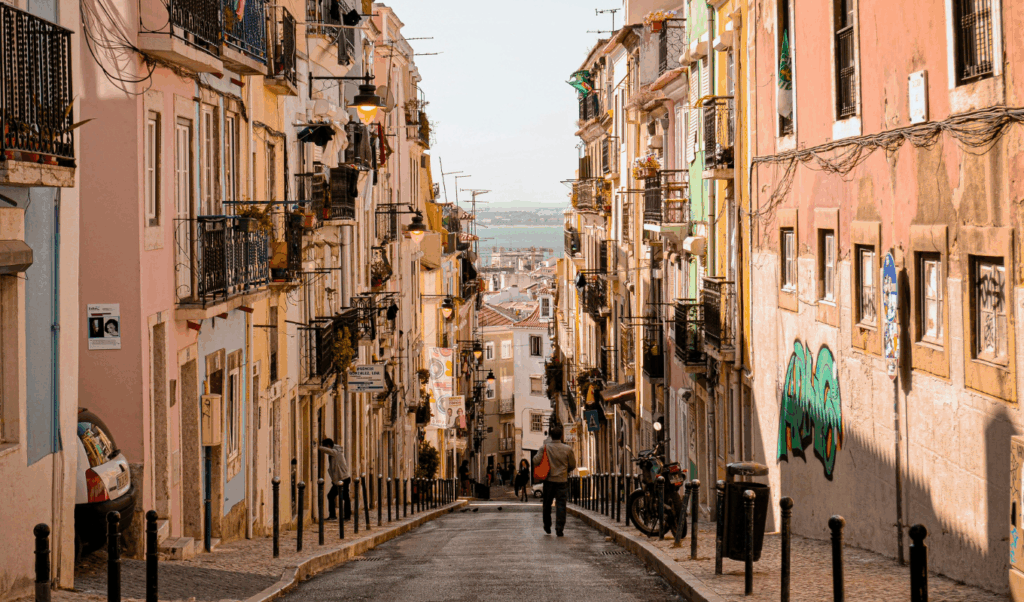
Where to Stay in Lisbon
Best Neighborhoods for First-Time Visitors
Chiado is a favorite for first-time visitors. This elegant area blends historic charm with modern amenities, offering upscale boutiques, iconic cafes, and easy access to major attractions. Plus, it’s just a stone’s throw from the vibrant restaurants and bars in Bairro Alto.
If you’re looking for flat terrain and convenience, Baixa is a great choice. Rebuilt with a grid layout after the 1755 earthquake, this downtown district is easy to navigate and sits close to Rossio Station. The downside? It can get crowded and feel touristy, especially during peak seasons.
For a romantic vibe, Alfama is hard to beat. Its narrow, winding streets, traditional Fado music houses, and scenic viewpoints make it a charming option. Keep in mind, though, that the steep hills and pedestrian-only lanes can be tricky if you’re carrying heavy luggage or have mobility issues.
Bairro Alto, perched just above Chiado, offers a split personality: quiet and residential during the day, but buzzing with nightlife after dark. If you’re a light sleeper, request a room on a side street or ensure your accommodation has soundproofing.
For those seeking luxury, Avenida da Liberdade is Lisbon’s version of the Champs-Élysées, with its grand, tree-lined boulevard, designer shops, and five-star hotels. Meanwhile, Príncipe Real provides a trendier, more residential feel, featuring boutique stores, lush gardens, and a welcoming LGBTQ-friendly atmosphere.
Once you’ve picked your neighborhood, you’ll find a wide variety of lodging options to suit your needs.
Accommodation Options
Lisbon has something for every budget. Budget travelers can find top-rated hostel dorms for $25–$40 per night, many of which have earned international acclaim. Budget hotels and simple guesthouses typically range from $60–$95 per night.
For those in the mid-range ($100–$250 per night), there are boutique guesthouses in restored historic buildings and comfortable three- to four-star hotels. Popular options like Feeling Chiado 15 and Hotel da Baixa combine personalized service with central locations.
If you’re after a more indulgent stay, luxury accommodations start at around $300 per night and can go up to $600 or more for premium five-star properties. Top picks include the Tivoli Avenida Liberdade and The One Palácio da Anunciada, which offer exceptional service. For the ultimate splurge, some suites can reach $1,200 per night.
For extended stays, aparthotels like 54 São Paulo and Dare Lisbon are excellent choices. They provide kitchenettes and extra living space while still offering hotel-style services.

What to See and Do in Lisbon
Top Attractions and Landmarks
Belém is where Portugal’s maritime history comes to life, thanks to its iconic monuments. The Jerónimos Monastery, a UNESCO World Heritage site built between 1501 and 1601, is a must-see. Entry to the cloisters costs about $22, and booking tickets online can save you from standing in long lines. Nearby, the Belém Tower charges around $15 for entry, but many visitors agree that the best way to enjoy it is from the outside, skipping the interior tour altogether.
For breathtaking views, head to São Jorge Castle, perched atop one of Lisbon’s seven hills. This medieval fortress, which costs roughly $29 to enter, offers a glimpse into Lisbon’s Moorish past alongside stunning vistas of the city. Down in Alfama, the historic Lisbon Cathedral (Sé) – dating back to 1147 – is the city’s oldest church. Entry is free, though there’s a small fee to visit the cloisters.
If you’re looking for a unique way to explore, hop on the famous Tram 28. This iconic tram winds through Lisbon’s historic neighborhoods, but it’s often packed. To secure a seat, try boarding at Martim Moniz or Campo de Ourique either early in the morning (before 9:00 AM) or later in the evening (after 7:00 PM). For families or ocean lovers, the Oceanário de Lisboa is a top choice. As Europe’s second-largest aquarium, it’s home to over 15,000 animals and boasts an impressive 4.5/5 rating from nearly 41,000 reviews.
Beyond these famous spots, Lisbon’s neighborhoods and viewpoints offer plenty of charm and surprises.
Neighborhoods and Viewpoints
Lisbon’s personality shines through its diverse neighborhoods. In Alfama, the narrow cobblestone streets come alive at night with the haunting melodies of traditional Fado music. Over in Chiado, you’ll find Livraria Bertrand, the world’s oldest bookstore, which has been welcoming readers since 1732. For something more modern, LX Factory in Alcântara is a creative hotspot, where a 19th-century industrial complex now houses street art, trendy shops, and the beloved Ler Devagar bookstore.
The city’s famous miradouros (viewpoints) are perfect for soaking in the scenery. Miradouro da Senhora do Monte and Miradouro de Santa Luzia offer stunning views of Lisbon’s hills and the Tagus River without the price tag of the Santa Justa Lift, which costs about $6.
If you’re up for venturing beyond Lisbon, there are some incredible day trips in store.
Day Trips from Lisbon
A short 40-minute train ride from Lisbon takes you to Sintra, a magical destination that feels like stepping into a fairytale. Highlights include the colorful Pena Palace and the mysterious Quinta da Regaleira, surrounded by lush gardens. Entry fees for these sites range from $15 to $35.
For a seaside escape, head to Cascais, just 30–40 minutes away by train. This charming coastal town offers sandy beaches and the dramatic Boca do Inferno cliff formation. Round-trip train tickets cost about $5.
If medieval charm is more your style, visit Óbidos, a beautifully preserved walled town an hour away by bus. Here, you can walk along the ancient ramparts and sip on Ginja, a traditional cherry liqueur. The bus ride typically costs around $10 each way. Another option is Évora, a historic city 1.5 hours away by train. Highlights include the Roman Temple and the eerie Chapel of Bones, with entry fees around $15.

Food and Drink in Lisbon
Local Dishes to Try
Lisbon offers a dining scene that’s both delicious and budget-friendly, making it a standout among European capitals. One of the staples here is bacalhau (salted cod), which is said to have over 365 different recipes – one for each day of the year. During summer, grilled sardines take center stage, especially during the Feast of St. Anthony.
No visit to Lisbon is complete without trying the pastel de nata, a creamy custard tart nestled in flaky pastry. This iconic treat dates back to 1837, originating at Jerónimos Monastery. Today, you can taste the original recipe at the renowned Fábrica de Pastéis de Belém in the Belém district. These tarts are not only delicious but also affordable, typically priced between $1.10 and $2.20. For a quick and satisfying snack, grab a bifana (a marinated pork sandwich) or a prego (a garlic-seasoned steak sandwich).
If you’re after something warm and comforting, try caldo verde, a hearty soup made with kale, potatoes, and chorizo. Feeling adventurous? Sample peixinhos da horta, deep-fried green beans that are said to have inspired Japanese tempura.
The best way to enjoy these dishes? Visit the city’s tascas – small, family-run eateries – or explore the bustling local markets.
Where to Eat
For an authentic taste of Lisbon, head to tascas, where you can enjoy traditional Portuguese meals for about $11 to $22, often including wine and dessert. These cozy spots are typically open for weekday lunch, so plan to arrive by 12:45 PM to secure a table. Keep in mind that many of these places prefer cash over credit cards.
At the start of your meal, waiters might bring a small spread called the couvert, which usually includes bread, olives, and cheese. While tempting, it’s not complimentary; expect to pay between $0.55 and $3.30 if you decide to indulge.
For a more diverse culinary experience, check out Time Out Market Lisboa in Cais do Sodré. This vibrant food hall features 26 curated stalls, including dishes by Michelin-starred chefs. Meals here generally range from $15 to $35, offering something for every palate.
When dining in Lisbon, tipping isn’t required but is appreciated. Leaving a small amount of change or up to 10% for excellent service is a kind gesture. Lunch typically peaks around 1:00 PM, while dinner starts later, usually after 8:00 PM.
After your meal, dive into Lisbon’s energetic nightlife for the complete experience.
Nightlife and Local Drinks
Lisbon’s nightlife comes alive in the Bairro Alto neighborhood, where narrow streets buzz with bars and live music venues. For a more modern and upscale vibe, head to Cais do Sodré and its famous Pink Street, a hotspot for trendy bars and clubs. If you’re in the mood for traditional Fado music, visit a spot like Mesa de Frades after 11:45 PM. Here, you can enjoy a full dinner with live Fado for about $71 per person.
When it comes to drinks, start with ginjinha, a sweet cherry liqueur served in standing-room-only historic bars in neighborhoods like Rossio or Alfama. If you’re a wine lover, try vinho verde, a young, slightly fizzy wine that’s best served cold and pairs wonderfully with seafood. For something refreshing, order a porto tónico, a mix of white port and tonic water. Prefer beer? Ask for an imperial, a small draught beer commonly served in traditional bars.
Whether you’re enjoying a quiet drink or dancing the night away, Lisbon’s nightlife offers a vibrant mix of tradition and modern flair.
Transportation and Budget
Getting Around Lisbon
Lisbon’s public transportation system makes it easy and affordable to explore the city. The Metro, with its four color-coded lines and 55 stations, is perfect for covering long distances quickly. Plus, it connects directly to the airport via the Red Line in just 20 minutes. A single ride costs $2.05 (€1.85).
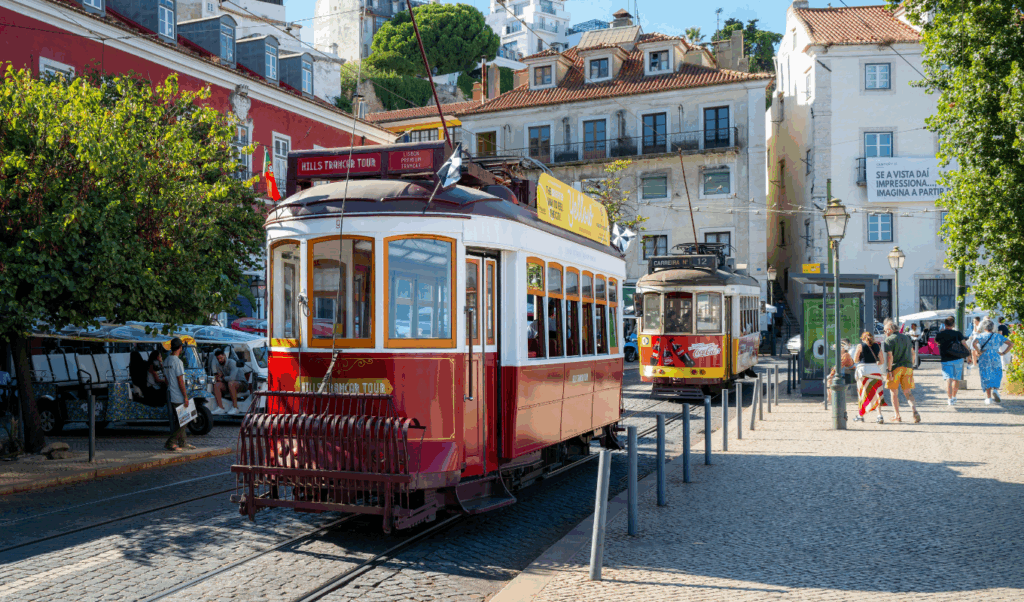
If you want a more scenic experience, hop on one of Lisbon’s iconic yellow trams. There are two types: the historic “Remodelado” trams, like the famous E28 route through Alfama, and the modern “Articulado” trams, such as the E15 to Belém. To save money, buy your tickets ahead of time, as purchasing onboard costs $3.40. For a better chance of snagging a seat on the crowded E28, start your journey at Martim Moniz or Campo Ourique before 10:00 AM.
For navigating Lisbon’s steep hills, funiculars and lifts are a must. A 24-hour public transport pass costs $7.70 (€7.00) and includes unlimited rides on buses, trams, the Metro, and even the Santa Justa Lift, which normally costs $5.85 (€5.30)[51,52].
Rideshare services like Uber and Bolt are another convenient option, with most trips costing under $7.70 (€7.00). Bolt is usually about 15% cheaper than Uber. For example, a ride from the airport to downtown will run you approximately $7.70 (€7.00) with rideshare, compared to $13.75–$22.00 (€12.50–€20.00) for a traditional taxi.
Though Lisbon is a walkable city, its seven hills and cobblestone streets call for comfortable, sturdy shoes. Save your energy for exploring charming neighborhoods like Baixa and Chiado, and rely on public transit for longer trips[29,21].
For the best value, pick up a Navegante card for $0.55 (€0.50) at any Metro station and load it with “Zapping” pay-as-you-go credit. This option gives you the lowest fares across buses, trams, ferries, and regional trains[51,52,29].
Daily Budget Breakdown
Whether you’re traveling on a shoestring or splurging on luxury, Lisbon offers options for every budget. Here’s a rough guide to help you plan your daily expenses:
- Budget travelers: $55–$70 (€50–€65) per day, excluding accommodation. Hostel dorms typically cost $22–$44 (€20–€40) per night.
- Mid-range travelers: About $145 (€130) per day, not including lodging. Hotel rooms range from $77–$165 (€70–€150) per night.
- High-end travelers: At least $265 (€240) per day. Boutique accommodations start around $220 (€200) per night.
Here’s a snapshot of typical daily costs:
| Expense Category | Budget | Mid-Range | High-End |
|---|---|---|---|
| Accommodation | $22–$44 (Hostel) | $77–$165 (Hotel) | $220+ (Luxury) |
| Meals | $11–$22 (Self-catering & local spots) | $33–$55 (Restaurants) | $77+ (Fine dining) |
| Attractions | $0–$11 (Free sights + 1 paid) | $22–$44 (2–3 attractions) | $55+ (Multiple sites) |
| Transportation | $7.70 (24-hour pass) | $11–$16.50 (Pass + occasional rideshare) | $22+ (Frequent rideshares) |
Some major attractions have increased their prices recently. For example, Castelo de São Jorge now costs $27.50 (€25), Jerónimos Monastery is $19.80 (€18), and the Lisbon Oceanarium charges $27.50 (€25). For a budget-friendly lunch, look for “Prato do Dia” options at local cafes. These set menus, which include soup, a main dish, dessert, and coffee, cost around $8.80–$11.00 (€8–€10).
How to Save Money
Lisbon offers plenty of ways to stretch your travel budget. Start by loading “Zapping” credit onto your Navegante card, which reduces the per-ride cost to about $1.50 (€1.35).
Make lunch your main meal of the day and opt for the “Prato do Dia”, which typically costs $8.80–$11.00 (€8–€10). Avoid dining in tourist-heavy areas like Rossio and Baixa, and instead, seek out local neighborhood eateries. Be aware that bread, olives, and cheese placed on your table may come with a charge of $0.60–$3.65 (€0.55–€3.30), so feel free to decline them if you’re not interested.
For affordable day trips, regional trains to Sintra cost just $2.55 (€2.30) each way. If you plan on visiting multiple museums or attractions, consider purchasing the Lisboa Card. Priced at around $23.10–$29.70 (€21–€27) for 24 hours, it includes unlimited public transport and free entry to 38 attractions, making it an excellent deal for sightseeing.
Lastly, keep an eye out for discounted flights through services like Dollar Flight Club, which can free up more of your budget for enjoying Lisbon.

Travel Basics for Lisbon
Planning a trip to Lisbon? Here’s everything you need to know to make your visit smooth and enjoyable.
Language, Etiquette, and Safety
Portuguese is the official language, but you’ll find that English is widely spoken in tourist hotspots like hotels, restaurants, and with tour operators. Younger locals are particularly fluent, as English is part of their school curriculum and most TV shows and movies are subtitled instead of dubbed. However, language barriers might arise in less touristy areas or with older generations, such as taxi drivers.
Learning a few Portuguese phrases can make a big difference. Greet with “Olá”, say “Por favor” for please, and use “Obrigado” or “Obrigada” for thank you, depending on your gender. Download the Google Translate app and save the Portuguese language pack for offline use – it’s a handy tool for navigating the city. Be mindful not to use Spanish as a substitute; while the two languages may look similar, speaking Spanish can sometimes offend locals.
Lisbon is a very safe city, even for solo female travelers, with low instances of violent crime. The main thing to watch out for is pickpocketing, especially in busy areas like Tram 28, public transportation, and markets. Keep your bag in front of you and avoid leaving valuables in rental cars. If approached with offers of drugs, simply decline – while personal use is decriminalized, selling remains illegal. For emergencies, dial 112.
When visiting religious sites such as the Sé de Lisboa Cathedral, dress modestly and respect those in prayer. Now, let’s move on to some practical tips to keep you connected and powered up during your stay.
Power, Internet, and Time Zone
Lisbon uses Type C and F power outlets, operating at 230V and 50Hz. If you’re coming from the U.S., you’ll need a power adapter since American plugs won’t fit. Most modern devices like laptops and phone chargers are compatible with both 110V and 230V, but double-check your electronics before plugging them in.
Getting online in Lisbon is easy. There’s free Wi-Fi in many public spaces, parks, and cafes. For uninterrupted internet, you might want to grab a local SIM card or activate an international data plan. Lisbon operates on Western European Time (WET), which is the same as the UK and five hours ahead of U.S. Eastern Time.
Currency and Business Hours
The Euro (€) is the currency in Lisbon. Credit cards are widely accepted at hotels, larger restaurants, and international stores. That said, carrying cash is still a good idea, especially for smaller businesses like tascas (traditional eateries), local shops, or tipping on free walking tours. Keep small denominations handy for things like public restrooms and minor purchases.
| Service | Typical Business Hours |
|---|---|
| Banks | Mon–Fri: 8:30 AM – 3:00 PM |
| Shops | Mon–Fri: 9:00 AM – 1:00 PM & 3:00 PM – 7:00 PM; Sat: 9:00 AM – 7:00 PM |
| Shopping Centers | Daily: 10:00 AM – 12:00 AM |
| Restaurants | Lunch: 12:00 PM – 3:00 PM; Dinner: 7:00 PM – 10:00 PM |
If you’re looking to save money, many museums offer free admission on Sundays until 2:00 PM. Need to use a public restroom? It’s polite to ask at a cafe or restaurant, but be prepared to buy a small item like a coffee or water in return.

Conclusion
Lisbon is a city full of charm and surprises, perfect for first-time visitors. From the iconic UNESCO sites like Jerónimos Monastery and Belém Tower to the historic neighborhoods with their cobblestone streets, every corner offers something special. Don’t forget to indulge in the famous pastéis de nata and consider a magical day trip to Sintra. Plus, compared to many other Western European capitals, Lisbon is easier on the wallet.
Before you go, a few tips can make your trip smoother. Comfortable walking shoes are a must for exploring those hilly streets. Grab a Viva Viagem card for convenient public transit, and book tickets to popular attractions online to save time. Tap water is safe to drink, and if you’re visiting museums, check out the free admission options on Sundays.
Traveling to Lisbon doesn’t have to cost a fortune. Keep an eye on flight deals through services like Dollar Flight Club to save on airfare. That way, you can spend more on experiences like wandering Alfama’s narrow alleys, sipping wine in Bairro Alto, or hopping on a scenic train ride to Sintra.
Start planning your Lisbon adventure now – 300 days of sunshine are waiting for you!
FAQs
What are the best neighborhoods to stay in Lisbon for first-time travelers?
For first-time visitors, staying in Lisbon’s central neighborhoods is a smart move. These areas make it easy to reach major attractions, enjoy fantastic dining options, and access public transportation. Baixa and Chiado are standout choices thanks to their central location, lively atmosphere, and closeness to landmarks like Praça do Comércio and the Santa Justa Lift. These neighborhoods are bustling yet safe, with excellent tram and metro connections.
If you’re drawn to a more historic and picturesque setting, Alfama is a wonderful pick. Its winding cobblestone streets, traditional Fado music venues, and breathtaking views of the Tagus River create an unforgettable experience. For those who thrive on nightlife and culture, Bairro Alto is the place to be, offering trendy bars and an energetic vibe. Nearby Chiado complements this with its mix of high-end shopping and cultural attractions.
For visitors with specific interests, Belém and Príncipe Real are excellent alternatives. Belém appeals to history enthusiasts, with its iconic monuments and museums, while Príncipe Real offers a quieter, sophisticated atmosphere, complete with boutique shops, beautiful gardens, and cozy cafés. Wherever you choose to stay, these neighborhoods provide the perfect starting point to soak in Lisbon’s charm and character.
What are the best ways to save money while exploring Lisbon?
Lisbon is an excellent destination for travelers looking to experience a vibrant city without spending a fortune. With a little planning and some smart choices, you can enjoy everything this charming city has to offer without stretching your wallet.
Explore on foot: Lisbon’s cobblestone streets and picturesque neighborhoods are perfect for walking. Plus, it’s free! Just keep in mind that Lisbon is known for its steep hills, so comfortable shoes are a must.
Skip unnecessary extras at restaurants: Many restaurants add charges for items like bread or olives placed on your table. To avoid surprise fees, stick to casual cafés or grab a bite from street food vendors, which are both affordable and hassle-free.
Visit during the off-season: Winter months like December bring fewer tourists, lower prices on accommodations, and mild weather. This makes it a great time to explore the city without the usual crowds or high costs.
Savor local eats: Lisbon’s food scene is both delicious and budget-friendly. Treat yourself to pastel de nata (custard tarts) or bifanas (pork sandwiches), which you can find at local bakeries and markets for just a few euros.
Opt for affordable lodging: Hostels and guesthouses are fantastic options for budget travelers. Dorm beds can range from $20–$30 per night, especially if you’re visiting during the quieter months.
With these tips, you can soak up Lisbon’s charm and culture while keeping your expenses in check.
What are the must-try foods in Lisbon, and where can I enjoy them?
Lisbon is a haven for anyone who loves good food, offering dishes that beautifully showcase the city’s rich culinary traditions. Kick things off with scarlet prawns at the legendary Cervejaria Ramiro, where fresh seafood is served in hearty portions that leave a lasting impression. Looking for something warm and comforting? Try arroz de marisco (seafood rice) at Alfama Cellar. This slow-cooked dish is a local gem, packed with flavor and perfect for a leisurely meal. And if you’re craving something aromatic, the amêijoas à Bulhão Pato (clams with garlic, cilantro, and olive oil) at Pinóquio is a must. This spot is celebrated for its fresh, fragrant take on this classic dish.
With its vibrant food scene, Lisbon promises to excite your palate. Plus, with a bit of planning, you can savor these incredible flavors without overspending. Enjoy every bite!