
The best time to book flights depends on your destination, travel season, and flexibility. Here’s a quick breakdown:
- Domestic Flights: Book 1–3 months before departure for regular travel. For peak seasons (summer, holidays), secure tickets 2–5 months ahead.
- International Flights: Aim for 2–8 months in advance. For Europe, book 5–8 months ahead, while Asia and South America are best booked 3–5 months early.
- Peak Travel Periods: Plan further ahead – 3–5 months for domestic and 4–10 months for international trips. Holiday flights are cheapest 35–51 days before departure.
- Flexibility Saves Money: Traveling midweek (e.g., Wednesday) or using alternative airports can reduce costs by $50–$100+.
Key Tip: Prices spike 2–3 weeks before departure. Use tools like Dollar Flight Club for alerts on deals, especially for last-minute travel.
Timing your booking wisely can save hundreds of dollars. Plan early, stay flexible, and monitor prices for the best deals.

What Affects When You Should Book Flights
Timing your flight booking can feel like a puzzle, but understanding a few key factors can help you snag the best deals. By knowing what influences prices, you can hit that perfect moment when fares are low and seats are still available.
Domestic vs. International Flights
Domestic flights often have shorter booking windows because competition on popular routes keeps prices relatively stable until closer to departure. On the other hand, international flights can be a different story. For example, a nonstop flight from Dallas-Fort Worth to Auckland might only be operated by one airline. With limited competition, that airline has more control over pricing, often raising fares earlier and more aggressively. Seasonal demand also plays a big role in how these flights are priced.
Travel Season and Demand
Airlines adjust ticket prices based on demand. High-demand periods like summer vacations or winter holidays mean you’ll need to book earlier to avoid paying more. On the flip side, during less busy times – like late January or early September – airlines often lower prices closer to departure. A good rule of thumb? Book in the “off-season.” For example, lock in your summer travel plans during the Christmas season, and secure your holiday flights around the Fourth of July.
Holidays and Major Events
Flights around holidays like Thanksgiving and Christmas tend to sell out quickly, so booking well in advance is crucial. These periods come with fixed travel dates – think the Wednesday before Thanksgiving – which gives airlines the upper hand in pricing. The sweet spot for booking holiday flights is typically 35–51 days before departure. Additionally, major events, like festivals or sports championships, can drive prices to double or even triple their usual rates. If you’re flexible, flying on the actual holiday, like Thanksgiving Day or Christmas Day, can save you $100 or more per ticket.
Flexibility with Dates and Airports
Being flexible with your travel dates or airports can lead to big savings. For instance, flying on a Wednesday instead of a Friday could save you about $56 on domestic flights, with midweek savings climbing past $60 during peak travel times. Similarly, opting for a nearby alternative airport – like Oakland instead of San Francisco – can uncover cheaper fares, often thanks to budget carriers or increased competition.
How Airlines Price Tickets
Airlines use advanced algorithms to adjust ticket prices based on demand, competition, and how many seats are still available. Once a certain number of seats sells at a lower price, fares jump to the next pricing tier. Prices also tend to spike 14–21 days before departure due to the “last-minute penalty”. In short, waiting until the last minute often means paying a lot more for your ticket.

When to Book Domestic Flights
2 Weeks to 2 Months Before Departure
If you’re planning a domestic trip, the sweet spot for booking is two weeks to two months before departure. Booking too early – like 280 days ahead – can mean paying premium prices. On the flip side, waiting until the last week could hike fares by as much as 59%. Keep in mind, this window may shift slightly during busy travel periods.
Booking During Busy Travel Periods
For high-demand times like summer vacations, long weekends, and school breaks, it’s smart to plan further ahead. Book 2–3 months in advance, or even 3–5 months early for peak summer travel and major holidays. For summer trips specifically, the “Rule of 90” suggests booking within 90 days of departure. Flexibility with travel dates can also save you money – midweek flights (Tuesday, Wednesday, or Saturday) are typically 10–20% cheaper than flights on Sunday, Monday, or Friday. If possible, aim for Wednesday departures to snag fares that are 10–20% lower. To stay ahead of these deals, consider setting up fare alerts.
Getting Domestic Deals with Dollar Flight Club
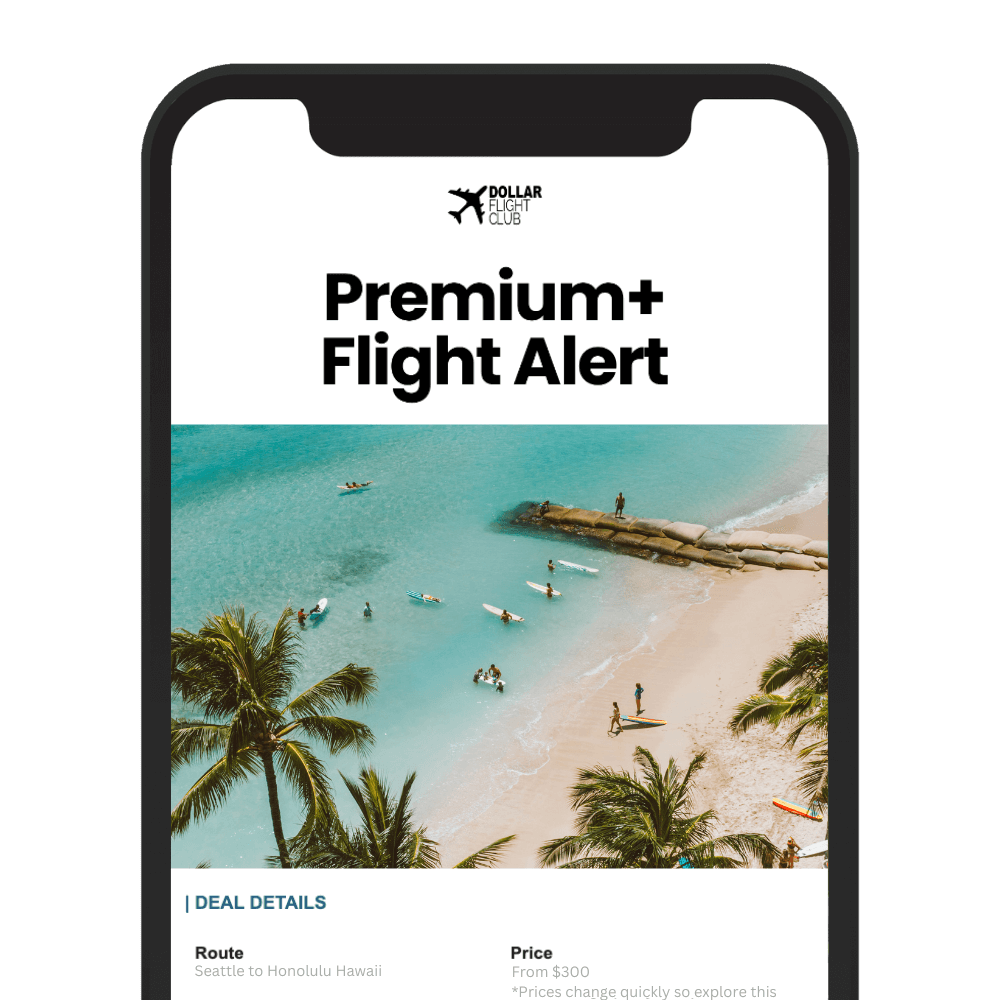
Services like Dollar Flight Club can help you spot great deals on domestic flights. They send alerts via email or SMS whenever fares drop significantly, including mistake fares or limited-time promotions that might disappear within hours. For Premium members, daily email alerts highlight domestic routes. Premium+ members get the added perk of SMS notifications for those urgent, time-sensitive deals. By combining these tools with the recommended booking windows, you’ll be in a strong position to consistently lock in the best fares for your domestic travels.
When to Book International Flights
2–8 Months Before Departure
Planning ahead is key when booking international flights. The sweet spot for snagging the best deals is typically 2–8 months before your departure, with the 3–5 month range being the most reliable. Unlike domestic flights, international fares rarely drop as the departure date approaches; instead, prices almost always increase the closer you get to your travel date. To maximize savings, it’s worth diving into region-specific booking strategies.
Booking Windows by Region
Different parts of the world come with their own ideal booking timelines. For Europe, aim to book 5–8 months in advance, with the best deals often popping up 94 days or more before your trip. The cheapest months to fly include October, November, and the winter stretch from January through March.
When traveling to Asia, the sweet spot is 3–5 months ahead, though a broader range of 1–7 months can still yield good deals. January and November tend to be the most budget-friendly months for flights to this region.
Heading to South America? You’ll want to book anywhere from 5 weeks to 11 months in advance, especially for holiday travel. The most affordable months are September, October, and February. Flying during shoulder seasons – spring and fall – can save you an extra $50–$60 on average.
For trips to the Middle East and Africa, booking 3–6 months ahead is your best bet. October, November, and February stand out as the months with the lowest fares.
Finding International Deals with Dollar Flight Club
If you’re hunting for international flight deals, Dollar Flight Club can be a game changer. This service sends out exclusive alerts for major discounts on international routes. Premium+ members get real-time SMS notifications for urgent deals, while Premium members receive daily email updates. These alerts cover everything from mistake fares to limited-time promotions and even premium cabin discounts for long-haul flights. Members can set up to 10 dream destinations (Premium tier), and the system notifies them when prices drop for those routes. Thanksgiving is an especially good time to find international deals, as most travelers are focused on domestic flights during that period.

Booking for Peak Seasons, Holidays, and Events
Domestic Flights During Peak Times
When it comes to booking domestic flights during high-demand periods like Thanksgiving, Christmas, or summer vacation, timing is everything. Experts recommend securing your tickets 3–5 months in advance. For instance, planning your summer getaway during the Christmas season or locking in your Christmas travel plans around the 4th of July often leads to better deals. Specifically, flights for Christmas and New Year’s tend to hit their lowest prices about 51 days before the holiday.
If you’re looking to save even more, consider flying on the actual holiday. This strategy can shave $75 to $90 off your ticket compared to traveling immediately before or after. While domestic travel has its own quirks, international flights during peak times require even more foresight.
International Flights During Peak Times
For international trips during busy seasons, planning ahead is even more crucial. Booking 4–10 months in advance is strongly advised, especially if you’re traveling on less frequent routes or attending major events. Whether it’s a summer escape to Europe, a Lunar New Year trip to Asia, or a visit to festivals like Oktoberfest or Rio Carnival, waiting too long can result in fares doubling – or even tripling. A good tip? Book your summer European vacation while others are focused on securing their holiday return flights.
Booking Timeline Comparison Table
| Trip Type | Peak Season Window | Standard Window | Why the Longer Timeline Matters |
|---|---|---|---|
| Domestic | 3–5 months ahead | 1–3 months ahead | High demand for Thanksgiving and Christmas |
| International | 4–10 months ahead | 2–8 months ahead | Limited routes and high summer demand |
| Europe | 4–10 months ahead | 2–8 months ahead | Summer peaks and major festivals |
| Asia | 4–10 months ahead | 2–8 months ahead | Lunar New Year and Cherry Blossom season |
| Africa | 4–10 months ahead | 2–8 months ahead | Popular safari season (June–October) |

Tips for Last-Minute and Flexible Travelers
For those who can’t plan trips far in advance, there are strategies that can help you snag good fares, even when booking at the eleventh hour.
Why Last-Minute Bookings Cost More
Booking last-minute often means paying a premium. Airlines typically hike prices for tickets purchased within a week of departure. For example, a domestic flight that costs $300 a few months out can jump to $600–$700 if booked just days before takeoff. The data backs this up: flights booked 1 to 3 months ahead are, on average, 25% cheaper than those purchased last-minute. With the rise of AI-driven pricing in 2026, fares now fluctuate multiple times a day based on demand, making late bookings even pricier.
Using Flexibility to Find Better Prices
When you’re booking close to your travel date, being flexible can make a huge difference. Adjusting your travel dates by just 1–3 days can save you hundreds of dollars, especially on international flights. Hayley Berg, Lead Economist at Hopper, points out that flying midweek – typically on a Wednesday – can save travelers about $56 per ticket on domestic routes throughout the year. Other smart moves include flying from nearby airports, opting for layovers (which can save over $90 per ticket), or considering alternative destinations. Tools like Google Flights make it easy to compare options and find the best deals. These small adjustments can add up to big savings when time isn’t on your side.
Last-Minute Alerts from Dollar Flight Club
Manually checking prices all day? Not realistic. That’s where Dollar Flight Club’s alert system comes in handy. With AI-driven pricing shrinking deal windows in 2026, catching a last-minute fare drop requires instant notifications. Dollar Flight Club continuously monitors ticket prices and sends alerts the moment deals pop up, including rare mistake fares or flash sales that might only last a few hours.
Premium members ($69/year) get daily updates on domestic and international deals, while Premium+ members ($99/year) receive SMS alerts for time-sensitive opportunities. These alerts ensure you can act fast, even if you’re not glued to your inbox. Instead of endlessly refreshing flight search engines, you’ll have the best last-minute deals delivered right to you – saving both time and money.

Conclusion
Timing your flight bookings wisely can lead to substantial savings. For domestic trips, aim to book 1–3 months in advance, while international flights are best secured 2–8 months ahead. If you’re traveling during peak seasons or holidays, plan even further ahead – at least 90 days for domestic and 4–10 months for international flights – to dodge those inevitable price surges.
Why does this work? Airlines use dynamic pricing, and fares often skyrocket within three weeks of departure. Wait too long, and you’re stuck with last-minute spikes. But booking too early isn’t always ideal either – it can mean missing out on discounts that pop up closer to your travel date.
Tracking flight prices manually, though, can be a real hassle. That’s where Dollar Flight Club steps in. With instant alerts on fare drops – whether months in advance or just days before – you’ll never miss a deal. Members enjoy exclusive access to both domestic and international discounts, while Premium+ members even get SMS alerts for those time-sensitive bargains. It’s a simple way to save money and focus on planning an unforgettable trip.
FAQs
How can being flexible with travel dates and airports help you save money on flights?
Flexibility with your travel dates can be a game-changer when it comes to saving on airfare. Flights tend to cost more on weekends and other high-demand days. However, flying on less popular days like Tuesdays or Wednesdays – or during off-peak times such as early mornings or late nights – can shave 10–20% off your ticket price. Similarly, planning your trip just before or after major holiday rushes can help you snag better deals.
Being open to alternate airports is another smart way to cut costs. Secondary airports nearby often have lower fares, thanks to reduced fees and competition from budget airlines. For instance, choosing Chicago Midway instead of O’Hare or Dallas Love Field instead of DFW could save you as much as 15%. A short drive or shuttle ride to one of these airports might be well worth the savings.
To make the most of these strategies, consider using flight alert services like Dollar Flight Club. These tools can notify you of discounted fares, including those that pop up when you adjust your travel dates or opt for a different airport.
Why do flight prices go up a few weeks before departure?
Flight prices often spike dramatically about 2–3 weeks before departure. This happens because airlines use dynamic pricing systems that adjust fares based on demand and seat availability. As the departure date gets closer, the number of available seats shrinks while demand typically rises. To maximize revenue, airlines shift the remaining seats into higher-priced fare categories, making last-minute bookings significantly more expensive.
If you want to dodge these higher costs, your best bet is to book your flights early when lower-priced options are still on the table.
What’s the best way to find last-minute flight deals?
Finding affordable last-minute flights often comes down to being flexible and acting quickly. Adjusting your travel dates, choosing less busy times like early mornings or red-eye flights, and even considering nearby airports can significantly lower costs. These small changes can open the door to better deals.
Another smart move? Set up price alerts through airlines or apps designed to track fares. These tools notify you of sudden price drops, so you don’t miss out. For an even more proactive approach, consider subscribing to a service like Dollar Flight Club. They keep an eye on mistake fares, flash sales, and discounts, sending you real-time alerts when a great deal pops up.
Once you find a deal, don’t hesitate – airlines adjust prices quickly as seats fill up. And remember, the 24-hour cancellation rule can be your safety net. It allows you to lock in a low fare while leaving room to explore other options.