
Booking flights during peak travel seasons can be tricky, but timing it right can save you money and stress. Here’s what you need to know:
- Book early: For peak seasons like summer or winter holidays, secure tickets 4–10 months in advance. For events like Carnival or Lunar New Year, aim for 6–12 months ahead.
- Peak travel periods: Prices surge during summer (June–August), Christmas and New Year’s (late December), and region-specific events like cherry blossom season in Japan or Carnival in Brazil.
- Tools help: Services like Dollar Flight Club and Google Flights can alert you to discounts.
- Flexibility saves money: Traveling on off-peak dates (e.g., Christmas Day) or using alternative airports can reduce costs.
Planning ahead and monitoring prices are key to avoiding high fares during busy travel times.

How Peak Season Flight Pricing Works
Airlines adjust ticket prices based on demand and regional travel patterns, which means understanding these trends can help you book before fares skyrocket. Let’s take a closer look at what defines peak season and why these times of year tend to come with higher price tags.
What Defines Peak Season for International Travel
In the U.S., peak travel seasons generally fall into three main categories:
Winter holidays stretch from Thanksgiving week through early January, with the steepest price jumps occurring around Christmas and New Year’s. These weeks see heavy demand as families travel and many people take time off work, making it one of the most expensive times to fly internationally.
Summer months – from June through August, particularly July – are another high-demand period. School vacations and warm weather in the Northern Hemisphere drive up fares, and popular routes often sell out weeks ahead of time.
Region-specific peaks revolve around local holidays and major events. For example, Lunar New Year in East and Southeast Asia (usually in January or February) leads to sharp price increases, while Carnival in Brazil (typically February or March) inflates fares to cities like Rio de Janeiro and São Paulo. Other events like Easter, Ramadan, or global sports tournaments can also cause temporary price surges.
Why Prices Spike During Peak Travel Periods
As demand increases during holidays and school breaks, airlines sell out their lower-priced fare classes, leaving only the higher-priced options. This is especially noticeable during narrow travel windows, like the week between Christmas and New Year’s, when many people have limited flexibility in their plans.
Unlike off-peak times, airlines are unlikely to offer last-minute deals during these busy periods. Instead, the best fares for peak season travel are usually available several months in advance. Prices tend to climb steadily as the departure date approaches, so waiting to book can cost you.
How Peak Seasons Differ by Region
Peak travel seasons vary depending on the destination, and knowing these regional patterns can help you plan smarter.
- Europe: The busiest times are summer (June through August) and the winter holiday season. Events like Oktoberfest, Christmas markets, and St. Patrick’s Day can cause additional localized fare increases, often requiring bookings 5–6 months in advance.
- Asia: In addition to summer, major events like Lunar New Year and seasonal attractions – such as cherry blossom season in Japan and Korea (late March to early April) – drive up demand. For instance, flights to Tokyo during cherry blossom season can cost significantly more than at other times.
- South America: The Southern Hemisphere’s summer (December through March) and Carnival season (February or March) see higher fares. Coastal cities like Rio de Janeiro are especially pricey around New Year’s. If you can travel just after Carnival, you might snag lower prices.
- Africa: Peak pricing often aligns with prime safari season (June through October), when wildlife viewing conditions are ideal. Another peak occurs during the U.S. summer (June–August), as many travelers visit South Africa during its local winter.
- Oceania: This region’s peak season falls during its summer (December through January) and overlaps with U.S. holiday travel. Some destinations also experience elevated fares from October through March. Limited airline competition and fewer flights keep prices high even outside the busiest months. For long-haul trips, booking at least six months in advance is often necessary.

When to Book Peak Season Flights by Region
Understanding general booking windows is helpful, but each region has its own quirks when it comes to peak season pricing. Here’s a breakdown of when to book flights for different regions during their busiest travel periods.
Europe: Summer and Winter Holidays
If you’re planning a European summer getaway (June–August), aim to book your flights 5–8 months in advance. For example, if a July trip to Paris or Rome is on your radar, start searching for flights in January or February. Summer airfare to Europe often exceeds $1,100, so booking early can save you a significant amount before prices rise.
Winter holiday travel to Europe requires even more preparation. For Christmas and New Year’s trips, the ideal booking window is 4–10 months in advance. If you’re traveling in December, try to secure your tickets between February and August. Many travel experts suggest locking in international holiday flights by late October – around Halloween – to avoid the steep price hikes that typically begin in November.
August is usually the priciest month for European travel, so if you’re targeting this period, lean toward the 8-month mark for booking. For slightly better deals, consider traveling in early June or late August when demand starts to ease. If your schedule is flexible, months like October, November, January, February, and March often offer more affordable options compared to the peak May–July period.
Keep in mind that major events like Oktoberfest and Christmas markets can lead to localized price surges. For these occasions, booking 5–6 months in advance is often your best bet. Next, let’s look at Asia, where cultural festivals can significantly affect booking timelines.
Asia: Lunar New Year and Seasonal Events
For long-haul flights from the U.S. to Asia, the general booking sweet spot is 5–7 months before departure. However, this timeline shifts around major holidays and festivals when prices rise quickly, and seats fill up fast.
If you’re traveling during Lunar New Year (typically January or February) or Golden Week (late April to early May), these are critical peak periods. Book on the earlier side – around 7–10 months ahead – for popular routes. Similarly, cherry blossom season in Japan (late March to early April) requires extra planning. Start checking fares as soon as airline schedules are released and aim to book 6–10 months in advance, especially for flights to hubs like Tokyo and Osaka.
For off-peak travel to Asia, you might find good deals by booking 2–3 months in advance. This is particularly true for destinations like Thailand and Southeast Asia, where the cheapest travel periods are often May, June, and September. The Maldives and South Asia tend to follow a similar pattern. For destinations like Phuket, plan at least 2.5 months ahead since fewer flights and its reputation as a beach hotspot can drive prices up earlier. If you’re booking closer to your departure date, consider flying into Bangkok and using ground transport to Phuket, which can be more cost-effective than a last-minute direct flight.
Keep in mind that August and December (around Christmas) are among the busiest and most expensive months in Asia. If you’re traveling during these times, booking 5–7 months in advance is a safer choice than waiting until the last minute. Now, let’s explore South America, where events like Carnival add a unique twist to booking strategies.
South America: Carnival and Seasonal Travel
South America’s peak travel periods call for the longest advance booking windows. For Carnival in February and the Southern Hemisphere summer (December–February), plan to book 6–12 months ahead. December is typically the most expensive month for travel in this region, and Carnival draws significant international crowds.
For Rio’s Carnival, start monitoring fares as early as March and aim to book 8–12 months in advance to secure the best dates, nonstop flights, and reasonable prices. Coastal cities also see price spikes during New Year’s, and waiting too long can leave you with limited options.
If you’re looking for cheaper travel months, consider September, October, or February. During these times, fares are often available anywhere from 5 weeks to 11 months in advance. However, leaning toward the longer end of this range ensures better availability and pricing. Traveling just after Carnival can also lead to significantly lower fares as demand drops.
For non-peak trips to South America, fares sometimes dip 1.5–3 months before departure, but this shorter window carries more risk – especially during Carnival and the December holidays. A safer approach is to start monitoring prices at least 6 months in advance and book when you find a fare that fits your budget.
To make tracking deals easier, consider setting up price alerts through tools like Dollar Flight Club. These alerts monitor prices from your preferred airports and notify you when fares drop, giving you the chance to book before prices climb again.

How to Save Money on Peak Season Flights
Flying during peak season doesn’t have to drain your wallet. With some smart planning and flexibility, you can find ways to cut costs even when demand is high.
Set Up Price Alerts and Use Deal Services
Price alert tools are your best friend when it comes to tracking airfare. Platforms like Google Flights, Hopper, and airline websites let you set alerts for specific routes and dates, notifying you when prices drop. To get the most out of these tools, start monitoring fares 3–5 months before your trip. This gives you time to identify trends and typical price ranges for your destination. It’s also a good idea to track multiple date combinations to compare options and snag the best deal.
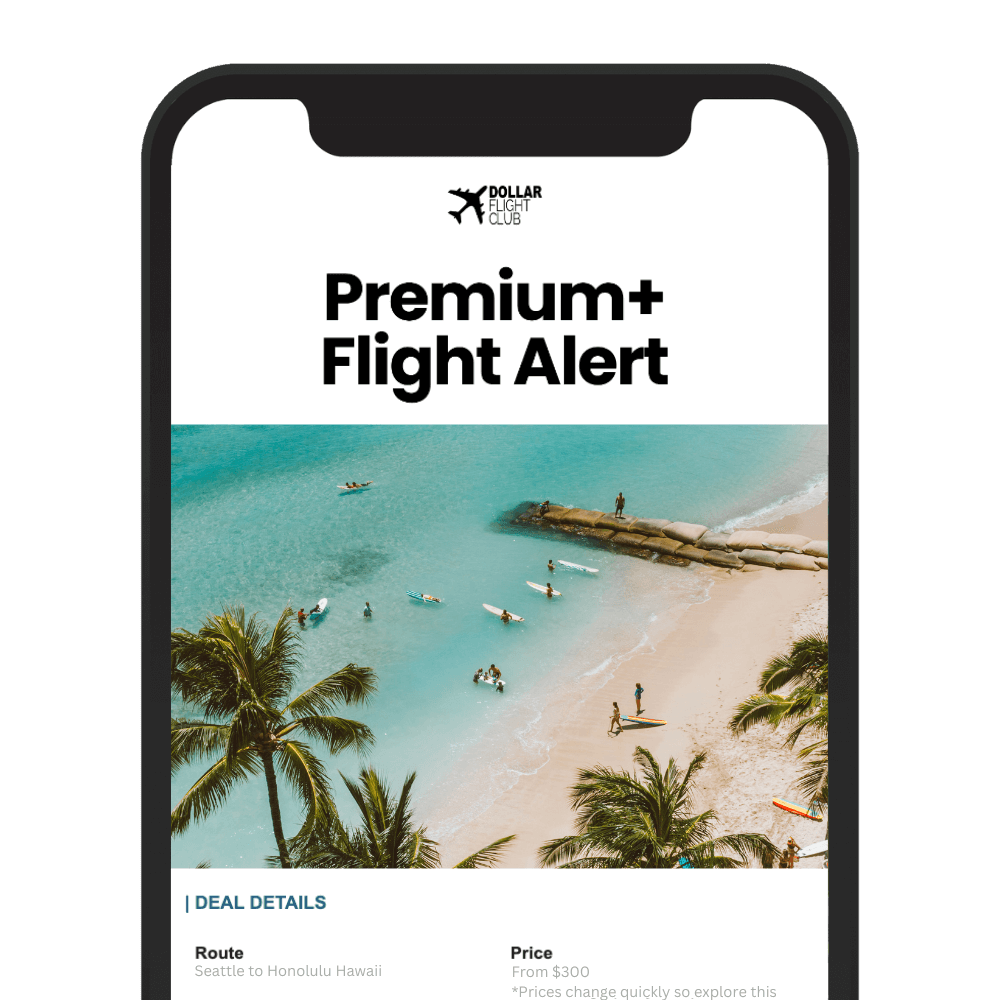
For an added edge, consider using services like Dollar Flight Club. They send curated email and SMS alerts for discounted flights and perks from top travel brands, potentially saving you over $1,000. Unlike Google Flights, which focuses on specific itineraries, services like Dollar Flight Club also catch mistake fares and flash sales. When you spot a deal that’s a bargain compared to usual peak season prices, don’t wait – book it immediately.
Once you’ve got alerts set up, you can take your savings further by being flexible with your travel plans.
Be Flexible with Dates and Airports
Flexibility is key to saving money during peak travel times. Even small adjustments to your travel dates or airports can make a big difference in price.
For instance, flying on holidays like Christmas Day, New Year’s Day, or Thanksgiving often costs less than traveling a day or two before or after. Tools like Google Flights’ monthly fare calendars make it easy to spot cheaper dates at a glance. If you’re planning a European summer getaway, consider traveling in May or September instead of the peak months of June or July – you could save 40–60% while still enjoying great weather. Similarly, for Caribbean trips, January, September, or October often offer lower fares than December. In Asia, flights in January or November are generally cheaper than in June.
You can also save by looking at alternative airports. In the U.S., compare major hubs like JFK, Newark, and LaGuardia or LAX with nearby options like Burbank or Long Beach. Internationally, flying into a nearby city can be more affordable. For example, landing in Milan instead of Venice or Brussels instead of Amsterdam could save you money while keeping your ground travel manageable.
By combining date and airport flexibility, you can maximize your savings and make peak season travel much more affordable.
Book Early for Major Events and High-Demand Periods
While flexibility and price alerts are helpful, early booking is a must when demand is at its highest. Waiting for last-minute deals during major events or holidays is risky, as prices often skyrocket closer to departure.
For winter holidays like Christmas and New Year’s, try to book by Halloween to lock in the best fares and seating options. If you’re traveling internationally during this time, aim to book around six months in advance to avoid steep price hikes.
For spring break (typically March–April), the best deals often appear about 43 days before departure. Start monitoring fares 2–3 months ahead and book as soon as you find a reasonable price. For the summer rush (mid-June to mid-August), long-haul flights to destinations like Asia or Oceania are usually cheapest when booked 5–7 months in advance. For Europe and other popular regions, aim for a window of 3–6 months.
When it comes to global festivals and major events like Carnival in Brazil, Oktoberfest in Germany, or the Olympics, demand is even higher. Airlines often release tickets 11–12 months in advance, and the best prices are usually available months before the event. If you’re planning to attend a mega-event, book 8–12 months ahead to secure your spot and avoid last-minute price spikes. Setting a maximum price threshold – say, $1,200 for a flight – and booking as soon as fares hit that level is a smart way to balance savings with peace of mind.

Conclusion
Planning ahead is your best defense against sky-high fares during peak travel seasons. These periods vary around the world – European summer stretches from June to August, Lunar New Year drives demand across Asia, and events like Carnival in South America bring their own booking hurdles. Each of these requires careful preparation, often 4–10 months in advance, depending on the holiday or event. With that in mind, here are three practical strategies to help you land the best deals.
1. Time your booking to match peak demand. Knowing when a destination hits its busiest season is key. For instance, if you’re dreaming of Paris in the summer, start searching for flights as early as March or April. Heading to Asia for Lunar New Year? Begin your planning 5–7 months ahead to secure better fares.
2. Use tools to simplify the process. Services like Dollar Flight Club can take the guesswork out of finding deals. With over 3 million members, they send alerts for discounted flights and offer perks valued at over $1,000 from major travel brands.
3. Stay flexible with dates and airports. Adjusting your travel dates or flying from alternative airports can lead to significant savings. For example, traveling on the actual holiday or choosing nearby airports – like flying into Brussels instead of Amsterdam – can make a big difference.
Here’s a real-world tip: If you’re planning a summer trip to Europe, keep in mind that June through August is the busiest season. Book your flights early, set up price alerts for your nearest major airport, and compare nearby options. Being flexible with both your schedule and departure points can help you save big on your dream getaway.
FAQs
What’s the best way to use price alerts to save on peak season flights?
Using price alert tools is a smart way to land amazing deals on flights, especially during busy travel seasons. Services like Dollar Flight Club send email and SMS notifications about discounted fares, sometimes offering savings of up to 90% on domestic and international flights.
These alerts help you stay ahead of price increases, giving you the chance to lock in the best rates. By acting promptly when you receive a notification, you can save big on your travel expenses without the hassle of constantly tracking prices yourself.
How can I find affordable flights during peak travel seasons?
Finding reasonably priced flights during peak travel seasons might feel like an uphill battle, but there are ways to make it easier on your wallet. One tried-and-true method is booking your tickets well ahead of time – ideally 2 to 3 months before your trip – to sidestep those steep last-minute prices. Flexibility with your travel dates and times can also work in your favor; flights on weekdays or early in the morning often come with lower price tags.
For an even smoother experience, consider using services like Dollar Flight Club. They send you alerts for heavily discounted flights, sometimes slashing prices by as much as 90% on domestic and international routes. By staying flexible and leveraging tools like these, you can score great deals even during the busiest travel seasons.
How can being flexible with travel dates and airports help save money on peak season flights?
Being open to adjusting your travel dates or choosing different departure and arrival airports can make a big difference in airfare costs, especially during busy travel periods. Airlines typically hike up prices for flights on high-demand days, such as weekends or holidays. Opting to fly midweek or at less popular times often reveals better deals.
Another smart move is broadening your search to include nearby airports. Sometimes flying from a smaller or less busy airport can save you a significant amount compared to major hubs. By staying flexible, you increase your chances of snagging discounted fares and dodging steep price hikes.