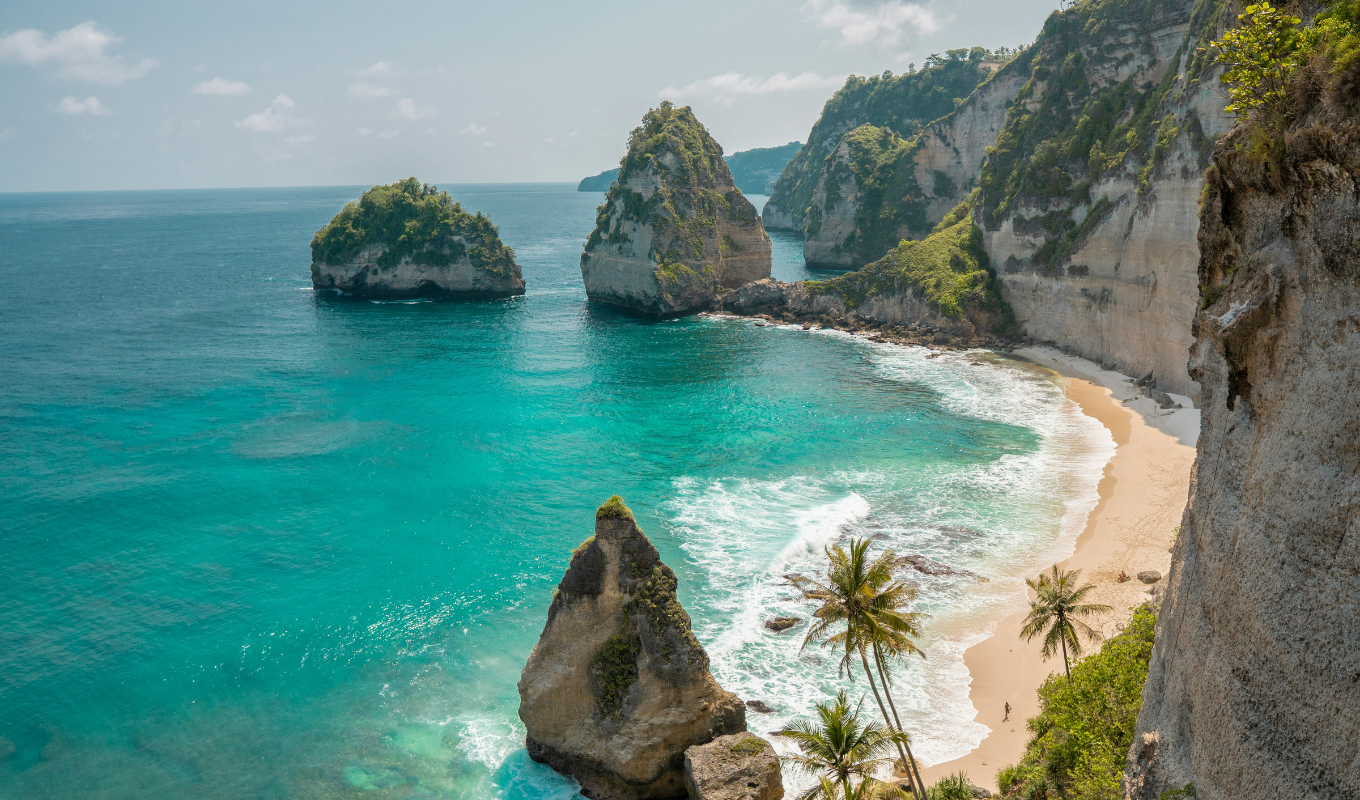
September is one of the cheapest months to travel. After Labor Day, flight and hotel prices often drop fast, with some international fares 30% to 50% lower than July and hotel rates in parts of Europe 30% to 40% lower than August.
If I wanted a simple answer, here it is:
- Best mix of low prices and good weather: Lisbon, Porto, and Budapest
- Lowest daily costs: Bali, Sofia, and Mexico City
- Best for beach time: Costa Rica’s Caribbean coast
- Cheapest beach trip if I accept storm risk: Cancún
- Best time to go: After September 15 for lower fares and fewer people
This list covers 7 places that give U.S. travelers a strong mix of:
- lower airfare
- cheaper hotels
- lighter crowds
- weather that is still good for walking, sightseeing, or beach time
A few trade-offs matter. Cancún is cheap because it’s in hurricane season. Mexico City often has short afternoon rain. Costa Rica’s Caribbean coast flips the usual pattern and is often drier than the Pacific side in September.
Quick comparison:
| Destination | Best For | Typical Daily Budget | Main Tradeoff |
|---|---|---|---|
| Lisbon & Porto | Europe value + mild weather | $60–$125 | Prices can be higher in early September |
| Budapest | Low-cost Europe city trip | $50–$60 | Cooler evenings |
| Mexico City | Cheapest big-city stay | $32–$75 | Frequent rain, mostly later in the day |
| Cancún | Cheap beach escape | $50–$80 | Hurricane and heavy rain risk |
| Costa Rica Caribbean Coast | Beach weather in September | $50–$80 | Some afternoon showers |
| Bali | Low day-to-day spend | $50–$60 | Long flight from the U.S. |
| Sofia | One of Europe’s cheapest capitals | $48–$88 | Fewer big-name sights than major capitals |
If I were picking on value alone, I’d start with Budapest, Lisbon, Porto, Mexico City, and Sofia. If I cared more about warm beach weather, I’d look at Costa Rica’s Caribbean coast first, then Bali.

Why September Is a Smart Month to Travel on a Budget
September sits in that sweet spot between peak summer and the slower fall stretch. Summer demand eases up, but the weather is often still on your side. With schools back in session, fewer people are booking flights and hotels, so prices start to slide. For travelers with some flexibility, that can open up some of the best deals of the year.
The price drop isn’t just a feeling. It’s easy to see in the numbers. Hotel rates in popular European destinations usually fall 30% to 40% compared to August, and international airfares from the U.S. to Europe often drop 20% to 30% from summer highs. You also get a less crowded trip. Tourist numbers in major European cities can dip 40% to 60% from August peaks, which often means shorter lines at major sights and a much easier time booking a good restaurant.
There’s another plus that many travelers miss: September is when locals come back from their own summer breaks. In many places, neighborhood restaurants and cafés that shut down in August start opening again. So you don’t just spend less. You often get a trip that feels more normal and less overrun.
This trend isn’t limited to Europe. Long-haul and tropical spots also tend to post lower rates in September, although coastal trips still call for a little caution because of hurricane season.
If you can time it well, travel after September 15. That’s often the best point for lower fares, thinner crowds, and solid weather. Here are seven places where September still brings good conditions, fewer people, and lower day-to-day costs.

1. Lisbon and Porto, Portugal
Lisbon and Porto are strong picks for September if you want Europe without peak-summer prices. After the summer rush, rates start to fall. In Lisbon, average hotel prices drop by about 31% to around $55 per night in September. In Porto, mid-range hotels usually land around €85 to €120, and roundtrip flights from the U.S. to Lisbon often slip below $450.
The weather still does a lot of the heavy lifting here. Lisbon begins the month with daytime highs near 82°F and cools to the upper 70s by late September. Porto stays pleasant in the mid-70s, with evenings dipping to about 57°F. Rain is light, at roughly 1 inch for the month, and Porto’s Atlantic water hits its warmest point of the year at around 64°F to 66°F. That means you can walk all day without melting and still squeeze in a beach day early in the month.
Crowds also start to loosen up, which changes the feel of both cities. Lisbon’s Tram 28 is less of a battle to board, and Porto’s Ribeira waterfront gets less packed as the cruise ship season starts winding down in early September.
Daily costs stay pretty friendly too:
- Lisbon: about $75 to $125 per day for budget travelers
- Porto: about $60 to $75 per day for budget travelers
- Vinho Verde: about €2 to €4
- Bifanas: about €2.50 to €4
- Mid-range dinner with wine: about €20 to €50
September also lines up with Douro Valley harvest season, which gives Porto an extra edge. Wine tours from the city usually cost around €75 to €95 per person. If you want daily costs that dip even lower, Budapest is the next place to look.

2. Budapest, Hungary
Budapest gets cheaper in September. Hotel prices are usually 15% to 30% lower than August, crowds drop by 30% to 40%, and flights from the U.S. can be 30% to 50% cheaper than in July.
The weather still feels good. Daytime temperatures tend to sit between 63°F and 75°F, while evenings cool off to about 50°F to 57°F. September is also Budapest’s driest month, so you deal with fewer of the heavy summer thunderstorms. That makes evening walks along the Danube even better, and the light is especially nice for photos at Fisherman’s Bastion.
If you’re traveling on a budget, you can get by on about $50 to $60 per day, including a place to stay. Prices usually look like this:
- Hostel dorms: $11 to $22
- Budget hotels: $30 to $88
- Set lunch: $4 to $7
- Local beer: $1.60 to $3.25
Getting around is cheap too. A 72-hour transit pass costs about $10 to $15, and the 100E airport bus costs about $3. If you want the classic bathhouse stop, entry to Széchenyi Thermal Baths is about $20 to $25. Want a lower-cost pick? Lukács Baths usually come in at around $13 to $18.
September also brings Budapest Design Week and the Jewish Cultural Festival, which gives the city a little extra energy without adding much to your daily costs. For travelers trying to spend even less day to day, Mexico City is next.

3. Mexico City, Mexico
If Budapest is the budget pick for Europe, Mexico City is the cheapest big-city choice so far. September brings some of the best deals in this article. Flights average about 11.4% below the yearly average, and round-trip fares can fall to $256. Mid-range hotels average about $79.53 per night, which is about 20% below the norm. Hostel dorms usually cost $12 to $31.
There’s another perk too: fewer crowds. Lines are often shorter at major spots like the National Museum of Anthropology than they are during the summer peak.
September lands near the end of the rainy season. That means about 21 rainy days, with daytime highs around 75°F and evenings cooling to roughly 57°F. That might sound like a lot of rain on paper, but in practice, it usually shows up as a short afternoon downpour instead of an all-day mess. So you can still get a lot done.
A simple game plan works well here:
- Do outdoor sightseeing in the morning, when conditions are often dry
- Save museums for the afternoon, especially places like the Frida Kahlo Museum
That timing becomes more useful later in the month, when Mexico’s Independence Day brings a short bump in visitor numbers.
September 15 and 16 are the big dates. Mexican Independence Day celebrations take over the Zócalo, including the Grito de Dolores ceremony. It’s a fun time to be in the city, but the area gets packed, and prices nearby tend to climb. Outside that holiday stretch, though, Mexico City stays cheap on a day-to-day basis.
Daily costs are low enough to make a long stay feel doable. Travelers can often get by on $32 to $75 per day, including lodging. The Metro costs about $0.30 per ride with a flat fare, and a comida corrida at a local fonda usually runs $4 to $7. And if you plan your museum visits well, you can cut costs even more. Many national museums, including Chapultepec Castle, are free on Sundays.
4. Cancún, Mexico
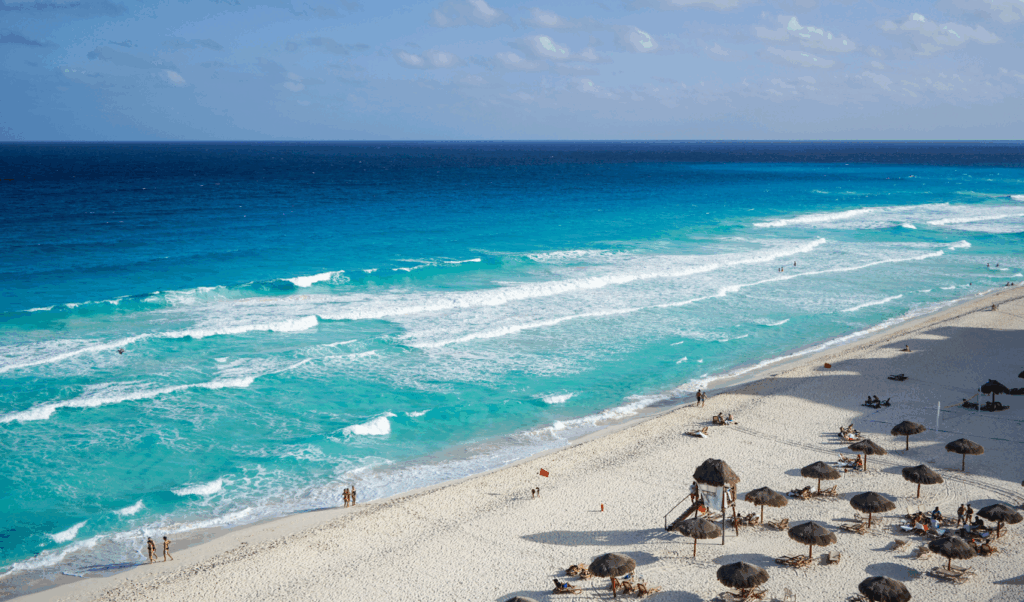
If you want a beach break after Mexico City, Cancún is the lowest-cost coastal pick on this list – if you’re okay with some weather risk.
Here’s the tradeoff: September is hot, humid, rainy, and right in the middle of Atlantic hurricane season. It’s also the wettest month of the year in Cancún. That combo pushes prices down, which is why September is often the cheapest time for flights and places to stay.
Flight prices run about 11.5% below the yearly average in September. Round-trip fares from New York average around $241, versus $359 during peak winter months. If you’re watching your budget, that gap matters. Downtown budget hotels usually cost $50 to $80 per night, while hostels and guesthouses tend to fall around $25 to $35.
The weather is the catch. Daytime highs usually sit around 87°F to 90°F, and the month gets about 13 rainy days, though rain often comes in short afternoon bursts. Sea temperatures reach about 86°F, so the water feels warm almost to the point of bathwater. Direct hurricane hits are rare, but the risk is still there. That’s why flexible booking and travel insurance that covers weather disruptions matter here.
One upside of all this? September brings the lightest crowds of the year. That can mean shorter lines, less packed beaches, and better last-minute options. So if you’re flexible and don’t mind rolling the dice a bit on weather, Cancún can be one of the cheapest beach trips you’ll find this time of year.
For another tropical option with a different weather tradeoff, the Caribbean coast of Costa Rica is next.
5. Costa Rica’s Caribbean Coast
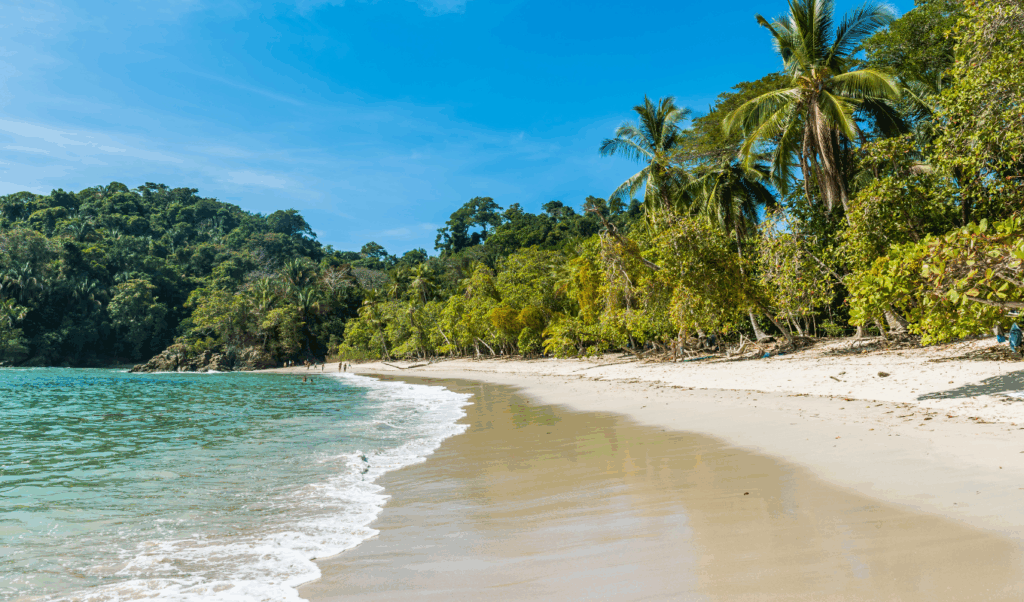
Costa Rica’s Caribbean coast goes against the usual September travel pattern. While the Pacific side is deep in its rainy season, the Caribbean coast often gets dry beaches, clear skies, and calm water. In places like Puerto Viejo, Cahuita, and Limón, September is usually the driest month of the year.
That shift can save you money too. Hotels and car rentals are often 20% to 40% cheaper than peak season, and round-trip flights from major hubs like LAX can fall to about $350. In some areas, restaurants also give 20% off if you pay cash during the slow season.
| Region | September Weather | Average Daytime Temp |
|---|---|---|
| Caribbean Coast | Dry, sunny, clear skies | 84°F–90°F |
| Pacific Coast | Peak rainy season, heavy afternoon rain | 84°F–86°F |
| Central Valley | Consistent afternoon and evening rain | 75°F–80°F |
The lighter tourism is a big part of the appeal. Crowds are at their lowest, and beaches that feel packed from December through April can feel almost empty in September. Tortuguero is the main exception. Green turtle nesting season brings in visitors, and rooms there can sell out months in advance, so book early if you want to go.
A little planning helps. Afternoon showers still pop up, so mornings are your best bet for hiking and beach time. Also note the holiday schedule: Costa Rican Independence Day is on September 15, with road closures on September 14 and bank and government office closures on September 15.

6. Bali, Indonesia
September is Bali’s shoulder season, and that’s usually the sweet spot. The weather stays warm, it’s drier than summer, and the crowds thin out compared with the peak months. You can expect 9 to 10 hours of sunshine, temperatures around 75°F to 88°F, and about 1.8 inches of rain. The ocean also stays warm at about 82°F, so beach days and swims still feel easy.
This is also when Bali starts to feel a little less hectic. There are fewer crowds, less traffic, and it’s often easier to get into restaurants and beach clubs. If you’re trying to enjoy Bali without paying peak-season prices, this is where things start to swing in your favor.
The biggest price drops tend to show up in lodging. Hotel rates often fall 25% to 40% compared with July and August. For example, a mid-range boutique stay that costs $87 in July can fall to about $58 in September. Budget travelers can often book a private room with air conditioning and a pool for $23 to $29 per night, while mid-range stays usually land around $52 to $64. Flights tend to ease up too as summer demand fades.
Daily budgets:
| Traveler Type | Estimated Daily Budget |
|---|---|
| Budget | ~$50–$60 |
| Mid-range | ~$113 |
Getting around is still cheap, which helps keep the total trip cost in check. Scooter rentals usually cost $5 to $10 per day, and a private driver for a full-day tour runs about $30 to $50. Apps like Grab and Gojek make transport simpler with fixed-rate pricing.
If you’re visiting from the United States, plan for about $29 for the e-VOA and $8.71 for the Bali tourist levy. For the best mix of lower prices and good weather, early September is usually the best-value window.

7. Sofia, Bulgaria
Sofia is one of Europe’s cheapest capitals, and September is a sweet spot to visit. Prices stay low, crowds ease up, and getting around the city feels much less hectic. Major sights and restaurants are less packed, so you can take your time instead of dealing with the peak-summer rush.
Weather is another plus. Daytime highs usually sit around 72°F to 75°F, evenings cool down to 50°F to 54°F, and you can expect 7 to 8 hours of sunshine. Rainfall is fairly light, which makes September a solid month for long walks, outdoor cafés, and time in the city without constantly checking the forecast. If you want a break from urban sightseeing, it’s also a good time for hikes on Vitosha Mountain.
Sofia is also easy on the wallet. A hostel dorm averages about $16 per night, food costs around $27 per day, and activities often come in at just $4 per day. That puts a budget trip at roughly $48 per day. If you want a private room and plan to eat out every day, a more comfortable trip lands closer to $88 per day.
| Traveler Type | Estimated Daily Budget |
|---|---|
| Budget (dorms, self-cooking) | ~$48 |
| Mid-range (private room, eating out) | ~$88 |
Flights help the math, too. Round-trip fares from the U.S. have been found around $503 to $698 in September. Bring light layers during the day and a jacket for the cooler evenings.
For a quick side-by-side view of value, weather, and crowd levels, see the chart below.

How to Find Cheaper September Flights
Now that the best-value September destinations are mapped out, the next move is booking flights before prices climb again. September fares often fall hard after the summer rush, with many major routes dropping 20% to 60% from peak-season prices. That means two things matter most: when you book and how you track price drops.
Timing plays a big part. Fares often spike in the last 10–14 days before departure, so booking by late August can help you lock in better September prices. Flight day matters too. Midweek trips, especially Tuesday or Wednesday departures, can cost 15% to 25% less than weekend flights.
| Route | Peak Summer Fare | September Fare | Price Drop |
|---|---|---|---|
| New York → Honolulu | $700 | $420 | 40% |
| Chicago → Miami | $450 | $178 | 60% |
Those savings add up fast. A route like Chicago → Miami dropping from $450 to $178 is the kind of deal that can make a trip feel a lot more doable.
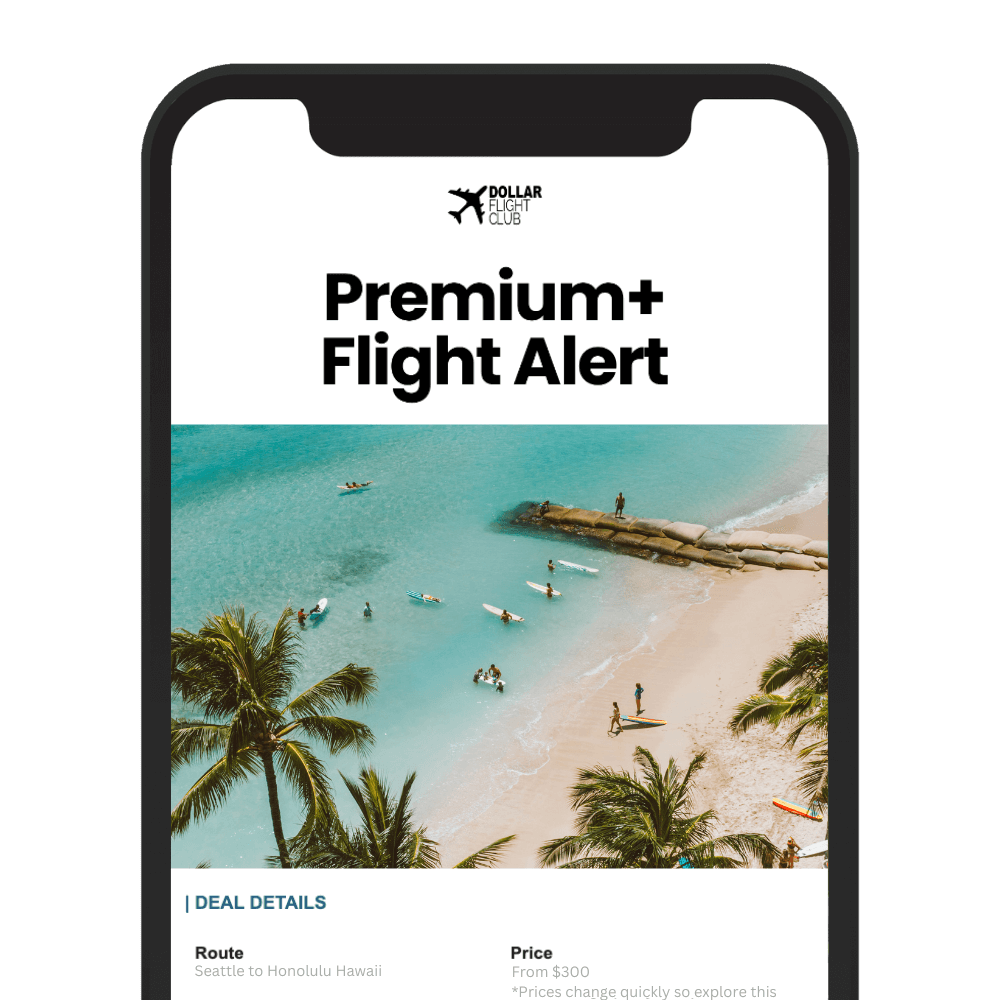
Dollar Flight Club tracks thousands of routes and sends email and SMS alerts when prices drop, including deals up to 90% off on domestic and international flights. Members also get flight deals, travel perks, and brand discounts. Premium+ includes SMS alerts, business-class alerts, and member-only deals.
If you want a simple game plan, focus on a few things:
- Book before the final 10–14 day window
- Check Tuesday and Wednesday departures
- Set fare alerts so you can move when prices dip
That kind of setup makes September deals much easier to spot before fares head back up.

Conclusion
September is the budget sweet spot. After Labor Day, airfare tends to drop, hotel rates ease up, and the crowds thin out.
What makes the most sense comes down to your top priority: price, weather, or fewer people.
Out of these seven destinations, Bali and Costa Rica’s Caribbean coast stand out for more steady weather. Bali also comes with the lowest day-to-day costs. If you want the best mix of value and weather, Lisbon, Porto, and Budapest are the top picks.
Choose the place that lines up with what matters most to you, then set fare alerts through Dollar Flight Club so you can jump on a price drop.
FAQs
How far in advance should I book a September trip?
For the best prices, book a September trip 6 to 8 weeks before departure. If you’re flying abroad, start earlier – ideally 10 to 12 weeks ahead.
It also helps to lock things in by late August, because airfare often jumps within 10 to 14 days of departure. Dollar Flight Club offers email and SMS alerts for discounted domestic and international flights.
Which September destination is best for low prices and low weather risk?
Aruba stands out as the best pick if you want the sweet spot between lower prices and lower weather risk.
The island sits south of the main Atlantic hurricane belt, so storm-related disruptions are less likely in September. That matters if you want a beach trip without spending the week checking weather apps.
September is also Aruba’s slowest tourism period. That usually means hotel rates run about 30% to 40% lower than peak season. On top of that, you still get consistent sunshine, steady trade winds, and brief rain showers instead of long stretches of bad weather.
What should I pack for September shoulder-season travel?
September weather changes from place to place, so it helps to pack layers. Think light, breathable clothes for warm afternoons, then add a sweater or jacket for cooler evenings.
Comfort matters too, especially if you’ll be on your feet a lot. Bring comfortable walking shoes, and pack activity-specific footwear, like hiking boots, if your plans call for them. A lightweight, packable rain jacket is also a smart pick when the forecast looks a little iffy.