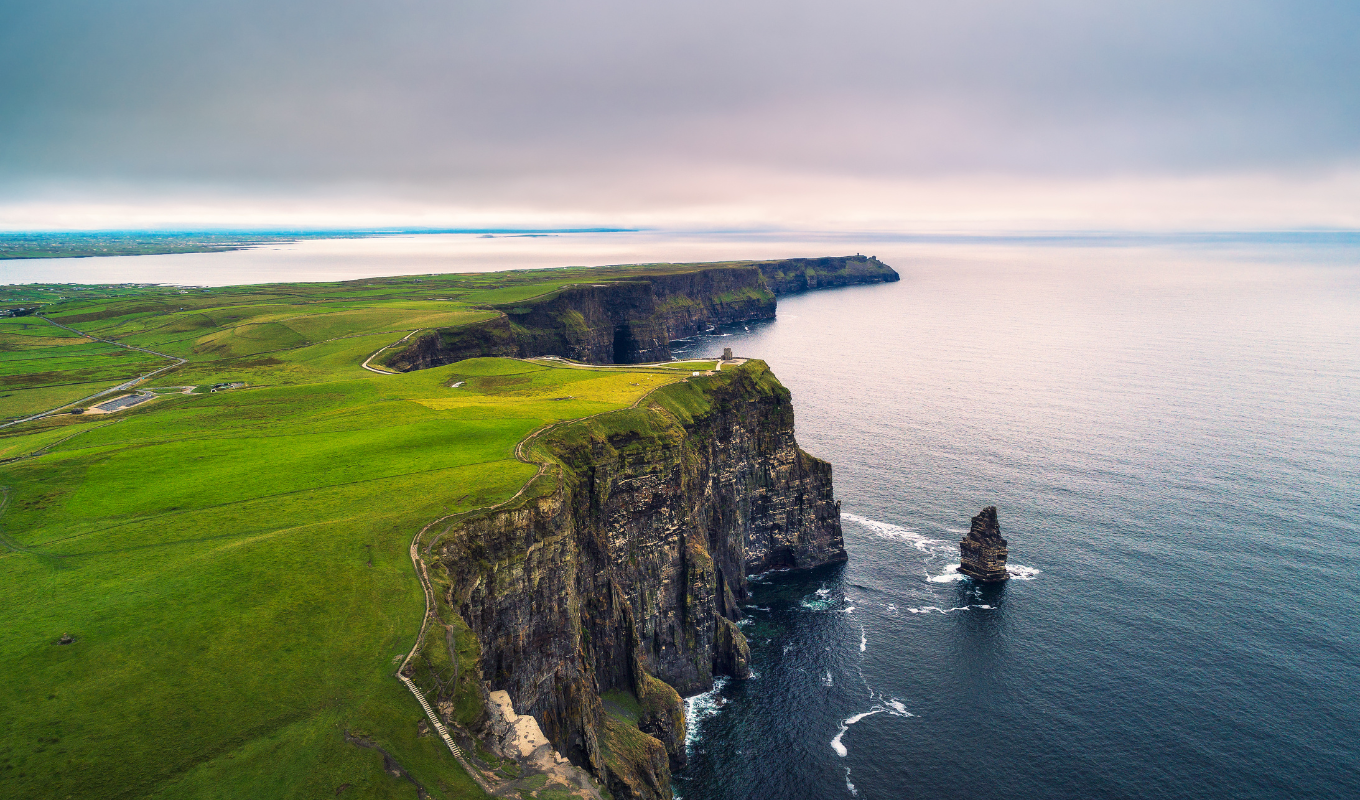
Ireland is a small country with a lot to offer: stunning landscapes, ancient history, lively cities, and welcoming locals. Whether you’re drawn to the Cliffs of Moher, Dublin’s literary landmarks, or the scenic Ring of Kerry, this guide covers everything you need to plan your trip. Here’s the essentials:
- Best Times to Visit: May, June, September, and October offer mild weather, fewer tourists, and better prices. Summer (June–August) is ideal for long days but can be crowded. Winter (December–February) is quiet and budget-friendly but comes with shorter days.
- Flights: Use tools like Dollar Flight Club to find deals. Book 2–8 months in advance for off-peak travel, and aim for major U.S. hubs like New York or Boston for affordable routes.
- Entry Requirements: U.S. citizens don’t need a visa for stays up to 90 days. Starting April 2025, a UK ETA is required for visits to Northern Ireland.
- Getting Around: Rent a car for rural areas, but public transport (trains and buses) works well for cities. Leap Cards save money on transit in Dublin.
- Where to Stay: Options range from B&Bs and guesthouses to luxury castle hotels. Book early for summer or festivals.
- Top Destinations: Dublin for history and culture, Cliffs of Moher for dramatic views, Galway for arts and music, and Killarney for nature.
Plan your trip around your interests and budget, and pack for unpredictable weather!
When to Visit Ireland
The timing of your trip to Ireland can significantly impact both your experience and your budget. The shoulder seasons – May, June, September, and October – are a sweet spot, offering pleasant weather, fewer crowds, and more affordable prices. May and June tend to be the sunniest months, while September and October bring mild temperatures and a noticeable drop in tourists after school holidays. Here’s a closer look at what each season has to offer, so you can plan your visit accordingly.
Spring and Fall
For those chasing mild weather and better deals, spring (March through May) and fall (September through November) are excellent choices. During these months, Ireland’s countryside is vibrant, and popular spots like the Cliffs of Moher are much easier to explore without battling large crowds. If avoiding peak prices and throngs of tourists is a priority, steer clear of March 17, St. Patrick’s Day.
Travelers looking to save money will appreciate the difference in airfare – roundtrip flights to Ireland in November 2023 averaged $404, compared to $963 in December. Food enthusiasts should consider visiting in September, as events like the Galway International Oyster and Seafood Festival bring a culinary buzz to the west coast.
Summer
Summer (June through August) is Ireland’s busiest season, and for good reason. July temperatures hover around 66°F (19°C), and daylight stretches from 4:30 AM to 10:30 PM, giving you plenty of time to explore. However, the popularity of this season means attractions are often crowded, so planning ahead is key. Booking accommodations and tickets to major sights well in advance can save you from unnecessary stress.
Winter
Winter (December through February) is Ireland’s quietest season, perfect for budget-conscious travelers. While the days are shorter – sunset can be as early as 4:10 PM in December – and the weather chillier, with January averaging 45°F (7°C), this season offers some of the lowest prices. Flights can dip to as little as $300 each way, and cities like Dublin and Belfast remain lively with indoor attractions like museums and pubs. However, if you plan to explore rural areas, double-check schedules, as many guesthouses and attractions operate on reduced hours between October and Easter.
Whether you’re after long summer days or the quiet charm of winter, each season in Ireland has something special to offer.

How to Find Cheap Flights to Ireland
Scoring affordable flights to Ireland doesn’t have to mean endless searches or constant alerts. The trick lies in knowing where to look, when to book, and which departure cities offer the best deals. With a little strategy, you can save hundreds on your trip across the Atlantic.
Using Dollar Flight Club
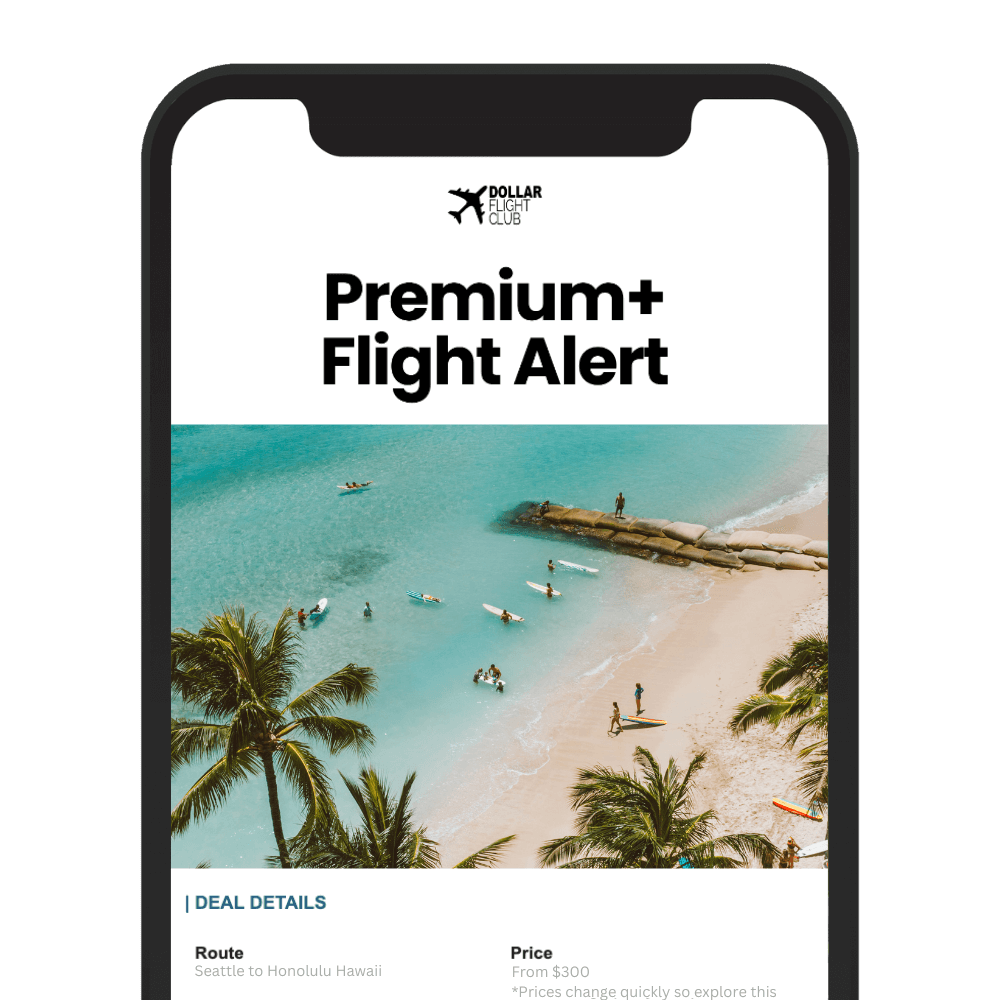
Dollar Flight Club makes finding deals easy by sending email and SMS alerts whenever fares drop on routes to Ireland. Subscribers get notifications for discounted flights to Dublin (DUB), Shannon (SNN), and Cork (ORK) – sometimes slashing prices by up to 90% off the usual rates. For example, roundtrip flights to Dublin can cost as little as $289, a huge cut from the average $841.
The service offers three membership levels to suit different needs:
- Free Plan: Includes a daily newsletter with basic domestic flight alerts and one departure airport.
- Premium Plan ($69/year): Unlocks international deals, mistake fares, and monitoring for up to four departure airports.
- Premium+ Plan ($99/year): Adds business and first-class alerts along with SMS notifications – perfect for catching deals that only last a few hours due to rapid price changes driven by AI.
If you’re not near a major city, Dollar Flight Club can still help. Look for “gateway” deals from hubs like New York (JFK) or Boston (BOS). Booking a separate, low-cost domestic flight to one of these cities can often save you big on the international portion of your trip. Flexibility with your departure city is one of the best ways to cut costs.
Once you’ve set up alerts, timing your booking is the next step to locking in the best price.
When to Book Your Flight
Timing is everything when it comes to booking flights to Ireland. For off-peak travel, aim to book 2–8 months in advance, while summer trips typically require 4–10 months of lead time. January consistently offers the lowest fares, while December is the priciest – roundtrip tickets average $507 in November but jump to $1,199 in December.
Avoid booking on Fridays and Sundays, which are usually the most expensive days to fly. Also, steer clear of the 21-, 14-, and 7-day marks before departure, as airlines tend to hike prices during these windows.
Now, let’s talk about which U.S. airports offer the best routes to Ireland.
US Departure Airports and Routes
Dublin (DUB) is the primary gateway to Ireland, handling 85% of the country’s passenger traffic and offering direct flights from 18 U.S. airports. Shannon (SNN) is another option, with direct routes from Boston, Chicago, New York, and Newark. Both airports feature U.S. Preclearance, allowing you to clear customs in Ireland and treat your return flight like a domestic trip.
Major hubs like New York (JFK/EWR), Boston (BOS), Chicago (ORD), and Washington D.C. (IAD) consistently offer some of the lowest transatlantic fares. If you’re not near one of these cities, consider booking a domestic flight to connect. The savings on the international leg often outweigh the cost of positioning flights. With budget airlines offering roundtrip fares as low as $550–$650, keeping an eye on these major gateways can lead to serious savings.

Entry Requirements for US Travelers
Traveling to Ireland is relatively simple for US citizens, but it’s crucial to have your documents in order, especially if Northern Ireland is part of your itinerary.
Passport and Visa Requirements
If you’re a US citizen visiting the Republic of Ireland for tourism or business, no visa is required for stays of up to 90 days. However, your passport must be valid for the entirety of your visit and should have at least one blank page. Immigration officials might ask for proof of sufficient funds and a return or onward ticket upon arrival.
To avoid complications at the border, carry printed copies of your return flight details and accommodation bookings. Keep in mind that Ireland is not part of the Schengen Area. This means you’ll need to present your passport even if you’re arriving from a Schengen country.
If your plans include Northern Ireland, you’ll need to familiarize yourself with the UK ETA process.
UK ETA for Northern Ireland
Planning to visit Northern Ireland? Whether you’re heading to Belfast, the Giant’s Causeway, or any other destination in the UK region of the island, you’ll need a UK Electronic Travel Authorization (ETA) starting April 2, 2025. This applies even if you’re crossing the land border from the Republic of Ireland.
The ETA costs £10 and is digitally linked to your passport. Applications can be submitted through the official UK government website or the UK ETA mobile app, available for both iOS and Android. Most approvals are processed within 48 to 72 hours, so it’s a good idea to apply a few days before your trip. Once issued, the ETA allows multiple entries for two years or until your passport expires, whichever comes first.
Make sure you’re also aware of Ireland’s health and customs regulations to ensure smooth travels.
Health and Customs Regulations
No vaccinations are required to enter Ireland, and all COVID-19 restrictions were lifted as of March 6, 2022. If you’re bringing prescription medications, you can carry up to a 3-month supply for personal use. Just keep them in their original packaging and have a prescription or a doctor’s letter on hand.
If you’re carrying cash or traveler’s checks totaling €10,000 (approximately $10,800), you must declare this when entering or leaving the country. Additionally, remember that US Medicare and Medicaid are not accepted in Ireland, and most healthcare providers require upfront payment. Having travel insurance that includes medical evacuation coverage is highly recommended.

How to Get Around Ireland
Getting around Ireland depends largely on your travel plans. If you’re aiming to explore the countryside – think the Wild Atlantic Way or the Ring of Kerry – renting a car gives you the most flexibility. On the other hand, public transportation is a dependable and budget-friendly way to travel between cities.
Car Rentals and Driving Tips
Planning to venture into Ireland’s scenic countryside? Renting a car is your best bet. Just keep in mind that Ireland drives on the left side of the road, so you may need to adjust your habits. Most rental cars come with manual transmissions, so if you need an automatic, book in advance – they’re harder to find and usually cost more.
Driving in Ireland comes with its own set of rules. Seat belts are mandatory for everyone in the vehicle, and using a handheld phone while driving is illegal. The legal blood alcohol limit is stricter than in many countries at 0.5 milligrams per milliliter, and penalties for drink-driving are severe. Unlike in the U.S., you can’t turn on a red light – even when turning left – and roundabouts are navigated clockwise.
Expect narrow, winding roads in rural areas, often bordered by stone walls. Speed limits in the Republic of Ireland are typically 75 mph on motorways, 62 mph on national roads, and 50 mph on regional roads. In Northern Ireland, speed limits are posted in miles per hour, with motorways generally capped at 70 mph and urban areas at around 30 mph. If you’re traveling through Irish-speaking (Gaeltacht) regions, be aware that road signs may appear only in Irish.
Public Transportation Options
For inter-city travel, Ireland has a reliable public transportation network. Irish Rail connects major cities like Dublin, Cork, and Galway, while buses reach smaller towns and rural spots that trains can’t. Impressively, over 90% of passengers have reported satisfaction with their Transport for Ireland journeys, with 94% noting they felt safe.
A Leap Card is a must-have for public transit. It offers savings of up to 31% on cash fares in Dublin, and Irish Rail provides discounts of up to 30% for travelers under 24 and Leap Card users. Visitors can also get a Leap Visitor Card, which allows unlimited travel in the Dublin area – typically priced at around $8.50 for one day, $17 for three days, or $34 for seven days. Booking train and bus tickets online can save you money and secure your seat. However, pay close attention to schedules – rural bus routes to places like the Cliffs of Moher or Dingle are less frequent, so knowing the last return time is crucial.
Domestic Flights
Given Ireland’s compact size, domestic flights are rare but available for certain routes, like Dublin to Kerry. For most travelers, though, trains and buses are more economical and offer greater flexibility with frequent service.
With transportation sorted, you’re ready to dive into Ireland’s accommodation options.
Where to Stay in Ireland
Once you’ve figured out how to get around, the next big decision is where to stay. Ireland offers a variety of accommodations to suit every budget and travel style – from cozy hostels to luxurious castle hotels. Your choice will depend on whether you’re after a local vibe, easy city access, or an indulgent getaway.
| Accommodation Type | Best For | Typical Daily Cost | Key Features |
|---|---|---|---|
| Luxury Hotels | Comfort, spas, historic settings | $270+ | Full service, often in castles or city centers |
| B&Bs | Local charm, authentic experiences | Moderate | Family-run, breakfast included, may close in winter |
| Guesthouses | Mid-range travelers | Moderate | Larger than B&Bs, with a personal touch |
| Hostels | Solo/budget travelers | $75–$110 | Sociable atmosphere, mostly in cities |
Hotels, Guesthouses, and B&Bs
Ireland is known for its welcoming family-run B&Bs and guesthouses. These spots, scattered from Dublin to the scenic countryside of Donegal, are perfect for travelers seeking warm hospitality, insider tips, and a hearty Irish breakfast. However, keep in mind that many of these properties close during the winter months (November through February). Whether you’re walking Dublin’s Georgian streets or exploring the countryside near Galway or Killarney, these accommodations offer a genuine Irish experience.
If you’re looking for hotels, you’ll find everything from budget-friendly chains to opulent historic properties. Dublin, being Ireland’s most expensive city for travelers, can stretch your budget, especially in the summer months. For a more wallet-friendly option, consider staying in neighborhoods like The Liberties. This area, just a 10-minute walk from the city center, combines affordability with local character. For travelers ready to splurge, castle hotels like Ashford Castle in County Mayo (a National Geographic Unique Lodge of the World) or Ballynahinch Castle in Galway offer once-in-a-lifetime luxury stays on stunning private estates.
Airbnbs vs. Hotels
Deciding between an Airbnb and a hotel often comes down to your budget and travel needs. In pricier destinations like Dublin, Killarney, and Galway, Airbnbs can be a great value – especially for families or groups who can save by cooking meals in a fully equipped kitchen. Hotels, on the other hand, provide consistent service, daily housekeeping, and prime locations close to major attractions. If you’re staying for four nights or less, consider basing yourself in Dublin or nearby Wicklow. This way, you can maximize your sightseeing time without the hassle of packing and unpacking.
Regional Accommodation Tips
Booking early not only helps you secure better prices but also ensures you can stay in unique and memorable places. For peak travel times (June to August) or major events like the Galway International Arts Festival in July or the Cork Jazz Festival in October, aim to book three to five months in advance. If you’re after breathtaking coastal views, check out the Cliff House Hotel in Waterford or Inchydoney Island Lodge & Spa in Cork. For something truly different, Donegal’s CroPod offers a quirky underground retreat, while Ballyknocken Farmhouse in Wicklow provides a charming countryside escape.
Traveling in the winter? This is your chance to snag lower rates at luxury properties. Adare Manor in County Limerick is a standout option for an off-season indulgence.
Top Places to Visit in Ireland
Ireland packs an incredible range of experiences into its compact size. From Dublin’s bustling streets to the jaw-dropping coastal cliffs in the west, every corner of this island has its own distinct charm. Let’s dive into some must-visit destinations, starting with the lively capital before heading out to explore Ireland’s breathtaking landscapes.
Dublin
Dublin, Ireland’s vibrant and walkable capital, is brimming with history, culture, and charm. Start at Trinity College, founded in 1592, where you can marvel at the 9th-century Book of Kells and the awe-inspiring Long Room in the Old Library. Pro tip: Book your tickets at least a week in advance. For beer enthusiasts, the Guinness Storehouse is a must. Its seven floors of brewing history culminate in a pint of the iconic stout, served with panoramic city views at the Gravity Bar.
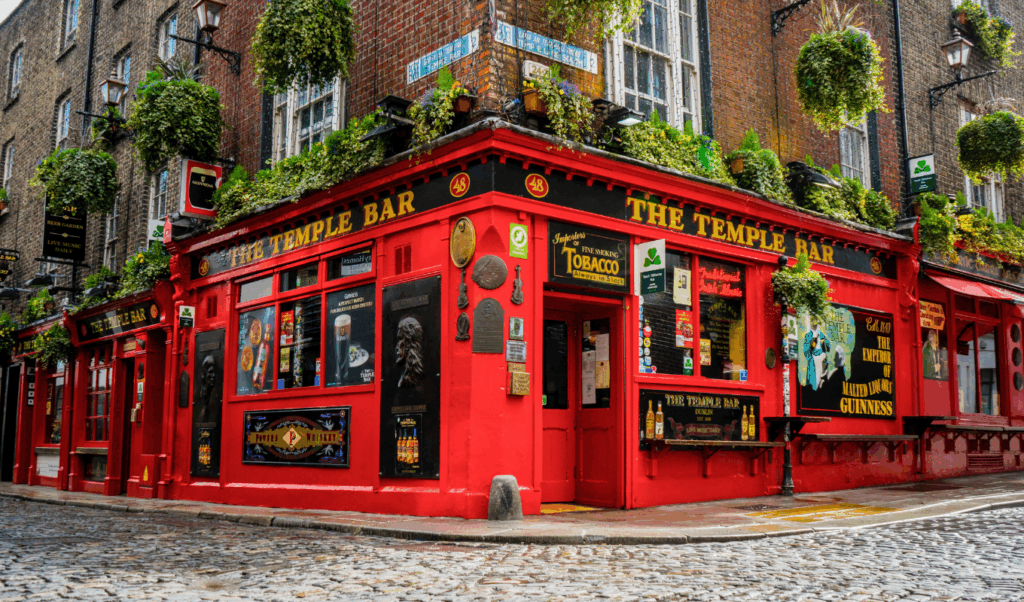
History buffs shouldn’t miss Kilmainham Gaol, which delves into Ireland’s struggle for independence and the 1916 Easter Rising. Be sure to book tickets three weeks ahead to secure your spot. For a more relaxed vibe, the cobblestone streets of the Temple Bar District are alive with traditional music, while whiskey lovers can enjoy tastings and tours at Jameson Distillery Bow St. or Dublin Liberties Distillery. Don’t forget to check out the National Museum of Ireland and the National Gallery of Ireland – both offer free entry.
If you need a break from the city buzz, Phoenix Park provides a peaceful escape. One of Europe’s largest enclosed parks, it’s home to wild deer, Dublin Zoo, and even the residence of Ireland’s president. To get around the city affordably, grab a Leap Visitor Card: $9 for one day, $19 for three days, or $26 for a week of unlimited travel on buses, Luas trams, and DART trains.
Cliffs of Moher and Wild Atlantic Way
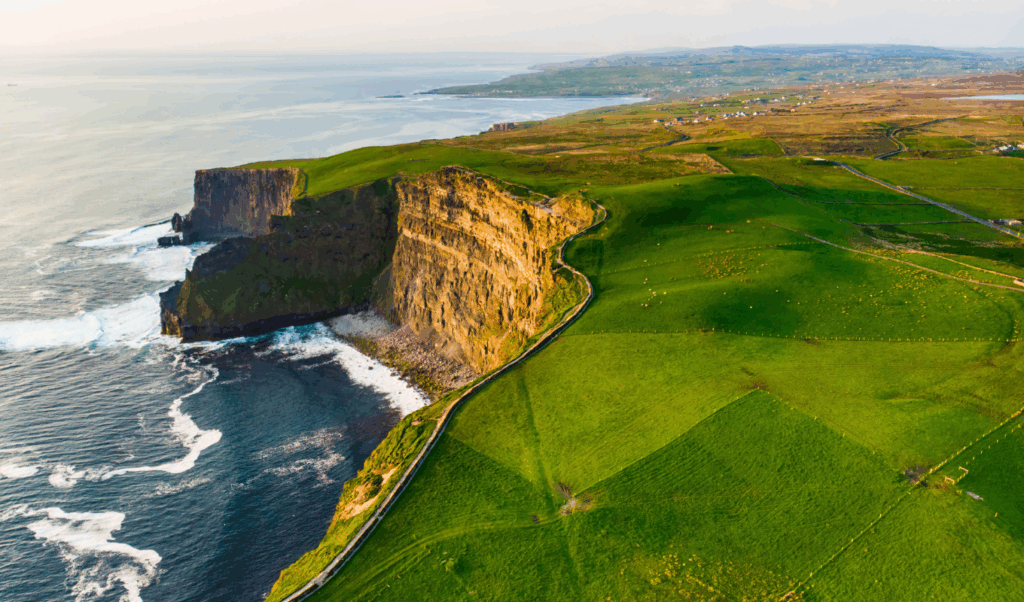
The Cliffs of Moher are Ireland’s most iconic natural wonder. Stretching for about 5 miles and plunging nearly 700 feet into the Atlantic, these cliffs are unforgettable. To avoid the crowds, aim to arrive before 10:00 AM or after 4:00 PM. On clear days, you’ll be treated to stunning views of Galway Bay, the Aran Islands, and the mountains of Connemara from the cliffside trails.
For those craving adventure, the Wild Atlantic Way is a 1,500-mile coastal route that showcases Ireland’s rugged beauty. From dramatic cliffs to hidden coves and quaint fishing villages, this drive is pure magic. Just be ready for narrow roads, unexpected sheep crossings, and Ireland’s famously unpredictable weather – waterproof jackets and sturdy walking boots are a must. While you’re near the cliffs, explore The Burren, a fascinating limestone landscape that’s especially stunning in spring when rare plants bloom between the rocks.
Galway and Aran Islands
After soaking up Dublin’s energy, head west to Galway, a lively harbor town with a thriving music and arts scene. Wander through the colorful Latin Quarter, where you’ll find cozy pubs, quirky shops, and restaurants serving fresh seafood straight from Galway Bay. For authentic Irish music, pop into Tigh Cóilí, a local favorite. If you’re planning your trip for summer, don’t miss the Galway International Arts Festival in July or the Galway International Oyster and Seafood Festival in September.
The Aran Islands offer a step back in time and a chance to experience Ireland’s traditional Irish-speaking (Gaeltacht) culture. On Inishmore, the largest of the islands, rent a bike to explore quiet roads, ancient stone forts, and the unhurried pace of island life. For an extra dose of tradition, book a currach boat-building workshop at the Inishbofin Heritage Museum – just be sure to reserve your spot 2–3 weeks in advance.
Ring of Kerry and Killarney
The Ring of Kerry is a 110-mile scenic loop around the Iveragh Peninsula, offering jaw-dropping coastal views, rugged mountains, and charming towns like Kenmare. With long summer days (daylight can last from 4:30 AM to 10:30 PM), there’s plenty of time to soak in the sights. Just be prepared for narrow roads and familiarize yourself with local driving rules. If you’re visiting in August, check out the Puck Fair in Killorglin, Ireland’s oldest festival.
In Killarney National Park, nature and history come together beautifully. Take a boat trip on the Lakes of Killarney, hike the Muckross Lake Loop, or visit landmarks like Ross Castle and Muckross House. Nearby, you can experience life on a working hill farm – watch sheep herding or even try your hand at shearing. Visit between February and April to catch lambing season in full swing.
Cork and Kinsale
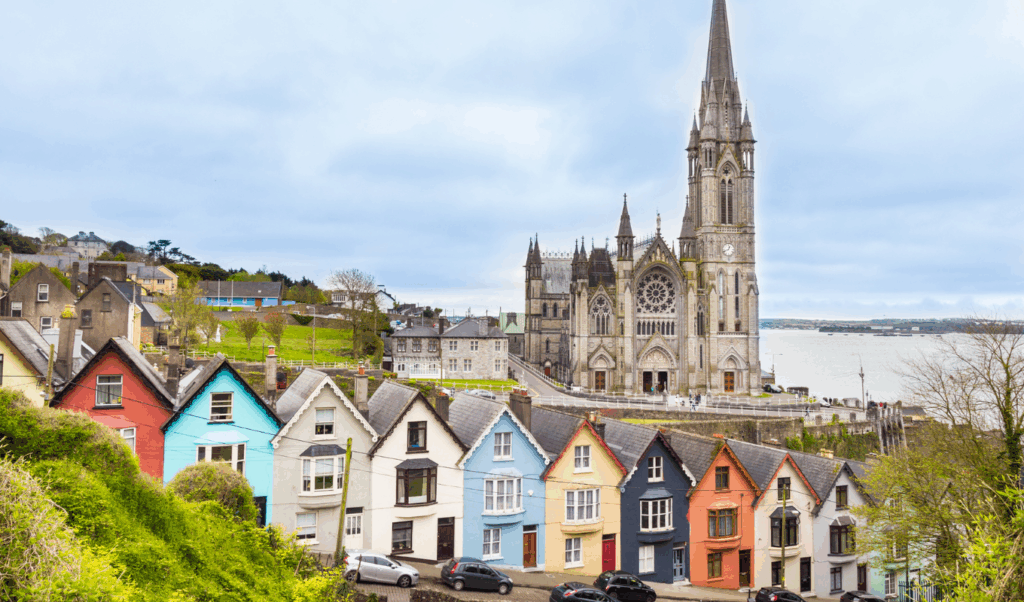
Foodies, rejoice! Cork, Ireland’s second-largest city, is a haven for culinary delights. The historic English Market, dating back to 1788, is a treasure trove of local produce, artisan cheeses, and fresh seafood. Just a short drive away, the coastal town of Kinsale offers a laid-back atmosphere with colorful streets, sailing opportunities, and some of Ireland’s best dining spots. It’s the perfect place to unwind, enjoy stunning harbor views, and savor a slower pace of life.
Conclusion
Ireland has everything a traveler could dream of – breathtaking coastlines, 9,000 years of history, lively pub culture, and some of the warmest welcomes you’ll ever encounter. Whether you’re wandering through Dublin’s literary hotspots, driving along the stunning Wild Atlantic Way, or enjoying fresh seafood in Kinsale, the Emerald Isle promises an experience you’ll never forget. With tips on the best times to visit, navigating local transport, and more, this guide ensures you’re well-prepared to soak in Ireland’s charm. Timing your trip is key – consider May to July for long days or spring and fall for fewer crowds. Be ready for unpredictable weather, and booking a rental car ahead of time is essential for reaching those remote coastal treasures.
While travel costs can add up, careful planning makes a big difference. Booking flights strategically can save you money, and Dollar Flight Club simplifies this process with real-time alerts. They monitor thousands of routes daily to spot mistake fares, flash sales, and massive price drops – sometimes slashing costs by 60–90%. Deals for destinations like Dublin and Shannon can disappear fast, so acting quickly on alerts is crucial.
FAQs
What are the best tips for finding affordable flights to Ireland?
To score affordable flights to Ireland, timing and flexibility are your best friends. Aim to book your tickets 2 to 8 months in advance, or stretch that to 3 to 10 months if you’re traveling during peak seasons like summer or the holidays. Being open to mid-week flights – especially on Tuesdays or Wednesdays – can also help you save. Don’t forget to explore alternative airports in the U.S., like Newark or Boston, and in Ireland, such as Shannon or Cork. Even early morning or late-night flights can trim down your travel costs.
Setting up fare alerts is another smart move. These alerts can notify you about price drops, flash sales, or even mistake fares. Plus, many airlines offer a 24-hour cancellation policy, giving you the chance to rebook if a better deal pops up right after your purchase. Traveling during off-peak months like January, February, or September can also make a big difference in your budget. With some planning and flexibility, you’ll be jetting off to Ireland without emptying your wallet!
What should I know before driving in Ireland’s countryside?
Driving through Ireland’s countryside offers a memorable experience, but it’s important to be well-prepared. First off, vehicles drive on the left-hand side of the road. If you’re used to driving on the right, give yourself time to adjust. You’ll need a valid driver’s license, and if it’s not in English, you might also need an International Driving Permit. Keep in mind that speed limits are measured in kilometers per hour in the Republic of Ireland, while Northern Ireland uses miles per hour. A quick mental conversion (1 mile ≈ 1.6 kilometers) can be helpful. In Irish-speaking regions, road signs may appear in Irish Gaelic, so learning a few basic terms could make your journey easier.
Rural roads in Ireland are often narrow and winding, with frequent livestock crossings and sharp turns. Drive carefully, use high-beam headlights only when necessary, and allow extra time for your trip. Since fuel stations can be few and far between, it’s smart to fill up whenever you have the chance and keep an eye on your fuel gauge. A GPS or offline map is essential for navigation, but a paper map is a good backup because mobile coverage in remote areas can be spotty. If you’re renting a car, you might find an automatic transmission easier to handle if you’re not used to driving a manual. Make sure your rental includes insurance and roadside assistance to avoid unnecessary stress.
Do I need an ETA to visit Northern Ireland, and how does it work?
Yes, starting in early 2025, travelers heading to Northern Ireland, including those entering through the Republic of Ireland, will need an Electronic Travel Authorization (ETA). This applies to U.S. citizens and most other travelers who don’t have a UK visa or a British/Irish passport. The ETA is similar to the U.S. ESTA and is required for visits of up to six months.
The application process is straightforward and can be completed online. It usually takes up to three working days for approval. The fee is £16 (approximately $12.75), and an approved ETA is valid for two years or until your passport expires – whichever comes first. It allows multiple entries, though final entry decisions are still at the discretion of border officials. To avoid complications, make sure to secure your ETA before traveling.
If you’re planning flights to Dublin or Belfast, platforms like Dollar Flight Club can help you find discounted airfare, letting you save on your trip before applying for your ETA.