Seoul blends ancient landmarks with a vibrant, modern cityscape. From centuries-old palaces to futuristic skyscrapers, the city offers something for history buffs and trendsetters alike. Here’s a quick guide to help you plan your visit:
- Best Times to Visit: Spring (March–May) for cherry blossoms or fall (September–November) for colorful foliage and cool weather.
- Top Attractions: Explore Gyeongbokgung Palace, Bukchon Hanok Village, N Seoul Tower, and the cutting-edge Dongdaemun Design Plaza.
- Food Highlights: Enjoy Korean BBQ, bibimbap, street food like tteokbokki, and visit markets like Gwangjang for local flavors.
- Where to Stay: Myeongdong for convenience, Hongdae for nightlife, or Insadong for a quieter, historic vibe.
- Getting Around: Use the Seoul Metro with a T-money card for easy transportation. Taxis and walking are great options for shorter distances.
Seoul combines rich history with modern energy, making it a destination full of contrasts and experiences. Whether you’re visiting for the sights, food, or culture, the city has plenty to offer.
When to Visit Seoul
Seoul offers a unique experience across its four seasons, but spring and fall stand out for their mild weather and vibrant activities. These seasons are perfect for enjoying outdoor attractions like palaces, hiking trails, or a relaxing picnic by the Han River. On the other hand, summer brings intense heat and heavy monsoon rains – July alone averages 16.3 inches of rainfall – while winter plunges into below-freezing temperatures. If you’re budget-conscious, consider visiting in late January or February when hotel rates drop by 20% to 25% compared to summer prices. Just be prepared for the cold. Below, let’s dive into why spring and fall are ideal for both climate and cultural experiences.
Spring (March–May): Cherry Blossoms and Comfortable Temperatures
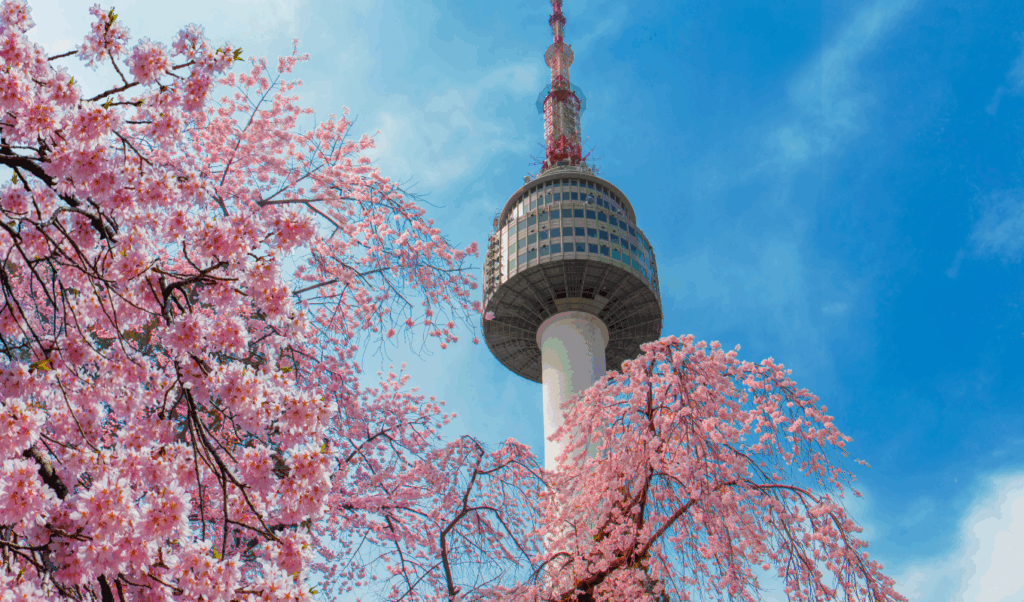
Spring transforms Seoul into a pink wonderland as cherry blossoms bloom across the city. April is the sweet spot for blossom viewing, with daily highs around 64°F (18°C), warming up to 74°F (23.5°C) by May. Popular spots like Yeouido Park and Seokchon Lake host festivals dedicated to these fleeting blooms, which typically last just 3 to 5 days. This season is perfect for exploring traditional villages or enjoying a riverside picnic.
Spring also brings exciting events. The Seoul Marathon in March attracts around 35,000 participants, while May’s Lotus Lantern Festival near Jogyesa Temple features an incredible parade celebrating Buddha’s Birthday. However, keep in mind that March and April occasionally experience yellow dust from the Gobi Desert, which can impact air quality on certain days.
Fall (September–November): Colorful Foliage and Cool Weather
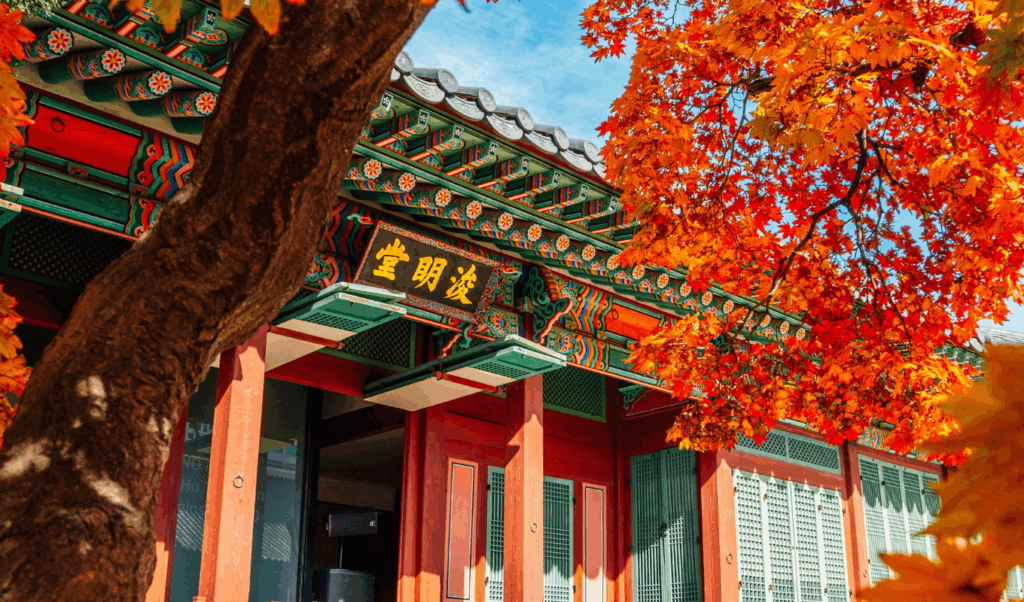
Autumn in Seoul is all about vibrant foliage, with parks and mountains bursting into shades of orange, red, and yellow. October is a prime month for hiking, especially in places like Bukhansan National Park, thanks to its cool, dry weather. By September, the monsoon rains taper off significantly, with rainfall dropping to about 5.5 inches, making for sunnier and more stable conditions.
This season also hosts some of Seoul’s most cherished traditions. Chuseok, the Mid-Autumn Harvest Festival, takes place in September or early October, though it often leads to busy travel as locals visit family homes. In November, the Seoul Lantern Festival illuminates the Cheonggyecheon Stream with stunning paper lanterns and LED displays. Be prepared for colder nights in November, with average lows dipping to around 22.5°F (-5°C). Layered clothing is a must for this time of year.
Must-See Attractions in Seoul
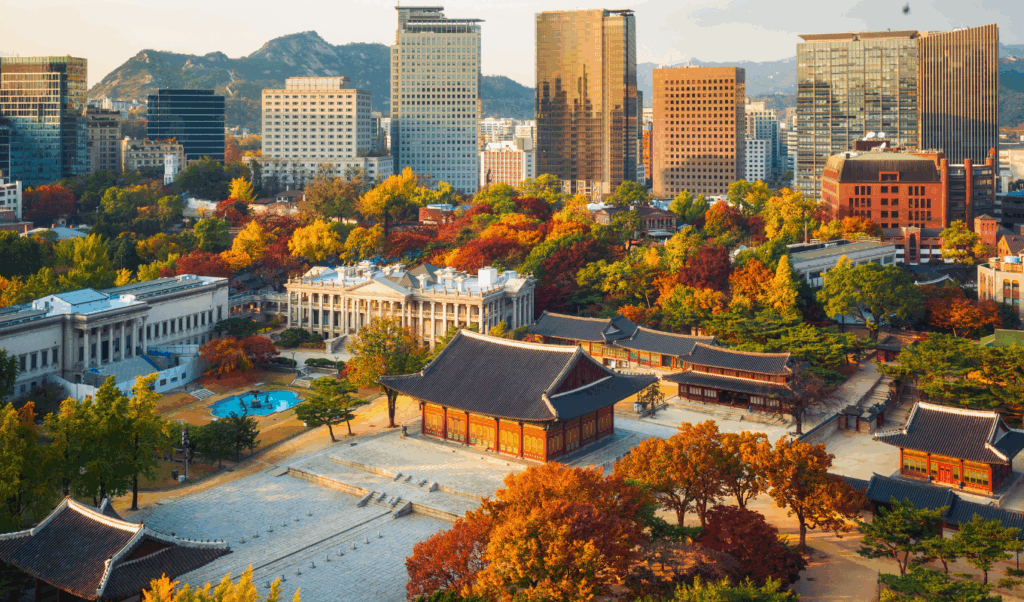
Seoul masterfully blends ancient traditions with cutting-edge modernity. From historic palaces to futuristic skyscrapers, the city offers an unforgettable journey through time and innovation.
Historical Sites
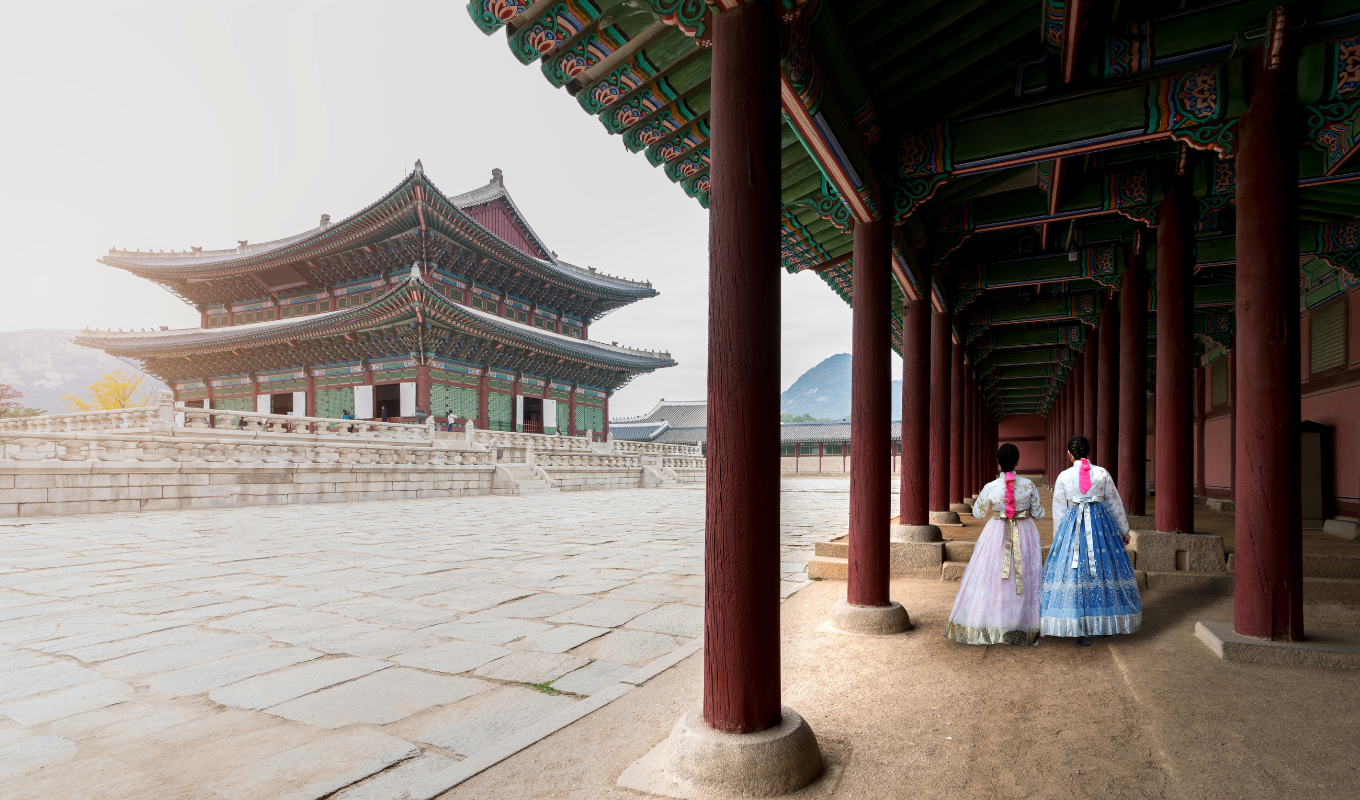
Start your exploration at Gyeongbokgung Palace, a landmark steeped in history since 1395. This iconic palace boasts impressive halls like Geunjeongjeon (Throne Hall) and the serene Gyeonghoeru Pavilion, set on a lotus pond supported by 48 stone pillars. If you visit at 10:00 AM or 2:00 PM, you can catch the Royal Guard Changing Ceremony at Gwanghwamun Gate. Admission is just ₩3,000 (about $2.25), but wearing a hanbok (traditional Korean attire) grants you free entry. Keep in mind, the palace is closed on Tuesdays.
For a quieter, equally captivating experience, head to Changdeokgung Palace, a UNESCO World Heritage site. Its “Secret Garden” (Biwon), spanning 78 acres, is a peaceful escape. For just ₩10,000 (around $7.50), you can buy an integrated ticket that grants access to four palaces and the Jongmyo Shrine, valid for three months.
Nearby, Bukchon Hanok Village offers a glimpse of traditional Korean life with its well-preserved hanok homes from the Joseon Dynasty. While exploring this residential area, remember to respect the locals. For a vibrant mix of shopping and tea houses, visit Insadong, where the streets close to cars on Sundays, making way for lively cultural performances.
Once you’ve soaked in the city’s deep history, it’s time to experience Seoul’s modern wonders.
Modern Landmarks
For breathtaking views of the city, visit N Seoul Tower, perched 236 meters (774 feet) above sea level on Namsan Mountain. Alternatively, marvel at the sleek design of Lotte World Tower, standing at 555 meters (1,820 feet) tall with 123 stories. Its architecture takes inspiration from traditional Korean ceramics and calligraphy.
The Dongdaemun Design Plaza (DDP), designed by the renowned Zaha Hadid, is a must-see for architecture enthusiasts. Its futuristic, flowing facade is made up of 45,000 curved aluminum panels.
Visit at night to see the structure illuminated from within. Another modern gem is the Starfield Library inside COEX Mall. With 13-meter (43-foot) bookshelves and a curved glass ceiling, it’s a booklover’s dream and an architectural delight. It’s free to enter and houses over 50,000 books.
For a serene escape, stroll along the Cheonggyecheon Stream, a 3.6-mile (5.8 km) urban waterway that runs through downtown Seoul.
If you’re craving energy and excitement, head to Myeongdong, a bustling shopping district filled with retail shops, street food, and vibrant city life.
Day Trips from Seoul
Looking to explore beyond the city? There are plenty of day trips that showcase Korea’s heritage and natural beauty.
The DMZ (Demilitarized Zone) is a top choice, located just 1 to 1.5 hours from Seoul. Highlights include the Third Tunnel, Freedom Bridge, and Dora Observatory, where you can peer into North Korea. Guided tours are essential, and you’ll need your passport for military registration. Prices start at around $50, and tours consistently earn high ratings, with over 41,450 reviews averaging 4.9/5.
For a more relaxed outing, visit Suwon Hwaseong Fortress, a UNESCO World Heritage site just 30 minutes away by KTX train (₩4,800 or ~$3.60 one-way). The fortress walls stretch 5.74 km (3.6 miles) and date back to the Joseon Dynasty. Another favorite is Nami Island, known for its tree-lined paths and botanical gardens. It’s especially stunning in the fall when the foliage bursts into vibrant colors. The island has also gained fame as a filming location for popular K-dramas.
What to Eat in Seoul
After soaking up Seoul’s iconic landmarks, dive into a food scene that perfectly blends time-honored traditions with modern twists. From sizzling grills to bustling market stalls, Seoul offers a feast for the senses, showcasing the heart of Korean cuisine.
Dishes You Should Try
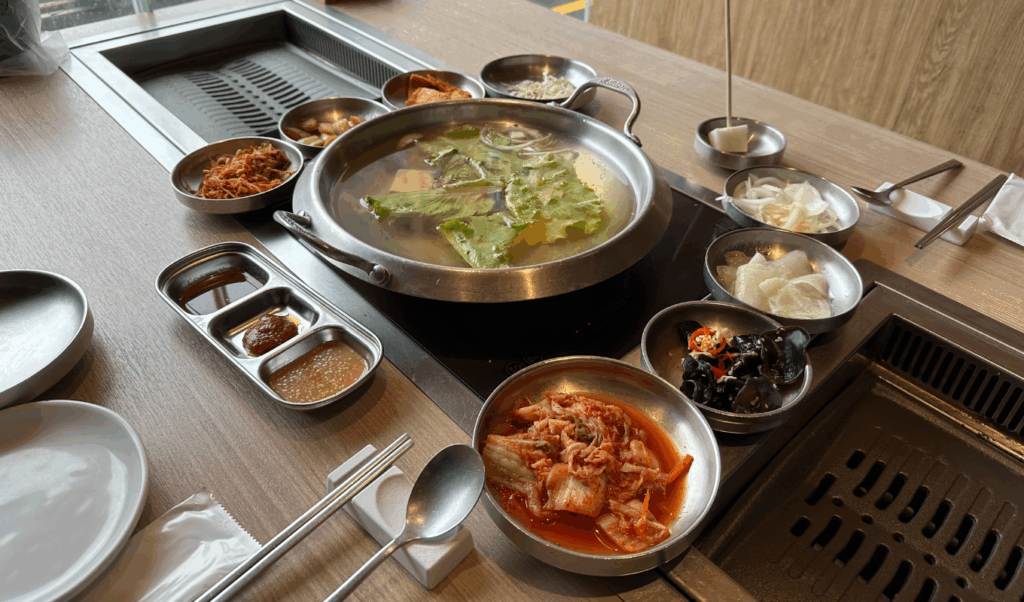
Kick things off with Korean BBQ, a hands-on dining experience where you grill your own meat at the table. Popular choices include marinated beef, pork belly (starting around ₩19,900, or ~$15), and ribs. If you’re feeling indulgent, try premium Hanwoo beef, which can cost over ₩46,000 (~$35) per serving.
Another must-try is Bibimbap, a vibrant bowl of rice topped with an array of vegetables, meat, and a dollop of spicy gochujang sauce. For something warm and comforting, opt for Kimchi-jjigae (spicy kimchi stew) or Sundubu-jjigae (soft tofu stew), both priced between ₩6,000 and ₩7,500 (~$4.50 to $5.60).
Street food is where Seoul truly shines. Tteokbokki (spicy rice cakes) is a crowd favorite, starting at just ₩2,500 (~$1.90) for two servings. Sweet tooth? Try Hotteok (pancakes stuffed with brown sugar and cinnamon), priced at ₩1,000 to ₩1,500 (~$0.75 to $1.15). Other street food staples include Odeng (fish cakes), Gimbap (seaweed rice rolls for ₩3,000 or ~$2.25), and Bindaetteok (savory mung bean pancakes at ₩5,000 or ~$3.75).
For noodle lovers, Naengmyeon (cold buckwheat noodles) is a refreshing choice for hot days. Or visit Myeongdong Kyoja, a spot famous since 1966 for its hearty Kalguksu (knife-cut noodles). And don’t miss Chimaek – fried chicken paired with beer – often enjoyed as a casual picnic along the Han River.
Where to Eat
For an authentic street food experience, head to Gwangjang Market, one of Seoul’s oldest markets, established in 1905. Here, you can savor Bindaetteok, Mayak Kimbap (bite-sized rice rolls), and knife-cut noodles. The best times to visit are before 11:00 AM or in the late afternoon, as the lunch rush from 12:00 PM to 3:00 PM can get intense. Keep in mind that meals are typically enjoyed at standing tables rather than on the go.
If you’re after a modern twist on street food, Myeongdong is the place to be. You’ll find trendy bites like “gamja” (potato) hot dogs, grilled lobster, and egg bread. For something interactive, visit Tongin Market and try the “Dosirak Cafe” system: exchange ₩5,000 (~$3.75) for coins to create your own custom lunchbox.
For premium Korean BBQ, check out Majang Meat Market, which specializes in fresh Hanwoo beef. If you’re craving ginseng chicken soup, Tosokchon near Gyeongbokgung Palace is a top choice for Samgyetang. For authentic North Korean-style Naengmyeon with a rich beef broth, visit Woo Lae Oak.
Seafood lovers should explore Noryangjin Fish Market, where you can pick fresh fish on the ground floor and have it prepared upstairs for a small fee. For handmade Gaeseong-style dumplings, stop by Gaeseong Mandu Koong in Insadong, a spot recognized with a Bib Gourmand award.
With these incredible dining options, you’re all set to explore Seoul’s neighborhoods and enjoy the city’s vibrant atmosphere.
Where to Stay in Seoul
Where you stay in Seoul can shape your entire trip. With 25 districts and over 420 neighborhoods to choose from, each area offers its own vibe and advantages. Whether you’re here for historic sites, shopping, or nightlife, picking the right spot can make all the difference.
Myeongdong: Central and Convenient for First-Timers
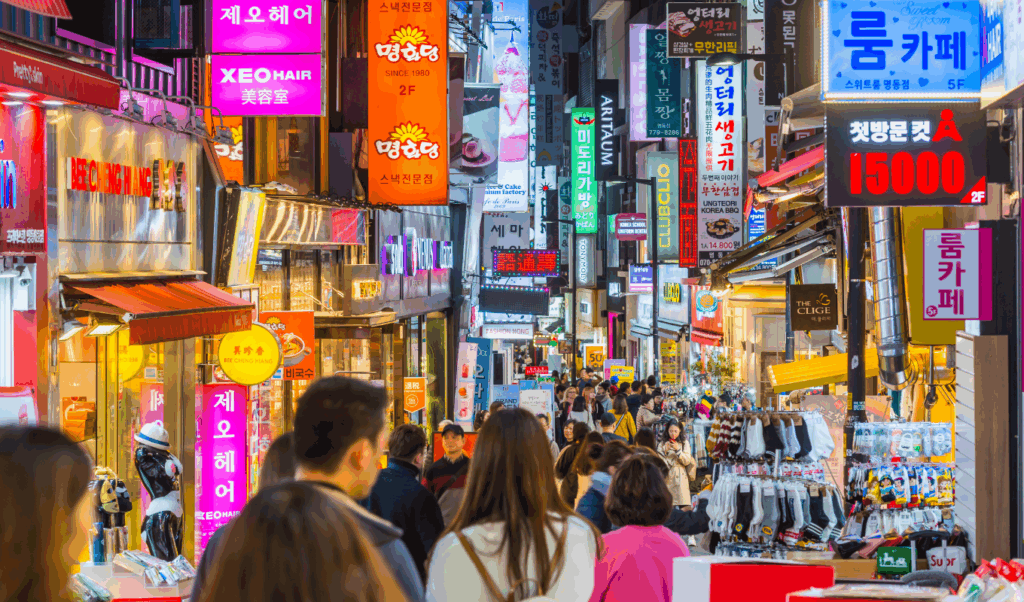
If it’s your first time in Seoul, Myeongdong is a fantastic choice. Known for its central location and excellent transit options, this bustling district is connected by Myeongdong Station (Line 4) and offers direct airport bus access. It’s also within walking distance of iconic landmarks like palaces and markets.
Myeongdong is a shopper’s paradise, packed with international brands, K-beauty stores, and street food vendors at every corner. However, convenience comes at a price. A 4-star hotel here averages around ₩255,500 (~$190) per night, while 3-star options cost about ₩162,000 (~$120). The area is tourist-heavy, which locals often avoid, but its English-friendly services and centrality make it hard to beat for first-time visitors.
Hongdae: A Hotspot for Nightlife and Creativity
Hongdae, home to the youthful energy of Hongik University, is perfect for those looking for vibrant nightlife and an artsy vibe. The area buzzes with street performers, indie galleries, and late-night food stands, offering a dynamic, youthful atmosphere.
One major perk? Hongik University Station connects directly to Incheon Airport via the AREX train, so you can dive straight into the action as soon as you arrive. Just be prepared for some late-night noise – this neighborhood stays lively well into the early hours.
Insadong: A Peaceful Retreat Near Historical Gems
For a quieter, more traditional experience, Insadong is the place to be. Close to Seoul’s historical heart, this area features traditional tea houses, art galleries, and antique shops. Anguk Station (Line 3) provides easy access to major attractions like Gyeongbokgung Palace, Bukchon Hanok Village, and Jogyesa Temple.
While the main street is known for its Korean crafts and souvenirs, the side alleys hide charming hanok guesthouses where you can sleep on heated ondol floors for a more authentic stay. Prices are mid-range, and the area winds down earlier than others, making it ideal for those prioritizing culture over nightlife.
Here’s a quick overview of these neighborhoods:
| Neighborhood | Best For | 3‑Star Rate | Key Draw |
|---|---|---|---|
| Myeongdong | First-time visitors, Shoppers | ~$120 | Central location; K‑beauty; street food |
| Hongdae | Youth; Nightlife | Budget-friendly | Clubs; busking; indie cafes; AREX access |
| Insadong | Culture lovers; Families | Mid-range | Tea houses; galleries; palace proximity |
Each neighborhood offers a unique way to experience Seoul, so choose the one that aligns with your travel style.
How to Get Around Seoul
Seoul boasts one of the world’s most efficient public transportation systems, making it incredibly easy to explore the city without needing a car. Whether you’re visiting top attractions or hopping between neighborhoods, getting around is both straightforward and budget-friendly.
Subway and Buses
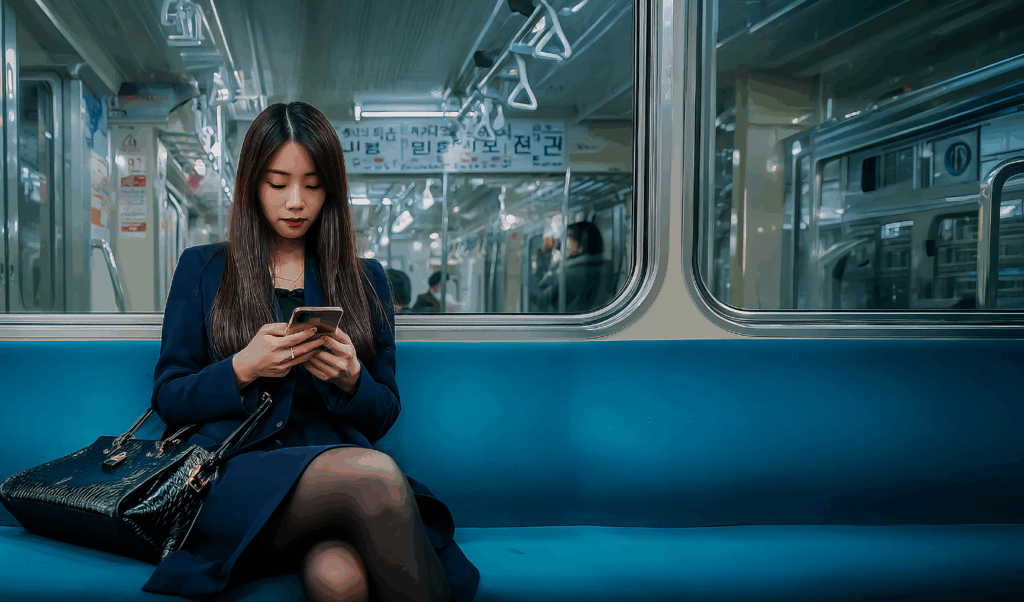
The Seoul Metro is the fastest and most convenient way to navigate the city. With over 20 color-coded lines and hundreds of stops, the metro operates from roughly 5:30 AM to midnight. English signs and announcements are available throughout the system, ensuring even first-time visitors can travel with ease.
For seamless travel, grab a T-money card, which works across subways, buses, taxis, and even for small purchases. These cards cost between ₩2,500 and ₩5,000 and are available at the airport, subway stations, or convenience stores like CU, GS25, and 7-Eleven. The base subway fare starts at ₩1,550 (about $1.15) for the first 6 miles. Make sure to tap your card both when entering and exiting to avoid extra charges and to take advantage of free transfers between subways and buses – up to four times within 30 minutes. If you plan on taking multiple rides, consider a Climate Card, which offers unlimited travel for ₩5,000 (~$3.75) per day or ₩20,000 (~$15) for seven days.
Keep in mind that recharging your T-money card requires cash, which can be done at subway kiosks or convenience stores. Seoul’s buses are another great option, with color-coded routes: blue and green for major and local routes (₩1,500), yellow for circular tourist routes (₩1,400), and red for rapid suburban services (₩3,000). For late-night travelers, “N” buses operate from midnight to 5:00 AM for ₩2,500. To navigate with ease, download KakaoMap or Naver Map, as Google Maps is not reliable in Korea.
If the subway doesn’t cover your destination, there are other options to consider.
Taxis and Walking
For areas not easily accessible by metro, taxis or walking are excellent choices. Taxis in Seoul are safe, plentiful, and relatively affordable. With over 70,000 taxis in operation, finding one is rarely an issue. Regular taxis – distinguished by their orange, silver, or white colors – start at ₩4,800 (about $3.60) for the first mile. If you’re traveling with a group, splitting the fare can make a short taxi ride nearly as economical as taking the subway.
To make things even easier, use the Kakao T app to book rides. The app provides upfront pricing and driver details, helping you avoid any communication issues or fare confusion. Most taxis accept T-money cards, credit cards, or cash. However, black “Deluxe” taxis, which start at ₩7,000, are best avoided unless you need more space or an English-speaking driver. Be aware that late-night rides between midnight and 4:00 AM come with a 20% to 40% surcharge.
For exploring specific neighborhoods, walking is highly recommended. Areas like Bukchon Hanok Village, Hongdae, and Insadong are best experienced on foot, where you can stumble upon hidden gems like alleyway murals, charming cafes, and local shops that you’d miss from a train window. Seoul is a pedestrian-friendly city with well-maintained sidewalks, though subways can get uncomfortably crowded during rush hours (7:30 AM–9:30 AM and 6:00 PM–8:00 PM).
With such an extensive and user-friendly transit system, exploring Seoul is both easy and enjoyable.
Tips for First-Time Travelers
How to Find and Save on Flights
If you’re planning a trip to Seoul, snagging affordable flights is all about timing. Book your tickets early and steer clear of peak travel times, like Lunar New Year and Chuseok, when demand – and prices – skyrocket. Most international flights land at Incheon International Airport (ICN), while Gimpo International Airport (GMP) mainly handles domestic routes and short-haul flights from countries like Japan and China.
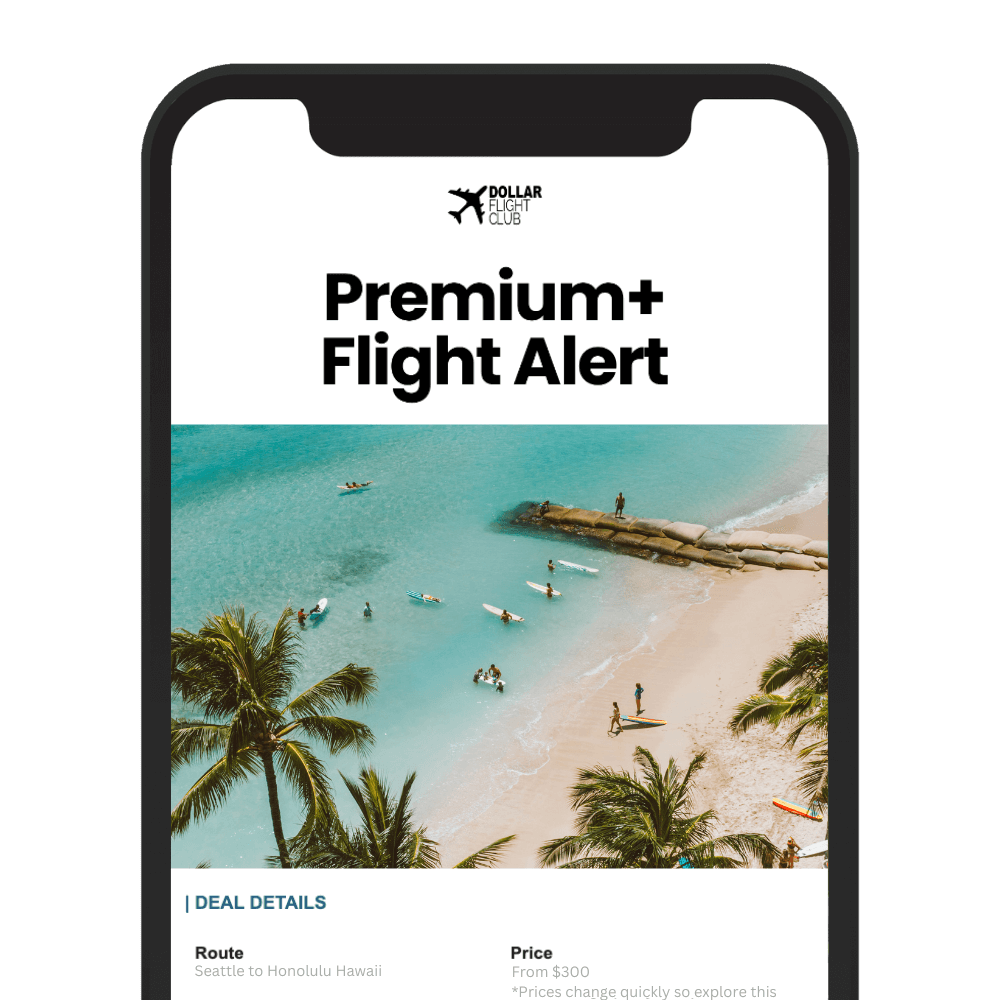
To score the best deals, consider signing up for services like Dollar Flight Club. They send alerts for discounted fares to Incheon, including mistake fares and exclusive offers, with savings of up to 90%.
Helpful Apps and Tools
Once you’ve booked your flight, make navigating Seoul a breeze with a few must-have apps. While the city boasts an efficient transit system, local apps like Naver Maps and Kakao Taxi can make your journey smoother. Naver Maps is your go-to for walking, driving, and transit directions, especially since Google Maps has limited functionality in South Korea. If you need to hail a ride, Kakao Taxi is reliable and easy to use.
For communication, KakaoTalk is a vital tool, as many businesses use it for reservations and customer support. When it comes to translations, Papago often outperforms Google Translate for Korean, offering features like real-time menu and sign translations through your phone’s camera. Planning day trips? Download KorailTalk for train bookings, and consider setting up an eSIM for instant data access.
Local Customs and Practical Advice
Understanding local etiquette can deepen your appreciation of Korean culture. For example, when giving or receiving anything – be it money, a credit card, or a gift – use both hands to show respect. At meals, wait for the oldest person at the table to start eating before you pick up your chopsticks. And never stick chopsticks upright into a bowl of rice; this resembles a funeral practice.
To get a server’s attention in restaurants, say “yeo-gi-yo” (“over here”) or press the call button often found at tables. When visiting street markets or food stalls, carrying cash is a good idea – some vendors charge an extra 10% for card payments. It also helps to know a few basic Korean phrases like “annyeonghaseyo” (hello) and “gamsahabnida” (thank you) to show respect. On public transit, avoid sitting in seats reserved for the elderly, disabled, or pregnant women, even if the train seems empty – it’s considered very disrespectful. Lastly, tipping isn’t customary in South Korea and might even confuse service workers.
With these tips in mind, you’ll be well-prepared to enjoy your first adventure in Seoul.
Conclusion
Seoul is a city where the past and future coexist in a stunning tapestry. Imagine strolling through ancient palaces like Gyeongbokgung, only to find yourself a short walk away from dazzling skyscrapers or bustling neon-lit markets. With nearly 10 million people calling it home, Seoul offers an experience that’s unlike any other. Whether you’re hiking in Bukhansan National Park as the sun sets or diving into the latest trends in Seongsu-dong, every corner of this city holds the promise of something memorable.
To make the most of your trip, timing and preparation are key. Aim to visit during spring or fall for comfortable weather, and make local transit cards and translation apps your best friends. Choose your base depending on what you’re after: Myeongdong is perfect for convenience, Hongdae pulses with energy and nightlife, while Insadong offers a more traditional, peaceful vibe.
Don’t miss out on Seoul’s incredible food scene, which ranges from lively street markets to chic cafes. And keep in mind a few local customs: use both hands when exchanging items, skip tipping, and respect reserved subway seating. These small gestures will help you connect with the city on a deeper level.
If you’re looking to save on travel, sign up for Dollar Flight Club to snag flight deals – up to 90% off – to Incheon International Airport. With affordable flights and this guide, you’ll be ready to explore a city that blends innovation with tradition.
Seoul is a place that honors its roots while looking ahead. Pack smart, charge your devices, and get ready for an adventure you’ll never forget.
FAQs
What are the must-try street foods in Seoul?
Seoul’s street markets are a haven for food enthusiasts, brimming with mouthwatering snacks that highlight authentic Korean flavors. If you visit, make sure to try tteokbokki – spicy rice cakes that strike a balance between savory and slightly sweet, with a kick of heat that keeps you coming back for more. Another must-try is odeng (fish cake skewers), often paired with a comforting, warm broth that feels like a hug in a bowl. These classics are easy to find in lively spots like Gwangjang Market.
Craving something sweet? Hotteok is a crowd favorite – a crispy, golden pancake stuffed with a gooey mixture of brown sugar, nuts, and cinnamon. And for something soul-warming, especially on chilly days, there’s eomuk guk (fish cake soup), a simple yet satisfying dish. Strolling through these markets isn’t just about the food – it’s a full sensory experience that immerses you in the vibrant energy of Seoul’s street food culture.
What’s the best way to get around Seoul using public transportation?
The easiest way to navigate Seoul is by using its highly efficient public transportation system. Start with a T-money card – a rechargeable transit card that works seamlessly across subways, buses, and even taxis. You can grab one at convenience stores like CU, GS25, 7-Eleven, Ministop, or at subway stations and Incheon Airport.
Seoul’s subway system is extensive and user-friendly, with clear signage in both Korean and English. To dodge the busiest times, try to avoid rush hours (weekdays from 8–9 a.m. and 6–7 p.m.). For real-time directions, apps like KakaoMap are incredibly helpful and offer English support.
If you’re coming from Incheon International Airport, the AREX train is a quick and budget-friendly way to reach the city. Need to travel late at night or prefer a direct route? Taxis are plentiful and a convenient alternative.
When is the best time to visit Seoul for cultural experiences?
If you’re planning a trip to Seoul, spring (March to May) and fall (September to November) are the standout seasons for cultural adventures. In spring, the city bursts into life with breathtaking cherry blossoms, especially in spots like Yeouido Park and Namsan. These scenic views set the stage for lively festivals and outdoor activities. Plus, the mild temperatures make it an excellent time to explore historic landmarks, traditional villages, and bustling markets without breaking a sweat.
Fall, on the other hand, transforms Seoul into a palette of vibrant autumn colors. The crisp, pleasant weather is perfect for sightseeing, whether you’re wandering through parks or attending cultural events like the Seoul Lantern Festival in November. These seasons not only offer stunning landscapes and exciting activities but also come with fewer crowds compared to the humid summer months, allowing for a more laid-back and immersive experience in the city.