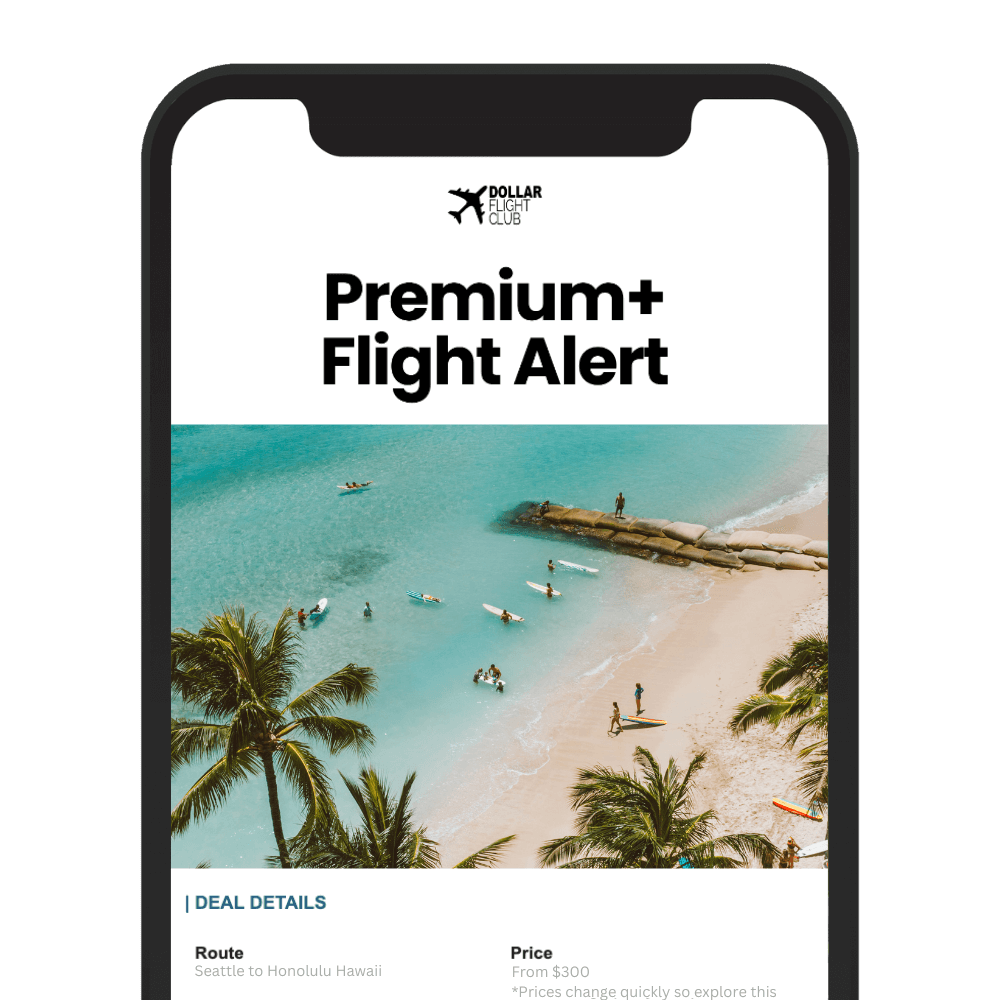

Timing matters when booking flights. Prices fluctuate based on demand, season, and how far in advance you book. To save money, follow these key tips:
- Domestic Flights: Book 1–3 months before departure. The best fares appear around 43 days out.
- International Flights: Plan ahead. Book 2–8 months in advance, with the sweet spot often being 4 months out.
- Peak Travel Periods: For holidays like Thanksgiving or Christmas, book 4–6 months early to avoid price spikes.
- Best Days to Fly: Midweek flights (Tuesdays and Wednesdays) are generally 10–20% cheaper than weekends.
- Cheapest Days to Book: Sundays often offer the best deals.
For each month:
- January–March: Look for post-holiday discounts. Book spring break flights by February.
- April–June: “Shoulder season” offers lower prices. Book 1–3 months ahead for domestic, 2–8 months for international.
- July–August: Summer travel is expensive. Book 3–6 months early for domestic, 4–10 months for international.
- September–November: Fall brings lower fares. Plan Thanksgiving flights by mid-October.
- December: Book Christmas flights by late October for the best rates.
Flying on the holiday itself (e.g., Christmas Day) can also save money. Use price alerts and flexible dates to maximize savings.

The Best Booking Window for Flights
When it comes to booking flights, timing is everything. Whether you’re planning a domestic trip or an international adventure, knowing how to find cheap flights and the right time to book can make a big difference in your travel budget. Airline prices fluctuate constantly based on factors like demand, competition, and seat availability, so understanding these patterns helps you avoid overpaying.
Domestic Flights: 1–3 Months in Advance
For flights within the U.S., the ideal timeframe to book is between 34 and 86 days before departure, with the absolute best deals usually appearing about 43 days out. Booking during this window can save you around 25% compared to last-minute fares. Airlines on domestic routes adjust prices more frequently due to higher competition, so they aim to fill seats quickly.
If you can avoid it, steer clear of booking within 1 to 14 days of departure, as prices generally skyrocket due to the urgency of last-minute travel.
Timing your travel days can also lead to extra savings. Midweek departures, especially on Tuesdays or Wednesdays, tend to be more affordable. Flying on a Tuesday, for example, is 14% cheaper than on a Sunday, and midweek travel overall costs about 13% less than weekend flights. Booking your ticket on a Sunday can also save you up to 21% compared to other days of the week. For holiday travel, these savings can climb even higher, exceeding $100 per ticket during peak periods.
Now, let’s see how this changes for international travel.
International Flights: 2–8 Months in Advance
For international trips, you’ll need to plan further ahead. The ideal booking window spans 2 to 8 months before departure. For long-haul destinations like Asia or Oceania, aim for 5 to 7 months in advance. Since international routes usually face less competition, airlines tend to offer their best prices earlier to lock in travelers.
Booking too early or too late can cost you. The sweet spot for many international flights is around 4 months before departure, with fares often spiking once you’re within 50 days of your trip. Airlines typically adjust prices significantly 6 to 8 weeks out, so this is your last chance to grab a deal before prices rise due to limited seat availability. Setting up price alerts about 5 to 6 months ahead can help you monitor fluctuations and snag a bargain when fares drop.
Peak travel periods, however, require even more careful planning.
Booking Earlier for Peak Travel Seasons
Peak travel seasons – like summer vacations, Thanksgiving, Christmas, and spring break – demand earlier bookings to avoid inflated prices and sold-out flights. For these high-demand times, aim to book 4 to 6 months in advance.
- Thanksgiving: The best deals appear 24 to 59 days before departure, so try to book by mid-October.
- Christmas: Plan to book 32 to 73 days ahead, ideally before Halloween, for the lowest prices.
- Spring break: Domestic flights are cheapest 28 to 61 days before travel, with the best deals showing up around 43 days out.
Traveling on the actual holiday – like Thanksgiving Day or Christmas Day – can also lead to significant savings, as most people prefer to arrive at their destination beforehand. For spring break and other busy periods, midweek travel can save you more than $60 per ticket, making it a smart choice for budget-conscious travelers.

When to Book Flights for Each Month of the Year
Airline ticket prices tend to follow seasonal patterns, influenced by demand, holidays, and weather. Knowing when to book can make a big difference in how much you pay. Here’s a month-by-month breakdown to help you time your flight bookings effectively.
January–March: Post-Holiday Discounts and Spring Break Prep
January often brings lower airfares as demand drops after the holiday rush. Airlines slash prices to fill seats, making it a great time to book future trips. If you’re planning a summer getaway to Europe, start looking in January – up to 11 months ahead – for better deals.
February still offers affordable fares for immediate travel. However, if you’re eyeing spring break trips, you’ll need to plan differently. Deals for March and April travel usually pop up between November and February. For domestic spring break flights, aim to book 28–61 days in advance to snag the best rates. By March, as spring break ramps up, prices rise. Planning ahead and choosing the cheapest day to fly can save you 10–20% compared to weekend flights.
April–June: Shoulder Season Savings
April and May fall into the “shoulder season”, a quieter period before summer crowds arrive. During this time, airlines often lower fares to attract travelers. For domestic trips, book 1–3 months ahead, and for international destinations, aim for 2–8 months in advance.
June marks the beginning of summer travel, with prices climbing as schools let out. If you’re planning a June trip, booking 3–6 months ahead can help you avoid the steep increases.
July–August: The Summer Travel Surge
Summer is the busiest (and priciest) time for air travel, driven by family vacations and increased demand. For domestic flights in July and August, plan to book 3–6 months in advance. International trips, especially to popular destinations like Greece and Italy, may require booking 4–10 months ahead. For European travel, starting your search up to 11 months before departure can pay off. After mid-August, fares often drop as schools reopen.
September–November: Fall Bargains
Fall is an excellent time to travel if you’re looking for deals. September and October are part of the shoulder season, offering mild weather, fewer crowds, and lower fares. Airlines typically reduce prices during this slower travel period, making it a smart choice for flexible travelers.
In November, Thanksgiving travel requires early planning. The best deals usually appear 36 to 74 days before departure, with the sweet spot around 52 days. Booking by mid-October is ideal for securing Thanksgiving flights. Interestingly, flying on Thanksgiving Day itself often leads to cheaper fares compared to the days before or after the holiday.
December: Holiday Travel Strategies
December is one of the most expensive months to fly, thanks to holiday travel demand. For domestic flights during Christmas and New Year’s, aim to book 51 to 58 days in advance. For international trips, plan 6 to 12 weeks ahead. A handy tip: follow the “Halloween Rule” – book your winter holiday flights by October 31 to avoid the steep price hikes that kick in during November.
After December 26, some last-minute deals might appear, but flying on Christmas Day or New Year’s Day often results in lower fares. Avoid returning on the Saturday after Christmas, as it’s typically one of the priciest and busiest travel days of the year.
| Holiday Period | Domestic Booking Window | International Booking Window |
|---|---|---|
| Thanksgiving | 36–74 days (Target: 52 days) | 6–10 weeks |
| Christmas/New Year | 51–58 days | 6–12 weeks |
| Summer (June/July) | 3–6 months | 4–10 months |

Booking Flights to International Destinations
When it comes to international travel, timing is everything. Unlike domestic trips, these journeys often require planning months in advance, typically 2–8 months before departure, depending on the destination. Prices can fluctuate significantly due to regional events, weather, and local holidays, sometimes doubling during peak periods. Understanding these patterns can help you avoid overpaying and snag the best deals.
Europe: Summer vs. Shoulder Seasons
If you’re planning a European summer getaway (June–August), it’s wise to book 5–8 months ahead. For instance, a trip to Paris in July should ideally be booked in January or February. Summer fares on popular routes often climb to around $1,200 because of school vacations and heavy tourism.
For better savings, consider traveling during the shoulder seasons – April–May or September–October. Fares during these months can be 30–60% lower than summer peaks. For example, September flights to Paris may drop to $600–$800. Booking 3–5 months ahead works best for these periods. Plus, flying midweek (Tuesdays or Wednesdays) can shave an extra 10–20% off your ticket price compared to weekend departures.
| Season | Months | Booking Window | Savings |
|---|---|---|---|
| Peak Summer | June–August | 5–8 months | Highest prices |
| Shoulder | April–May | 3–5 months | ~30% lower than summer |
| Shoulder | September–October | 3–5 months | 40–60% lower than summer |
Asia: Lunar New Year and Off-Peak Deals
Asia’s airfare trends revolve heavily around holidays like Lunar New Year, which usually falls in January or February. Prices can double during this period, with a flight to Tokyo that costs $700 in October surging to $1,500 or more around the holiday. Avoid booking 1–2 months before Lunar New Year to sidestep these spikes.
For better prices, target quieter months like August through November or the post-holiday period in late January. Booking 3–5 months ahead during these off-peak times can save you up to 50%. Flexibility also helps – adjusting your travel dates by a few days or opting for midweek flights often leads to even greater discounts.
Next, let’s shift to South America, where festivals and weather patterns play a big role in airfare pricing.
South America: Carnival and Seasonal Trends
Carnival in Brazil, held in February or March, causes airfare to skyrocket by 50–100% due to intense demand. A flight that costs $500 in May could jump to $900–$1,200 during Carnival week. If you’re planning to join the festivities, book 4–6 months in advance to lock in better rates.
If you’d rather avoid the Carnival rush, consider traveling during shoulder seasons like April–May or September–October. In Peru, the dry season (May–September) generally offers lower fares, with a booking window of 2–4 months. On the flip side, the rainy season (December–March) can bring discounts, though you’ll need to weigh the risk of weather disruptions.
Africa: Safaris and Seasonal Pricing
Planning a safari? Timing is crucial. In East Africa (e.g., Kenya or Tanzania), the dry season from June to October is peak safari time, with July flights costing around $1,400. To avoid inflated prices, book 4–6 months in advance. Southern Africa (including South Africa and Botswana) sees its peak season from May through September, so a 3–5 month booking window works best.
During the rainy off-peak season (November–March), fares can drop by 30–50%. For instance, that $1,400 Kenya flight might fall to $900 in March. However, securing availability still requires booking 2–3 months ahead. Opting for midweek flights can also help stretch your budget further.

How to Find the Lowest Airfares
When it comes to saving on airfare, timing and smart search techniques can make a big difference. Even during busy travel seasons, using the right strategies and tools can help you cut costs significantly. Here’s how you can score cheaper flights.
Set Up Price Alerts
Price alerts take the hassle out of monitoring airfare. Tools like Dollar Flight Club track prices for you and send notifications when fares drop, sometimes offering discounts of up to 90% on domestic and international flights. Members also get access to exclusive deals, travel perks, and discounts from major travel brands.
If you’re planning a holiday trip, it’s best to set up these alerts early. Experts suggest booking midweek – especially on Wednesdays – about 1–2 months before domestic trips and 3–5 months ahead for international travel to catch price drops. Airlines often release discounted fares midweek, so keep an eye out on Tuesdays and Wednesdays. To maximize your savings, adjust your travel dates and consider alternative destinations.
Be Flexible with Dates and Destinations
A little flexibility can go a long way. Shifting your travel dates by just a few days can save you 20–40%. For instance, flying on holidays like Christmas Day or Thanksgiving Day is often much cheaper than traveling the days before or after.
Flexibility with destinations can also lead to better deals. If you’re heading to Europe but don’t have a specific city in mind, compare fares to various airports. Flying into a less popular city and continuing your journey by train or a budget airline can lower your overall costs. Pair this approach with choosing the best days and times to fly for even more savings.
Book Midweek and Avoid Peak Flight Times
Timing is everything. Sundays are the cheapest day to book flights, while Fridays tend to be the priciest. For departures, midweek flights (Tuesdays and Wednesdays) generally cost 10–20% less than weekend options. Additionally, early morning or red-eye flights often come with reduced fares, especially during peak travel seasons.
| Travel Factor | Best Option | Potential Savings |
|---|---|---|
| Booking Day | Sunday | Lower fares overall |
| Flying Day | Tuesday/Wednesday | 10–20% less than weekends |
| Flight Time | Early morning/red-eye | Additional cost savings |

Conclusion
Your annual flight booking calendar can be a game-changer for planning trips. For domestic flights, aim to book 1–3 months ahead, while international travel is best planned 2–8 months in advance. If you’re traveling during peak seasons like summer or the December holidays, start even earlier. Keep in mind that January and September often bring the lowest fares due to reduced demand, while December, June, and July tend to be the most expensive months.
Flexibility is key to saving money. Flying midweek, especially on Tuesdays or Wednesdays, can lower costs by 10–20% compared to weekend flights. Opting for early morning or red-eye flights, or adjusting your travel dates – such as flying on Christmas Day instead of December 23rd – can also help you snag better deals.
Pair these strategies with price alerts and cheap flight tips to make the most of fare drops. Dollar Flight Club, for instance, sends email and SMS notifications when prices drop, sometimes offering deals of up to 90% off for both domestic and international flights. Members also enjoy exclusive discounts, travel perks, and partnerships with major travel brands.
Use your calendar to plan bookings strategically. For example, book January trips in November, plan April travel in January or February, and secure Thanksgiving flights by early October. By combining smart timing with reliable tools, you can consistently find great deals and save on airfare year-round.
FAQs
How do I know if a fare drop is real or just a short-term spike?
To figure out if a fare drop is real or just a short-term fluctuation, keep an eye on prices over several days instead of just a few hours. True price drops often follow predictable patterns – like domestic flights becoming cheaper 1-2 months before departure or international fares dipping 3-6 months out. Airlines adjust prices based on demand and how many seats are left, so tracking these trends can help you spot a lasting decrease.
Do award miles and points follow the same best booking windows as cash tickets?
Award miles and points operate differently from cash fares when it comes to booking windows. While cash ticket prices fluctuate based on demand and seasonality, the ideal timing for using miles or points depends on the airline, route, and seat availability. For domestic award flights, planning 1–3 months ahead often yields the best results. For international travel, you’ll usually need to book 3–8 months in advance to secure seats. Being flexible with your travel dates can make a big difference in snagging the best deals.
What should I do if prices rise after I book my flight?
If ticket prices go up after you’ve booked, it’s worth checking if your ticket allows for a refund or rebooking. In the U.S., airlines are required to offer a full refund if you cancel within 24 hours of booking. Additionally, some airlines may let you rebook at the lower fare without penalty if prices drop. To stay ahead, use price alert services to monitor trends, but avoid searching for the same flight repeatedly – this could lead to higher prices. Being flexible and ready to act fast can make a big difference in saving money.