Las Vegas can be overwhelming for first-time visitors, but with the right plan, you can enjoy its highlights without stress. Here’s what you need to know:
- Top Attractions: Don’t miss the Bellagio Fountains, the High Roller Observation Wheel, and gondola rides at The Venetian. Each offers a unique glimpse of the city’s charm.
- Shows in February 2026: Check out “The Wizard of Oz” and the Backstreet Boys at the Sphere, or see Cirque du Soleil’s Michael Jackson ONE at Mandalay Bay.
- Where to Stay: The Strip is ideal for first-timers with its iconic resorts and attractions, while Downtown offers cheaper options and a retro vibe. Factor in resort fees when budgeting.
- Money-Saving Tips: Use flight alerts like Dollar Flight Club, take advantage of free attractions, and look for happy hour dining deals. Use public transportation like the Deuce bus for affordable travel.
- Avoid These Mistakes: Overpacking your schedule, underestimating costs (resort fees, ATM charges, etc.), and skipping reservations for popular restaurants or shows can lead to unnecessary hassle.
- Neighborhoods Beyond the Strip: Explore Downtown Las Vegas for vintage casinos and the Fremont Street Experience, or visit the Arts District for galleries and unique dining.
Plan ahead, pace yourself, and enjoy the mix of entertainment, dining, and sights that make Las Vegas unforgettable.
Top Attractions on the Las Vegas Strip
The 4-mile stretch of Las Vegas Boulevard is brimming with experiences that showcase the city’s vibrant energy. Instead of rushing from one casino to another, take a moment to enjoy these standout landmarks. Each one reflects a unique side of Las Vegas’ dynamic personality.
The Fountains of Bellagio
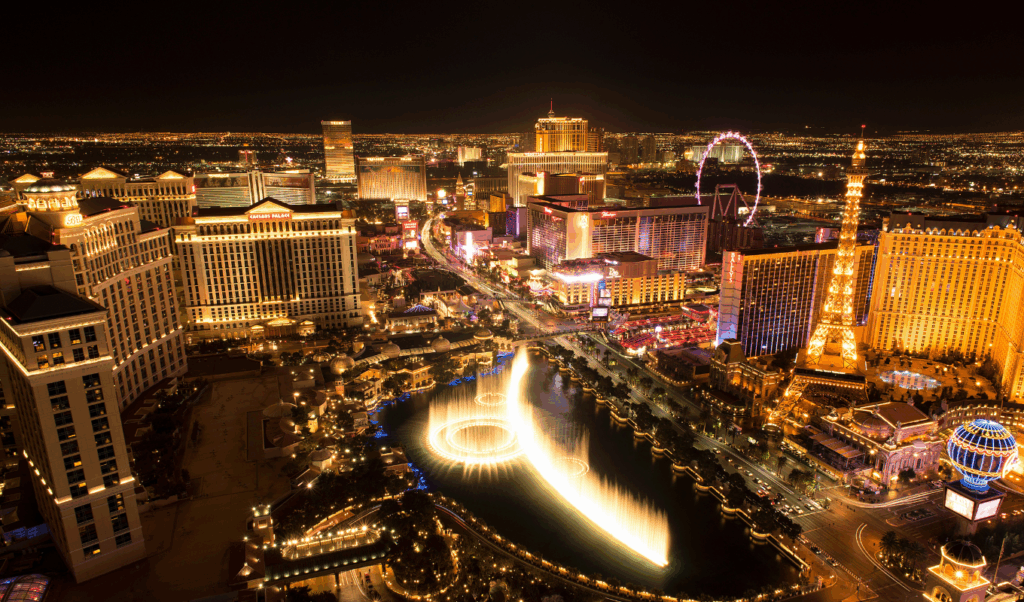
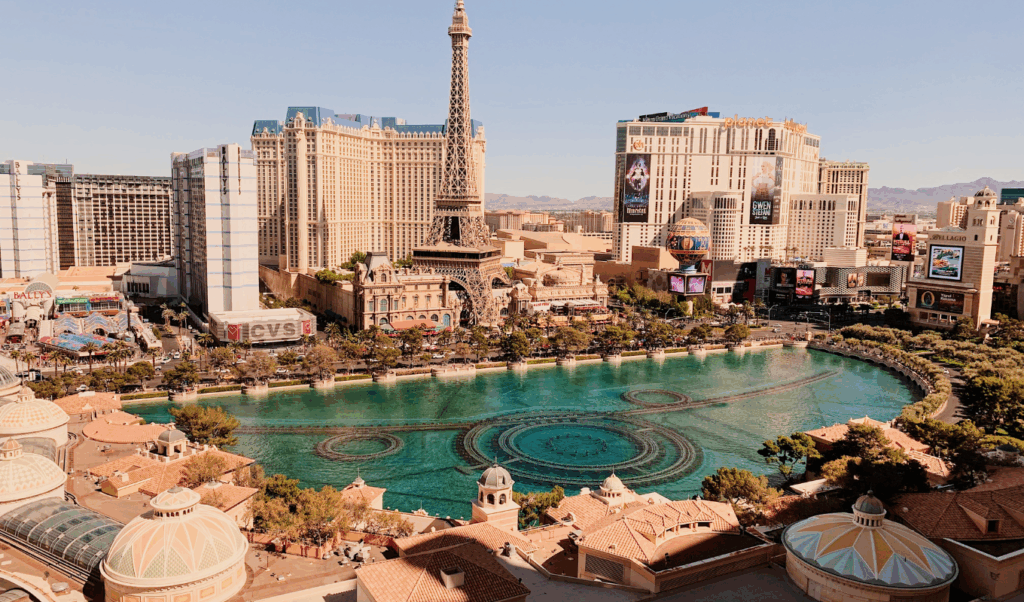
This water show is a must-see and one of the most iconic sights on the Strip. With over 1,000 fountains, the display is synchronized to music ranging from Sinatra classics to modern pop hits. Illuminated by 4,500 colored lights, the water jets can soar up to an impressive 460 feet. The choreography changes with each performance, ensuring every visit feels new.
Afternoon shows happen every 30 minutes, while evening performances run every 15 minutes from 8:00 PM to midnight. The nighttime shows, with their blend of lights and music, create an unforgettable atmosphere.
The High Roller Observation Wheel
Standing at 550 feet, the High Roller at The LINQ Promenade holds the title of the largest observation wheel in the United States. Each air-conditioned pod accommodates up to 40 passengers and offers a 30-minute ride with stunning views of downtown Las Vegas, the glittering Strip, and the surrounding mountains. For a truly magical experience, ride at night to soak in the dazzling city lights. Pro tip: Book your tickets online to avoid long lines during busy times.
The Venetian’s Gondola Rides
Want a slice of Venice in the heart of Nevada? The Venetian offers gondola rides along its Grand Canal, complete with gondoliers who serenade passengers in Italian. You can choose between indoor and outdoor routes. The indoor ride winds through the Grand Canal Shoppes and is climate-controlled, making it a perfect escape from the summer heat.
Neighborhoods Worth Visiting
While the Strip is the spotlight of Las Vegas, showcasing its glitz and glamour, venturing beyond it unveils a completely different side of the city. These neighborhoods offer a glimpse into the local heartbeat, far removed from the over-the-top tourist vibe. Downtown Las Vegas and the Arts District are standout areas where you can experience a more grounded and authentic side of Vegas. These spots are where locals gather, and they’re refreshingly walkable compared to the sprawling Strip. Together, they balance the city’s high-energy allure with a more relaxed, cultural charm.
Downtown Las Vegas and Fremont Street
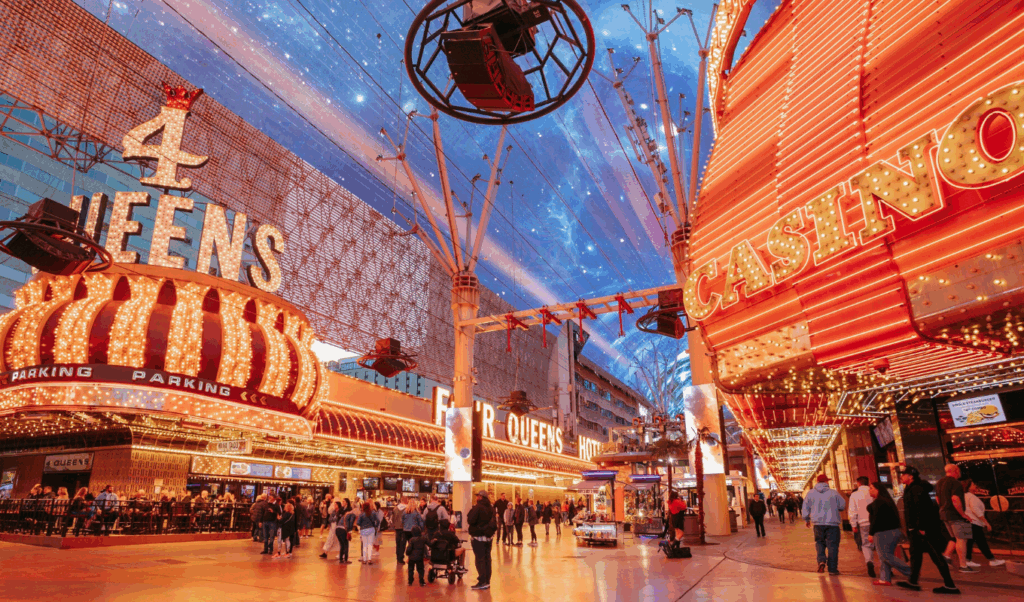
Downtown Las Vegas feels like stepping into a 1970s time capsule, keeping the city’s original gambling roots alive with vintage neon signs and retro casinos. At its center is the Fremont Street Experience, home to the world’s largest video screen – a 1,500-foot-long canopy packed with 12.5 million LED lights that dazzle visitors with synchronized displays. Unlike the Strip, where resorts can feel miles apart, Downtown’s compact layout makes it easy to explore on foot.
The area is divided into distinct zones, each offering something unique. The Fremont Street Casino District is perfect for anyone craving classic single-deck blackjack and the old-school gambling atmosphere. Venture east to the Fremont East Entertainment District, where you’ll find vibrant street art, buzzing live music venues, and the quirky Downtown Container Park, a shopping and dining hub made entirely from repurposed shipping containers. For adrenaline junkies, the SlotZilla zipline lets you soar 11 stories above Fremont Street at speeds of up to 40 mph.
History enthusiasts will love Atomic Liquors, the city’s oldest bar, dating back to 1952, where patrons once gathered to watch nuclear test explosions from the rooftop. The Mob Museum and Neon Museum are also must-visits. The Neon Museum, in particular, showcases over 200 restored vintage signs, offering a colorful dive into Vegas’s past. Getting around is a breeze thanks to the Downtown Loop, a free shuttle that connects all the major attractions.
Arts District
Just south of Downtown lies the Arts District, also known as “18b” for its original 18 blocks. This area has become a creative hub, filled with murals, independent art galleries, and a growing number of craft breweries along what’s now known as Brewery Row.
At the heart of the Arts District is The Arts Factory, a two-story space housing over 30 galleries and studios. For vintage enthusiasts, the Antique Alley Mall offers a treasure trove of finds with 65 vendors spread across 12,000 square feet. The district comes alive during First Friday (5–11 p.m.), a monthly block party showcasing local artists, live music, and food trucks. If you prefer a quieter experience, visit on “Preview Thursday” starting in the afternoon.
Food lovers will find plenty to savor here. Esther’s Kitchen, known for its house-made pasta, kickstarted the area’s dining scene, which now rivals the city’s best culinary spots. Most of the action is concentrated along Main Street, between Charleston and Colorado Avenue. Be prepared for metered street parking, which can be limited.
Where to Stay: Hotels and Areas
Choosing where to stay in Las Vegas is more than just picking a hotel – your decision shapes your entire experience. From cost to convenience and overall vibe, your hotel choice plays a big role in how you enjoy the city. The two main areas to consider are the Strip and Downtown Las Vegas.
The Strip offers the quintessential Vegas experience with its massive resorts, celebrity chef restaurants, and world-famous Cirque du Soleil shows. But don’t be fooled by how close everything looks – walking between neighboring properties can easily take 15–20 minutes. Downtown Las Vegas, on the other hand, has a retro charm, lower prices, and a compact layout that’s perfect for walking. However, staying here means factoring in a 20-minute, $15–$20 rideshare to get to most Strip attractions.
Keep in mind that most hotels charge nightly resort fees ranging from $30–$51, which aren’t included in the advertised room rates. That $99 room could end up costing over $150 after fees and taxes. First-time visitors often prefer staying at a Center Strip hotel – like Bellagio, Caesars Palace, or Paris – since they put you within 5–15 minutes of major attractions. Budget-conscious travelers might lean toward Downtown, where you’ll find lower table minimums (some casinos still offer $5 blackjack), cheaper dining options, and hotels like Four Queens that skip the resort fees entirely.
Strip vs. Downtown Hotels
Here’s a quick comparison of what you can expect from hotels on the Strip versus Downtown:
| Feature | The Las Vegas Strip | Downtown Las Vegas |
|---|---|---|
| Average Room Price | $204.22 | $104.25 |
| Vibe | Glitzy, iconic, and over-the-top | Vintage, relaxed, and party-friendly |
| Dining | High-end spots with Michelin stars and celebrity chefs | Affordable, casual eateries with a local feel |
| Gambling | Higher table minimums and high-stakes games | Lower minimums, including $5 blackjack |
| Walkability | Spread out along a 4.2-mile stretch | Compact and easy to navigate |
| Crowds | Large, tourist-heavy crowds | A lively, local vibe with Fremont Street’s party atmosphere |
| Resort Fees | $35–$50+ per night | $30–$36 per night |
Looking to save some cash? Plan your trip for midweek (Sunday through Thursday) to cut hotel costs by 30%–75%. Booking directly through a hotel’s website can also unlock perks like free parking or room upgrades that you won’t find on third-party booking sites.

How to Save Money in Las Vegas
Las Vegas doesn’t have to empty your wallet. With over 70 casinos vying for visitors, there are plenty of deals – if you know where to look. Timing your trip wisely and using the right tools can make all the difference.
Finding Cheap Flights with Dollar Flight Club
Airfare can take a big chunk out of your budget, but flight alerts can help you save up to 90%. Dollar Flight Club is a great option – it sends email and text alerts when flight prices to Las Vegas drop significantly. Members have reported savings of up to 90% on domestic and international routes. For example, in early 2026, round-trip flights started at just $53 from Los Angeles, $80 from Chicago, and $88 from Dallas.
For the best deals, plan to fly midweek and steer clear of major events like CES, the Electric Daisy Carnival, or Formula 1 Race Week. Use Google Flights’ “Date grid” and “Price graph” features to pinpoint the cheapest travel dates, and set up price tracking for automatic notifications. Traveling during shoulder seasons – late March through May or September through November – can also help you save while enjoying mild weather. If you’re flexible, consider traveling in the two weeks after Formula 1 in mid-November, when airfare often dips below $200 round-trip from major cities.
By cutting down on airfare, you’ll have more room in your budget for the fun stuff.
Using Discounts and Passes for Attractions
Once you’ve secured affordable flights, focus on stretching your dollar during your Vegas stay. Start with free attractions like the Fountains of Bellagio, the Bellagio Conservatory, the Flamingo Wildlife Habitat, and the Fremont Street Experience light shows – all of which cost you nothing. For paid entertainment, check out Tix4Tonight booths on the Strip or at the airport for same-day deals on shows. Another smart option is downloading the MyVegas app, which lets you earn rewards like free buffets, hotel discounts, and show tickets just by playing games.
Dining smartly can also save you a bundle. Many high-end restaurants offer 50% off select menu items during happy hour – try Brera Osteria from 3–5 p.m. or Scotch 80 Prime from 5–6:30 p.m.. Buffets are another great option; arrive just before they switch from brunch to dinner, and you’ll pay the lower brunch price while enjoying the dinner spread. For inexpensive meals, check out food courts or head to Chinatown on Spring Mountain Road for authentic and affordable eats.
Transportation is another area where you can cut costs. Instead of spending $30–$40 on rideshares from the airport, take RTC bus routes 108 or 109 for just $7. Once in the city, the Deuce bus offers a 24-hour pass for $8, while the Las Vegas Monorail charges $13.45 for unlimited rides in the same time frame. You can also take advantage of free trams connecting properties like Aria, Bellagio, and Park MGM. Lastly, bring a refillable water bottle to avoid paying steep resort prices for drinks.
Tourist Mistakes to Avoid
Las Vegas is a city of glitz and excitement, but a few common errors can turn your getaway into a hassle. Steering clear of these pitfalls can help you stick to your budget, avoid unnecessary stress, and make the most of your trip.
Overpacking Your Schedule
The Strip may only be 4.2 miles long, but don’t let that fool you. Walking between resorts can take up to 20 minutes, especially when factoring in crowds and the desert heat, which often soars past 100°F . Trying to squeeze too much into one day is a surefire way to burn out. Instead, plan your day in manageable chunks: visit a key attraction in the morning, take a mid-day break in the cool indoors, and save your energy for evening plans.
Underestimating Costs
Budgeting for Vegas can be tricky. Hotel rates might look appealing at first glance, but don’t forget about mandatory resort fees, which range from $25 to $50 per night (plus tax) . These fees, which often cover basics like Wi-Fi and pool access, aren’t always clear upfront.
Other expenses can also add up quickly. ATM fees on the Strip can hit $10 per transaction, cocktails at casino bars usually run $15–$20 , and even small purchases like bottled water or coffee come with inflated prices. On top of that, tipping is standard for nearly every service, from valets to cocktail servers, with 20% being the norm.
To keep costs under control, consider signing up for free Players Club cards at casinos to unlock discounts on dining and shows. For meals, venture off the Strip to Downtown or Chinatown, where prices are often half of what you’d pay in the heart of the action .
Skipping Reservations
If you think you’ll just walk into a top restaurant or snag tickets to a headliner show at the last minute, think again. Many popular spots book up weeks in advance . To avoid disappointment, make your reservations as soon as you confirm your travel dates. This is especially important during busy times like CES, which attracts over 130,000 visitors every January. Early planning ensures you won’t miss out on the experiences that make Vegas unforgettable.
Planning Tips for a Smooth Trip
Getting Around Las Vegas
Navigating Las Vegas can take more time than you might think – even a short walk between resorts can stretch to 10–15 minutes as you make your way across sprawling properties. Luckily, there are plenty of transportation options to help you get around:
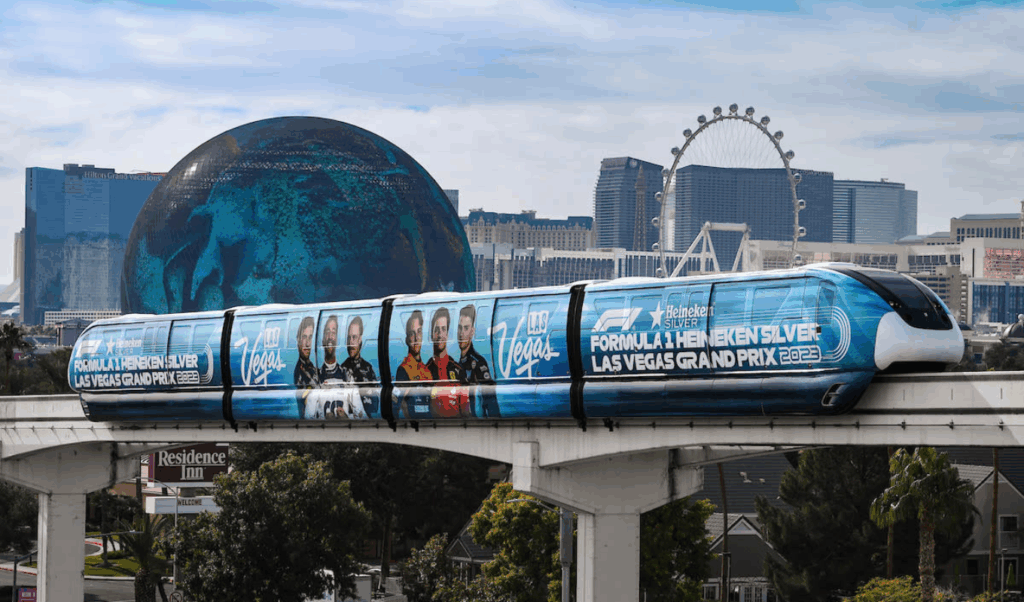
- Las Vegas Monorail: Running along the east side of the Strip, this monorail connects seven stops between MGM Grand and Sahara Las Vegas in just 13 minutes. Tickets cost about $5 for a single ride, while a 24-hour pass is available for around $13.45.
- Free Resort Trams: On the west side, three free trams link specific resorts. The Aria Express connects Bellagio, CityCenter, and Park MGM; another tram runs between Treasure Island and Mirage; and a third connects Mandalay Bay to Excalibur.
- Rideshare and Taxis: Apps like Uber and Lyft provide convenient door-to-door service, with fares from the airport to the Strip starting at roughly $10. Keep in mind that resorts have designated pickup and drop-off locations. Traditional taxis are also available at hotel stands (you can’t hail them on the street), but rides along the Strip can cost $20 or more. Renting a car isn’t always practical due to heavy traffic and high parking fees.
- Budget-Friendly Buses: The Deuce, a double-decker bus that operates 24/7, stops at nearly every resort. A 24-hour pass is just $8, making it a great option for budget-conscious travelers. If you’re heading downtown, the free Downtown Loop shuttle offers easy access to Fremont Street and the Arts District.
With these tips, you’ll be able to choose the best transit options for your itinerary.
What to Pack for Las Vegas
Packing smartly can make your trip much more comfortable, especially when exploring the city’s massive resorts. Here’s what to bring:
- Comfortable Walking Shoes: You’ll be on your feet a lot, so durable footwear is a must.
- Light Layers: Outdoor temperatures can soar past 100°F, but indoor spaces are often heavily air-conditioned.
- Sun Protection: With over 320 sunny days a year, sunscreen (SPF 30 or higher), sunglasses, and a hat are essentials.
- Refillable Water Bottle: Staying hydrated is key in the dry desert air.
- Appropriate Clothing: While most places allow casual or “spiffy-casual” attire – like nice jeans or slacks – nightclubs enforce stricter dress codes. For men, collared shirts and leather dress shoes are typically required, while sandals, flip-flops, shorts, and baseball caps are generally off-limits.
Being prepared with the right gear will help you enjoy your time in Las Vegas to the fullest.
Staying Safe
To make the most of your visit, it’s important to keep safety in mind. Las Vegas is generally safe for tourists, but its lively environment can sometimes lead to lapses in caution. Here are a few tips:
- Secure Your Belongings: In crowded areas like Fremont Street or the Bellagio Fountains, keep valuables close and secure.
- Stay Hydrated: The combination of high temperatures – often exceeding 110°F – and alcohol can lead to dehydration quickly, so drink plenty of water.
- Use Pedestrian Bridges: Always use the designated pedestrian bridges when crossing Las Vegas Boulevard to avoid traffic hazards.
- Drink Responsibly: Complimentary casino drinks can catch up with you fast. Only accept beverages from trusted servers and keep an eye on your drink at all times.
- Know the Rules for Open Containers: While open containers are allowed on the Strip, they must be in plastic rather than glass.
With these precautions in mind, you’ll be well-prepared to enjoy a safe and exciting trip.
Conclusion
Las Vegas has something for everyone, whether you’re captivated by top-tier entertainment like the Sphere, enjoy free attractions such as the Bellagio Fountains, or prefer the retro vibe of Fremont Street in Downtown. To make the most of your trip, focus on a few key experiences and take the time to understand how the city operates.
These standout experiences can help you plan a trip that’s both enjoyable and hassle-free.
As you finalize your plans, remember to book key reservations and set a realistic budget. Be sure to account for extras like resort fees, transportation, and entertainment. To stretch your budget, consider using Dollar Flight Club for discounted flights to Harry Reid International Airport. Pair affordable airfare with free attractions, players club perks, and midweek travel to get the most out of your money.
With over 40 million visitors each year and a steady stream of new attractions, Las Vegas is a city that rewards preparation. Pack wisely, pace yourself, and immerse yourself in the city’s ever-evolving energy.
FAQs
How many days do I need for a first Vegas trip?
For first-time visitors, planning a three-day stay in Las Vegas is a great way to dive into the city’s highlights. This timeframe allows you to explore major attractions, soak in the vibrant nightlife, stroll along iconic spots like the Strip, and enjoy a mix of shows, dining, and gambling. While staying longer can give you a more leisurely experience, three days is typically enough to get a solid feel for what the city has to offer.
What costs surprise first-time visitors most?
First-time visitors are often caught off guard by resort fees and the steep prices for dining, drinks, and entertainment. These additional costs can pile up fast, going well beyond what many expect. To keep things under control, it’s smart to plan ahead and set a budget for these extras.
What’s the easiest way to get around the Strip and Downtown?
The most convenient way to navigate the Las Vegas Strip and Downtown areas is by using rideshare services such as Uber or Lyft, which are readily accessible. Additionally, many hotels provide complimentary shuttle services, and the Las Vegas Monorail links several major hotels along the Strip. While walking can work for shorter distances, especially during cooler months, rideshare or public transportation is often a better choice due to the Strip’s considerable length and the intense summer heat.