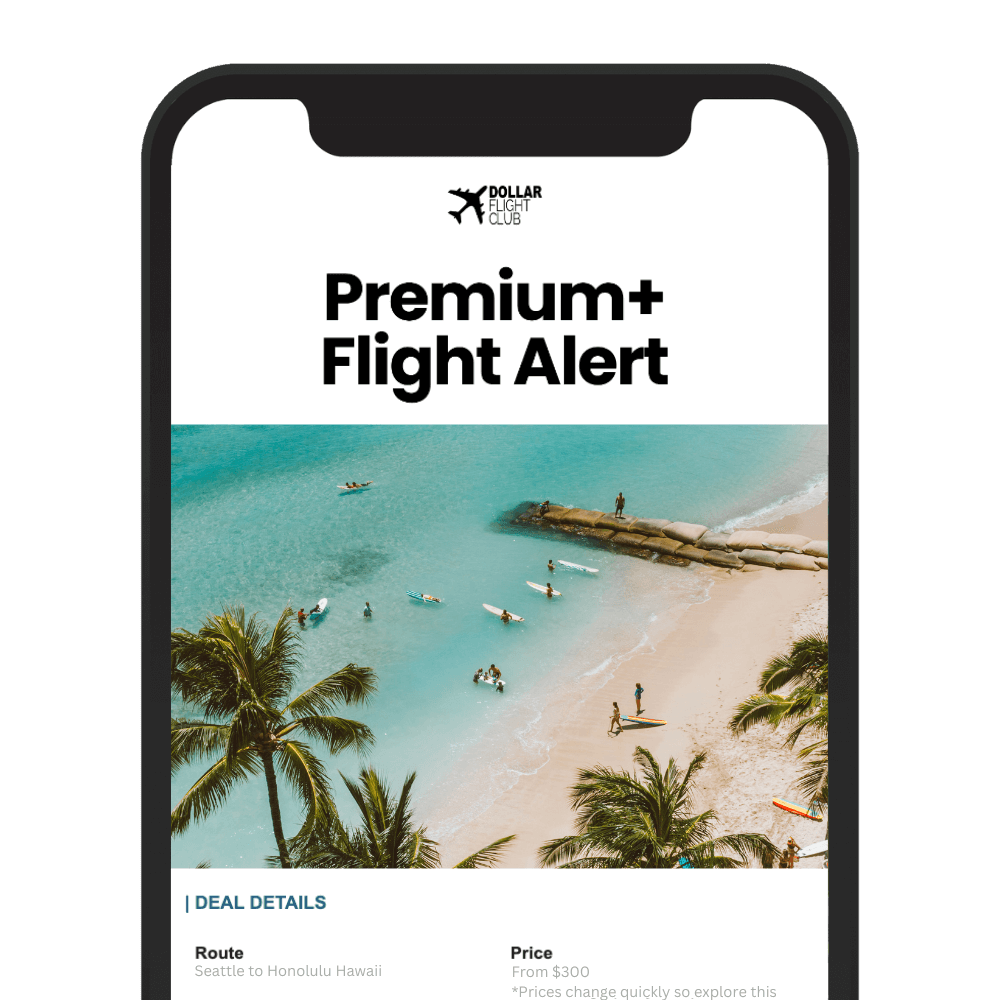

Finding cheap flights might seem simple, but common mistakes can cost you money and create unnecessary stress. Here’s what to watch out for:
- Booking at the Wrong Time: Timing matters. Domestic flights are cheapest 28–35 days before departure, and international flights 60–90 days out. Booking too early or late can cost you 15–50% more.
- Ignoring Alternative Airports: Nearby airports often offer fares up to 50% lower. Factor in transportation costs to see if the savings are worth it.
- Overlooking Hidden Fees: Budget airlines often charge for bags, seat selection, and even printing boarding passes. These extras can easily add $50–$100 or more.
- Sticking to Fixed Dates: Flexibility saves money. Shifting your travel by a day or two can cut costs by $100–$300 per ticket.
- Skipping the Final Review: Small errors, like name mismatches or wrong airport codes, can lead to expensive corrections or missed flights.
Key Tip: Tools like Google Flights, Kayak, and Dollar Flight Club can help track deals, compare airports, and avoid these pitfalls. Double-check every detail before confirming your booking to save money and avoid headaches.

1. Booking at the Wrong Time
Timing is everything when it comes to booking flights. Buy too early, and you might miss out on price drops. Wait too long, and those fares could skyrocket – sometimes doubling or even quadrupling.
Impact on Cost Savings
When it comes to domestic flights within the U.S., the ideal booking window is 28–35 days before departure. Locking in your ticket during this timeframe can save you 15–25% compared to last-minute prices. On the flip side, booking too far in advance – like six months out – could mean paying 15–25% more than necessary. For international travel, the sweet spot is typically 60–90 days before your trip, where you can save up to 20%. But if you procrastinate and book less than two weeks before departure, expect prices to spike by 30–50%.
Surveys show that 40–60% of travelers miss these windows, often overpaying by $50–$300 per ticket. Planning ahead doesn’t just save money – it can also improve your travel experience.
Effect on Travel Convenience
Booking at the wrong time doesn’t just hit your wallet – it can also limit your options. Last-minute bookings often leave you scrambling for less desirable flights. Think middle seats, red-eye departures, and long layovers. Instead of snagging that comfortable direct morning flight, you might end up with an inconvenient itinerary that adds unnecessary stress to your trip.
Practical Tips to Avoid the Mistake
Want to avoid this headache? Start by setting up price alerts with tools like Dollar Flight Club to get notified about fare drops. Use fare calendars on platforms like Google Flights or Kayak to compare prices across different dates. Also, consider flying midweek – Tuesdays and Wednesdays are often about 15% cheaper than Sundays. By staying proactive and timing your booking wisely, you’ll save money and ensure a smoother travel experience.

2. Ignoring Alternative Airports
When booking flights, many travelers default to their closest major airport, overlooking nearby alternatives that could save them hundreds of dollars. This habit can add $100–$300 to the cost of a roundtrip ticket, particularly in metro areas like New York, Los Angeles, and Chicago, where multiple airports are often within an hour’s drive.
Impact on Cost Savings
Flying from smaller, alternative airports can often cut fares by 20–50% compared to primary hubs. For example, a flight from Long Beach (LGB) or Ontario (ONT) might cost $200–$250, while the same route from LAX could be $350. Similarly, in Chicago, a traveler saved $120 on a roundtrip from Denver by choosing Midway (MDW) over O’Hare (ORD). In the Bay Area, flying into Oakland (OAK) or San Jose (SJC) instead of San Francisco (SFO) can save $50–$150 per leg.
This pattern isn’t limited to big cities. Flying into Fort Lauderdale (FLL) instead of Miami (MIA) often saves around $80. Even with an additional $25–$40 for ground transportation, the total savings can still be $40–$55. Travel experts estimate that alternative airports can offer better deals on up to 70% of domestic routes, particularly for leisure travelers.
Effect on Travel Convenience
Beyond cost, alternative airports often deliver a smoother travel experience. Smaller airports typically have shorter security lines and fewer delays. For instance, Chicago’s Midway processes passengers more quickly than O’Hare. However, ground transportation time should also be considered. For example, Newark to Manhattan takes about 45 minutes by train, while other options might add 30–60 minutes. Balancing potential savings with travel time and convenience is key to making the right choice for your trip.
Practical Tips to Avoid the Mistake
To take advantage of alternative airports, try these strategies:
- Use the best flight search engines like Google Flights or Kayak and enable the “nearby airports” option to compare options within 100 miles.
- Search using city codes (e.g., “NYC” includes JFK, Newark [EWR], and LaGuardia [LGA]) to see all available airports in a metro area.
- Calculate your total travel cost, including ground transportation ($20–$60 for rideshare or train), to see if the savings are worth it.
Additionally, services like Dollar Flight Club can alert you to deals for secondary airports, sometimes offering discounts of up to 90%. For example, a roundtrip to Oakland might save you $200 compared to flying into San Francisco. These tools make it easier to spot opportunities and avoid overpaying for convenience.

3. Missing Hidden Fees
What looks like a bargain airfare can quickly balloon in price once hidden fees are tacked on. Even experienced travelers can be caught off guard, as the base fare often doesn’t tell the full story.
Impact on Cost Savings
For budget airlines like Spirit and Frontier, add-on fees make up about 36% of their revenue. In comparison, full-service airlines like Delta and United earn around 15% from these extras. Here’s how those fees can add up:
- Carry-on bags: $20–$30 if booked early, but $60–$99 at the airport.
- Checked bags: $30–$35 online, jumping to $65 at the counter.
- Boarding pass printing: Up to $60 if done at the airport.
- Seat selection: Budget airlines charge $5–$25, while premium seating on full-service carriers can range from $50 to $150.
For example, a Spirit flight with a base fare of $150 might seem like a steal. But add a $60 carry-on fee and a $35 checked bag fee, and suddenly, you’re paying $245 – potentially more than a full-service airline ticket that includes those extras.
Practical Tips to Avoid the Mistake
To dodge these hidden costs, start by carefully reviewing what your ticket includes. Some fares only cover a personal item, while others may include carry-on or checked baggage. Always calculate the total cost of your trip, factoring in fees for bags, seat selection, and airport check-ins.
Whenever possible, book extras like baggage during your initial ticket purchase to lock in lower rates. Airport fees can nearly double your costs. Packing light is another way to save, or you might find that full-service airlines offer better overall value when extras are included. If you’re a Dollar Flight Club member, you’ll often receive alerts highlighting the true cost of fares, helping you avoid deals that look cheap but come with unexpected add-ons.

4. Sticking to Fixed Dates
Locking yourself into fixed travel dates can end up costing you a lot more than necessary. Even shifting your plans by a day or two can lead to major savings.
Impact on Cost Savings
A small change in your departure or return date – just 1 to 3 days – can save you anywhere from $100 to $300 per ticket on average. Take this real-life example: in February 2016, a traveler booked a roundtrip from Minneapolis–St. Paul to Zurich for $800. But with a bit of flexibility, nearly identical flights were available for less than $500 – over $300 in savings. Flights departing midweek, like on Tuesdays or Wednesdays, are often 15–25% cheaper than those leaving on weekends. And if you’re traveling during peak holiday seasons like Thanksgiving or July 4th, expect price hikes of 50–100%, which could add $500 or more to a domestic roundtrip.
For international trips, the difference is just as striking. A Friday summer flight to Europe might cost around $800, while midweek flights could drop to $550. On domestic routes, a Saturday flight from New York to Los Angeles could run you $400, but flying on a Tuesday might bring the cost down to $250 – a 37% savings. These examples show how being flexible with your dates can help you avoid overspending.
Practical Tips to Avoid the Mistake
The key to saving? Stay flexible. Tools like Google Flights and Kayak offer flexible date calendars that let you compare prices across an entire week. You can also set up price alerts to get notified via email or text when fares drop, so you don’t have to constantly check yourself.
For the best deals, aim to book flights 4–8 weeks in advance, and try to plan your departures for a Tuesday or Wednesday. If you’re a Dollar Flight Club member, you’ll get curated alerts highlighting the cheapest dates for specific routes, making it easier to plan trips around deals instead of locking in fixed dates. Don’t forget: U.S. flights come with a 24-hour free cancellation policy, giving you a risk-free opportunity to grab a good price and adjust your plans if a better deal pops up.

5. Skipping the Final Review
Overlooking the final review step in your booking process can turn a great deal into an expensive mistake. Just like missing hidden fees or booking errors, skipping this crucial step can undo all your careful planning.
After factoring in timing, airport choices, fees, and flexible dates, the final review acts as your safety net before confirming your travel plans.
Impact on Cost Savings
One of the most expensive slip-ups is a name mismatch. If the name on your ticket doesn’t match your government-issued ID exactly, you could face hefty correction fees or, worse, be denied boarding. Similarly, a simple mistake like entering the wrong airport code can lead to unexpected costs for additional ground transportation, such as gas or tolls. Missing key details during this step – like forgetting to add your Trusted Traveler Program number or frequent flyer account – could mean losing out on perks or miles that might save you money on future trips.
Effect on Travel Convenience
Tight connections are another common pitfall. Booking less than an hour between domestic flights or under two hours for international connections leaves little room for delays, increasing the risk of missing your next flight. Choosing an inconvenient airport can also create logistical headaches, like needing to drive 90 miles between Chicago and Milwaukee. Ignoring follow-up emails from your airline can compound these issues, as you might miss critical updates about flight time changes that could completely disrupt your travel plans.
Practical Tips to Avoid the Mistake
Before hitting “confirm”, take a moment to double-check these details:
- Ensure the name on your ticket matches your ID exactly.
- Verify travel dates, times (pay attention to AM/PM), and airport codes.
- Review the total cost breakdown to catch surprise fees for baggage, seat selection, or carry-ons.
- Include your Known Traveler Number and frequent flyer information.

Conclusion
Booking flights doesn’t have to be a gamble. The five pitfalls we discussed – booking at the wrong time, overlooking alternative airports, forgetting about hidden fees, sticking to rigid dates, and skipping the final review – can easily drain your budget. But the good news? Each one is completely avoidable with a bit of foresight.
Plan your purchase wisely, explore nearby airports for cheaper options, read the fine print to dodge surprise charges for baggage or seat selection, stay flexible with dates, and always double-check the details before hitting “confirm.” That means verifying your name, travel dates, times, airport codes, and the full cost breakdown.
Hunting for the best deals takes time, and doing it all yourself can be exhausting. Services like Dollar Flight Club can make life easier by tracking prices, comparing airports, and alerting you to mistake fares or discounts – sometimes up to 90% off. Whether you’re flying domestic or international, these alerts can save you hours of searching and hundreds of dollars.
Think of these tips as your flight booking checklist. Just like you’d never forget your passport for an international trip, don’t overlook these steps when booking. A little extra effort now can save you money and spare you the hassle later. Your wallet – and your stress levels – will be better off for it.
FAQs
How do I know if a flight price is actually a good deal?
To find a solid flight deal, start by comparing current prices to historical trends using tools designed to track fare changes over time. Setting up price alerts is another smart move – it keeps you updated on fare drops. For the best timing, aim to book domestic flights roughly 28 days before departure, while international flights are best booked about 60 days in advance. A good deal generally means snagging a ticket priced below the average fare for your specific route and travel dates, as prices can fluctuate quite a bit.
When is an alternative airport not worth the savings?
Choosing an alternative airport might seem like a smart way to save money, but it’s not always worth it. Sure, smaller airports can sometimes slash ticket prices by as much as 50%. But here’s the catch: they often come with longer drives, fewer flight options, and steeper ground transportation or parking costs. When these added expenses eat into your savings – or even cancel them out entirely – sticking with the main airport is usually the better choice.
What should I double-check before I hit “confirm”?
Before finalizing your flight, take a moment to go over these key details:
- Match your name with your ID: Ensure your name on the ticket matches your government-issued ID exactly. Even small discrepancies can cause problems at the airport.
- Confirm travel specifics: Double-check the dates, times, and airport locations to avoid any scheduling surprises.
- Review extra costs: Look into fees for things like checked baggage or seat selection so you can plan your budget accordingly.
- Understand fare rules: Pay close attention to the fine print, especially if you’re booking a basic economy ticket. These often come with strict rules about changes or refunds.
A little extra attention now can save you a lot of stress later!