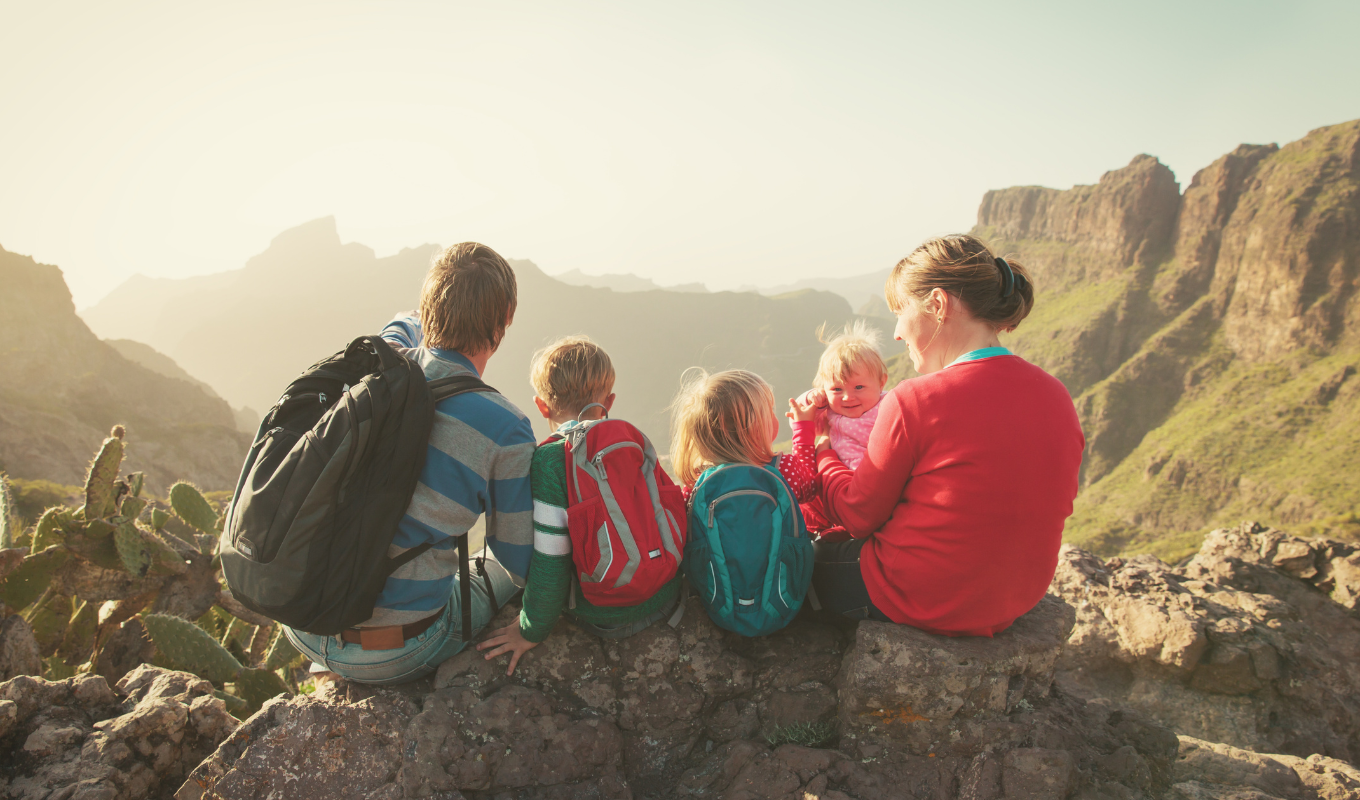
Planning a family trip to a U.S. national park? Here’s a quick guide to five parks that are perfect for kids. These parks offer short, easy trails, hands-on activities, and unforgettable landscapes. Plus, many feature free Junior Ranger programs and kid-friendly amenities like stroller-accessible paths and shuttle systems. Whether you’re looking for rock formations, waterfalls, or starry skies, these parks have something for everyone.
Top Picks for Families:
- Arches National Park (Utah): Short hikes, rock scrambling, and unique arches. Best for spring/fall visits.
- Zion National Park (Utah): Easy riverside trails and ranger-led nature programs. Ideal in spring or fall.
- Yosemite National Park (California): Waterfalls, sequoias, and family-friendly hikes. Visit in spring or early summer.
- Joshua Tree National Park (California): Desert landscapes, short trails, and stargazing. Best in spring or fall.
- Bryce Canyon National Park (Utah): Hoodoo formations, easy paths, and dark skies. Great from May to September.
Quick Tips:
- Book lodging 6–12 months in advance.
- Pack water, snacks, sun protection, and layers.
- Start hikes early to avoid crowds and heat.
- Consider the Every Kid Outdoors pass for free entry if you have a fourth grader.
These parks combine outdoor fun with learning, offering a memorable experience for the whole family.
1. Arches National Park
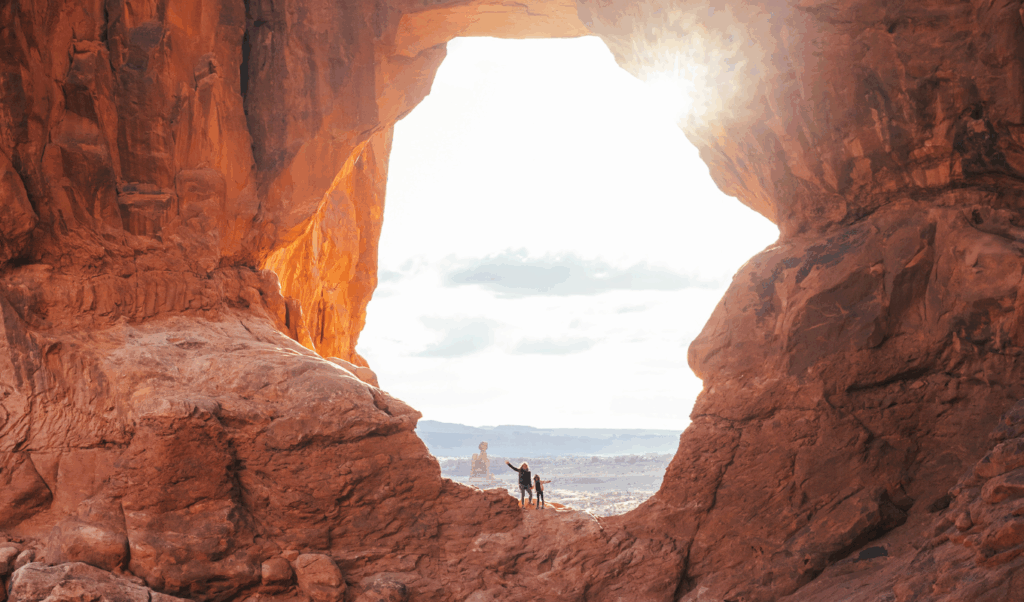
Just outside Moab, Utah, you’ll find Arches National Park – a stunning natural wonderland with over 2,000 stone arches spread across nearly 120 square miles. With its short trails and chances for rock scrambling, it’s a perfect destination for families with kids of all ages. The park’s mix of fascinating rock formations and easy-to-navigate paths makes it a must-visit for outdoor adventures.
Family-Friendly Hikes
For families with toddlers, the 0.4-mile Sand Dune Arch trail is a hit, featuring soft sand that feels like a giant natural sandbox. Another favorite for little ones is the Balanced Rock trail, a stroller-friendly 0.3-mile paved path. Double Arch, at 0.5 miles, lets kids climb around the base of the park’s tallest arch.
For slightly older kids, the 1-mile Windows Loop offers a moderate challenge with three arches to explore, while the 1.3-mile Broken Arch trail combines a flat meadow walk with some fun rock scrambling. Teens and active families might enjoy tackling the iconic Delicate Arch trail. This rigorous 3-mile round trip includes steep climbs but rewards hikers with breathtaking views, making it worth the effort. Plan about three hours for this hike, allowing time for a picnic break.
Kids’ Activities
Start your visit at the Visitor Center, where kids can grab a free Junior Ranger booklet. By completing activities and chatting with a ranger, they can earn an official badge. The center also rents out Red Rock Explorer Backpacks, which are packed with fun tools to help kids learn about the park’s ecosystem.
From spring through fall, ranger-led programs like guided walks and talks add an educational twist to your trip. Near the Delicate Arch trailhead, families can check out Ute Indian rock art and the historic Wolfe Ranch cabin from 1898. Another kid-friendly spot is the Garden of Eden area, where children can safely climb and explore the unique rock formations.
Where to Stay
For convenience, the SpringHill Suites by Marriott Moab is just minutes from the park and offers family-friendly suites with bunk beds and a pool area, complete with hot tubs. For something a little different, Under Canvas Moab provides safari-style glamping tents for a memorable outdoor experience. If you prefer camping, the Devils Garden Campground inside the park is an excellent choice, but you’ll need to reserve a spot in advance. Don’t forget to stock up on supplies in Moab, as the park itself doesn’t have food, gas, or lodging options.
When to Visit
The ideal times to visit are late April through May and September through October, when daytime highs are typically in the low 70s°F. From April through October, the park requires a timed entry reservation for visits between 7:00 AM and 4:00 PM, with reservations released three months in advance and a $2 processing fee. To skip the reservation system and avoid crowds, plan to arrive before 7:00 AM or after 4:00 PM.
If you’re visiting in the summer, when temperatures can soar past 90°F, it’s best to start hikes at sunrise and wrap up by mid-morning. Be sure to carry plenty of water – about one gallon per person per day – since refill stations are only available at the Visitor Center and Devils Garden. Entry to the park costs $30 per vehicle for a seven-day pass.
2. Zion National Park
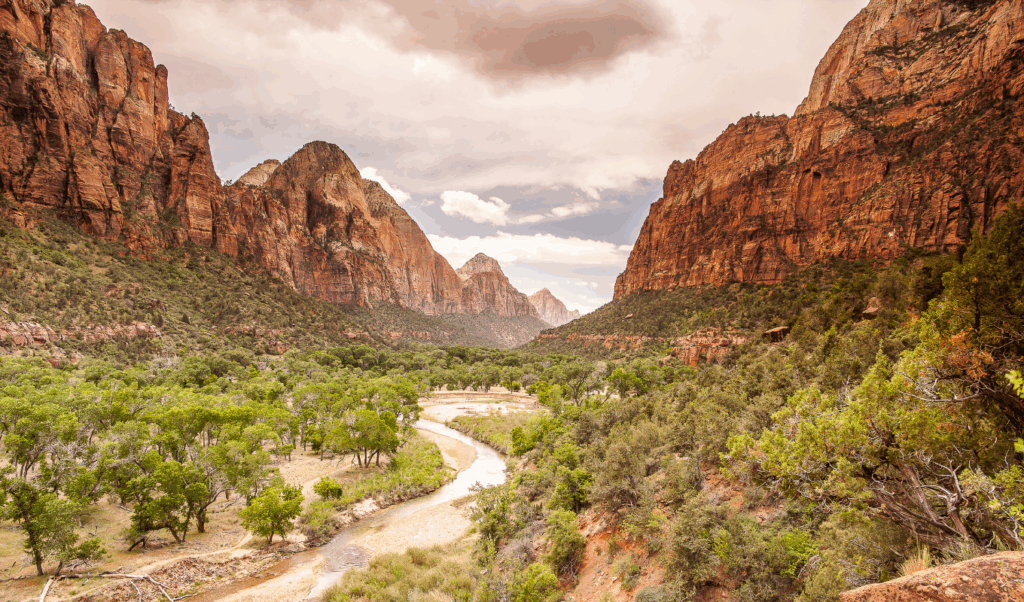
Zion National Park in southwestern Utah draws nearly 5 million visitors annually with its mix of scenic trails, river activities, and engaging learning opportunities. Its free shuttle system and variety of hiking trails make it a great destination for families with kids of all ages.
Family-Friendly Hikes
Looking for easy trails? The Pa’rus Trail is a 3.5-mile paved path perfect for strollers or bikes, following the Virgin River with breathtaking canyon views. For a shorter outing, the Riverside Walk offers a 2.2-mile shaded, paved trail leading to The Narrows – perfect for kids who love to explore. Another great option is the Lower Emerald Pools Trail, a 1.2-mile hike that takes you to a misty waterfall and a cool grotto.
For families with older kids, the Watchman Trail provides a moderate challenge. This 3.3-mile round-trip hike rewards you with sweeping views of Zion Canyon. Feeling adventurous? Families can wade into The Narrows, renting water shoes, neoprene socks, and walking sticks for the experience.
Beyond hiking, Zion adds an educational twist to your visit with interactive programs for kids.
Kids’ Activities
Children aged four and up can join Zion’s Junior Ranger program by picking up a free activity booklet at the visitor center and attending at least one ranger-led program to earn a badge. From late May through early September, the Zion Nature Center near South Campground offers hands-on exhibits about the park’s geology, wildlife, and history. Highlights include flash flood videos and bird song recordings.
Daily ranger-led talks at the Zion Canyon Visitor Center are held at 11:00 a.m. and 3:00 p.m., lasting 30 to 60 minutes. During summer, the Nature Center also features youth-focused programs like scavenger hunts and dinosaur-themed activities.
Where to Stay
For convenience, Springdale, located just outside Zion’s south entrance, offers plenty of family-friendly hotels, restaurants, and a free shuttle to the park. If you prefer staying within the park, Zion Lodge is the only hotel option and includes dining options like the Red Rock Grill and Castle Dome Café.
If camping is more your style, the Watchman Campground is the only operational campground inside the park. Reservations are required from March through November and should be made 6 to 12 months in advance. For a unique twist, try glamping at AutoCamp Zion (Airstream trailers) or Under Canvas Zion (safari-style tents) in nearby Virgin, Utah.
When to Visit
The best times to visit Zion are spring (March through May) and fall (September through November) when temperatures are ideal for hiking with kids. Summer can bring temperatures over 100°F and long shuttle lines, so plan hikes early in the day. During peak months, the Zion Canyon Scenic Drive is only accessible via the free shuttle, which accommodates strollers (larger ones need to be folded).
Admission to the park is $35 per vehicle for a seven-day pass, and fourth graders can enter for free through the Every Kid Outdoors program.
3. Yosemite National Park
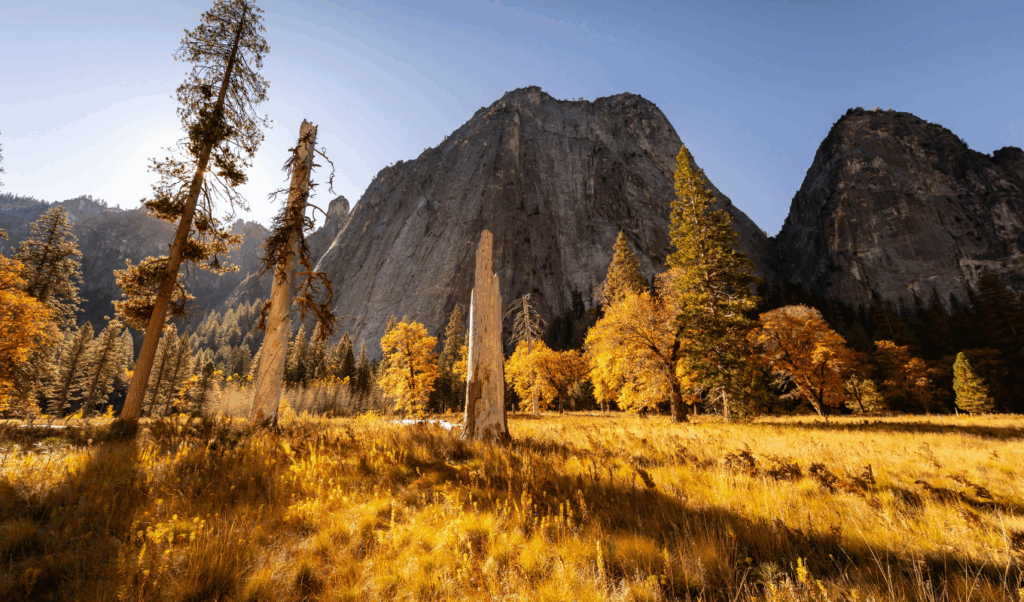
Yosemite National Park, nestled in California’s Sierra Nevada, attracts over 4 million visitors each year. With more than 750 miles of trails spread across 1,169 square miles of wilderness, it’s a haven for outdoor enthusiasts. Its blend of paved paths, towering sequoias, and stunning waterfalls makes it a favorite destination for families seeking adventure.
Family-Friendly Hikes
For families with young children or strollers, the Lower Yosemite Fall trail is a great choice. This 1-mile wheelchair-accessible loop offers breathtaking views of Yosemite Falls, the tallest waterfall in North America at 2,424 feet. Another easy option is Mirror Lake, a 2-mile paved trail. It’s best visited in spring (May or June) when you can catch the iconic reflection of Half Dome in the water.
For kids aged 5 and up, the Mariposa Grove trail is a must. This 2.2-mile hike leads to the Grizzly Giant, a massive sequoia over 3,000 years old, and the California Tunnel Tree. The Cook’s Meadow Loop is another family-friendly option, featuring a flat 1-mile walk with views of Half Dome and Sentinel Rock.
Older kids, around 10 and above, can take on more challenging routes. The May Lake hike is a 2.4-mile roundtrip with a 500-foot elevation gain, leading to a picturesque subalpine lake. For those ready for a workout, the Mist Trail offers a strenuous 3-mile hike to Vernal Fall, climbing 1,000 feet. If you’re tackling unpaved trails, consider using a baby carrier or sling, as even “easy” paths can have uneven terrain.
Beyond hiking, Yosemite offers plenty of activities to keep kids engaged and entertained.
Kids’ Activities
The Junior Ranger Program is a hit with young visitors. For $3.50, kids can complete an activity booklet filled with scavenger hunts, puzzles, and ranger interviews. Afterward, they’re sworn in as Junior Rangers, making for a fun and educational experience.
During the summer, the Happy Isles Art and Nature Center runs free, hour-long art classes for kids aged 4 to 11. From May to October, the Wee Wild Ones program at Curry Village Amphitheater offers stories, crafts, and activities for children 10 and under. For families interested in stargazing, the Starry Night Skies program provides a one-hour ranger-led session to explore constellations, planets, and meteors.
Photography enthusiasts can join the Ansel Adams Gallery for free 90-minute photography walks, though reservations are required as group sizes are limited to 10 people. Seasonal activities also include rafting on the Merced River in summer and ice skating at Curry Village in winter.
Where to Stay
For convenient access to the park, Curry Village offers tent cabins and rustic accommodations, complete with a free shuttle to Yosemite Valley. Yosemite Valley Lodge provides comfortable mid-range lodging near key trailheads. For a luxurious stay, the Ahwahnee Hotel offers rooms starting at $500 per night.
If you’re staying outside the park, Tenaya at Yosemite features Explorer Cabins and kid-friendly activities like archery. Evergreen Lodge and Rush Creek Lodge offer resort-like amenities such as pools, playgrounds, and guided tours, though they are a 30- to 60-minute drive from Yosemite Valley. To secure in-park lodging, book 366 days in advance, as spots fill up quickly. If you’re late to reserve, check for cancellations two weeks before your trip.
When to Visit
Choosing the right time to visit can make all the difference. Spring and early summer (May and June) are ideal for waterfall viewing, thanks to snowmelt, though some high-elevation roads like Tioga Road remain closed during this period. Fall (September and October) offers cooler temperatures and fewer crowds compared to summer. Winter (November to March) brings its own charm, with ice skating at Curry Village and snow activities like skiing and tubing at Badger Pass Ski Area.
If you’re visiting during peak season (April through October), plan to arrive before 9:00 a.m. or after 5:00 p.m. to avoid long entry lines. The park entrance fee is $35 per vehicle, but fourth graders can enter for free through the Every Kid Outdoors program.
4. Joshua Tree National Park
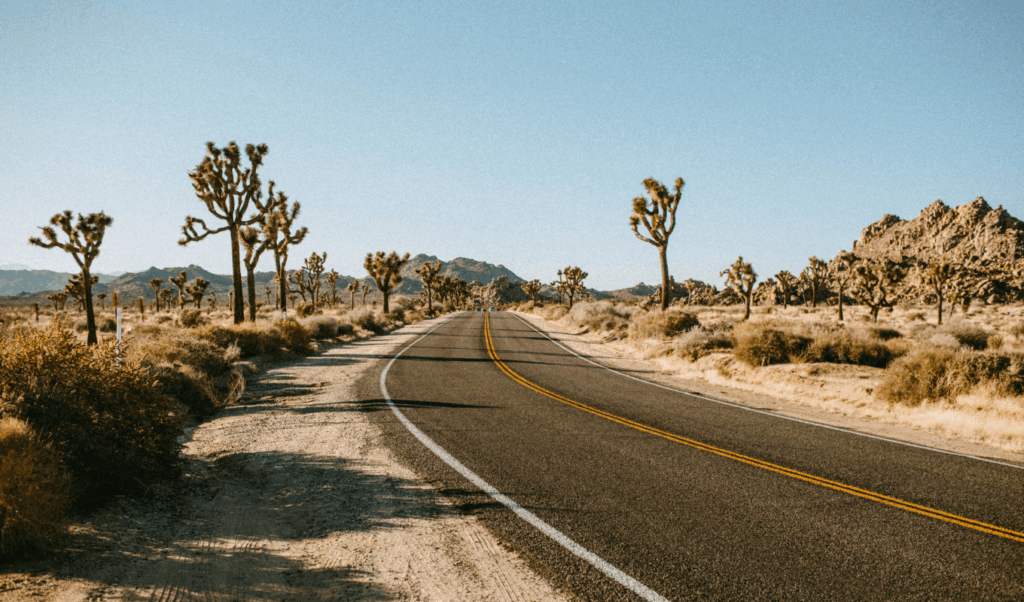
Joshua Tree National Park stretches across nearly 800,000 acres of Southern California desert, showcasing 1.7-billion-year-old rock formations and iconic twisted trees. Its dramatic landscape of massive boulders and distinctive cacti makes it a natural playground for families, though planning around the region’s extreme heat is essential.
Family-Friendly Hikes
For families with young children, Cap Rock is a great choice. This 0.4-mile flat loop is perfect for toddlers or strollers. Another short and memorable walk is the Cholla Cactus Garden, a 0.25-mile boardwalk that winds through a dense collection of “Teddy Bear” cacti – just be sure to keep little hands away from the spines.
If your kids are a bit older, Hidden Valley is a favorite. This 1-mile loop, surrounded by rock walls, was once rumored to be a cattle rustler’s hideout. With a 4.8-star rating on AllTrails from over 9,400 reviews, it’s a family favorite. Another option is Barker Dam, a 1.1-mile trail where you might spot desert bighorn sheep or discover ancient rock art. For a more educational hike, the Discovery Trail offers a 0.7-mile loop specifically designed for kids, complete with 10 interpretive plaques explaining desert geology.
Teens looking for a challenge can tackle Ryan Mountain, a 3-mile roundtrip trail with a 1,050-foot elevation gain. The reward? Stunning 360-degree panoramic views. This trail also holds a strong 4.7-star rating on AllTrails. During warmer months, start hikes early – ideally before 9:00 a.m. – and always carry plenty of water. Since cell service is spotty throughout the park, downloading offline maps beforehand is a smart idea.
Kids’ Activities
Joshua Tree offers plenty to keep kids entertained beyond hiking. The Junior Ranger Program is a hit, with free activity booklets available at visitor centers. During peak seasons, ranger-led evening programs are held at the Jumbo Rocks Campground amphitheater. Thanks to its designation as an International Dark Sky Park, Joshua Tree also hosts ranger-led stargazing events and an annual Night Sky Festival in October. Popular stargazing spots include Hidden Valley, Cap Rock, Quail Springs, and the Ryan Mountain parking area.
For fun outside the park, families can visit Pioneertown, a 1940s Western movie set, or stop by the Joshua Tree Rock Shop to crack open geodes. Another unique experience is catching a movie at the Smith’s Ranch Drive-In Movie Theater in nearby Twentynine Palms, where tickets cost $10 per person.
Where to Stay
Camping is the only option within the park itself. Jumbo Rocks Campground is a family favorite, with massive boulders that double as natural climbing structures. Campsites cost $25 to $35 per night, and reservations through Recreation.gov are recommended at least six months in advance. Other campgrounds, like Black Rock and Cottonwood, offer amenities such as flush toilets and potable water.
If camping isn’t your style, nearby glamping options include AutoCamp Joshua Tree, where you can stay in Airstream trailers equipped with kitchenettes and air conditioning. For something more eclectic, Hicksville Trailer Palace features themed vintage trailers and a pool. Vacation rentals in the area are another option, often providing kitchens and multiple bedrooms. Families looking for a more traditional hotel experience can check out the Holiday Inn Express in Twentynine Palms, which offers a pool and free breakfast.
When to Visit
The best time to visit Joshua Tree is during March and April, when temperatures are mild, and wildflowers are in bloom. October through May generally provides pleasant weather for hiking. However, avoid visiting from June to September, as summer temperatures often exceed 100°F (38°C), posing risks for children. Winter months (November to February) bring sunny days but chilly nights, with temperatures dropping to 30°F–40°F.
The park has a $30 entrance fee per vehicle, valid for seven days. Fourth graders can visit for free through the Every Kid Outdoors program. Since there are no grocery stores, gas stations, or restaurants inside the park, be sure to bring all the food and supplies you’ll need.
Next, discover the unique formations at Bryce Canyon National Park.
5. Bryce Canyon National Park
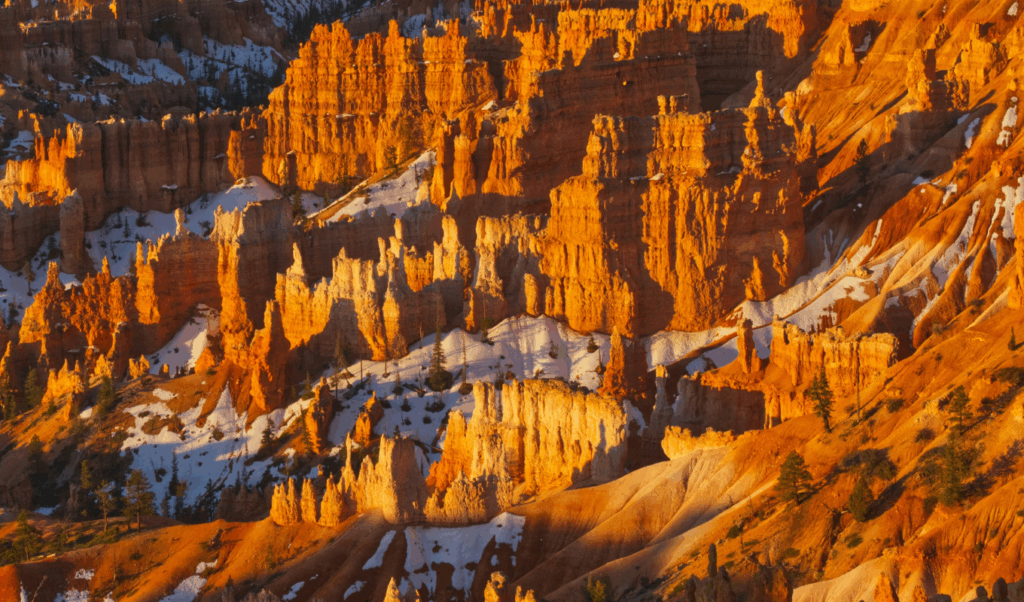
Bryce Canyon National Park, perched at elevations between 8,000 and 9,000 feet, is famous for its striking hoodoo rock formations. Its high-altitude trails and unique landscape make it a fantastic destination for families. Be sure to stay hydrated and take breaks often to avoid altitude-related issues.
Family-Friendly Hikes
For an easy start, try the Rim Trail between Sunset and Sunrise Point. This flat, 1-mile loop is stroller-friendly and perfect for toddlers. If you’re looking for a short adventure, the Mossy Cave Trail is a great pick. This 0.8-mile hike features a waterfall and a creek where kids can play, and it’s located at one of the park’s lowest elevations.
For older kids, the Queen’s Garden Trail offers a gentle 1.8-mile descent with close-up views of the hoodoos. Another favorite is the Navajo Loop Trail, a 1.3-mile path that takes you through dramatic switchbacks and past the iconic “Thor’s Hammer.” Many families combine this with the Queen’s Garden Trail to create the popular 2.9-mile Queen’s/Navajo Combination loop. Keep in mind, though, that the “Wall Street” section of the Navajo Loop is usually closed in winter due to snow and ice.
Make sure to wear proper hiking boots with good grip. Many rescues in the park are due to slips caused by improper footwear. From April to October, the park offers a free shuttle service, which can help you avoid the hassle of crowded parking lots at trailheads.
Kids’ Activities
Stop by the Visitor Center to grab a free Junior Ranger activity book. Kids can earn a badge by completing fun tasks like attending a ranger talk or watching the park’s short film. For an added adventure, the “I Hiked the Hoodoos” program challenges kids to find at least three of nine hidden medallions on designated trails. Completing the challenge earns them a special reward.
As an International Dark Sky Park, Bryce Canyon offers incredible stargazing opportunities. Kids can join ranger-led astronomy programs or take part in full-moon hikes, where flashlights aren’t needed. The park also features a 17-mile paved path for biking and hosts geology talks throughout the year. Families with fourth graders can benefit from the Every Kid Outdoors program, which provides a free annual park pass.
Where to Stay
For a family-friendly stay, the Best Western Plus Ruby Inn is a top choice. Located just outside the park, it features an indoor pool, hot tub, and a general store. If you prefer a more modern vibe, the Best Western Plus Bryce Canyon Grand Hotel is another option. For a unique experience, check out Under Canvas Bryce Canyon, offering luxury glamping in safari-style tents with family activities like campfire s’mores and movie nights.
Nearby Tropic has vacation rentals with full kitchens and extra space, ideal for larger families. Inside the park, the Bryce Canyon Lodge is the only hotel, while the North and Sunset Campgrounds provide first-come, first-serve camping options.
When to Visit
The best time for families to visit is from May to September when the weather is ideal for hiking. Fall, especially September and October, offers fewer crowds and mild temperatures. If you’re visiting in mid-April, you might catch winter icicles at Mossy Cave alongside blooming spring moss, though some areas, like Fairyland Point, may still be inaccessible to vehicles.
The park entrance fee is $35 per vehicle for a 7-day pass, and children 15 and under get in free.

Planning Tips for National Park Family Trips
After diving into family-friendly trails and activities, make your trip smoother with these practical planning tips.
Book your lodging 6–12 months in advance to save time and energy. Staying inside or close to the park can cut down on long daily drives, which is a big help when traveling with kids. Also, secure spots for ranger-led activities online as soon as you pick your dates.
Pack extra water, snacks, and essential supplies. High-energy snacks like trail mix can help avoid those mid-hike meltdowns. Don’t forget sunscreen, bug spray, sun hats, extra layers, and a first aid kit for minor scrapes. If you’re visiting high-elevation parks, be ready for quick temperature drops by layering up. For families with infants, a baby carrier backpack is a lifesaver.
Start your day early – before 7:00 AM – and take advantage of park shuttles. This helps you sidestep the heat, crowds, and parking headaches at popular trailheads and scenic spots. Stick to shorter, well-researched trails for a more enjoyable experience instead of tackling unfamiliar, overly strenuous routes.
Look for flight deals with Dollar Flight Club. They offer alerts with savings of up to 90% on flights to regional airports near national parks. Their Premium plan ($69 per year) covers domestic and international deals, while Premium+ ($99 per year) adds SMS alerts and premium class options for families who want extra comfort.
Download Junior Ranger booklets from nps.gov/kids for on-the-go entertainment. These booklets can keep kids engaged during travel. Also, consider the America the Beautiful Annual Pass ($80), which covers entrance fees for everyone in your vehicle at all national parks. It’s a smart choice if you’re planning to visit multiple parks.
With thoughtful preparation, your national park trip can be stress-free and packed with unforgettable moments.
Conclusion
The five national parks highlighted – Arches, Zion, Yosemite, Joshua Tree, and Bryce Canyon – offer families a chance to unplug and immerse themselves in the beauty of the natural world. These destinations captivate visitors of all ages, proving that nature has a universal appeal. Beyond their stunning landscapes, these parks provide opportunities for hands-on learning and family-friendly experiences.
Programs like the Junior Ranger initiative engage kids with activities focused on geology, wildlife, and conservation, making the trails not just an adventure but also an educational journey. With affordable entry fees and amenities like paved paths, boardwalks, and shuttle systems, these parks are designed to accommodate families, even those with young children or strollers.
Start planning your family trip to these incredible national parks and create memories that will last a lifetime. The U.S. National Park System spans over 84 million acres of diverse and awe-inspiring landscapes, just waiting for you to explore. Whether it’s catching the sunrise at Delicate Arch or stargazing in Bryce Canyon, these experiences are moments you’ll treasure forever.
FAQs
Which park is best for toddlers vs. teens?
For families with toddlers, parks like Zion and Arches are perfect options. They feature accessible trails and simple hikes that are ideal for little ones. For example, Zion’s paved Pa’rus Trail and Arches’ short walk to Delicate Arch provide enjoyable and manageable experiences for young children.
For teens, Yellowstone and Yosemite stand out with their more demanding hikes, opportunities to spot wildlife, and educational programs. These parks cater to older kids who have the energy and curiosity to fully explore their surroundings.
Do we need reservations or timed entry to visit?
Most national parks in the U.S. offer the freedom to visit without needing reservations or timed entry. This makes it easy to plan a spontaneous trip. However, during peak seasons, certain popular parks or specific attractions might require reservations to handle the influx of visitors. To avoid surprises, it’s a good idea to check the official website of the park you’re planning to visit, especially if you’re heading there during a busy period. Arriving early can also make a big difference – helping you steer clear of crowds and enjoy a more relaxed experience, particularly at parks known for their family-friendly trails and activities.
What should we pack for kid-friendly hikes?
For hikes with kids, it’s important to pack smart to keep everyone safe, comfortable, and happy. Essentials include plenty of water, snacks, sunscreen, weather-appropriate clothing, and sturdy shoes. Don’t forget a map and a first aid kit for peace of mind. A backpack stocked with trail mix, reusable water bottles, and fun activities like Junior Ranger booklets can make the adventure more engaging for young explorers. And, of course, always bring the 10 Essentials to stay ready for anything and ensure a fun experience for all.