
My starting point for a budget New Year’s Eve trip: compare the full cost, not just airfare. The sample three-night budget below totals $660 per person with shared lodging. I’d check flights and rooms together before booking.
Here’s my shortlist:
- U.S. trips: New Orleans, San Antonio, St. Augustine, Washington, D.C., and Las Vegas.
- International trips: Mexico City, Medellín, Budapest, Prague, Lisbon, Kraków, Bangkok, and Goa.
I’d compare each city’s airfare, lodging, transit, meals, and celebration costs. Free sights can help stretch your budget, while hotel surcharges, resort fees, and ticketed parties can erase flight savings.
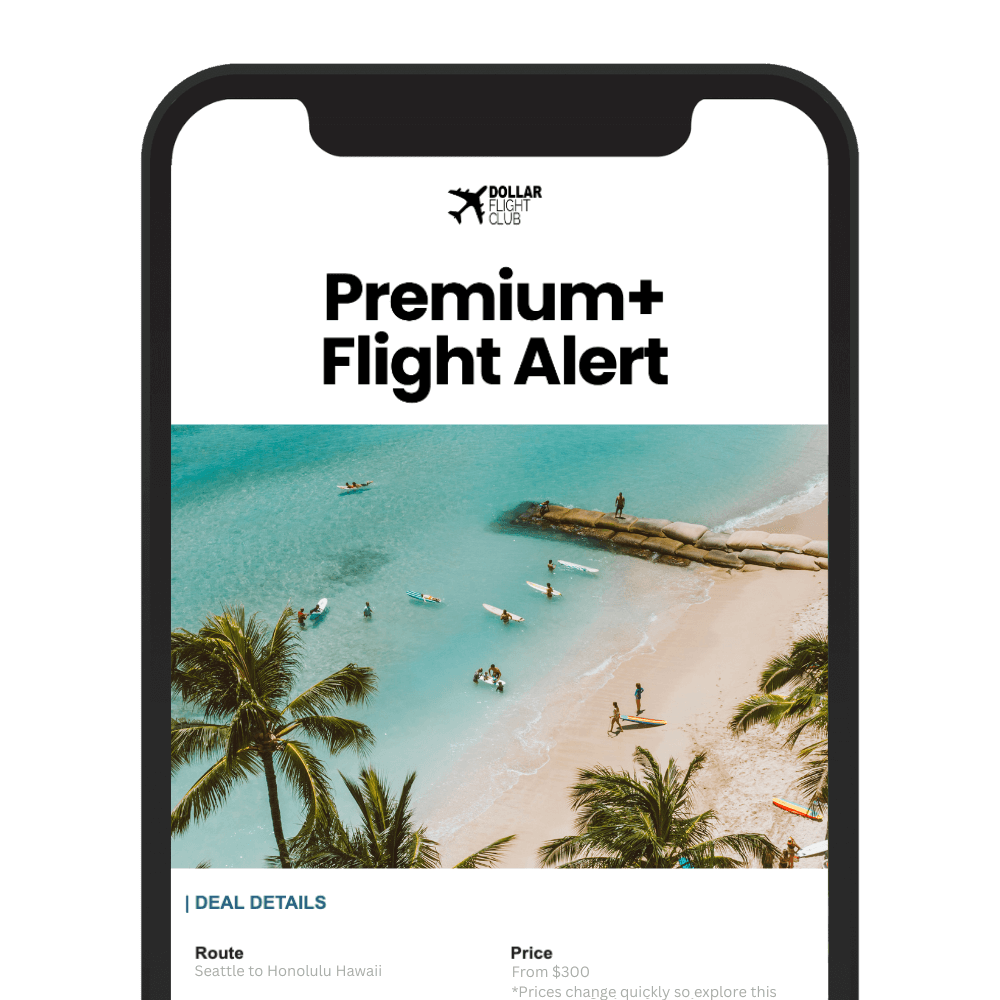
For dates, I’d test December 30, December 31, and January 1 departures, plus January 4–6 returns. The trade-off: cheaper dates may mean missing the countdown. I’d use fare alerts, including Dollar Flight Club, to compare options – but book only when the whole trip fits my spending limit.

Budget-Friendly U.S. Destinations
Even budget-friendly cities can get expensive over the holidays. During Christmas and New Year, hotel rates often jump 50% to 100%, while flights increase 40% to 80%. Once you’ve booked flights, lodging and local transportation determine whether your trip stays within budget.
New Orleans and San Antonio: Public Events and Local Food
In New Orleans, book outside the French Quarter and take the streetcar to spend less. In San Antonio, a cheaper room farther from the center only pays off if getting around stays simple and inexpensive.
St. Augustine and Washington, D.C.: Free Sightseeing
In St. Augustine, look outside the historic core for cheaper lodging. Winter room rates can spike in the center.
Washington, D.C. offers the most savings on sightseeing: Smithsonian museums and monuments are free. Staying near Metro can also keep transportation costs low.
Las Vegas: Check Fees Before Booking
In Las Vegas, a low nightly rate may leave out resort fees, parking, and transportation. Compare the total cost of your stay, not just the room price.
| Destination | Budget advantage | Holiday surcharge risk | Lower-cost date to test |
|---|---|---|---|
| New Orleans | Streetcars and lower-cost neighborhoods | Higher room prices near the French Quarter | December 30 or January 1 |
| San Antonio | Central stays can work if transportation stays simple | Transportation can cancel out savings on a cheap room | December 30 or January 1 |
| St. Augustine | Historic charm outside the busiest core | Higher winter room rates in the historic core | December 30 or January 1 |
| Washington, D.C. | Free museums and monuments; Metro-connected lodging | Cold weather can help keep outdoor demand down | January 1 |
| Las Vegas | Room rates can look affordable at first glance | Resort fees, parking, and transportation can erase savings | December 30 or January 1 |
If U.S. options still cost too much, compare cities abroad with lower daily expenses.

Budget-Friendly International Destinations
Low daily costs don’t always mean a cheaper trip. Airfare and holiday lodging determine the total. But if domestic city breaks still cost too much, these international destinations can help you spend less on the ground.
The estimates below are per person, excluding airfare, with two travelers sharing budget lodging. Treat them as rough planning ranges; New Year’s Eve rates can run higher.
| Destination | Estimated daily budget per person, USD | Flight access | Budget risk |
|---|---|---|---|
| Mexico City | $45–$80 | Nonstop routes from many U.S. hubs | Holiday lodging in popular neighborhoods can erase savings |
| Medellín | $35–$65 | Nonstop routes from select U.S. hubs | Holiday demand pushes up lodging prices in popular areas |
| Budapest | $45–$75 | Usually requires a European connection | Central hotels and ticketed celebrations add up |
| Prague | $40–$70 | Connections through major European hubs | High demand for historic-center hotels |
| Lisbon | $55–$90 | Nonstop routes from several U.S. hubs | Central lodging can outweigh savings from walkable sights |
| Kraków | $30–$55 | Usually requires a European connection | Cold weather may increase spending on indoor activities |
| Bangkok | $35–$65 | Long-haul trip, typically with a connection | Airfare and riverside NYE events can overwhelm daily savings |
| Goa | $35–$70 | Typically requires connections from the U.S. | Peak beach-season lodging and minimum stays push up costs |
From many U.S. airports, Mexico City and Medellín mean shorter flights than a trip to Asia. In Budapest, Prague, Lisbon, and Kraków, staying near the center puts sightseeing within walking distance. Bangkok and Goa’s low daily costs make more sense for longer stays, which spread expensive airfare across more days.
If flights take up most of your budget, check December 31 and January 1 departures. The trade-off may be spending NYE in transit or missing the countdown.
As you narrow your choices, set fare alerts to track price drops and know how far in advance to book when a fare fits your budget.

Book Early and Set Up Flight Alerts
Start tracking fares as soon as you narrow down your destinations. New Year’s fares are usually lowest 32–73 days before departure, then climb as the trip gets closer. Set your budget now, and book when airfare and lodging fit within it.
Track Several Cities and Travel Dates
Track several destinations, and search departures on December 30, December 31, and January 1 separately. Check nearby airports, too – they can make a big difference in price.
Compare nonstop flights with connecting options, then check return dates. Your flight home can affect the total trip cost just as much as your outbound flight.
January 2–3 returns are usually pricier; January 4–6 is often cheaper.
Find Discounted Fares With Dollar Flight Club
Prefer deal alerts to manual searches? Dollar Flight Club emails discounted domestic and international fares, with SMS alerts on eligible plans. Set your departure airports to get alerts for trips you can book, then check whether each deal fits your travel dates.
Dollar Flight Club advertises deals up to 90% off, but savings and New Year’s Eve availability aren’t guaranteed. Before booking, check the airports, dates, and full trip cost.

Choose a Trip That Fits Your Budget
Once you’ve compared destinations, choose the trip with the lowest total cost, not just the cheapest flight. Count airfare, lodging, transit, meals, and New Year’s Eve (NYE) fees. Closer cities may cost less when flights take up most of your budget. Farther destinations may be cheaper overall if lower daily costs offset higher airfare.
Set a firm spending limit. Before booking, check NYE event times, late-night transit options, baggage fees, and cancellation rules. Book only when airfare and all remaining trip costs fit your budget.
FAQs
How much extra should I budget for New Year’s Eve surprises?
Budget 40%–80% more than usual winter travel costs for New Year’s Eve. Flying on December 30–31 or January 1, or skipping return flights on January 2–3, can often cut that premium by about 20%–30%.
If you miss cheaper dates or airports, allow an extra $75–$150 per person, plus baggage fees, seat fees, and holiday transfers.
Can a longer international trip cost less than a short U.S. getaway?
Yes. Compare the full trip cost, not just airfare. Include lodging, transfers, and daily expenses.
Food and lodging in Spain, Portugal, or parts of Mexico often cost less than in popular U.S. vacation spots. Those daily savings can make up for a higher airfare, so a longer international trip may cost less overall than a short, pricey U.S. getaway.
How can I save without missing the midnight countdown?
Flying on December 31 is often one of the cheapest holiday options, with fares 40% to 50% lower than on peak travel days. That’s because many travelers want to arrive before the celebrations begin.
Book the first flight of the day, and you could save another 10% to 20%. An early departure can also help you avoid afternoon delays and leave time for the midnight countdown.