
The best way to spend less on a trip is to set your total budget first, then let that number decide where you go, when you go, where you stay, and what you do.
If I want to keep a trip affordable, I start with one number I can pay in cash, split it into clear cost groups, and track daily spending after booking. That helps me avoid a trip that looks cheap at first but ends up costing far more once I add hotels, meals, transit, bag fees, and last-minute extras.
Here’s the whole plan in simple terms:
- Pick a total trip budget first
- Split it into flights, stay, food, transit, activities, insurance, fees, and backup cash
- Compare places by total daily cost, not airfare alone
- Travel during the fall shoulder season and midweek when prices are often lower
- Book flights in the right date range and watch fares
- Check the full hotel or rental price, including taxes and fees
- Set a daily spending limit for meals, transit, and fun
- Use free things to do, pack light, and cut bag fees
A few numbers from the article make the point fast:
- A $2,000 five-day trip might put 30%–40% toward flights and 25%–30% toward lodging
- Some big U.S. cities can cost about $250–$350 per person per day
- Some places in Mexico or Central America may land closer to $100–$150 per day
- Shoulder season hotel rates can be 20%–50% lower
- Flights to Europe can be 37% cheaper than August
- Midweek domestic flights can cost 13%–20% less
- Checked bags often cost $30–$75 each way
- Keeping 5%–10% aside for emergencies can help cover surprises
In short: I keep trips on budget by making each choice fit the same spending limit from the first search to the flight home.

Choose a Destination and Travel Dates That Cost Less
Once you’ve set your spending limits by category, pick a destination and travel dates that fit those limits before you start browsing flights or hotels. That keeps you in control. Otherwise, it’s easy to let a cheap-looking airfare steer the whole trip.
Compare Destinations by Total Daily Cost, Not Just Airfare
A cheap flight doesn’t always lead to a cheap vacation. You might find a low fare to London or Honolulu, then get hit with high hotel rates, pricey meals, and costly attractions. On the flip side, a shorter trip to an expensive U.S. city like New York or San Francisco can still run about $250–$350 per person per day, while some cities in Mexico or Central America may come in closer to $100–$150 per day.
That’s why it helps to look at the full daily cost, not just the ticket price. Add up:
- lodging
- food
- local transit
- activities
Then compare the projected per-day total across a few places. A flight that costs a bit more can still save you money if the trip itself is cheaper once you arrive.
Travel During Shoulder Season and Midweek to Pay Less
Timing can change your total trip cost just as much as the destination itself. For many U.S. and European spots, shoulder season usually lands in April–May and September–October. During those months, hotel prices are often 20%–50% lower than peak season, and flights to Europe can be 37% cheaper than in August.
The day you leave matters too. Tuesday and Wednesday departures are often cheaper than Sundays, and domestic U.S. flights can cost 13%–20% less midweek. Sometimes a one- or two-day change is all it takes to trim the bill.
Use both levers together: pick a place with a lower daily cost, then match it with cheaper travel dates. That’s often where the best savings show up.

Book Flights and Accommodation Without Overpaying
Once the destination and dates are set, the biggest savings usually come from flights and lodging. These two costs often decide whether a trip stays on budget or drifts past it, so this is where careful booking pays off.
Book Flights in the Right Window and Search Flexible Dates
For domestic U.S. flights, a solid rule of thumb is to book around 42 days before departure. If you wait until the last two weeks, prices often climb 20–30% higher than they were in that booking window. For international flights, the sweet spot is usually 3–5 months ahead. It also helps to start watching prices several months earlier, since fares can dip before that main booking period.
Flexibility can make a big difference. A month-view fare calendar often shows that moving a trip by just a day or two can cut the price by enough to matter. It’s also smart to check nearby airports and test different departure and return dates. But there’s a catch: the cheaper fare only helps if it still saves money after you add ground transportation, parking, or extra travel time.
Once you lock in flight pricing, shift to lodging and compare the full cost of the stay.
Set Up Fare Alerts to Catch Discounted Flights
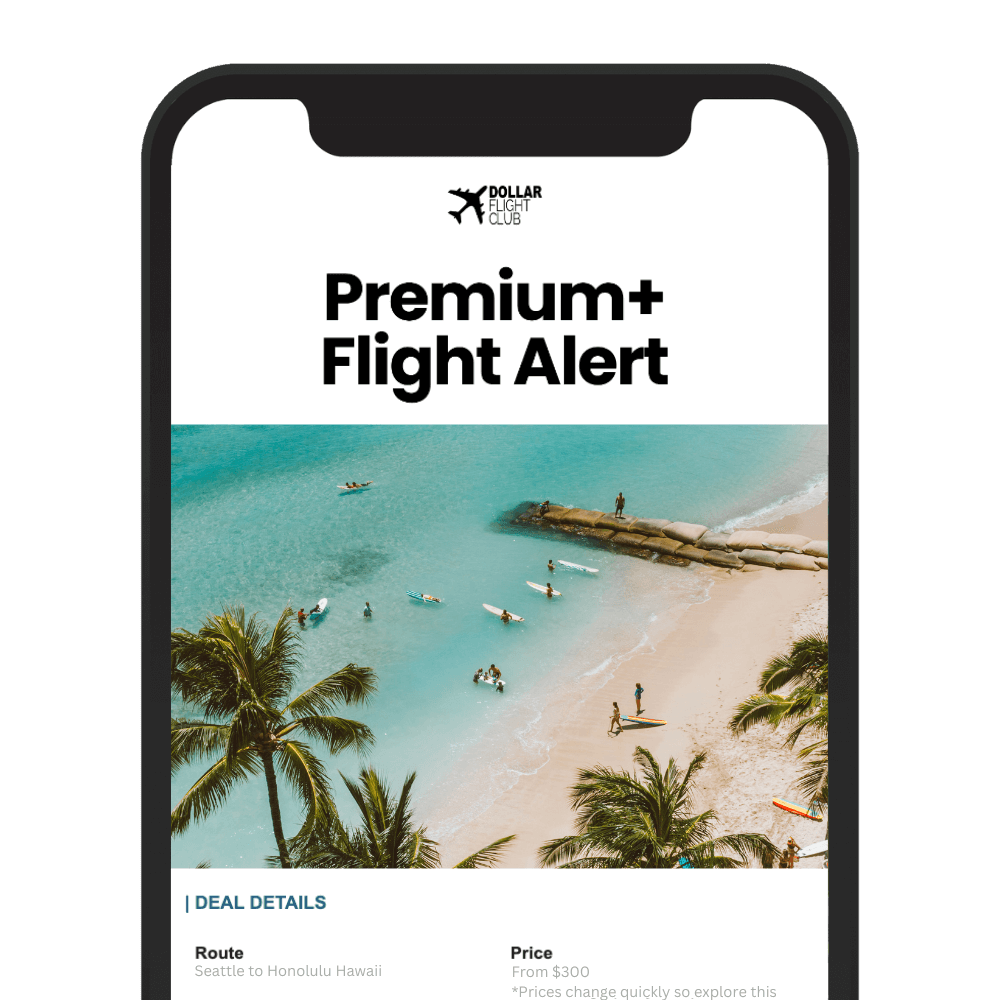
Fare alerts save time and help you spot price drops without checking the same route over and over. Dollar Flight Club sends email and SMS alerts for discounted domestic and international flights, with deals reaching up to 90% off.
Compare Hotels, Hostels, Rentals, and Neighborhood Location
When comparing places to stay, look at the total stay cost, not just the nightly rate. In some U.S. markets, taxes, resort fees, destination fees, and parking can add 20–50% to the nightly price. Rentals can bring extra charges too, especially cleaning and service fees.
Location also shapes what the trip will cost as a whole. Staying a little outside the main tourist zone can lower nightly prices, which sounds great on paper. But it only works if the area is safe, easy to get around on foot, and linked to public transit. Places near transit stops, grocery stores, and casual restaurants often help keep both transportation and food spending lower across the trip.

Control Day-to-Day Costs After Booking
Flights and lodging are set, but day-to-day spending is where a lot of trips drift off track. Food, transit, and activities can pile up faster than expected. A daily cap helps keep things in check.
Set Daily Limits for Food, Transit, and Activities
Once you have a daily cap, split it across meals, transit, and activities. A simple way to do this is to divide the rest of the trip budget by the number of days, then break that daily number into three buckets:
- 40–50% for food
- 20–30% for transit
- 20–30% for activities
On a $70 per day target, that comes out to about $30 for meals, $15–$20 for getting around, and $20–$25 for activities.
Meals are one of the easiest places to save without feeling deprived. Lunch from street food, a food truck, or a takeout counter is often 20–30% cheaper than eating at a sit-down restaurant. That can free up room for one full dinner later in the day without blowing the food budget.
Transit works the same way. Paying per ride can chip away at your budget, so it’s smart to check pass options first. In Washington, D.C., for example, a seven-day transit pass costs $58.
Build the Itinerary Around Free and Low-Cost Activities
After food and transit are covered, build the itinerary around free options first. Parks, beaches, public markets, neighborhood walks, and self-guided routes don’t cost anything, and they often give you a better feel for a place than a packaged tour.
Before you lock in plans, check whether major museums or attractions have free admission days or pay-what-you-wish hours. Many places post those details on their official websites, and timing your visit around them can cut admission costs in a big way. City tourism boards are worth checking too. They often post free event calendars with concerts, festivals, and local events that don’t cost a dime.
Use Travel Cards, Insurance, and Light Packing to Cut Extra Fees
Small fees can quietly eat into a trip budget, so it helps to block them before they show up. A travel rewards credit card, if used responsibly and paid in full each month, can lower trip costs through points earned on everyday travel spending. Many cards also come with no foreign transaction fees and trip protections like trip delay or baggage delay coverage. The key is simple: use the card for planned purchases, then pay it off monthly.
Travel insurance can also save you from a nasty budget hit. If a flight gets canceled or you run into a medical issue abroad, costs can spike fast. A policy that covers trip cancellation, emergency medical care, and baggage loss can help protect your spending plan.
Packing light matters too. Versatile clothes, fewer shoes, and travel-size toiletries can help you skip checked-bag fees, which often run $30–$75 per bag each way on many economy tickets.

Conclusion: Keep the Trip on Budget From the First Search to the Last Day
Budget travel means keeping each decision inside a set total, from the first search to the last day of the trip.
Start with a fixed budget. Then let that number shape the rest: destination, timing, flights, lodging, and daily spending – in that order. Once the total is set, every later choice gets narrower, which makes it easier to avoid overspending.
Flexible dates and shoulder season are still the easiest ways to cut costs. When your dates have some wiggle room, fare alerts make it easier to spot deals before they disappear. Dollar Flight Club sends email and SMS alerts for discounted domestic and international flights, with deals up to 90% off.
Travel cards, insurance, and carry-on packing can also help cut extra fees. And a fast daily budget check can catch overspending before it snowballs. If one day goes over on food, the next day can shift to free activities and a grocery store lunch to balance things out.
If every choice stays tied to the original budget, the trip stays on track from search to return.
FAQs
How much should a beginner budget for a trip?
A beginner’s travel budget depends a lot on where you’re going.
In lower-cost regions like Southeast Asia, you can often get by on $15 to $35 per day for the basics, such as guesthouses and street food. In Eastern Europe or parts of Latin America, a more typical range is $30 to $70 per day.
To build a budget that makes sense, start with the average daily cost of:
- Lodging
- Food
- Activities
Then add a buffer for airfare and those extra costs that always seem to pop up when you travel.
What if prices rise after booking part of the trip?
Because airlines use dynamic pricing, fares can shift even after you start planning. If you’ve already booked a flight, U.S. law gives you a 24-hour window to cancel for a full refund or keep the current fare, as long as you book at least seven days before departure.
Other trip costs can move around too. That’s why it helps to track prices early and add extras like baggage during the first purchase. Doing that can help you lock in lower fees and sidestep last-minute price jumps.
Should travelers use cash or credit cards on a budget trip?
Travelers on a budget should use credit cards with a clear plan. The right card can trim trip costs in ways that aren’t obvious at first.
Airline-branded cards, for example, can cut costs through perks like free checked bags and priority boarding. Those extras can add up fast, and in some cases they can make the annual fee worth paying.
Travel rewards cards can help too. They let travelers earn points for airfare, which can take some of the sting out of flight costs. To get more from those cards, it helps to focus on bonus points for travel and dining. From there, travelers can transfer rewards to airline partners or use them during off-peak seasons, when points often go further.