Want to save big on international flights? Timing is everything. Here’s the quick rundown:
- Best Booking Window:
- Long-haul flights: 2–8 months before departure (sweet spot: 60–90 days).
- Short-haul flights: 1–4 months before departure (sweet spot: 30–90 days).
- Holiday travel: Book 4–8 months ahead, especially for Christmas or New Year’s
- Cheapest Seasons:
- Travel during shoulder seasons (spring and fall) for lower fares and fewer crowds.
- Avoid peak periods like summer, Thanksgiving, and Christmas.
- Cheapest Days:
- Book and fly on Fridays for the best prices.
- Midweek flights (Tuesday–Thursday) are often 13% cheaper than weekends.
- Regional Tips:
- Europe: April–May, September–October, or winter (excluding holidays).
- Asia: Avoid Lunar New Year and Golden Week; aim for January, February, or fall.
- Latin America: September and October are budget-friendly.
- Caribbean: January, September, and October are cheapest.
- Pro Tip: Use fare alerts or services like Dollar Flight Club to track price drops and snag deals.
Timing your booking and travel dates can lead to significant savings. Plan ahead, stay flexible, and keep an eye on price trends to maximize your budget.

Core Principles of International Flight Pricing
Seasons and Demand Cycles
International airfare pricing often mirrors predictable travel patterns, shaped by three key periods: peak season, shoulder season, and low season. Peak season typically coincides with summer (June through August) and major holidays like Christmas and New Year’s, when demand – and prices – are at their highest. Shoulder seasons, covering spring (April to May) and fall (September to November), strike a balance with milder crowds, pleasant weather, and more reasonable fares. Low season varies by destination but is when airlines face the greatest challenge filling seats, leading to the steepest discounts.
Traveling families further amplify these trends during spring break, summer, and winter holidays, creating predictable fare spikes. Timing your trip just before or after these high-demand windows – even by a week or two – can save you a considerable amount. Pairing this strategy with the right booking timeline can help you stretch your travel budget even further.
How Far in Advance to Book
For international flights, the sweet spot for booking lies between 2 and 8 months in advance. Long-haul routes, such as those to Europe, Asia, or South America, often hit their lowest prices 60 to 90 days before departure, though some routes may offer the best deals up to 5 months ahead. On the other hand, short-haul international routes – like flights to Canada, Mexico, or the Caribbean – are best booked 1 to 4 months in advance, with the optimal window being 30 to 90 days.
If you’re planning a holiday trip, booking 4 to 8 months ahead is ideal, with travel around Christmas or New Year’s requiring at least 6 months of lead time for the best deals. Booking within 30 days of departure is risky, as last-minute fares can spike by 20–30%.
| Trip Type | Optimal Booking Window | Sweet Spot |
|---|---|---|
| Short-haul International | 1–4 months before departure | 30–90 days |
| Long-haul International | 2–8 months before departure | 60–90 days |
| Peak Holiday Travel | 4–8 months before departure | 6+ months for Christmas/New Year’s |
Understanding these timelines helps lay the groundwork for spotting the best days to book and travel. You can also use Google Flights to track these price fluctuations in real-time.
Cheapest Days to Book and Fly
The day of the week you book or fly can noticeably impact your airfare. Friday stands out as the most affordable day for both booking and flying internationally. Booking a flight on a Friday can save you around 3% compared to Sunday, while flying on a Friday is approximately 8% cheaper than departing on a Sunday. Additionally, midweek flights (Tuesday through Thursday) tend to cost about 13% less than weekend departures.
Conversely, Sunday and Monday are the priciest days for international travel, driven by weekend returns and business travel demand. If your itinerary allows flexibility, even a slight shift in your departure day can lead to meaningful savings, particularly on long-haul flights.

Best Times to Book and Fly by Region
Let’s dive into some region-specific tips to help you save on airfare while making the most of your travel experience.
Europe
Europe remains a favorite destination for U.S. travelers, but its popularity means fares can fluctuate wildly. To save money and avoid crowds, aim for the shoulder season – April through May or September through October. These months offer mild weather and fewer tourists in many parts of Western Europe.
For the absolute cheapest fares, consider traveling in winter (excluding the holiday period). January and February are particularly budget-friendly due to low demand, with airlines offering some of their lowest prices.
Asia
Asia’s vastness means airfare trends can vary depending on your destination. For East Asia (Japan, South Korea, and China), avoid traveling during major holidays like Lunar New Year (late January to mid-February) and Japan’s Golden Week (late April to early May). These periods see sharp price increases for both flights and accommodations. Instead, plan your trip for January, February (outside Lunar New Year), October, or November. How far in advance you should book typically depends on the region, but 3–7 months is a solid window for East Asia.
In Southeast Asia, timing is just as crucial. The cheapest months are often May, June, and September, when the monsoon season keeps demand lower. Departing midweek can also save you 10–20% compared to weekend flights. For South Asia, consider traveling between April–June or September–October for the best prices, but steer clear of Diwali and the Maldives’ December–February high season, when costs spike.
| Region | Best Booking Window | Cheapest Months | Peak Events to Avoid |
|---|---|---|---|
| Southeast Asia | 1.5–3 months | May, June, September | July, August, December |
| East Asia | 3–7 months | January, February, October, November | Cherry Blossom, Golden Week, Lunar New Year |
| South Asia | 2–4 months | April–June, September–October | Diwali, Holi, Maldives (Dec–Feb) |
Latin America
Seasonal weather and local events heavily influence fares in Latin America. For instance, in Mexico, fares are lowest in September, while August and December are the most expensive months. Plan to book flights within a window of 2 weeks to 6 months. In Central America, the “green” (wet) season from May to August offers cheaper flights and accommodations, along with lush landscapes.
South America has a longer booking window, ranging from 5 weeks to 11 months. The most affordable months to fly are September, October, and February. Traveling during the shoulder season can save you $50–$60 per ticket compared to peak months. However, avoid major events like Brazil’s Carnival and Argentina’s Gualeguaychú Carnival (December through April), as they significantly inflate travel costs.
Caribbean
Caribbean fares peak in December when travelers flock to escape the cold. For better deals, consider booking trips in January, September, or October. The optimal booking window ranges from 1 to 11 months, depending on your destination. Keep in mind that hurricane season runs from June to October, peaking in September. Some islands, like Trinidad and Tobago, lie outside the main hurricane belt, making them safer bets during this time compared to destinations like the Dominican Republic.
Other Long-Haul Destinations
For Oceania (Australia and New Zealand), peak travel months are December through February. To save, book flights for March through May or September through November. Since these are some of the longest flights in the world, booking 4 to 6 months in advance is highly recommended.
In Africa and the Middle East, patterns vary by destination. For East Africa’s safari hotspots (Kenya, Tanzania), peak demand runs from July through October during the Great Migration. In the Middle East, Ramadan can impact both pricing and the travel experience, while the Gulf’s summer heat keeps leisure travel demand – and fares – low. As a general rule, plan trips during the local shoulder or low season and book early to secure the best rates.

How to Find the Lowest International Fares
Finding cheap international flights isn’t just about timing your travel – it’s about knowing how to find cheap flights when you’re ready to book. From adjusting your travel dates to leveraging tools like fare alerts, there are several strategies to help you save big.
Use Flexible Dates and Airports
Small schedule tweaks can lead to major savings. For example, flying midweek – on a Tuesday or Wednesday – can save you anywhere from $25 to $350 depending on your destination. Even shifting your departure by just one day can make a noticeable difference in price.
Another tip? Check fares for nearby airports. Many large metro areas have multiple airports, and the price difference between them can be substantial, especially on long-haul flights.
And, contrary to popular belief, your browsing history doesn’t impact the fares you see. Using incognito mode or clearing cookies won’t change ticket prices.
Use Flash Sales and Fare Alerts
Flash sales are a goldmine for snagging low fares, but they happen fast. Airlines sometimes slash prices for just a few hours, and these deals disappear quickly. Staying ahead of these sales is key.
Services like Dollar Flight Club can help. For instance, in March 2026, Dollar Flight Club flagged several Caribbean routes priced 40–60% below average during the shoulder season. Alerts included flights like Newark to San Juan for $116 (average: $320), JFK to San Juan for $136 (average: $340), and Fort Lauderdale to Aruba for $198 (average: $400). These deals were fueled by increased competition and added airline capacity, and they didn’t last long.
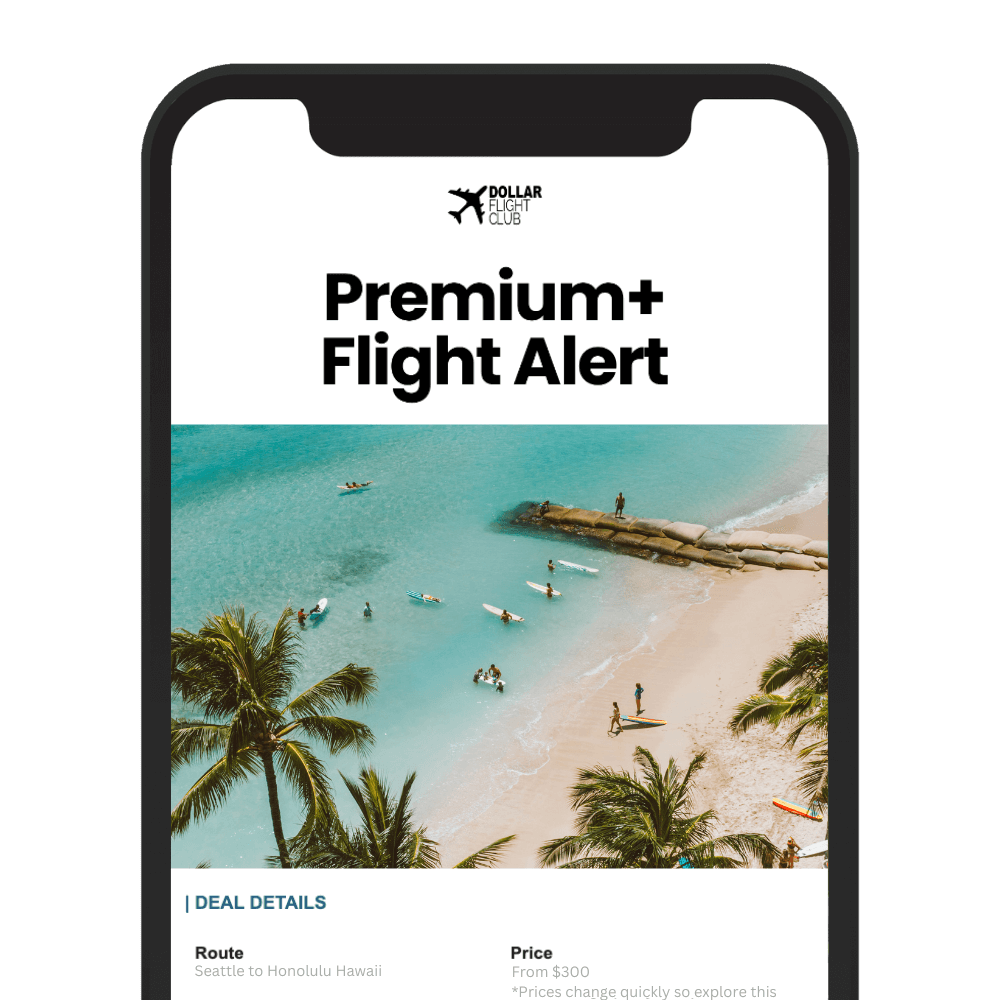
For $99/year, Dollar Flight Club’s Premium+ plan offers SMS alerts for deals, mistake fares, and even discounted business class tickets. If you don’t have time to track fares manually, services like this are invaluable for catching deals in real time.
Track Fare Trends and Book at the Right Time
Timing is everything when it comes to booking flights. For holiday travel, locking in Thanksgiving or Christmas flights as early as August or September can save you up to 25% compared to waiting until closer to the holidays.
Start tracking fares about two months before your trip. Set up alerts for your desired route and keep an eye on price trends. When fares drop, be ready to book immediately. Even a small amount of flexibility – shifting your trip by a day or two – can open up opportunities to save.

Conclusion
Finding the best prices on international flights comes down to timing, destination choices, and booking strategies. Flying during the shoulder season – those periods just outside peak travel times – can help you snag lower fares, as airlines tend to drop prices when demand is softer. Keeping these factors in mind can lead to smarter booking decisions.
Airfares, when adjusted for inflation, reached near-record lows by mid-2025, and this trend seems likely to hold steady into 2026. This means travelers who stick to the principles outlined here – like timing their purchases and staying alert for deals – are in a strong position to save money.
Timing is key, but it’s only part of the equation. Staying vigilant for flash sales, mistake fares, or limited-time discounts is equally important, as these deals can vanish within hours. Services like Dollar Flight Club make this process easier by sending real-time alerts via email and SMS when prices drop. Their Premium+ plan, priced at $99/year, offers full access to deals across all flight classes, multiple departure airports, and instant SMS notifications – helping you act fast when the best deals pop up.
FAQs
How do I know if a fare drop is worth booking now?
When you spot a fare drop, it’s worth booking if the price aligns with your budget and travel plans. For international flights, the sweet spot for booking is usually 2–6 months before departure. Interestingly, Fridays often have some of the lowest prices available.
To snag a good deal, keep an eye on prices, set up alerts, and act fast when the fare looks right. Flight prices can shift without warning, so booking quickly helps you secure the savings while the offer still matches your travel needs.
What if my trip dates are fixed – how can I still save?
If your travel dates are set in stone, timing your booking can make a big difference. For international flights, the sweet spot for the lowest fares is usually 3 to 6 months before departure, though this can vary by destination. Midweek bookings, particularly on Tuesdays or Wednesdays, often come with better prices. To snag the best deals, keep an eye on fare trends and sign up for flight alerts to get notified about discounts.
How do seasonal weather risks affect the cheapest months?
Seasonal weather challenges, such as winter storms or hurricane seasons, often result in more cancellations and delays, prompting airlines to hike fares during these periods of heightened disruption. On the flip side, the most budget-friendly months to travel are usually January through February and September through October. During these times, weather-related risks tend to ease, and demand for air travel drops.