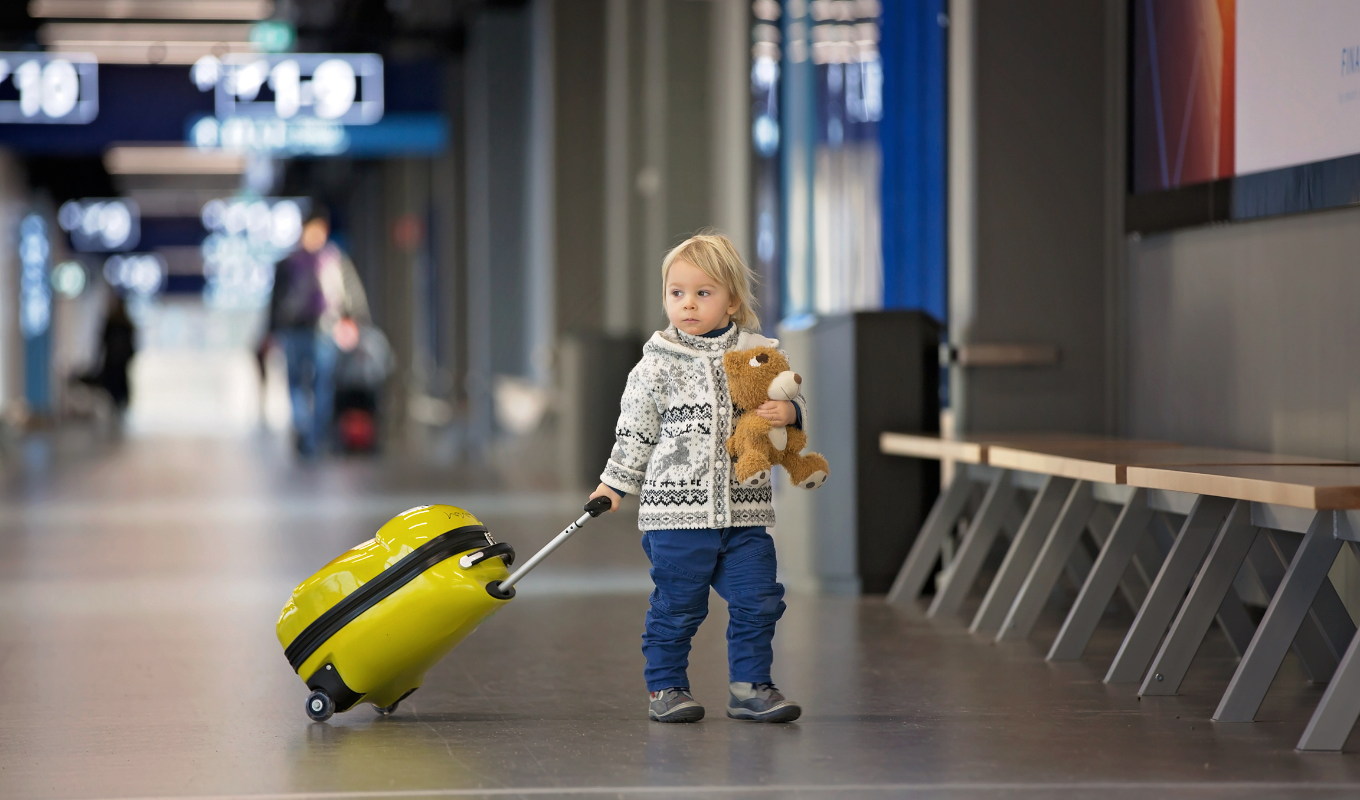
Flying long distances with toddlers can feel overwhelming, but preparation and flexibility go a long way. Here’s how to make it easier:
- Pick the right seats: Window seats work for nappers; aisle seats are better for active toddlers. Bulkhead seats with bassinets can help, but avoid noisy areas near galleys or restrooms.
- Pack smart: Bring essentials like diapers, wipes, spare clothes, snacks, and comfort items. Include antibacterial wipes, medications, and spill-proof cups.
- Keep them entertained: Use mess-free toys, sticker books, or preloaded tablets with headphones. Switch activities often to hold their attention.
- Help them sleep: Overnight flights align with natural sleep schedules. Stick to bedtime routines and consider white noise machines or inflatable seat extenders.
- Manage meltdowns: Stay calm, use distractions like snacks or new toys, and take breaks when needed.
The key? Focus on comfort and staying calm. The flight is temporary, but the memories you’ll make are worth it.

Choosing the Right Seats
Picking the right seat can make a huge difference when flying long-haul with a toddler. A well-chosen seat can provide extra space, easier restroom access, and better control over your little one. On the flip side, the wrong seat could mean constant interruptions and less rest for everyone.
Window vs. Aisle Seats
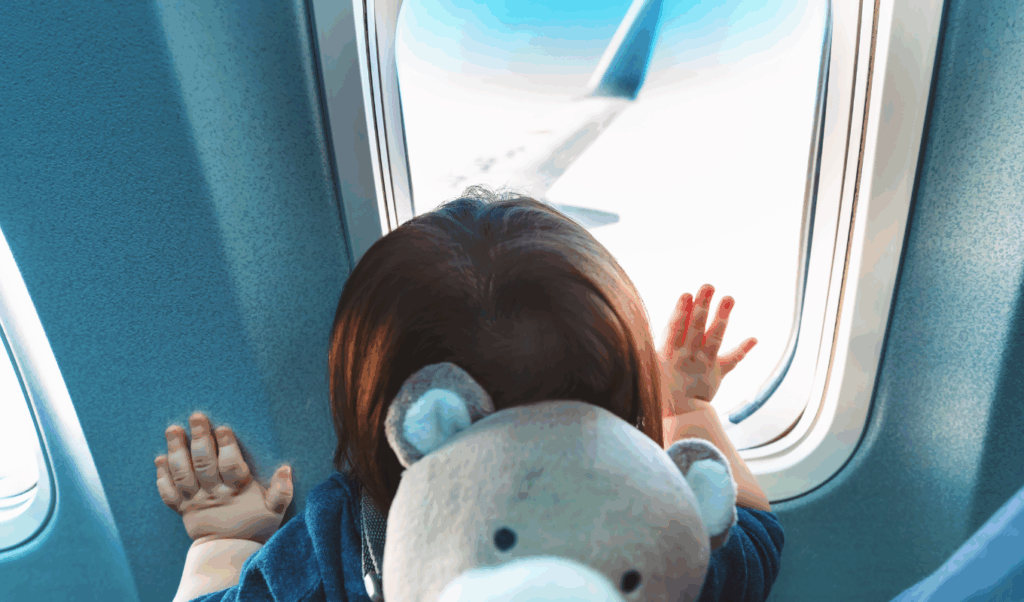
If your toddler tends to nap during flights, a window seat might be your best bet. The window gives them something to look at and a surface to lean on while sleeping. However, keep in mind that window seats can make getting in and out of your row more challenging.
For toddlers who are more active or need frequent bathroom breaks, aisle seats are a solid choice. They allow for quick trips to the restroom, easy access to overhead bins, and a bit more room for stretching. That said, aisle seats come with their own challenges – your toddler might be more prone to bumps from passing carts or passengers. If your child is younger, consider requesting a bassinet for added comfort.
Bassinet Seats for Young Children
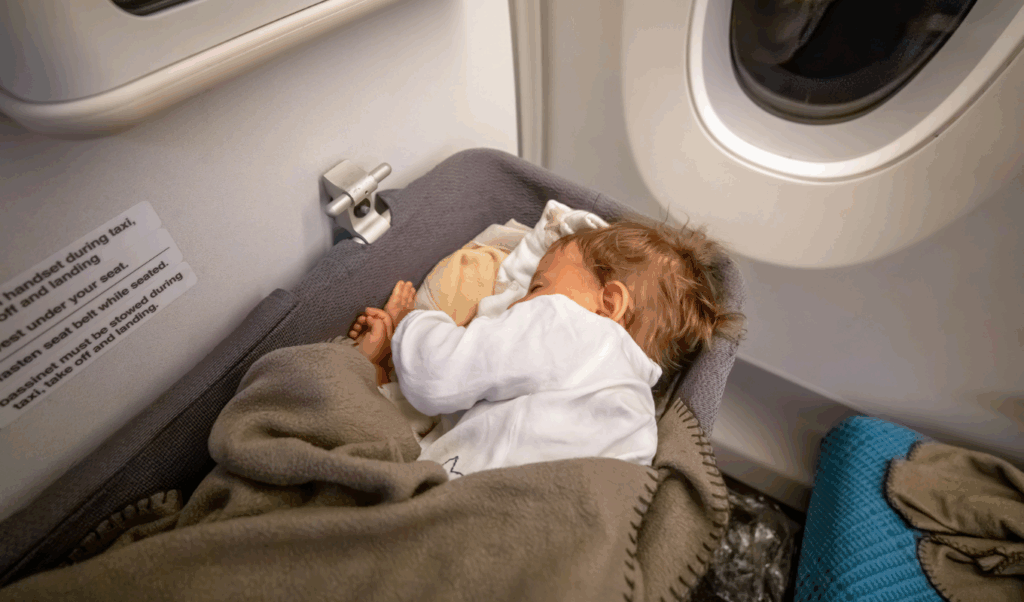
Bassinets can be a lifesaver for toddlers under 2 years old who weigh less than the typical limit of around 22 pounds. These attach to the bulkhead, giving your child a comfy place to sleep and freeing up your hands. However, bassinets are limited – many flights only have one or two available – so it’s crucial to call the airline right after booking to secure one.
Bulkhead seats, where bassinets are usually located, offer extra legroom but come with trade-offs. They lack under-seat storage during takeoff and landing, and the armrests are usually fixed. Don’t forget to pack a familiar blanket to help your toddler settle in and get some rest.
Avoiding Busy Areas
Seats near galleys and lavatories tend to be noisy and see a lot of foot traffic, which can disrupt your toddler’s sleep. However, if your toddler is potty training, being closer to the restroom might be worth the extra noise. Avoid the last row, as those seats often don’t recline fully, and remember that exit rows are off-limits for children under 15.
To plan ahead, use tools like SeatGuru to check your aircraft’s layout. This can help you avoid high-traffic zones and pick the best seat for your family. Once you’ve secured the right spot, you can focus on packing everything your toddler needs to stay comfortable and entertained during the flight.
What to Pack for Your Toddler
Packing smart is the secret to a smoother flight with your toddler. The trick is to strike a balance – bring enough essentials to handle surprises without overloading your carry-on.
Carry-On Essentials
Diapers and wipes are a must, even if your toddler is potty trained. Turbulence or delays can make bathroom trips tricky, so it’s better to be prepared. Pack a full outfit change for your toddler and a spare shirt for yourself – spills and sickness happen.
Health and hygiene items should also be on your list. Use antibacterial wipes to clean tray tables, armrests, and seatbelt buckles as soon as you board. A thermometer and medications like Tylenol, ibuprofen, or Benadryl can be lifesavers for unexpected fevers or allergies. A baby carrier can be invaluable for calming a restless toddler while leaving your hands free for security checks or walking the aisles.
To help with sleep, pack comfort items like a lovey, pacifier, or sleep sack. A portable white noise machine, such as the Yogasleep Rohm ($20–$30), can block out engine noise and make napping easier. If you’re using a bassinet, bring a dark muslin cloth and clips to shield your baby from cabin lights. Don’t forget large Ziploc bags for soiled clothes and trash – they’ll keep your bag organized.
Food and Snacks
Snacks are key to keeping your toddler content. Pack more food than you think you’ll need to cover delays or skipped airplane meals. Low-mess options like crackers, dried fruit, raisins, and sandwiches are ideal. For longer flights, extra snacks can be a lifesaver.
To ease ear pressure during takeoff and landing, bring lollipops, gummy snacks, or apples to encourage swallowing. You can make snacking more fun by using pill organizers or formula dispensers to portion out treats. Freeze applesauce or yogurt pouches before the flight – they double as ice packs and will thaw into a chilled snack in a few hours.
Bring two spill-proof cups – one for water and one for milk. The Munchkin Miracle 360 Cup is a popular choice for its no-spill design, even on bumpy flights. Remember, TSA allows formula, breast milk, and toddler drinks in larger quantities, but you’ll need to remove them from your bag for separate screening.
Entertainment Items
Keeping your toddler entertained is all about variety. Mess-free options like Melissa & Doug “Water Wow!” books ($5–$8), magnetic drawing boards, and Crayola Color Wonder markers ($6–$9) are great choices. Triangular crayons are another good pick – they’re easier to grip and less likely to roll off the tray table.
For added excitement, wrap small toys in tissue paper for a surprise reveal. Introduce them one at a time to keep your toddler engaged. Reusable sticker sets, window gel clings, magnetic blocks, and suction-cup fidget spinners are also excellent options – they stay put and won’t fall onto the floor.
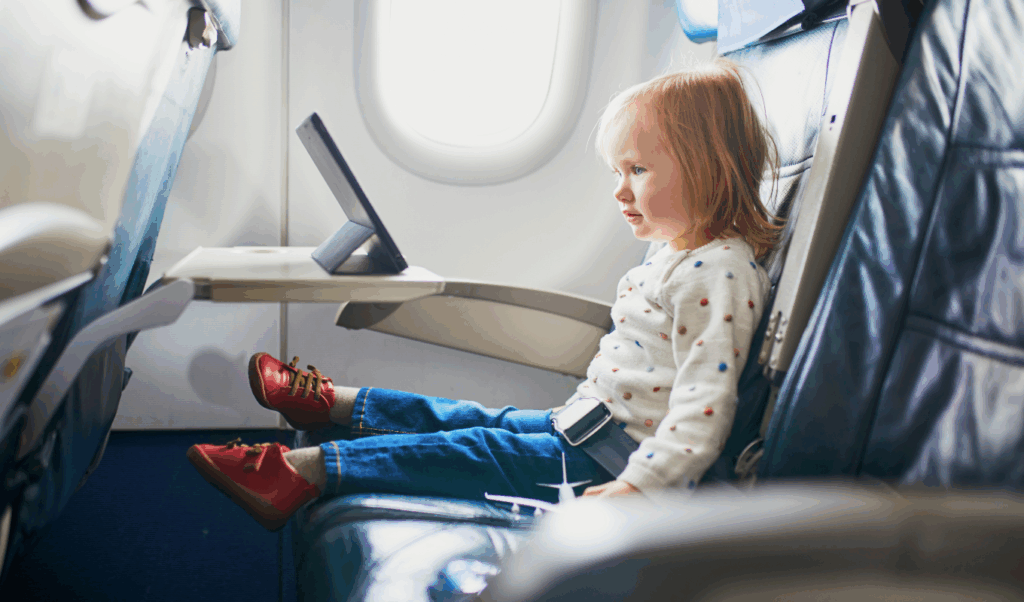
Everyday items can work wonders too. Post-it notes, painter’s tape, and empty plastic bottles can entertain for surprisingly long stretches. If you’re bringing a tablet, preload it with offline content and pair it with child-friendly, volume-limiting headphones like the JBL JR310BT ($30–$55) to protect little ears. Before the flight, peel off the background from sticker sheets to make it easier for tiny fingers to grab the stickers on their own.
Helping Your Toddler Sleep
Getting a toddler to sleep on a plane is no small feat, but with the right approach, you can make it happen. Even a few hours of rest can make a huge difference, helping everyone feel more relaxed and ready for the journey ahead.
Picking the Best Flight Time
For long-haul trips, overnight flights are often the best choice. A departure around 7:00 PM or 8:00 PM aligns with your toddler’s natural sleep schedule, and the dark, quiet cabin environment can encourage sleep. If all goes well, your little one might get 5–10 hours of rest, making the journey a lot smoother.
Early morning flights can also work, especially if your toddler is calm and happy at dawn. These flights are usually more punctual, which means fewer delays to deal with. For extra-long trips, consider booking a lengthy first leg – around 13 hours – to avoid layovers that could disrupt your toddler’s sleep. Also, think carefully about arrival times. Landing at midnight might seem convenient, but it could backfire if your toddler struggles to fall asleep again after arriving.
Setting Up for Sleep
Recreating bedtime routines is key. Changing your toddler into pajamas, reading a short story, and dimming the lights can help signal that it’s time to wind down. These familiar cues make it easier for their brain to switch into sleep mode, even in an unfamiliar setting.
If possible, choose seats near the back of the plane. The engine noise can act as white noise, which some toddlers find soothing. If your airline offers bassinets, drape a dark muslin cloth over them to block out cabin light. For older toddlers, check with the airline about inflatable seat extenders or airplane beds that can turn a seat into a flat sleeping space. If meal service might interrupt their sleep, request a delayed meal to keep things calm.
And if sleep doesn’t come easily, don’t stress – there are other ways to keep your toddler content.
When Sleep Doesn’t Happen
Sometimes, no matter what you do, your toddler just won’t sleep. That’s okay! If they’re awake but calm, let them enjoy some free time. According to a baby sleep consultant and founder of Baby Sleep Code, it’s best not to stress over nap timing or length. Forcing sleep can make things harder for everyone.
Instead, switch to distraction mode. Bring along new, wrapped toys to introduce one at a time, allow some screen time, or take a stroll up and down the aisle with a baby carrier. Heading to a quieter spot, like the back galley, can give you extra space to move around, and the engine noise there might even help lull your toddler to sleep.
If you’re traveling with a partner, take turns stepping away for breaks to stay calm. Toddlers pick up on stress quickly, so keeping your cool is important. And if sleep just doesn’t happen, consider keeping your toddler awake toward the end of the flight to help them settle into bedtime more easily once you arrive.
Entertainment Options for Toddlers
Keeping your toddler entertained on a long flight is just as important as packing smart and planning for sleep. To keep things calm and enjoyable, try switching up activities every 30 to 60 minutes to hold their attention.
Hands-On Activities
Mess-free activities are a lifesaver when you’re dealing with the tight quarters of an airplane. Options like Water Wow! books, LCD writing tablets, and magnetic drawing boards let kids draw and erase as much as they want without worrying about spills or stains. On the flip side, avoid messy items like Playdoh – it’s not fun to clean up in a cramped space.
Toys that encourage fine motor skills are another great choice. Buckle toys, busy boards, and lacing cards can keep little hands engaged while helping them practice zipping, threading, and other small tasks. If you’re looking for simple, low-cost options, everyday household items can work wonders. Think post-it notes, painter’s tape, or pipe cleaners tucked into a spice jar. Even pom-poms in a pill organizer can provide endless entertainment. Restickable stickers are another winner – toddlers love peeling them off and sticking them back on.
If you want to add an extra layer of excitement, wrap up a few new toys individually. The unwrapping process itself can keep your child entertained. Pack triangular crayons to prevent them from rolling away and bring along reusable gel clings or washi tape to let your toddler decorate the window. Once they’ve had their fill of hands-on fun, you can mix things up by introducing digital options.
Using Screens Wisely
Long flights are a good time to loosen up on screen time rules. Screens, when used thoughtfully, can be a lifesaver. Before your trip, download the airline’s entertainment app, movies, and games, as in-flight Wi-Fi often isn’t reliable for large downloads. Educational apps like ABC Mouse, Khan Academy Kids, or the CBeebies app are excellent choices. To keep things under control, consider turning off autoplay so you can manage how much they watch. Wireless Bluetooth headphones are another must – they’re tangle-free and keep the peace with other passengers.
Make screen time more interactive by co-watching. Chat about what’s happening on-screen, point out familiar objects, or describe characters’ actions. When it’s time to take a break from screens, have physical alternatives ready to ease the transition – stickers, coloring books, or simple puzzles work well. After screen time, engaging with others can offer a refreshing change of pace.
Social Interaction
Sometimes, the best entertainment is right around you. Simple games like “I Spy” or a scavenger hunt (spotting something blue or counting seat numbers) are easy to play and sneak in a bit of learning. Singing nursery rhymes with hand motions, like “Twinkle Twinkle Little Star” or “If You’re Happy and You Know It”, can also be a hit in the limited space of an airplane.
Get creative with what’s on hand. Turn paper cups into puppets by drawing faces on them, or use a drawing tablet for a guessing game where you take turns sketching animals or shapes.
Interacting with the cabin crew can also be a fun adventure. Some flight attendants enjoy involving little ones during service, which can make your toddler feel special. A quick walk up and down the aisle (when it’s safe) can provide a change of scenery, and chatting with other parents might even lead to an impromptu playmate for your child. Showing photos or videos of family members on your phone can also offer comfort and keep your toddler engaged during quieter moments of the flight.
Handling Meltdowns
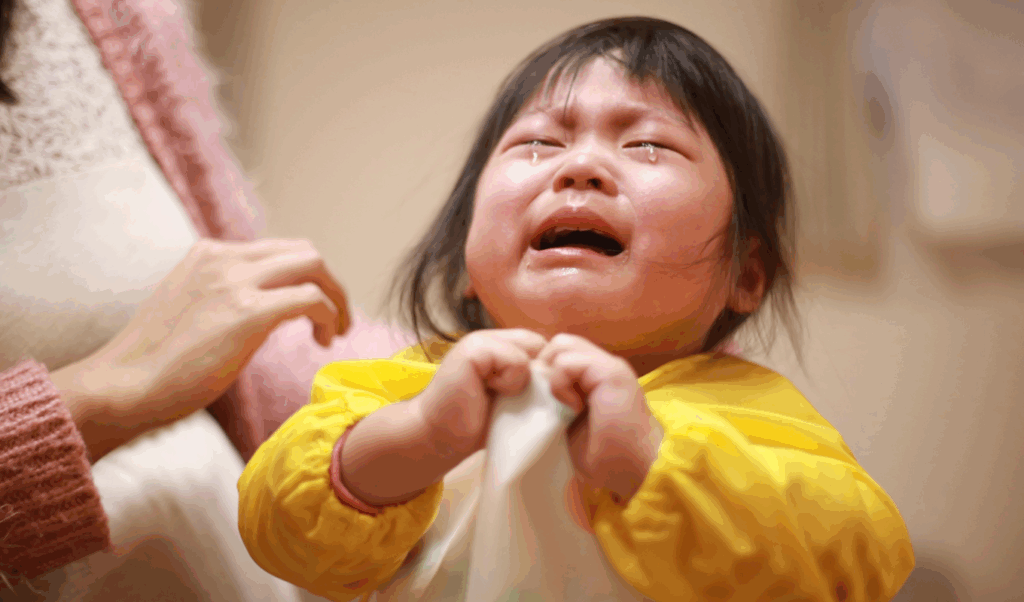
No matter how much you plan, emotional outbursts are bound to happen when flying with toddlers. The combination of their still-developing emotional regulation and the overwhelming environment of a crowded airplane can make meltdowns feel almost inevitable. After all, for a toddler who’s only been on this planet for a couple of years, the whole experience can be a lot to handle.
Setting Realistic Expectations
Flying with toddlers is unpredictable – plain and simple. Accepting this reality can help you keep a positive mindset. When things go sideways (and they will), try to view those moments as future stories to laugh about. Avoid forcing naps or meals during the flight; if your toddler refuses to sleep, it’s often better to let it go than to engage in a power struggle at 30,000 feet. Loosening up on the usual rules can also reduce tension for both you and your child.
Distraction Methods
When emotions start to boil over, distraction can be your best friend. Something as simple as a quick trip to the lavatory to explore its buttons and gadgets can shift your toddler’s focus. High-value snacks, a brand-new toy, or even a small surprise can buy you anywhere from 5 to 20 minutes of calm . If the seatbelt sign is off, taking a walk down the aisle or letting your little one chat with a friendly flight attendant might help break up the monotony. The key is to stay calm and take things moment by moment.
Staying Calm as a Parent
Your calmness can make all the difference. Think of the “oxygen mask” rule: you have to take care of yourself first. Deep breaths and simple mental exercises can help you stay grounded and ignore any judgmental stares from others. If you’re traveling with a partner, trade off short breaks in a quiet spot to reset.
When dealing with your child, try emotional validation instead of demands. Saying things like “You are safe, I am here” or “I know you’re scared” can help your toddler feel understood. Once they begin to settle, a quick word of praise can reinforce their calm behavior.
Conclusion
Long-haul flights with toddlers can feel overwhelming, but with a little preparation and a lot of flexibility, they’re entirely manageable. Focus on the basics: pack extra snacks, pick seats that offer more space (like bulkhead or bassinet rows), and load up devices with kid-friendly entertainment. These small steps can make a big difference in how smoothly the journey goes.
The biggest adjustment is in your mindset. Traveling with little ones isn’t about relaxation – it’s an adventure. Once you stop aiming for perfection and accept the flight as something to get through rather than enjoy, the pressure eases. Forget about strict screen time limits or rigid rules; keeping everyone calm and content is the real priority.
Your own composure plays a huge role. As mentioned earlier, staying grounded helps keep meltdowns at bay. If you’re traveling with a partner, take turns stepping away for a breather. Flying solo? Don’t hesitate to accept help from the cabin crew or a kind fellow passenger.
Here’s some encouragement from seasoned parents: they almost never regret traveling with their kids. The flight is temporary, but the memories you’ll create at your destination are priceless. And with each trip, you’ll gain confidence and figure out what works best for your family.
FAQs
Should I buy my toddler their own seat?
Buying your toddler their own seat on a long-haul flight can make a world of difference. Having that extra space means your little one can move around more freely and even stretch out to sleep, which can be a game-changer for keeping them calm and comfortable. Sure, it’s an added expense, but the payoff often comes in the form of a smoother journey for everyone. With more room to relax, you’re less likely to face meltdowns from discomfort or feeling cramped – making the trip far less stressful for both you and your toddler.
What can I do if my toddler’s ears hurt on takeoff or landing?
To help your toddler with ear discomfort during takeoff or landing, focus on activities that encourage swallowing or chewing. For babies, nursing or using a bottle can be effective. Older children might find relief by sipping on a drink, chewing gum, or sucking on a lollipop. Offering a toy or gently encouraging swallowing motions can also help ease the pressure.
How do I handle jet lag after a long flight with a toddler?
To help your toddler adapt to a new time zone, prioritize getting them outside for fresh air, natural light, and some activity as soon as you arrive. Sync their meal times with the local schedule to help reset their internal clock, and try to limit naps to avoid disrupting nighttime sleep. Keeping their routine as steady as possible can provide comfort and stability. Before the trip, gradually adjust their sleep schedule to align more closely with the destination’s time. Make sure they stay hydrated, and try to avoid overstimulating activities that might make it harder for them to settle. Remember, it may take a few days for them to fully adjust, so patience is key.