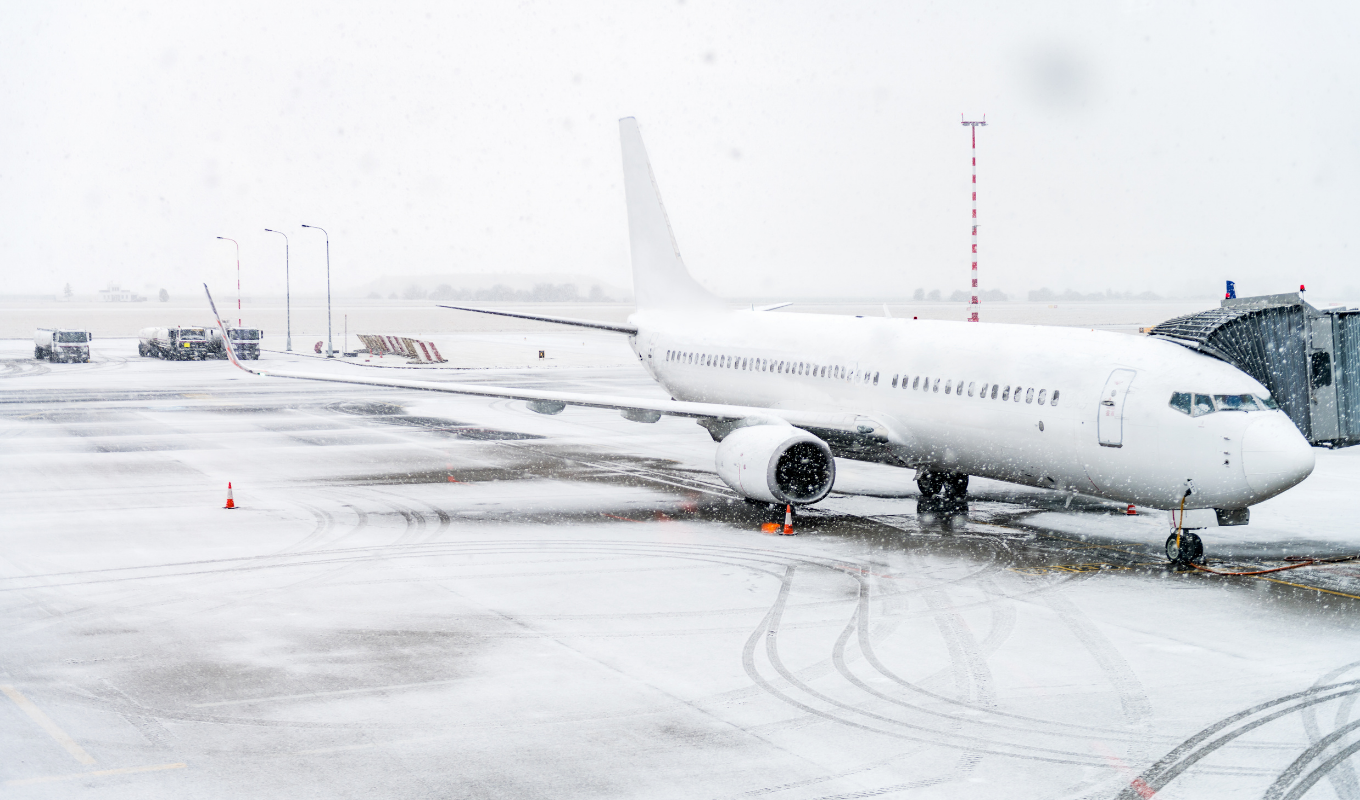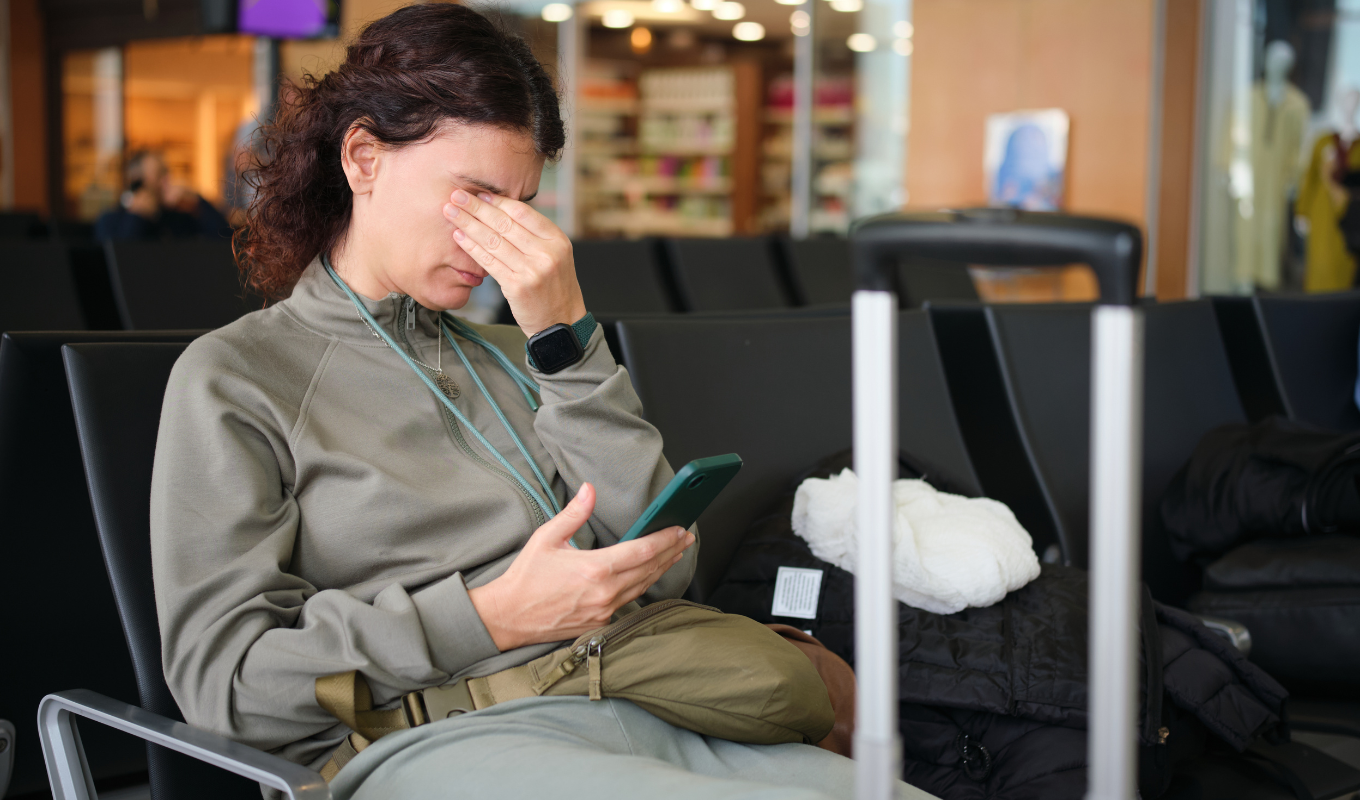

When your flight is canceled or delayed, acting quickly and knowing your rights can save you time and frustration. Here’s what to do:
- Rebook Immediately: Use the airline’s app, website, or self-service kiosks to secure a new flight. Lines at the service desk can be long, so consider contacting the airline through multiple channels (e.g., hotline, app, or even international offices).
- Check Airline Policies: Understand whether the delay is “controllable” (e.g., mechanical issues) or “uncontrollable” (e.g., weather). This determines if you’re eligible for perks like meal vouchers or hotel stays.
- Know Your Rights: U.S. passengers are entitled to a full refund if a flight is canceled or delayed significantly (over 3 hours for domestic flights, 6 hours for international). Airlines must process refunds within 7 business days for credit card payments.
- Keep Receipts: Cover costs like food, hotels, or transportation if the airline doesn’t provide vouchers immediately. Many travel credit cards offer delay insurance for reimbursement.
- Explore Alternative Routes: Look into nearby airports, partner airlines, or even trains for the final leg of your trip. Frequent flyer miles can also be helpful for last-minute bookings.
- Claim Compensation: EU and UK regulations provide stronger protections than U.S. laws. You may be eligible for cash compensation of up to €600 for delays or cancellations caused by the airline.
Stay calm, act fast, and use tools like flight trackers and alert services to stay informed. Whether you seek a refund or rebooking, being prepared and polite can make the process smoother.

What to Do First at the Airport
When a flight gets delayed or canceled, time is of the essence – rebooking is handled on a first-come, first-served basis. Here’s how to navigate the situation effectively.
Check Your Flight Status
Don’t just rely on the airport’s monitors for updates. Use a search engine or a flight tracker to look up your airline and flight number for real-time information. These tools can even show where your inbound plane is coming from. If the plane hasn’t left its previous location, chances are the delay could stretch longer – so start looking into rebooking options as soon as possible.
Once you confirm that your flight is disrupted, ask the airline whether the issue is “controllable” or “uncontrollable.” Controllable issues include things like mechanical problems, crew scheduling, or fueling delays. Uncontrollable ones might involve weather, air traffic control, or security concerns. Why does this matter? Because it determines whether you’re entitled to perks like meal vouchers, hotel stays, or transportation.
Afterward, reach out to the airline immediately to discuss rebooking options.
Talk to the Airline Right Away
Don’t wait – contact the airline through multiple channels at once. Use the customer service desk, hotline, and mobile app simultaneously. If domestic lines are jammed, try calling the airline’s international offices for quicker assistance.
If the line at the main service desk is daunting, consider buying a day pass to the airline’s lounge (around $59 for United Club or American‘s Admirals Club). These lounges often have agents who can help rebook flights, and you’ll be waiting in a more relaxed environment. Before speaking to an agent, do some homework – use the airline’s app or tools like Google Flights to identify alternate routes, including options with partner airlines. Having specific suggestions ready can streamline the process. And remember, staying calm and polite often works in your favor.
Get Food, Water, and a Place to Stay
For controllable delays lasting more than three hours, most major U.S. airlines will provide meal vouchers or cash reimbursements. If the delay forces an overnight stay, airlines (except Frontier) typically offer complimentary hotel accommodations and ground transportation.
If vouchers aren’t handed out right away, cover your expenses and keep all receipts for reimbursement later. You can also pull up the U.S. Department of Transportation’s Cancellation and Delay Dashboard on your phone to review what the airline has committed to providing. Additionally, many travel credit cards include delay insurance, which can reimburse costs for meals and hotels during disruptions.

How to Rebook Your Flight
Use Airline Apps and Websites
Airline apps are a lifesaver when it comes to rebooking flights. With most apps, all you need is your reservation code to rebook without waiting in long lines. Before your trip, download the airline’s app and enable text alerts to stay updated on any changes. At the airport, self-service kiosks offer a similar convenience – just scan your boarding pass and browse available flights without needing to talk to an agent. Doing a bit of homework beforehand, like checking which flights have open seats, can save you time and improve your chances of securing the next available flight. These tools make the rebooking process faster and more efficient.
Look at Different Routes and Airports
If direct flights are full, think outside the box. Explore alternative routes or nearby airports. For example, Philadelphia might have more options than Newark. You could also consider flying into a major hub and then taking a regional carrier or even a train for the last leg of your journey.
Some airlines, like Alaska, American, Delta, JetBlue, and United, have agreements with competitors, allowing them to rebook you on another airline at no extra cost. However, airlines like Southwest, Spirit, and Frontier typically keep you within their own network. If you have frequent flyer miles, this might be the perfect time to use them. Many U.S. airlines now let you cancel mileage tickets without fees, even right up until departure, giving you extra flexibility.
Use Flight Alert Services
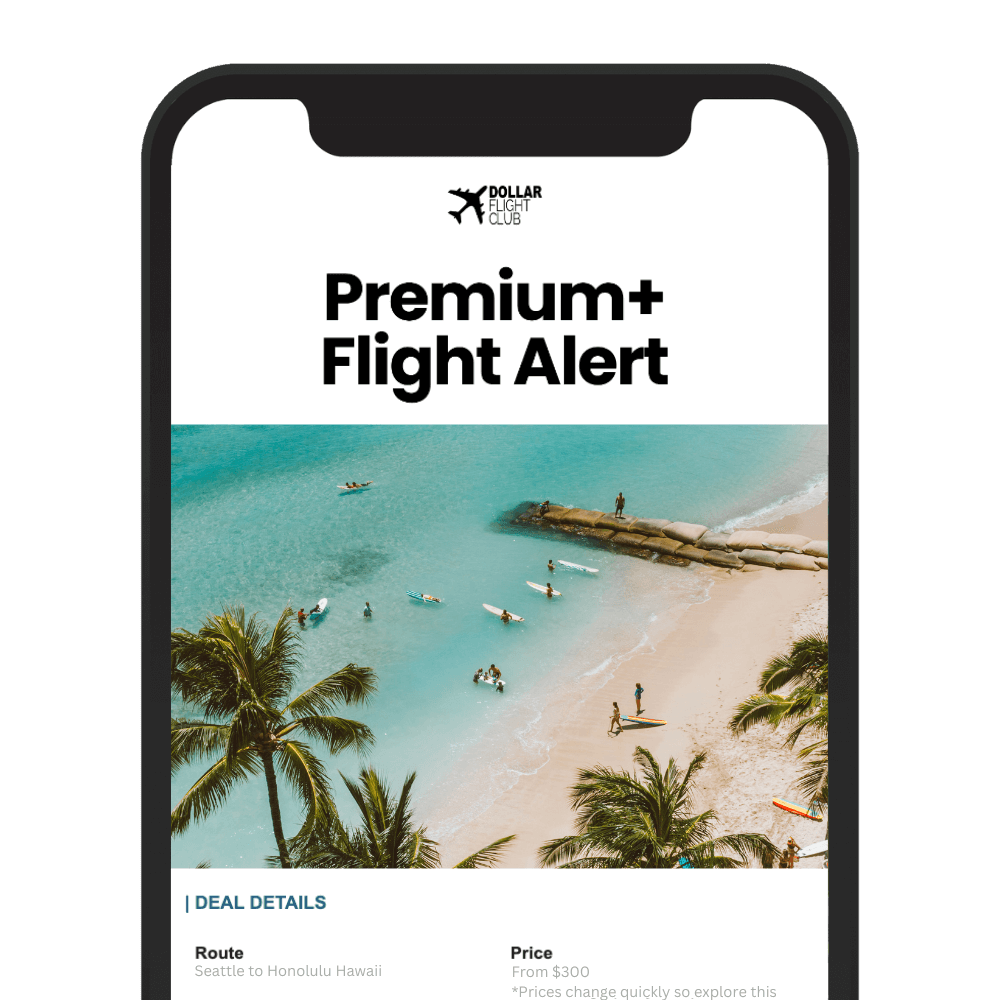
Flight alert services can be a game changer during travel disruptions. Services like Dollar Flight Club send email and SMS notifications about discounted flights – sometimes up to 90% off. These alerts can point you to alternative routes or airlines you might not have considered, helping you reach your destination without overspending.
For premium members, the service gets even better. You can set up alerts for up to four departure airports and prioritize ten destinations, which is handy if you’re open to flying from a nearby city to avoid delays. Plus, they notify you of mistake fares and exclusive deals, potentially saving you hundreds of dollars when you’re scrambling to rebook.

Your Rights as a Passenger
US Passenger Rights
In the United States, if your flight is canceled or significantly rescheduled, you’re entitled to a full refund if you decide not to travel. Airlines are required to return your money through the original payment method – within 7 business days for credit card payments or 20 calendar days for other payment methods.
A “major schedule change” can include several scenarios: for domestic flights, this means your flight departs more than 3 hours earlier or arrives more than 3 hours later than planned. For international flights, the threshold is a 6-hour shift. Other changes that qualify include switching departure or arrival airports, adding unexpected layovers, downgrading your seat class, or altering accessibility features for passengers with disabilities. If any of these occur and you reject the updated itinerary, you are eligible for a refund.
While federal law doesn’t require airlines to compensate passengers for delays, many U.S. airlines voluntarily provide perks like meal vouchers for delays exceeding 3 hours and hotel accommodations for overnight delays caused by factors within their control. You can review each airline’s specific policies on the Department of Transportation’s (DOT) dashboard at flightrights.gov. Additionally, if you’re involuntarily bumped from an oversold flight, you could receive compensation up to 400% of your one-way fare, capped at $2,150, depending on how much your arrival is delayed.
EU and UK Passenger Rights
If you’re flying in Europe or the UK, passenger protections go a step further. Under EU Regulation 261/2004 and UK law, you may qualify for fixed cash compensation if your flight is delayed by more than 3 hours upon arrival or canceled due to airline-related issues. Compensation amounts range from €250 to €600 (approximately $270 to $650), depending on the distance of your flight. These rules apply to flights departing from EU or UK airports or arriving on an EU or UK airline.
In addition to financial compensation, airlines are obligated to care for passengers facing significant delays. This includes providing meals, drinks, hotel accommodations, and transportation to and from the hotel – regardless of whether the delay was within the airline’s control. However, compensation is not required if the delay or cancellation results from extraordinary circumstances like severe weather, air traffic control strikes, or security risks. If the airline doesn’t meet its duty of care, hold on to your receipts – you can claim reimbursement later.

Refund or Voucher: Which to Choose
When your flight gets canceled or significantly changed, you’ll often face a choice: take a travel voucher or insist on a cash refund. Knowing your rights and weighing the pros and cons can help you make the best decision.
Under U.S. Department of Transportation rules, airlines cannot force you to accept a voucher. You are entitled to a full cash refund if you prefer it, regardless of what the airline offers. Here’s how to decide which option works better for you.
If you don’t foresee flying with the same airline in the next five years, a cash refund is the better option. Refunds are processed back to your original payment method – credit card refunds take up to 7 business days, while cash or check refunds can take up to 20 calendar days. With cash, you have complete freedom to use the money however you like, without worrying about expiration dates or restrictions.
On the other hand, some airlines may sweeten the deal by offering vouchers worth more than your original ticket – sometimes 110% or 120% of the ticket price. If this sounds appealing, dig into the details first. Ask about restrictions like blackout dates, whether the voucher can be used for international travel, or if it can be transferred to someone else. By law, vouchers must be valid for at least five years, and airlines are required to disclose all material restrictions upfront.
Refund vs. Voucher Comparison
Here’s a quick breakdown of the key differences to help you decide:
| Feature | Cash Refund | Travel Voucher / Credit |
|---|---|---|
| Form of Payment | Original form (credit card, cash, miles) | Voucher |
| Expiration | Never expires | Valid for at least 5 years |
| Flexibility | Usable anywhere for any purpose | Limited to the issuing airline’s flights |
| Processing Time | 7–20 days, depending on payment method | Usually available immediately |
| Transferability | Fully transferable (it’s cash) | Typically restricted to the original passenger |
| Taxes & Fees | Refund includes all fees | May not cover all fees |
Ultimately, the choice comes down to how likely you are to use the voucher and whether the added value outweighs the restrictions.

When You Can Get Compensation
The rules for compensation depend on where you’re flying. Sometimes, you might only get back the cost of your ticket, while in other cases, you could qualify for extra cash. Here’s a closer look at how compensation works for flights in the US and the UK/EU.
In the United States, there’s no federal law requiring airlines to offer cash compensation for delayed or canceled flights. Refunds are limited to the cost of your ticket. Some airlines, however, may offer vouchers – like $50 credits or 2,000 miles – for delays they could have prevented that last three hours or more. Keep in mind, these are goodwill gestures, not legal obligations.
Things are different in the United Kingdom and EU, where passengers have stronger protections. If your flight is canceled with less than 14 days’ notice and the airline is responsible (not due to extraordinary events like severe weather or air traffic control strikes), you could be entitled to fixed cash compensation. The amounts vary based on the flight distance: around £220 for short-haul flights under 1,500 km, £350 for medium-haul flights between 1,500 km and 3,500 km, and up to £520 for long-haul flights over 3,500 km. However, if your replacement flight gets you to your destination within 2, 3, or 4 hours (depending on the flight distance), these amounts may be reduced.
This guidance works alongside the rebooking and refund advice discussed earlier.
Compensation Rules by Region
Here’s a comparison of key compensation details between the US and UK/EU:
| Feature | United States | United Kingdom / EU |
|---|---|---|
| Cash Compensation for Delays | Not required by law | Up to £520 / €600 based on flight distance |
| Refund Trigger (Delay) | 3+ hours (domestic) / 6+ hours (international) | Typically 5+ hours delay (passenger may cancel) |
| Cancellation Notice | Refund required regardless of notice | Compensation applies if canceled under 14 days’ notice |
| Meals/Hotels During Delay | Based on airline policy | Legally required for most delays |
| Baggage Fee Refund | Required if baggage is delayed 12–30 hours | Not specifically required as a fee refund |
One important tip: if you’re flying in the US and want a cash refund, avoid accepting vouchers – they often come with strings attached and may waive your right to an automatic refund. On the other hand, if you’re flying from the UK or EU, even with a US airline, you might still qualify for cash compensation under their stricter rules.

Conclusion
Flight cancellations and delays can be a hassle, but acting quickly can help minimize the disruption. Start by rebooking your flight as soon as possible through any available channels – whether online, via the airline’s app, or by contacting customer service.
It’s also crucial to understand your rights. According to the Department of Transportation (DOT), you’re entitled to a cash refund if your delay exceeds 3 hours for domestic flights or 6 hours for international ones. If you’re eligible for a refund, don’t settle for vouchers – insist on cash. Keep all relevant documentation, including receipts, boarding passes, and any correspondence with the airline.
Once you’ve secured your rights, communicate clearly with the airline. Use the provided email templates to request refunds or file claims for compensation without delay.
Staying informed can also make a big difference. Services like Dollar Flight Club send alerts for discounted flights via email and SMS, giving you more options to rebook when disruptions occur.
With the right preparation and a calm approach, what starts as an inconvenience can become a manageable challenge. Know your rights, act fast, and stay focused on resolving the situation.
FAQs
What can I do if I can’t find a good rebooking option through the airline’s app?
If you can’t find a rebooking option through the airline’s app, consider checking their website or using an airport kiosk. By scanning your boarding pass or entering your confirmation code, you can usually access updated trip details and explore other available flights.
Still not having any luck or not happy with the options? Reach out to the airline’s customer service directly. Airlines are often obligated to offer alternative flights, and in certain situations, you might qualify for a refund if you decide not to rebook. Don’t forget to inquire about your rights and any compensation you might be entitled to.
How can I tell if a flight delay is within the airline’s control?
Flight delays fall into two main categories: controllable and uncontrollable. Controllable delays happen due to issues within the airline’s control, like mechanical glitches, crew scheduling mishaps, or maintenance-related setbacks. Uncontrollable delays, on the other hand, are caused by factors outside the airline’s reach, such as severe weather, air traffic control restrictions, or natural disasters.
Understanding this distinction is key. It helps clarify your rights and what kind of assistance you might be entitled to – whether it’s rebooking options or compensation – based on the situation and the relevant regulations.
What are my rights if my flight is canceled in the EU or UK?
If your flight gets canceled while you’re traveling in the EU or UK, airlines are required to assist you. This includes offering a refund or rebooking you on a different flight. In some cases, you might also qualify for compensation under EU Regulation 261/2004 or UK laws.
Whether you’re eligible for compensation depends on a few factors: how long the delay is, why the flight was canceled, and how far in advance you were informed. On top of that, airlines must provide basic support, such as meals, drinks, and hotel stays if needed, while you’re waiting for your next flight.
For the most accurate details, it’s best to contact the airline directly or check the passenger rights provided by EU and UK authorities.