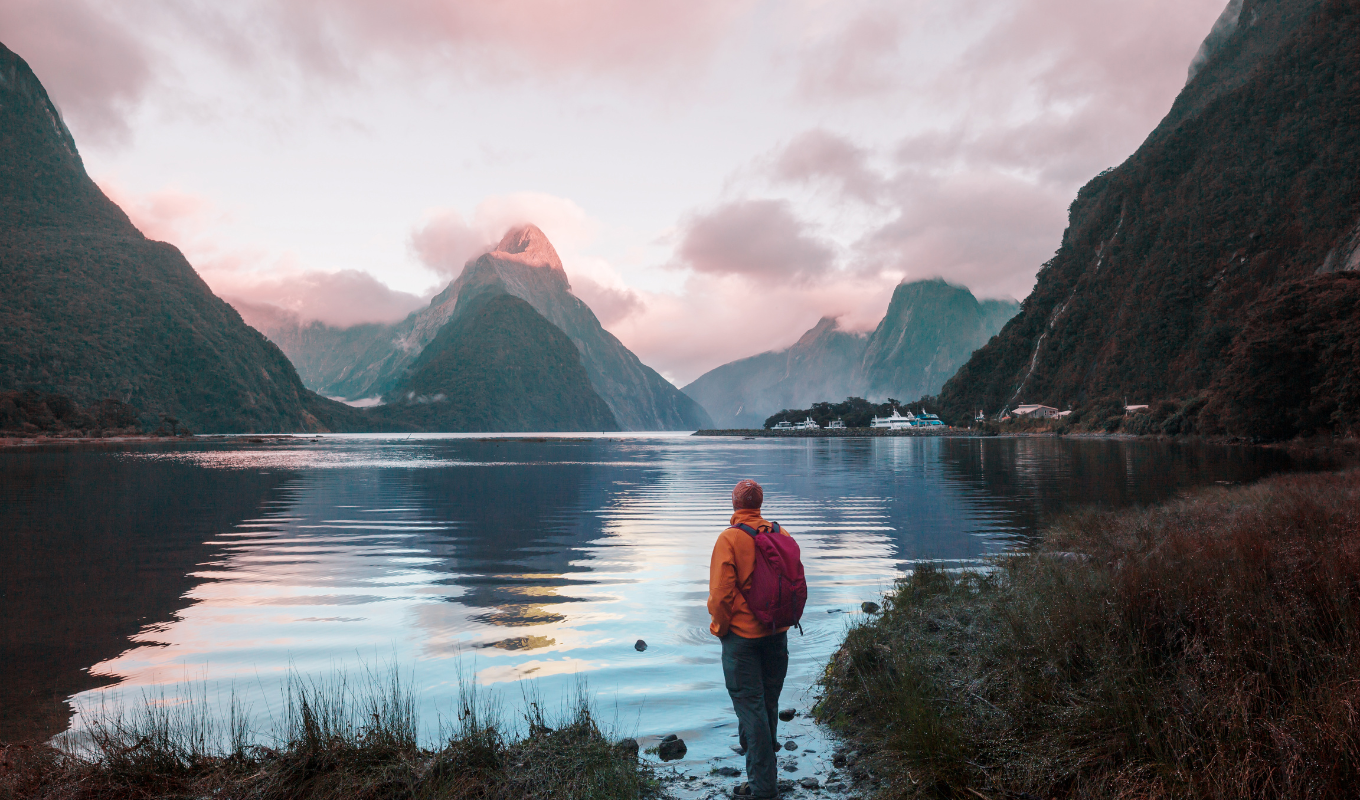
New Zealand is a dream destination packed with stunning landscapes, outdoor adventures, and rich heritage. From the fjords of Milford Sound to the volcanic terrains of Tongariro, this small island nation offers something for everyone. Here’s what you need to know:
- Top Attractions: North Island highlights include Rotorua’s geothermal wonders and Māori experiences, while the South Island boasts Queenstown’s adventure sports, Fiordland’s fjords, and glacier hikes.
- Best Time to Visit: Summer (Dec–Feb) is peak season for beaches and hiking. For fewer crowds, try spring (Sep–Nov) or fall (Mar–May).
- Budget Tips: Daily costs range from $70 for budget travelers to $300+ for luxury. Save on flights using tools like Dollar Flight Club and consider self-catering or hostels.
- Getting Around: Rent a car for flexibility or use InterCity buses and domestic flights for convenience. Campervans are popular but pricier.
- Entry Requirements: U.S. citizens need a valid passport and an NZeTA for short stays. Declare all food and outdoor gear at customs to avoid fines.
Whether you’re hiking the Tongariro Alpine Crossing, cruising through Milford Sound, or enjoying a hāngi feast in Rotorua, New Zealand promises unforgettable experiences. Start planning today!
Planning Your Trip
When to Visit
New Zealand’s seasons flip compared to the U.S., with summer spanning December through February. During this time, temperatures hover between 68–77°F in hotspots like Auckland and Queenstown. It’s perfect for beach trips, hiking adventures, and lively festivals. But keep in mind, it’s also the busiest period, especially around Christmas and New Year, so prices climb, and accommodations fill up fast. If you’re planning on popular activities like Milford Sound cruises or hiking the Great Walks, booking early is a must.
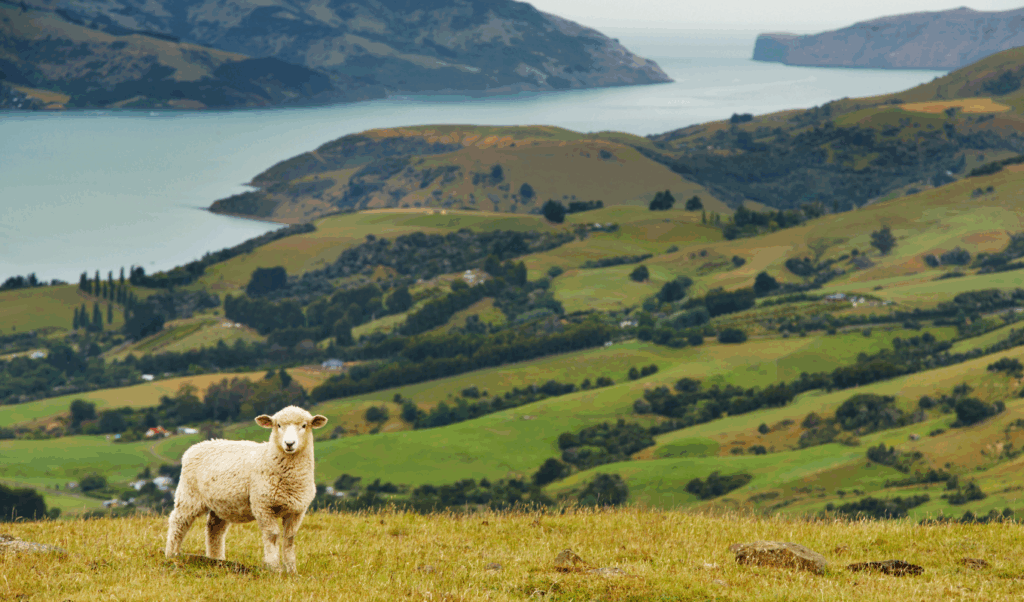
Fall, from March to May, offers cooler days (55–70°F) and crisp evenings, with stunning autumn foliage in places like Central Otago. This season is quieter, with fewer crowds and lower costs, though some summer-only tours may scale back. Spring, running September through November, shares similar perks: temperatures between 50–65°F, blooming wildflowers, and adorable lambs dotting the countryside. However, weather can be unpredictable, and snow might linger on higher-altitude trails. Both seasons strike a balance between pleasant weather and fewer visitors, making them ideal for those looking to avoid the summer rush.
Winter, from June to August, brings cooler temps – around 45–55°F in most areas and colder in the mountains. This is ski season in the Southern Alps, with destinations like Queenstown, Wānaka, and Mt. Hutt buzzing with snow sports enthusiasts. Meanwhile, non-ski regions enjoy quieter streets, lower prices, and a slower pace, though shorter days and occasional rain or snow are worth considering.
Once you’ve picked your travel dates, it’s time to sort out entry requirements to ensure a hassle-free trip.
Entry Requirements
If you’re a U.S. citizen, you’ll need a valid passport for the entire duration of your stay, with at least three months of validity beyond your departure date to avoid airline hiccups. For short visits (up to 90 days), you qualify for New Zealand’s visa waiver program, but you’ll need to apply for a New Zealand Electronic Travel Authority (NZeTA) before your trip. The application process is straightforward, requiring basic personal and travel info, and approvals are usually granted within 24 hours. Once issued, the NZeTA is good for multiple entries over two years.
During the application, you’ll also pay the International Visitor Conservation and Tourism Levy (IVL). This mandatory fee, charged in New Zealand dollars, supports tourism infrastructure and conservation efforts. If you’re planning to work, study, or stay longer than 90 days, you’ll need to apply for a different visa.
New Zealand takes biosecurity seriously to protect its unique ecosystems. You must declare all food items – whether it’s snacks, fresh produce, meat, honey, or packaged goods – as well as any plant or animal products on your arrival card. Outdoor gear, such as hiking boots and camping equipment, must also be cleaned thoroughly to remove soil, seeds, or organic matter. Not declaring these items can lead to on-the-spot fines, so when in doubt, it’s better to declare.
Budgeting for Your Trip
Once your travel dates and entry requirements are sorted, the next step is budgeting. While New Zealand can be expensive, careful planning can help stretch your dollars. Budget travelers can save by staying in hostel dorms (around $20–$35 per night), cooking meals with groceries from stores like Countdown or Pak’nSave, and using intercity buses or ride-shares instead of pricier domestic flights. Many activities, like hiking in national parks, relaxing on beaches, or visiting donation-based museums, are free or low-cost.
For midrange travelers – often couples or small groups – expenses typically include private rooms in motels or guesthouses ($80–$150 per night), a mix of self-prepared meals and restaurant dining, transportation costs like car rentals or occasional domestic flights, and paid experiences. Think glowworm caves, geothermal parks, or a Milford Sound cruise, which usually cost between $36–$60 USD.
If you’re after a luxury experience, expect to spend more on boutique hotels or high-end lodges ($250–$400+ per night), fine dining, premium car rentals, and exclusive activities like helicopter glacier tours, private wine tastings, or overnight fjord cruises. For peak seasons like summer or ski season, booking premium accommodations and activities well in advance is wise.
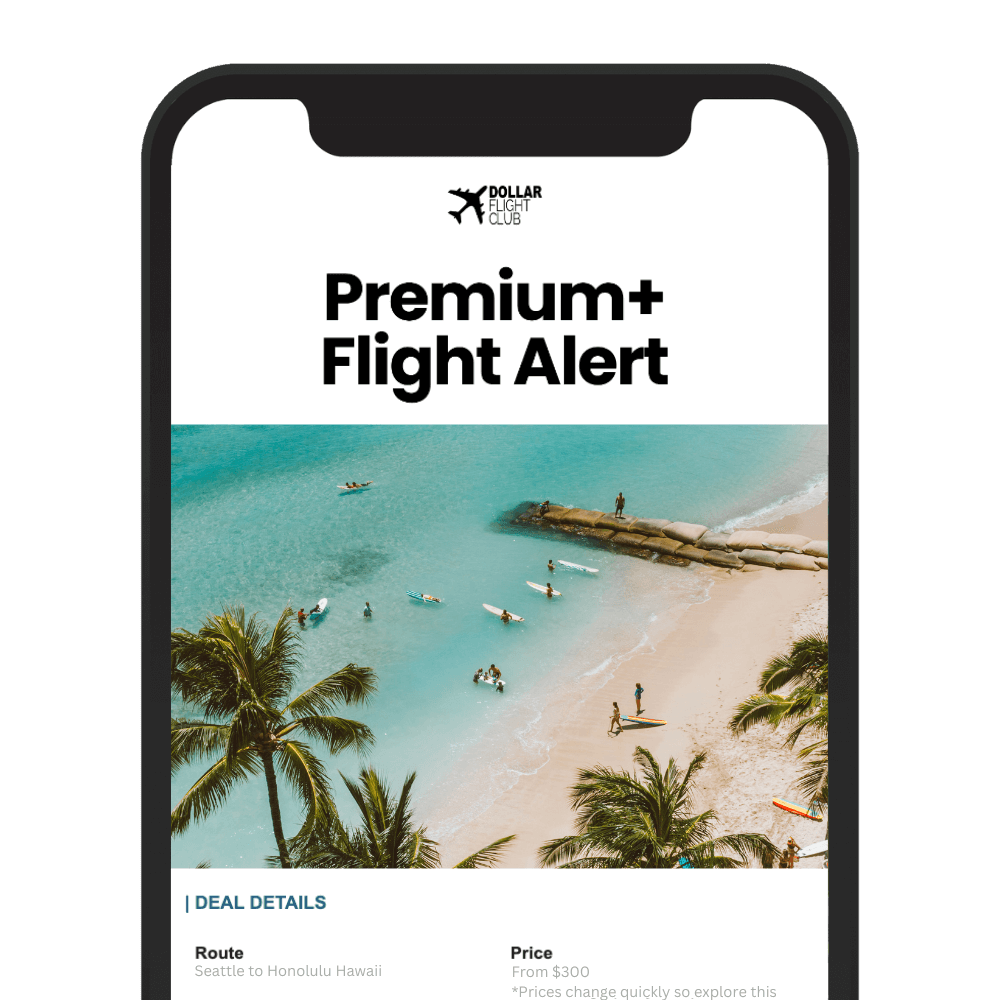
Finding a deal on trans-Pacific flights can also make a big difference in your overall budget. Services like Dollar Flight Club send alerts for fare drops, helping you snag cheaper tickets even during busy travel periods.
Where to Go in New Zealand
North Island Highlights
The North Island offers a mix of lively cities, geothermal wonders, and rich Māori heritage. Starting in Auckland, New Zealand’s largest city, you’ll find a vibrant harbor and easy access to nearby islands. Take a quick ferry to Waiheke Island for wine tasting or head to Rangitoto Island for a scenic hike. About 3–4 hours north, the Bay of Islands boasts subtropical beaches and popular dolphin- or whale-watching cruises, typically priced between $120 and $150.
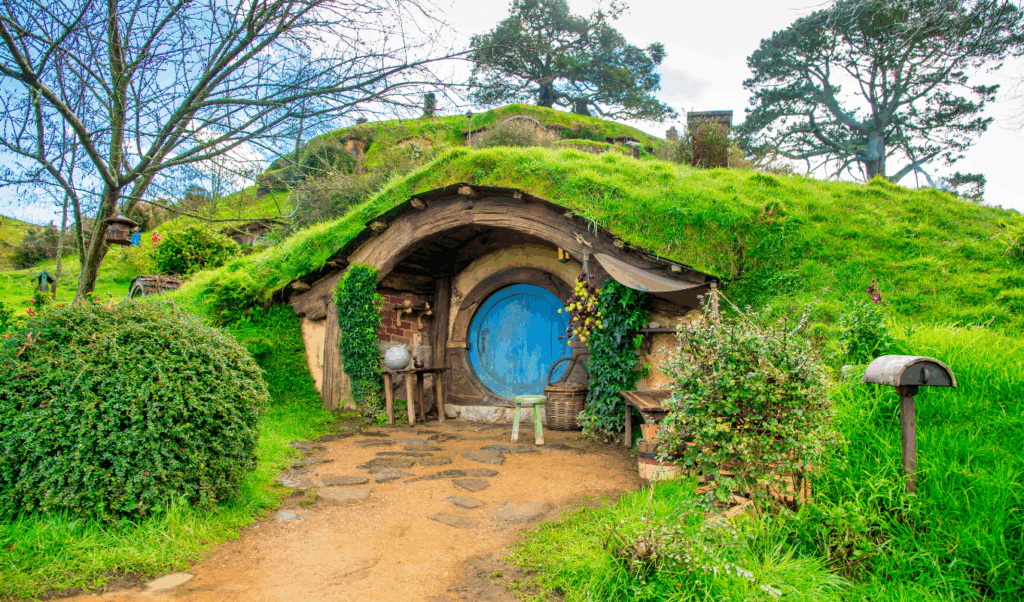
Heading southeast from Auckland, you’ll arrive in Rotorua, the geothermal and cultural hub of the North Island. Here, you can explore bubbling mud pools, steaming geysers, and enjoy traditional Māori cultural performances. Entry fees for geothermal parks usually range from $30 to $70. Just an hour’s drive away, Hobbiton near Matamata is a must-visit for fans of “The Lord of the Rings” and “The Hobbit.”
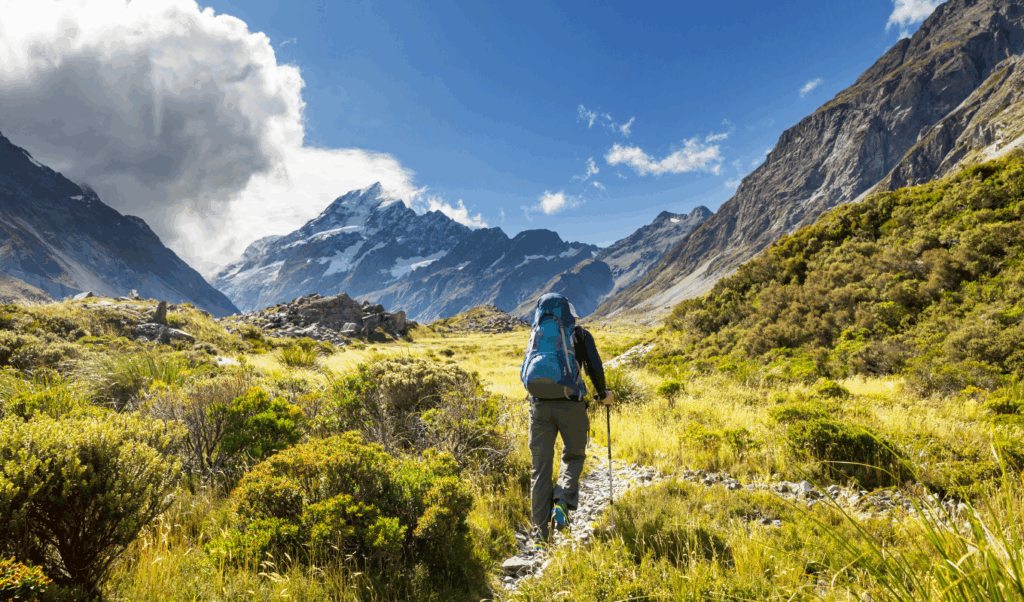
Further south, Tongariro National Park is home to the famous Tongariro Alpine Crossing, often described as New Zealand’s best one-day hike. This 12-mile trek takes you through striking volcanic landscapes, including areas featured as “Mordor” in the films. Shuttle services for the hike cost around $55. At the southern tip of the island, Wellington, the nation’s capital, offers attractions like the Te Papa museum, a scenic cable car ride, and the Weta Workshop for movie buffs.
South Island Highlights
The South Island is a haven for those seeking dramatic landscapes, outdoor adventures, and serene beauty. In Queenstown, known as the “adventure capital”, you can try bungy jumping, skydiving, jet boating, or skiing in nearby alpine areas. About four hours away lies Fiordland National Park, a UNESCO World Heritage site. Here, you can take a day cruise through Milford Sound for $60–$100 or opt for a more secluded wilderness experience in Doubtful Sound, which costs around $340.
On the northern coast, Abel Tasman National Park is famous for its golden beaches and clear turquoise waters. The 37-mile Coast Track, one of New Zealand’s Great Walks, attracts hikers who often tackle 1–3 day sections with the help of water taxis. Farther inland, Lake Tekapo and the Aoraki Mackenzie region are part of an International Dark Sky Reserve, making it a top spot for stargazing. Nearby, Aoraki/Mount Cook offers breathtaking alpine hikes and glacier views, while the West Coast towns of Franz Josef and Fox Glacier provide thrilling heli-hiking experiences, priced between $390 and $470. On the eastern coast, Kaikōura is famous for its whale-watching tours.
Whether you’re planning a short trip or an extended journey, these destinations can be tailored to fit your travel plans.
Sample Itineraries
Here are some sample itineraries to help you make the most of your time:
For a 7–10 day trip, focus on one island. On the North Island, you could explore Auckland, the Bay of Islands, Rotorua, Tongariro, and Wellington. On the South Island, consider a route that includes Christchurch, Kaikōura, Abel Tasman, Queenstown, and Fiordland. Keep in mind that South Island roads are often long and winding, so plan accordingly.
If you have two weeks, you can either dive deeper into one island or split your time between both. For example, spend four days exploring North Island highlights like Auckland, Rotorua, and Tongariro before flying to Queenstown. From there, dedicate the rest of your trip to South Island gems like Fiordland, Wanaka, Lake Tekapo, and Abel Tasman. Adding a domestic flight can save precious travel time.
A three-week itinerary allows for a more comprehensive journey. Start in Auckland and travel south through the North Island to Wellington. From there, take the 3.5-hour ferry to Picton and explore the South Island, visiting Abel Tasman, the West Coast glaciers, Queenstown, Fiordland, Aoraki/Mount Cook, and Christchurch. Be sure to include buffer days for weather-dependent activities like the Tongariro Alpine Crossing or glacier hikes, as conditions can sometimes lead to cancellations.
Transportation and Getting Around
Flying and Driving
For domestic flights, Air New Zealand and Jetstar are your go-to options, connecting major hubs like Auckland, Wellington, Christchurch, and Queenstown. A flight from Auckland to Queenstown takes about 2 hours and typically costs between $50 and $150 one-way, making it a quick and efficient way to travel between islands.
If you prefer to explore at your own pace, renting a car or campervan is a popular choice. Rental cars cost around $40–$80 per day, while campervans range from $100–$200 per day. Keep in mind, you’ll need to adjust to driving on the left side of the road with a right-hand steering wheel. Roads are generally well-maintained but can be narrow and winding, especially in areas like the South Island’s West Coast or alpine passes. Fuel prices average $2.00–$2.40 per liter, with higher costs in remote regions. For a road trip covering several thousand miles, budget $200–$400 for gas. Apps like Gaspy can help you locate the cheapest fuel stations, and it’s wise to fill up in towns before venturing into rural areas.
If driving doesn’t appeal to you, don’t worry – there are plenty of public transport options to consider.
Public Transport and Tours
For budget-friendly travel between cities, InterCity buses are a reliable choice, with fares ranging from $30 to $100 one-way. These buses run routes that take 9–10 hours between major destinations. If you’re looking for something more scenic, the TranzAlpine train is a stunning option, traveling from Christchurch to Greymouth in 4.5 hours ($100–$200). This route crosses the Southern Alps, offering breathtaking views of river gorges and mountains. Another scenic train, the Northern Explorer, runs from Auckland to Wellington in about 10 hours, passing through volcanic landscapes near Tongariro.
For remote areas or activities like multi-day hikes, organized tours are a hassle-free option. Shuttles are available for popular adventures like the Tongariro Alpine Crossing, Milford Sound cruises, and glacier heli-hikes. These tours typically cost $100–$340 per day, depending on the activity, and are perfect for solo travelers or those who’d rather not deal with navigating or planning logistics.
City Transportation
Urban areas offer plenty of transportation options. In Auckland, the AT HOP card provides access to buses, trains, and ferries. Fares range from $2 to $10 per trip, with day passes available for $10–$20. This system also covers nearby islands like Waiheke. Wellington’s Metlink network includes buses, suburban trains, and even the iconic cable car to the Botanic Gardens, with similar pricing. Wellington is smaller and more walkable than Auckland, making it easy to explore on foot.
For rideshare services, Uber and Ola operate in Auckland, Wellington, and Christchurch. Short trips typically cost $10–$25. If you’re driving in urban areas, apps like Parkopedia can help you find parking, which usually costs $2–$5 per hour. Free street parking is rare in city centers, so parking on the outskirts and using public transit can save you both time and money.

Where to Stay and What to Eat
Accommodation Options
New Zealand has a variety of lodging options to suit every budget, from affordable hostels to unique farm stays. If you’re traveling on a budget, hostels in popular spots like Rotorua and Queenstown typically range from $15 to $25 per person, per night. For families or campervan travelers, holiday parks are a great choice, offering powered campsites, cabins, and amenities like pools. Cabin prices usually fall between $50 and $95 per night.
For a bit more comfort, mid-range hotels in cities such as Auckland and Wellington cost around $95 to $160 per night. If you’re looking for something more rural and authentic, farm stays in areas like Central Otago offer unique experiences, such as sheep-shearing, with rates between $75 and $125 per night.
Planning to visit during the peak summer months (December to February)? Be sure to book your accommodation 3–6 months ahead. Prices can jump by 20–50%, and popular spots like Great Walk huts (priced at $20–$70 per night) often sell out. Platforms like Booking.com or direct bookings with holiday parks are reliable options. For a convenient base, consider Queenstown for exploring the South Island or Auckland for the North Island.
Once you’ve settled in, it’s time to dive into New Zealand’s incredible culinary scene.
Food and Drink
New Zealand’s food culture is as diverse as its landscapes. If you’re a seafood lover, Kaikōura is the place to be. Enjoy fresh crayfish or green-lipped mussels, with main dishes priced between $19 and $32. For something quintessentially Kiwi, try the country’s grass-fed lamb, renowned for its tenderness, available at most restaurants for $16 to $25 per main dish. And don’t miss hokey pokey ice cream – a creamy vanilla base with crunchy honeycomb bits – available nationwide, including at Cadbury World in Dunedin.
On a tighter budget? Grab a classic meat pie or fast food for $6 to $13. For mid-range dining, expect to pay $16 to $25 per main, while upscale restaurants start at $32 per person. Coffee enthusiasts will love New Zealand’s thriving café culture, especially in Wellington. A flat white will set you back $3 to $4.50, and it’s worth every cent.
Wine lovers shouldn’t miss the chance to sample local vintages. Marlborough is famous for its Sauvignon Blanc, with tastings costing $10 to $19. Hawke’s Bay offers excellent reds, while Central Otago is celebrated for its Pinot Noir. For a deeper cultural experience, attend a traditional Māori hāngi feast in Rotorua, where food is slow-cooked in an earth oven – a true taste of New Zealand’s heritage.
Vegetarian options are widely available, and tipping isn’t expected, so you can enjoy your meals without the extra math. Whether you’re indulging in fine dining or grabbing a quick bite, New Zealand’s food scene is sure to leave you satisfied.
Conclusion
New Zealand offers an adventure like no other – from the volcanic landscapes of the Tongariro Alpine Crossing to the majestic fjords of Milford Sound. Planning your trip involves considering the best travel seasons, understanding entry requirements, and managing your budget wisely. Along the way, you’ll encounter the geothermal wonders of the North Island, the awe-inspiring scenery of the South Island, and transportation options ranging from campervan road trips to convenient island-hopping flights. Accommodations cater to all travelers, whether you prefer budget-friendly hostels or charming farm stays. And let’s not forget the local cuisine – think fresh Kaikōura crayfish paired with a glass of Marlborough Sauvignon Blanc. Together, these elements create the perfect recipe for an unforgettable journey.
To make the most of your visit, give yourself enough time to soak in each destination. A 1–2 week itinerary per island is a good starting point. If you’re eyeing iconic experiences like the Milford Track, booking well in advance is essential. Renting a campervan for routes such as Auckland to Queenstown can also provide the freedom to explore at your own pace.
Airfare is often the biggest expense, but tools like Dollar Flight Club can help you save big. With instant alerts for price drops on flights to Auckland or Queenstown, you could cut your travel costs by up to 90% and unlock additional perks. Lower airfare means more room in your budget for New Zealand’s incredible adventures.
From trekking the iconic 12-mile Tongariro Alpine Crossing to relaxing in Rotorua’s thermal springs, New Zealand is a place where epic landscapes meet rich cultural experiences. Don’t wait to start planning – check out Dollar Flight Club and begin your journey to this unforgettable destination today.
FAQs
What are the top things to do in New Zealand during the off-peak seasons?
Visiting New Zealand during the quieter seasons is a fantastic way to soak in the country’s breathtaking landscapes without the usual crowds. Picture yourself wandering through serene national parks, embarking on scenic road trips, or diving into adrenaline-pumping adventures like bungee jumping or skydiving. It’s also an ideal time to explore local wineries, savor wine tastings, or immerse yourself in unique festivals and events.
Traveling during these times often means snagging better deals on accommodations and tours, which is a big win for anyone watching their budget. Whether you’re chasing thrills or craving a peaceful retreat, New Zealand promises memorable experiences no matter the season.
What’s the best way to budget for a trip to New Zealand while still enjoying the top experiences?
To make the most of your New Zealand trip without breaking the bank, start by finding ways to save on flights. Use flight deal websites or apps to score discounted airfare and trim your travel expenses. Timing your visit during the shoulder seasons – spring (September to November) or fall (March to May) – can also help you save money while avoiding the peak-season crowds.
Once you’re there, take advantage of free or low-cost activities. New Zealand is packed with natural beauty, so explore its national parks, hike scenic trails, or relax on its stunning beaches without spending a dime. For accommodations, opt for budget-friendly choices like hostels, holiday parks, or vacation rentals. Booking early often secures better rates, so plan ahead when possible.
By focusing on affordable experiences and making thoughtful spending choices, you can enjoy everything New Zealand has to offer without stretching your budget too thin.
What do U.S. citizens need to enter New Zealand?
U.S. citizens planning a trip to New Zealand need to ensure they have a valid passport and apply for an Electronic Travel Authority (ETA) ahead of their journey. Beyond that, travelers must also meet New Zealand’s health and character standards, which could involve showing proof of good health and confirming they have no criminal record.
Your passport should remain valid for at least three months after your intended departure date from New Zealand. It’s wise to double-check for any changes to entry requirements as your travel date approaches.