
Skiplagging can save money, but I’d compare the savings with the cost of a replacement ticket before booking. You book a connecting flight, leave at the layover city, and skip the last leg. The catch? Airlines can cancel remaining flights, penalize loyalty accounts, or reroute you past your planned stop.
Here’s how I’d weigh it:
- Check the rules: Skiplagging isn’t illegal under U.S. law, but it can violate airline ticket terms.
- Limit travel risks: A domestic one-way ticket, 1 underseat personal item, and a flexible schedule reduce some risks – not airline enforcement.
- Know when to skip it: I’d avoid it with checked bags, a return flight on the same ticket, tight deadlines, or uncertain entry rules.
- Compare other fares first: Different dates, nearby airports, and fare alerts may offer savings without breaking ticket rules.
My rule: judge the total cost, not just the fare. If I can’t afford a disruption, the cheaper ticket isn’t worth it – even if the savings look good at checkout.
Airline Rules and Reported Enforcement
Check the airline’s contract terms before booking. A cheap fare may stop being a bargain if the airline enforces its rules. Skiplagging is not illegal under U.S. law, but airlines treat it as a violation of the ticket terms you accept.
American, United, and Alaska Restrictions
| Airline | Policy | Possible consequences | Note |
|---|---|---|---|
| American Airlines | Explicitly prohibited in its Contract of Carriage. | Ticket cancellation, including remaining segments; frequent flyer account penalties. | – |
| United Airlines | Prohibited under its ticket rules. | Voiding remaining segments, including return flights; possible frequent flyer account termination. | – |
| Alaska Airlines | Prohibited under its Prohibited Booking Practices language. | Loss of mileage credits, cancellation of future reservations, and travel bans for repeated violations. | Check the current unused-segment and booking-rule language before booking. |
Reported Enforcement Actions
The clearest recent enforcement actions involve booking platforms – not routine cases against individual passengers.
American won a $9.4 million federal verdict against Skiplagged in October 2024. United’s 2015 case against Skiplagged’s founder was dismissed on jurisdictional grounds, without deciding the merits of hidden-city ticketing. Neither case establishes a routine penalty for individual travelers.
For travelers, cancellations, loyalty penalties, or denied future bookings can outweigh the fare savings.
Where to Check Airline Terms
Visit the airline’s official website and find its Contract of Carriage or Conditions of Carriage. Look for language covering hidden-city ticketing, unused segments, fare circumvention, cancellations, loyalty penalties, and travel bans. Use those terms to weigh the fare savings against the costs of getting caught. For more reliable savings, consider strategies for cheap business class tickets that don’t violate airline policies.

Legal, Financial, and Airport Risks
After booking, the biggest risks come down to what the airline can do to your ticket and whether you can leave the airport with your bags.
Canceled Segments, Fare Claims, and Loyalty Penalties
Skipping a flight to leave at the hidden city can cancel every remaining flight on your ticket, including your return. The airline may also demand the fare difference, take away miles or elite status, or suspend your account. These are contractual remedies, not criminal penalties.
Checked Bags and Gate-Checked Carry-Ons
A checked bag may travel past your layover city to the final ticketed destination. Even a carry-on can end up there if staff check it at the gate. Bringing only a personal item that fits under the seat lowers that risk, but it doesn’t make skiplagging safe.
Rerouting, Entry Rules, and Airport Exits
A schedule change or cancellation can remove the connection you planned to use. The airline’s obligation is to get you to your final ticketed destination, not your hidden city. That means it may reroute you through another hub and bypass your planned exit entirely.
Before booking an international hidden-city fare, check passport, visa, and entry rules for both the ticketed destination and the layover country. Transit rules may prevent you from entering the country where you want to leave the airport. Airport layout or customs procedures can also stop you from exiting as planned.
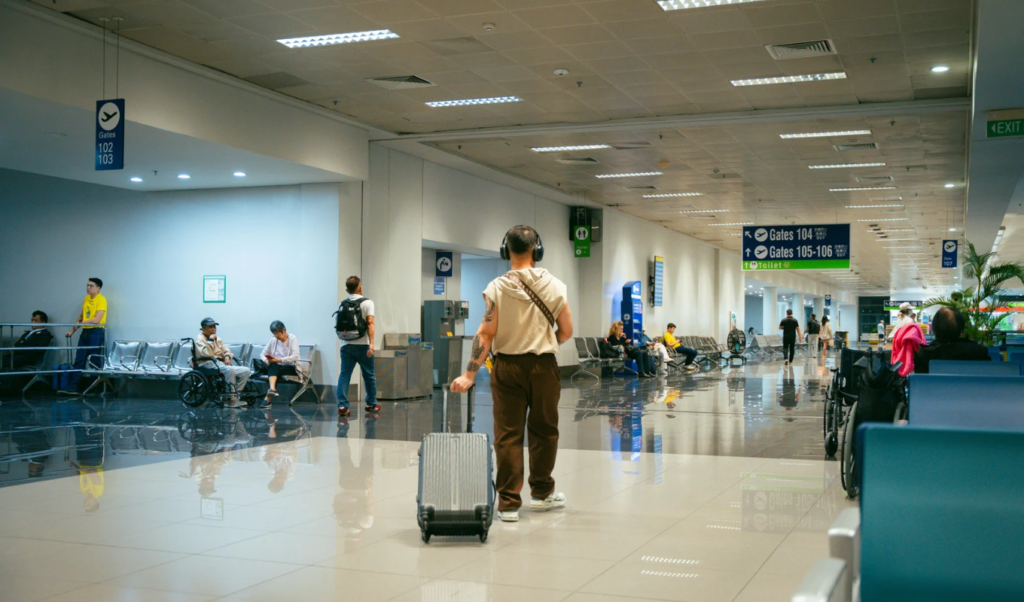
When to Consider Skiplagging – and When to Avoid It
Conditions That Reduce Travel Risks
After reviewing the rules and penalties, weigh the savings against what could go wrong. The lowest-risk setup is a domestic one-way ticket, an underseat personal item, and a flexible schedule. A one-way booking keeps a return reservation out of the equation, but the airline can still reroute you or enforce its rules.
Before booking, compare the savings with the cost of a last-minute replacement ticket – and set aside enough to pay for one. If a disruption would leave you unable to afford the rest of your trip, the cheaper fare isn’t worth the risk.
Trips Where Skiplagging Is Not Worth It
Avoid skiplagging if your trip depends on a return ticket, checked luggage, international entry requirements, or a firm arrival deadline. Frequent-flyer miles and status also add to the risk: airlines can take away miles, revoke status, or ban future bookings.
Skiplagging Decision Table
Use this table to weigh the fare savings against the possible costs.
| Trip condition | Likely failure or consequence | Recommended decision |
|---|---|---|
| Flexible domestic one-way, personal item only | Rerouting or airline enforcement | Consider only with backup funds and acceptance of enforcement risk |
| Hidden-city booking on a round trip | Cancellation of the remaining itinerary, including the return | Avoid |
| Checked bag or carry-on that must be gate-checked | Bag may continue to the final ticketed destination | Avoid |
| Strict arrival deadline | Rerouting may bypass the hidden city | Avoid |
| Passport, visa, or transit-rule issues | Denied boarding or blocked airport exit | Avoid |
| Miles or status you don’t want to lose, or reliance on future airline access | Loss of miles or status, or restrictions on future bookings | Avoid |
| Small fare gap | Replacement travel can cost more than the savings | Book the full route |

Lower-Risk Ways to Save on Flights
Compare Dates, Airports, and Complete Routes
If hidden-city pricing feels too risky, compare departure dates and nearby airports within a reasonable drive. Check airline deal pages, too. Focus on the total trip cost, including baggage fees, airport transfers, and parking – not just the fare.
Booking separate tickets comes with its own risk: if your first flight is delayed, you could be responsible for a missed connection and the cost of a replacement onward ticket.
Dollar Flight Club Fare Alerts
Fare alerts can help you find discounts without the contract risk of hidden-city ticketing.
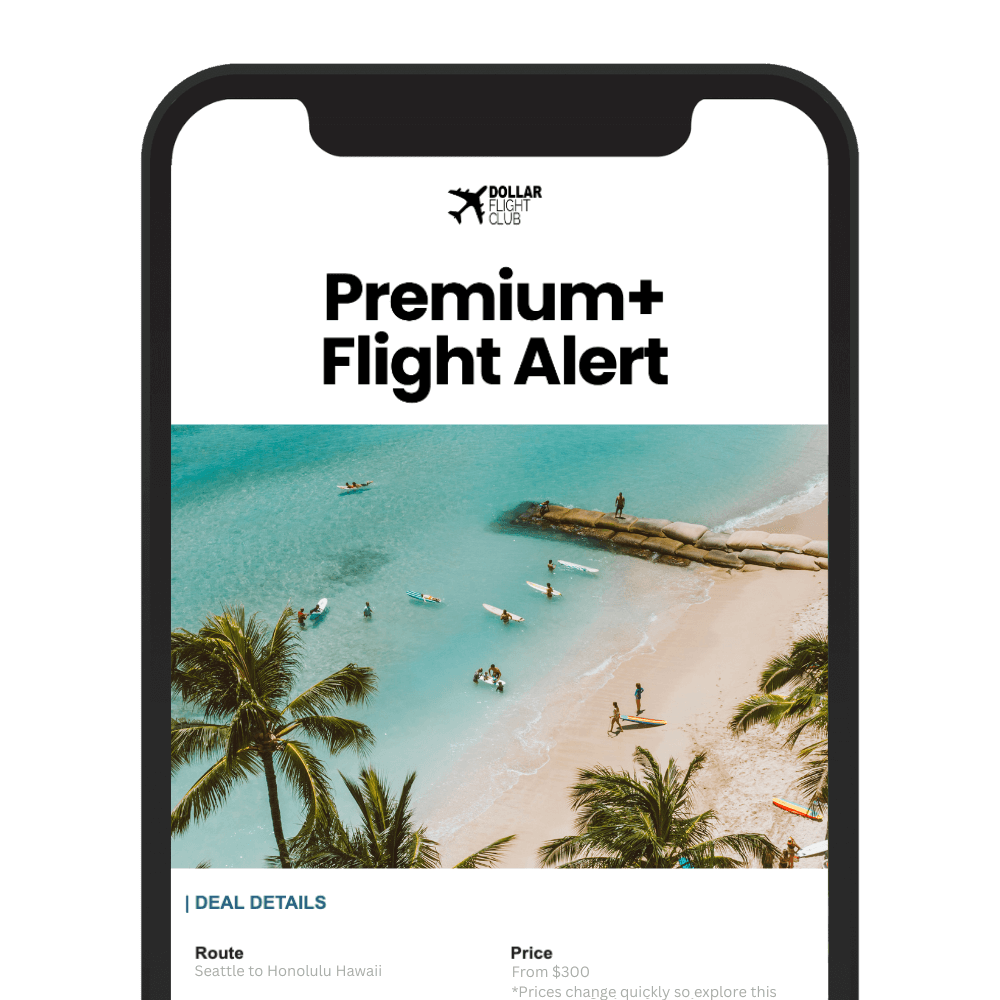
Dollar Flight Club sends email and SMS alerts for domestic and international flight deals up to 90% off, plus member perks and travel discounts. Before booking, check the fare’s dates, baggage allowance, and restrictions.
Conclusion: Compare Savings With the Risks
When reliability matters more than a small discount, book the full route.
FAQs
Why can a connecting flight cost less than a nonstop?
Airfares depend more on supply, demand, and convenience than on distance alone. Busy nonstop business routes often cost more, while connecting flights through major hubs may cost less to help fill seats. With skiplagging, a cheaper connecting ticket can include the exact same flight to your intended city as a nonstop ticket – just at a different price.
Will travel insurance cover skiplagging disruptions?
Travel insurance typically does not cover disruptions caused by skiplagging. Skiplagging deliberately violates an airline’s contract of carriage, so insurers generally treat resulting cancellations or replacement travel costs as foreseeable consequences – not unexpected travel mishaps.
If a delay or cancellation leads the airline to reroute you, it only has to get you to your final ticketed destination, not the layover city where you planned to leave the trip.
Can skipping a flight affect a separately booked return?
Yes – if your return flight is on the same ticket. When you skip a flight segment, the airline cancels the remaining flights on that ticket, including your return. You may then have to buy a new ticket at a much higher price.
If you use the hidden-city strategy, book only one-way tickets.